
In today’s fast-moving industrial and facility management landscape, businesses can no longer afford to rely on paper-based maintenance requests, manual scheduling, or disconnected communication systems. Delayed repairs, missed preventive maintenance tasks, and inefficient workflows can quickly lead to downtime, rising operational costs, and frustrated teams. This is where work order automation becomes a game-changer for modern organisations.
According to industry reports, unplanned downtime costs industrial manufacturers an estimated $50 billion annually, with poor maintenance practices among the leading causes. Companies are now investing heavily in automation technologies to improve maintenance efficiency, reduce errors, and gain better operational visibility. Work order automation allows businesses to digitally create, assign, track, and complete maintenance tasks in real time while reducing administrative burdens.
From manufacturing plants and logistics facilities to hospitals, commercial buildings, and utilities, organisations are using automated work order systems to improve productivity and asset reliability. Instead of relying on spreadsheets, emails, or manual paperwork, teams can now automate repetitive maintenance processes and make faster, smarter decisions.
This guide explores everything businesses need to know about work order automation, including how it works, its key features, benefits, industry applications, and the future technologies shaping automated maintenance operations.
This article covers
- What Is Work Order Automation?
- Key Features of Modern Work Order Automation Software
- Benefits of Implementing Work Order Automation
- How Work Order Automation Improves Maintenance and Facility Management
- Future Trends in Work Order Automation Technology
- FAQs About Work Order Automation
What Is Work Order Automation?
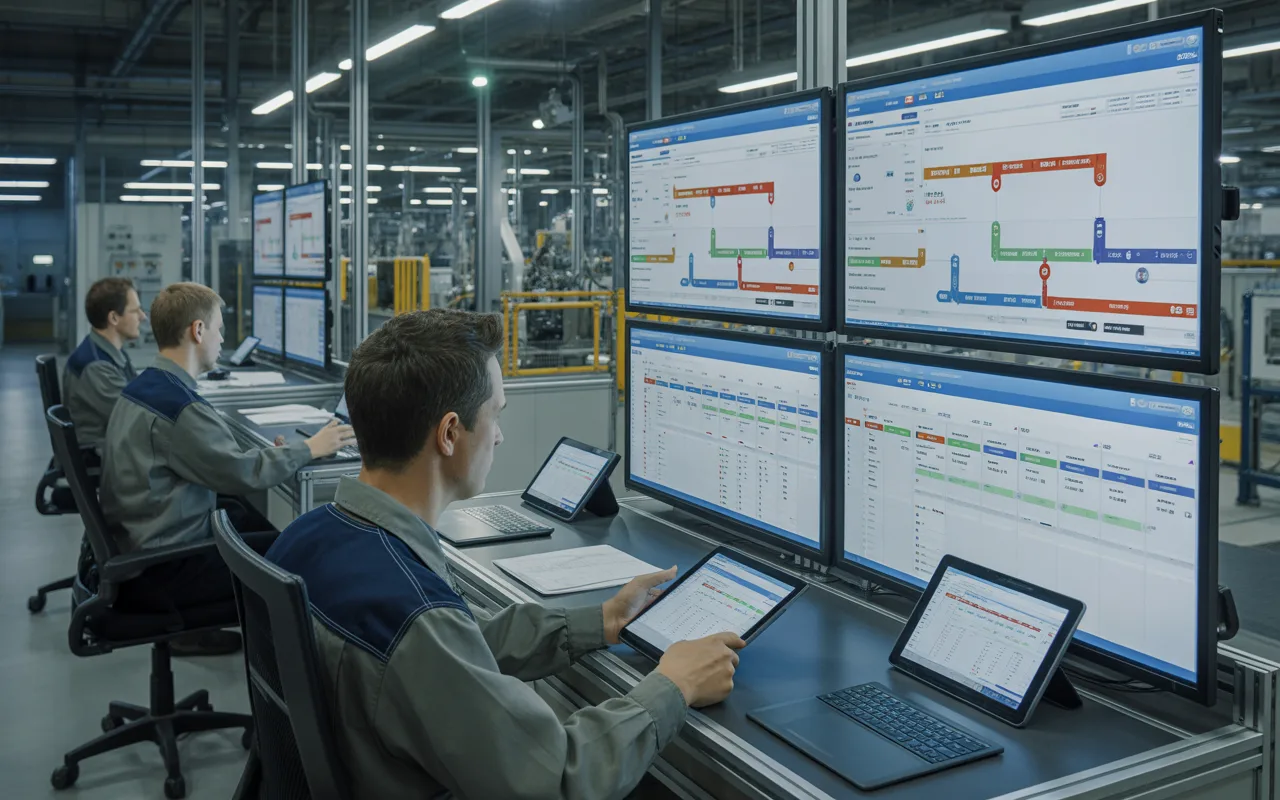
Work order automation refers to the use of digital systems and software to automatically create, assign, manage, and track maintenance or operational tasks without requiring heavy manual intervention. These systems streamline workflows by ensuring the right personnel receive the correct tasks at the appropriate time.
Traditionally, maintenance teams relied on handwritten requests, phone calls, emails, or spreadsheets to manage work orders. While this process worked in smaller operations, it often led to delays, communication gaps, and information loss in larger organisations. Automation solves these problems by centralising and digitising the entire workflow.
An automated work order system typically handles:
- Maintenance request generation
- Technician assignment
- Priority scheduling
- Real-time task tracking
- Inventory coordination
- Compliance documentation
- Performance reporting
For example, if a machine sensor detects abnormal vibration levels, an automated system can instantly generate a maintenance ticket, assign a technician, notify supervisors, and log the event into maintenance records. This minimises delays and reduces the risk of equipment failure.
Industries that commonly use work order automation include:
- Manufacturing
- Logistics and warehousing
- Healthcare
- Facilities management
- Utilities and energy
- Transportation
- Construction
- Commercial real estate
As businesses continue adopting Industry 4.0 technologies, automated maintenance workflows are becoming essential for operational efficiency and competitive advantage.
Key Takeaways
- Work order automation streamlines maintenance by digitising task creation, assignment, tracking, and reporting.
- It reduces downtime and errors by improving response times and enabling preventive maintenance scheduling.
- Businesses gain better efficiency through optimised workforce allocation and real-time operational visibility.
- Future systems will rely heavily on AI, IoT, and cloud integration for smarter, predictive maintenance.
Key Features of Modern Work Order Automation Software
Modern work order automation platforms offer a wide range of features that help businesses simplify maintenance management and improve operational control.
Automated Work Order Creation and Assignment
One of the most important capabilities is the automatic generation of work orders. Systems can create maintenance tasks based on:
- Scheduled preventive maintenance intervals
- IoT sensor alerts
- Equipment performance thresholds
- User-submitted service requests
- Compliance requirements
Once generated, the software automatically assigns the task to the most suitable technician based on skill level, location, workload, or availability.
This eliminates delays caused by manual coordination and significantly improves response times.
Real-Time Tracking and Status Updates
Automated platforms provide live visibility into work order progress. Managers can instantly monitor:
- Open tasks
- Work completion status
- Technician activity
- Delayed assignments
- Equipment downtime
Real-time updates improve communication between departments and reduce confusion across teams.
Preventive Maintenance Scheduling
Preventive maintenance is critical for avoiding costly breakdowns. Automated systems allow businesses to schedule recurring inspections, servicing, and maintenance activities based on:
- Time intervals
- Usage hours
- Production cycles
- Asset condition monitoring
By automating preventive maintenance schedules, businesses can extend equipment lifespan and reduce emergency repairs.
Mobile Access for Field Technicians
Mobile functionality allows technicians to receive, update, and complete work orders directly from smartphones or tablets. This improves field efficiency by enabling technicians to:
- Access asset history
- Upload photos and notes
- Update task statuses
- Scan QR codes
- Capture digital signatures
Mobile access also reduces paperwork and improves reporting accuracy.
AI-Powered Analytics and Reporting
Advanced work order automation systems use AI and analytics to help organisations identify trends and optimise maintenance strategies. These insights can reveal:
- Frequently failing assets
- Maintenance cost patterns
- Technician productivity levels
- Downtime trends
- Spare parts usage
Businesses can use this data to make proactive operational decisions and improve long-term maintenance planning.
Benefits of Implementing Work Order Automation
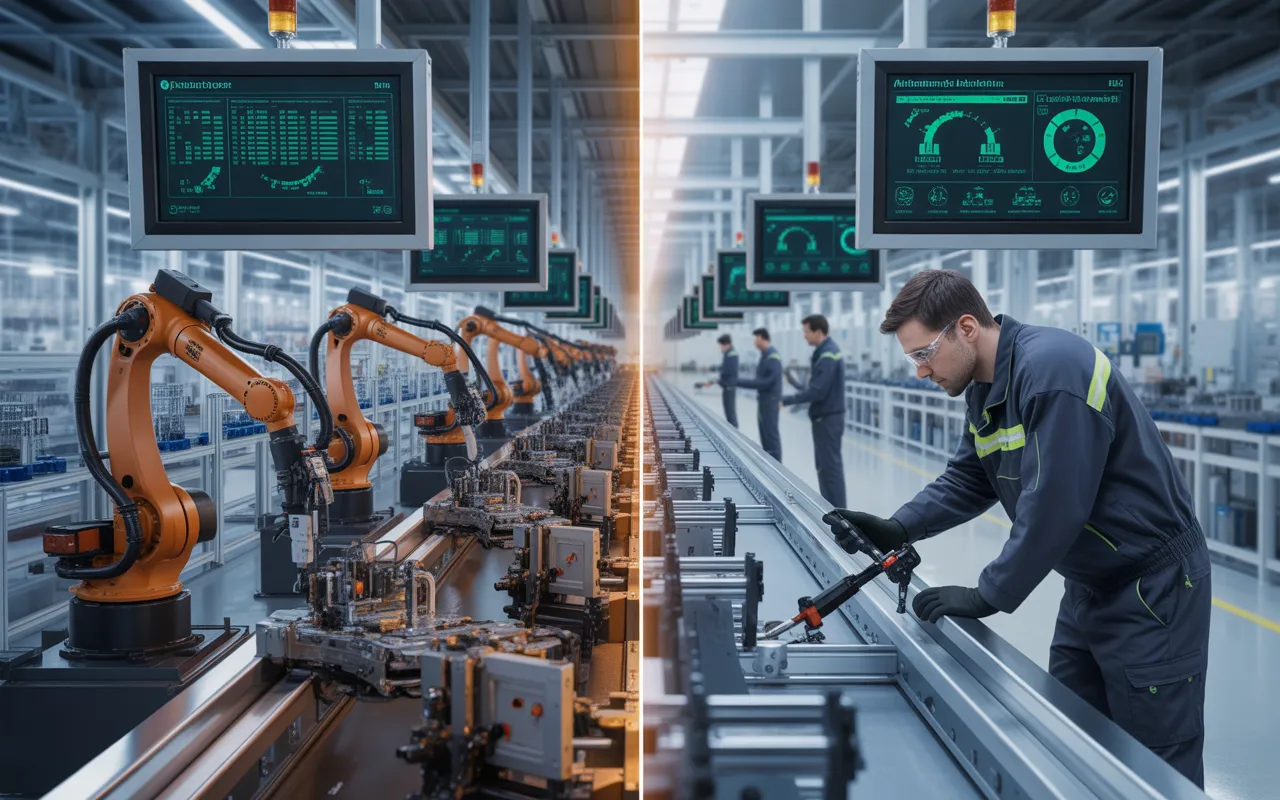
Businesses across industries are adopting work order automation because of the measurable operational and financial benefits it delivers.
Faster Response Times and Task Completion
Manual work order management often creates delays because requests must pass through multiple departments before reaching technicians. Automation accelerates the process by instantly routing tasks to the appropriate personnel.
This allows maintenance teams to respond faster to equipment issues and minimise operational disruptions.
Faster task completion also improves customer satisfaction in industries such as property management, healthcare, and service operations.
Reduced Human Errors in Maintenance Processes
Paper-based systems and spreadsheets are highly vulnerable to:
- Missing information
- Duplicate entries
- Scheduling conflicts
- Lost documentation
- Communication breakdowns
Automation standardises workflows and reduces manual data entry errors. Every task is digitally documented, tracked, and stored in a centralised system.
This improves accuracy and ensures maintenance activities are completed properly.
Improved Asset Performance and Equipment Lifespan
Routine maintenance is essential for maximising asset reliability. Automated scheduling ensures preventive maintenance tasks are never forgotten or delayed.
Consistent maintenance improves:
- Equipment uptime
- Operational reliability
- Production efficiency
- Asset lifespan
By addressing small problems early, businesses can avoid costly repairs and unexpected equipment failures.
Better Workforce Productivity and Resource Allocation
Automation allows managers to optimise workforce utilisation by assigning tasks based on:
- Technician expertise
- Availability
- Geographic location
- Current workload
This reduces inefficiencies and prevents technicians from being overloaded or underutilised.
Technicians also spend less time on paperwork and administrative tasks, allowing them to focus on actual maintenance work.
Enhanced Compliance, Reporting, and Audit Readiness
Many industries must comply with strict maintenance regulations and safety standards. Automated systems simplify compliance by maintaining accurate digital records of:
- Inspections
- Repairs
- Equipment servicing
- Safety checks
- Certifications
During audits, businesses can quickly retrieve historical maintenance records and demonstrate regulatory compliance.
This is particularly important in healthcare, manufacturing, aviation, and utilities industries.
How Work Order Automation Improves Maintenance and Facility Management
Maintenance and facility management operations become significantly more efficient when work order automation is integrated into daily workflows.
Streamlining Preventive and Predictive Maintenance
Preventive maintenance helps businesses avoid breakdowns by servicing equipment before failures occur. Predictive maintenance goes one step further by using IoT sensors and AI analytics to predict when equipment may fail.
Work order automation supports both strategies by automatically triggering maintenance tasks based on equipment data and operational thresholds.
This proactive approach reduces downtime and improves operational continuity.
Enhancing Communication Between Departments
In many organisations, maintenance teams, operations managers, inventory staff, and supervisors work separately. Poor communication often causes delays and confusion.
Automated work order systems centralise communication through a shared platform where everyone can access:
- Maintenance requests
- Task progress
- Equipment history
- Inventory status
- Technician updates
This improves collaboration and operational transparency.
Reducing Equipment Downtime and Operational Disruptions
Unexpected downtime can severely impact production schedules and business profitability. Automated systems reduce downtime by:
- Detecting issues earlier
- Accelerating maintenance responses
- Prioritising critical repairs
- Scheduling maintenance proactively
With better visibility into asset conditions, businesses can maintain smoother operations and reduce production interruptions.
Improving Inventory and Spare Parts Management
Maintenance delays often occur because spare parts are unavailable when needed. Many automated work order systems integrate with inventory management software to track spare parts availability in real time.
When parts inventory falls below minimum thresholds, the system can automatically generate purchase requests or alerts.
This ensures technicians have the necessary resources to complete repairs efficiently.
Supporting Data-Driven Maintenance Decisions
Modern organisations increasingly rely on data to improve operational performance. Work order automation systems generate valuable insights that help businesses:
- Identify recurring failures
- Optimise maintenance schedules
- Reduce maintenance costs
- Improve technician performance
- Plan equipment replacements strategically
Data-driven maintenance management improves both short-term efficiency and long-term asset planning.
Future Trends in Work Order Automation Technology
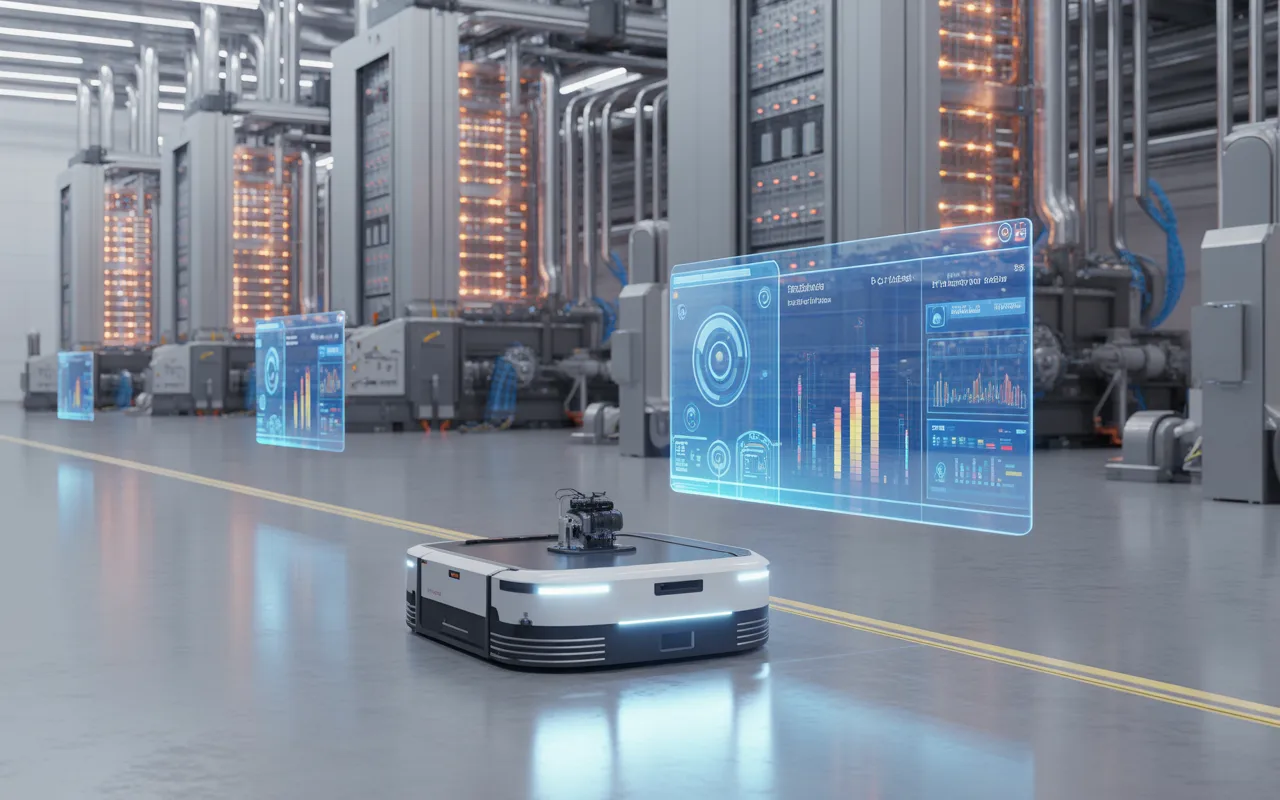
The future of work order automation is being shaped by emerging technologies that are transforming maintenance operations across industries.
AI and Machine Learning in Automated Maintenance
Artificial intelligence is making maintenance systems smarter and more predictive. AI-powered platforms can analyse historical maintenance data to:
- Predict equipment failures
- Recommend maintenance schedules
- Detect abnormal asset behavior
- Optimise technician assignments
Machine learning algorithms continuously improve system accuracy over time, helping organisations reduce downtime even further.
IoT-Enabled Smart Work Order Systems
The Internet of Things is revolutionising maintenance automation by connecting machines, sensors, and software platforms in real time.
IoT-enabled assets can automatically send performance data to maintenance systems, triggering work orders whenever abnormalities are detected.
For example:
- Temperature spikes
- Pressure fluctuations
- Vibration anomalies
- Energy inefficiencies
This creates highly responsive and intelligent maintenance ecosystems.
Cloud-Based and Mobile-First Maintenance Platforms
Cloud technology allows businesses to access maintenance systems from anywhere while improving scalability and data accessibility.
Mobile-first platforms are becoming increasingly important because maintenance teams often work across multiple locations. Cloud-based systems support:
- Remote monitoring
- Multi-site management
- Real-time collaboration
- Faster software updates
- Improved cybersecurity management
These platforms help businesses operate more flexibly and efficiently.
Integration With ERP, CMMS, and Enterprise Systems
Modern organisations rely on multiple software systems to manage operations. Work order automation platforms are increasingly integrating with:
- ERP systems
- CMMS platforms
- Inventory management systems
- HR software
- Procurement systems
This creates a unified operational ecosystem where data flows seamlessly across departments.
Integrated systems improve visibility, reduce duplication, and strengthen operational decision-making.
The Future of Autonomous Maintenance Operations
As AI, robotics, and automation technologies continue advancing, maintenance operations may eventually become highly autonomous.
Future systems could:
- Detect failures automatically
- Dispatch robotic inspections
- Generate repair plans instantly
- Schedule technicians autonomously
- Order replacement parts automatically
While human expertise will remain essential, automation will continue to reduce manual workload and improve maintenance precision.
From Chaos to Control: Wrapping Up Work Order Automation
Work order automation is no longer a luxury for modern businesses. It has become a critical operational strategy for organisations seeking greater efficiency, lower maintenance costs, improved asset reliability, and better workforce productivity.
By automating maintenance workflows, businesses can eliminate manual bottlenecks, reduce errors, accelerate response times, and gain real-time visibility into operational performance. From preventive maintenance scheduling to AI-driven predictive analytics, modern work order automation systems help organisations operate more intelligently and proactively.
As technologies such as AI, IoT, cloud computing, and predictive analytics continue evolving, the capabilities of automated maintenance systems will expand even further. Businesses that adopt work order automation early will be better positioned to improve operational resilience, minimise downtime, and maintain a competitive edge in increasingly digital industries.
For organisations aiming to modernise maintenance operations and streamline facility management, investing in work order automation is becoming one of the smartest long-term operational decisions.
FAQs About Work Order Automation
Work order automation is a digital process that automatically creates, assigns, tracks, and manages maintenance tasks. It reduces manual paperwork, improves response speed, and ensures maintenance activities are completed efficiently with real-time visibility across teams and assets.
It improves efficiency by reducing manual task handling, eliminating communication delays, and automatically assigning jobs to suitable technicians. This leads to faster response times, fewer errors, better resource utilisation, and more streamlined maintenance workflows across organisations.
Industries such as manufacturing, healthcare, logistics, utilities, construction, and facility management benefit greatly. These sectors rely on continuous equipment uptime and structured maintenance processes, making automation essential for reducing downtime and improving operational reliability.
Key features include automated work order creation, preventive maintenance scheduling, real-time tracking, mobile access for technicians, and analytics dashboards. These features help organisations manage maintenance tasks more effectively and improve decision-making using accurate operational data.
It reduces costs by preventing unexpected breakdowns, improving preventive maintenance, optimising technician productivity, and minimising equipment downtime. Automation also reduces administrative overhead and ensures better inventory management, lowering overall maintenance and repair expenses.