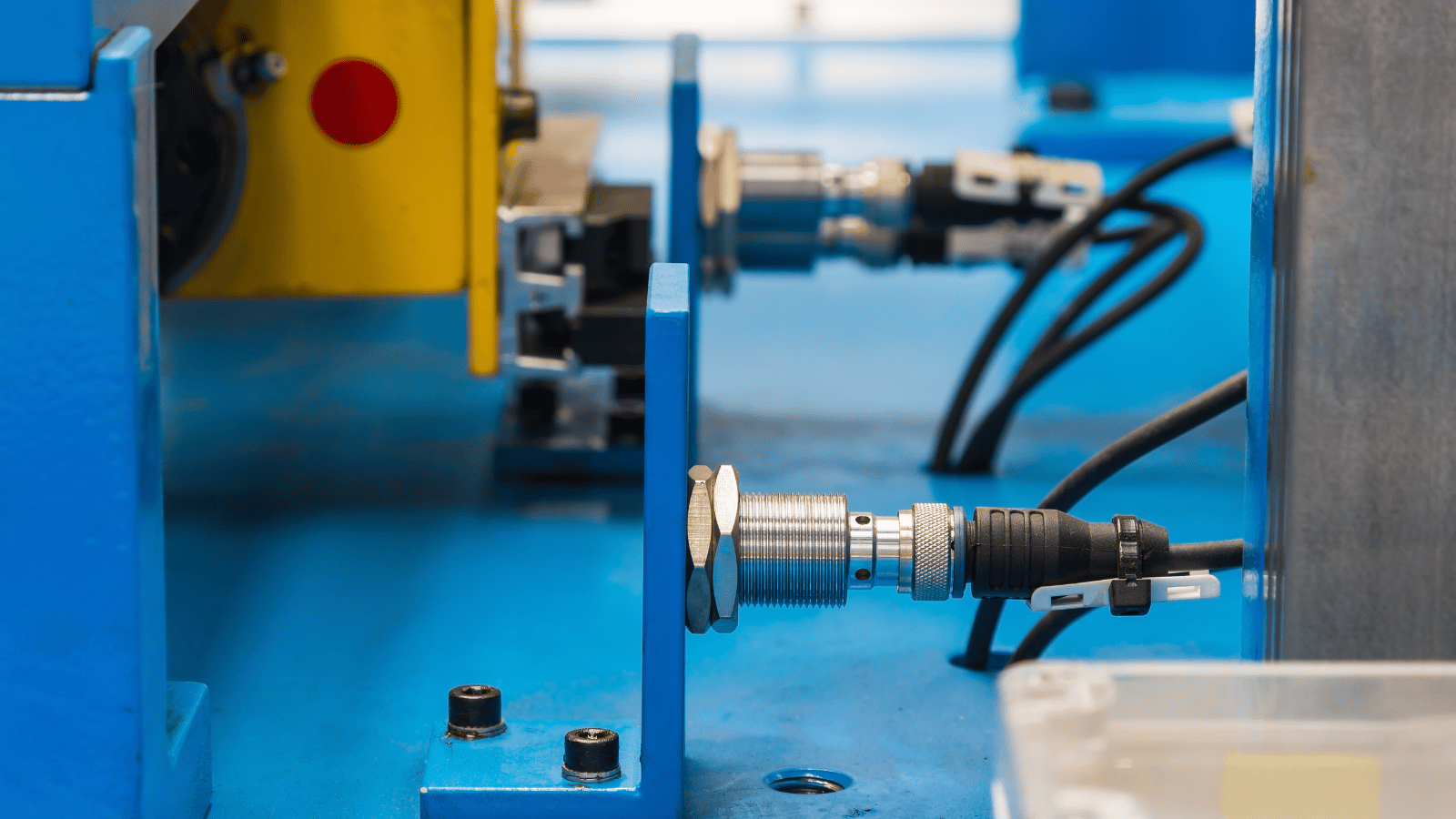
You may have noticed that the future of global production has been significantly and permanently impacted by the development of intelligent manufacturing. In order to improve the performance, quality, controllability, management, and transparency of manufacturing processes in the era of the Internet of Things (IoT), Industry 4.0-based smart factories combine physical and virtual technologies, making the associated technologies more complex and accurate.
For manufacturing firms and supply chains to collect data and use it for efficient performance, advanced low-cost sensor technologies are crucial. Various low-power and low-cost sensor types enable significantly increased data collection on various devices throughout the production processes.
This article identifies the various Industry 4.0 sensor technologies that help smart manufacturing.
The article covers:
- How Industrial Sensors Work
- Key Sensors in Smart Manufacturing
- FAQs About Industrial Sensors in Smart Manufacturing
How Industrial Sensors Work
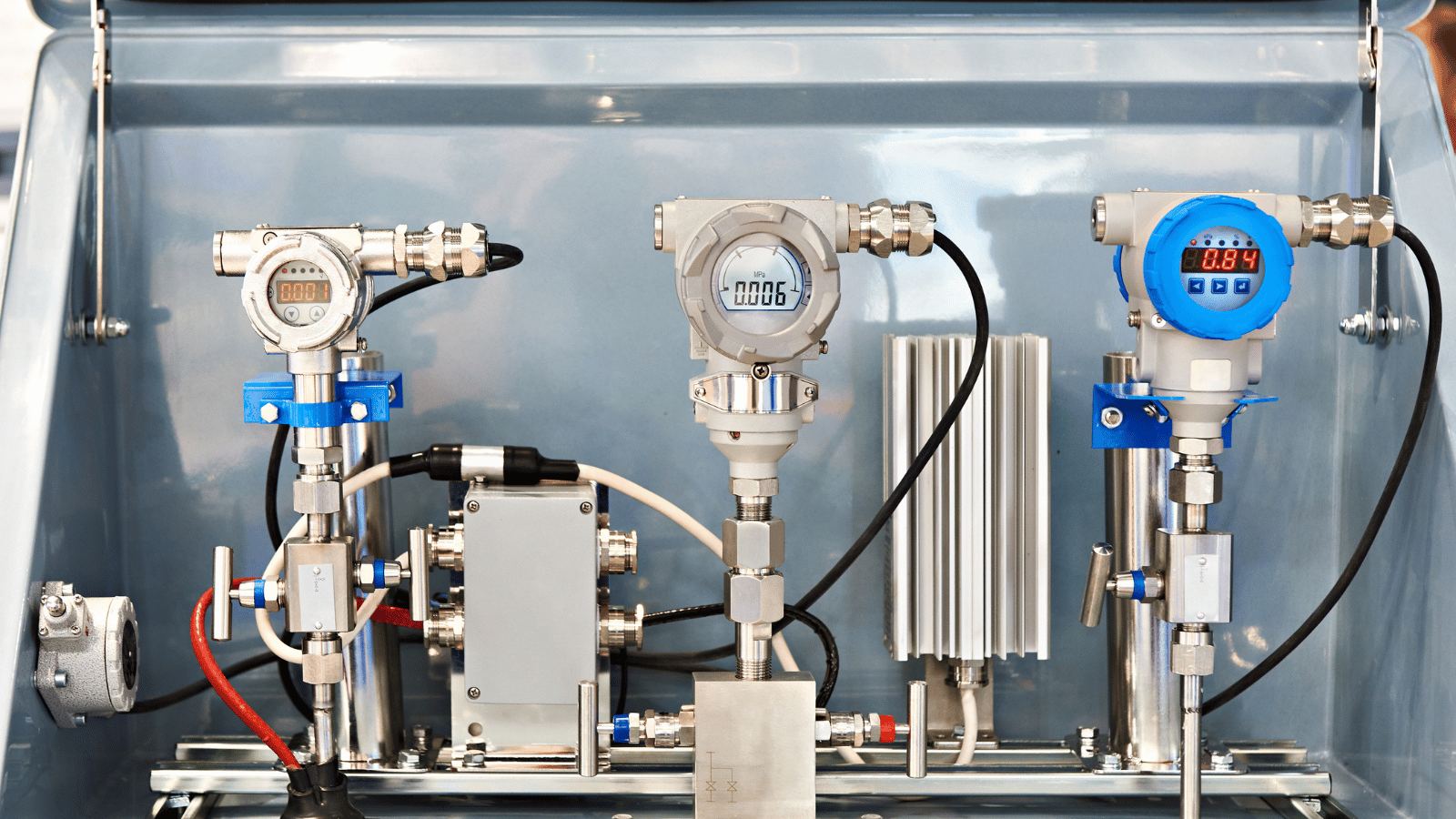
Sensors are devices with the capacity to self-organise, learn, and retain ambient data in order to assess abilities and behaviours. As a result, sensors are able to make choices that allow them to adapt to environmental changes.
In this context, interoperability becomes important. By connecting various devices, coordination between them can be improved, enabling flexibility in the production system’s setup protocols. Plus, smart factories can have a high degree of process integration due to robots and artificial intelligence (AI). AI, combined with the incorporation of human intelligence, enables factories to perform analysis and decision-making at the endpoint.
Key Sensors in Smart Manufacturing
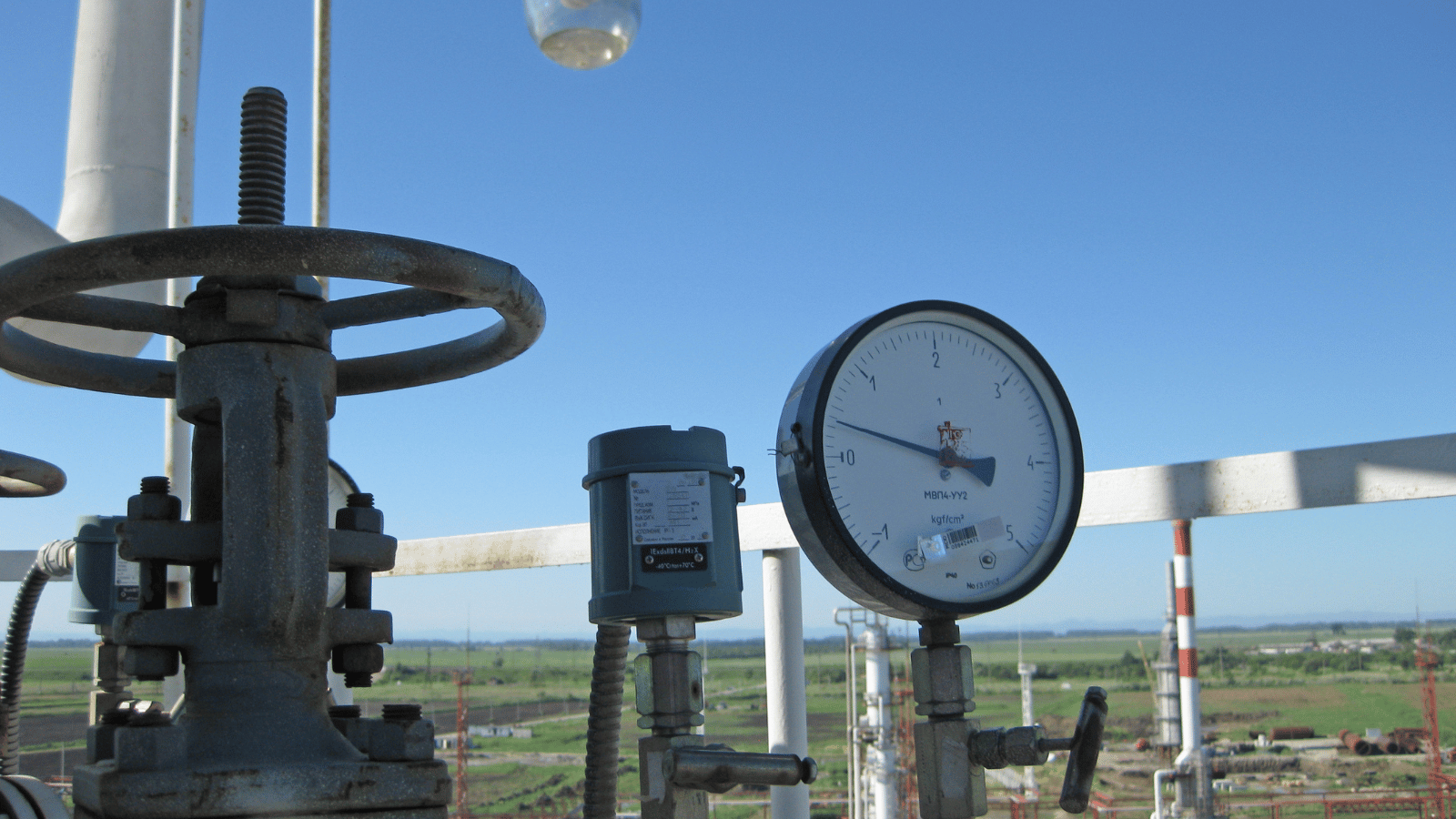
Flow Sensors
Flow sensors can detect the flow of liquids, gases, or solids through a conduit or pipe. These sensors enable the gear to operate at its best performance level and are widely used in the processing sectors.
Flow sensors can be partially mechanical or electronic, utilising ultrasonic flow sensing. They are also utilised in medical ventilators, where patients require the proper rate of oxygen and air delivery to breathe.
Passive Sensors
Different technologies characterise the modern production system, but sensors, actuators, effectors, controllers, and control loops are the most commonly employed.
In a smart factory, sensors are essential because they gather precise data and incorporate it into the production processes to improve the quality of the final product. Sensors are electrical, opto-electrical, or electronic devices made of sensitive materials that aid in identifying the existence of a specific object or function.
Sensors are frequently used to convert a physical stimulus into an electrical signal, which may subsequently be assessed and analysed to make judgements on the processes being performed.
The sensor needs a specific physical stimulation to function when it is operating actively. Colour identification sensors, for instance, are active because they require visible light to illuminate the object in order for the sensor to detect a physical stimulation.
In the passive situation, the physical stimulation is already present and does not need to be delivered. For instance, since the stimulus is already produced by infrared radiation that is connected to a body’s temperature, infrared devices are passive.
Force Sensors
The purpose of force sensors is to convert applied forces (compressive, tensile, etc.) into electrical signals that indicate the force’s magnitude.
These signals are then transmitted to computers, controllers, or indicators that either provide operators with information about the operations or act as inputs to help control machinery and processes.
Depending on the kind of force being measured, smart factories employ a range of force sensors.
Temperature Sensors
Temperature is one of the most important characteristics to measure and control in industrial operations since it has a direct impact on material properties and product quality.
A temperature sensor is a device that can gather temperature-related data from a resource and transform it into data that another device can comprehend.
The thermal properties of gases, liquids, and solids can be measured by these sensors. Recent years have seen the development of a number of temperature sensors that are suitable for use in chemically and electrically hazardous situations.
Position Sensors
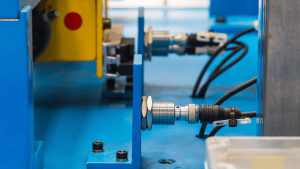
The locations of doors, throttles, valves, and other components are detected by these sensors.
Position sensors include location tracking capabilities that aid in pinpointing the exact locations of tools, work-in-progress, and other production-related objects inside the building.
In this context, motion sensors and proximity sensors are noteworthy because they perform comparable tasks to position sensors, such as activating a floodlight by detecting an object’s movement.
Pressure Sensors
Pressure sensors are able to record changes in pressure and convert them into an electrical signal whose quantity is determined by the applied pressure.
These are electro-mechanical devices that detect force in liquids or gases and give display devices control signals. Changes in the atmosphere can also be detected by these sensors.
Smart Sensors
Smart sensors, along with other recent technological developments, have garnered attention due to their potential importance and wide variety of applications.
Ordinary sensors have evolved into smart sensors with the ability to perform intricate calculations using gathered data due to the integration of computing and IoT in industrial operations. Smart sensors have grown surprisingly compact and incredibly adaptable in addition to their expanded capabilities, transforming large equipment into high-tech intelligence.
Smart sensors are now capable of detection and self-awareness thanks to their digital interfaces, embedded algorithms, and signal conditioning.
These sensors are designed to function as Internet of Things components, transforming real-time data into digital information that can be sent to a gateway.
How Cerexio Track & Trace Uses AI and Industrial Sensors to Improve Manufacturing Quality Management
It is time to improve manufacturing quality management with the Cerexio Track & Trace System, integrating AI, IoT-enabled industrial sensors, and Industry 4.0 technologies. With our software solution, you can capture real-time production data, monitor process conditions, trace materials, and detect quality deviations early.
Its intelligent analytics help you identify recurring defects, strengthen traceability, reduce waste, and maintain consistent standards. Smoothly automate quality monitoring, improve production visibility, and make data-driven decisions to enhance efficiency and product reliability with the Cerexio Solution now.
Call for a free demo.
Cerexio-Your Product Quality Under Digital Eye
FAQs About Industrial Sensors in Smart Manufacturing
Industrial sensors are devices that measure variables like humidity, temperature, pressure, and vibration, allowing producers to keep an eye on machinery and streamline production procedures.
Common industrial sensors contain sensors for temperature, pressure, proximity, vibration, optical, flow, and humidity that facilitate process optimisation, automation, quality control, and equipment monitoring.
Industrial sensors gather operational data in real time to assist manufacturers in identifying anomalies, cutting downtime, enhancing product quality, optimising resource usage, and supporting data-driven choices.
IoT links industrial sensors to monitoring systems, and artificial intelligence (AI) examines gathered data to find trends, forecast equipment breakdowns, automate choices, and enhance factory efficiency.