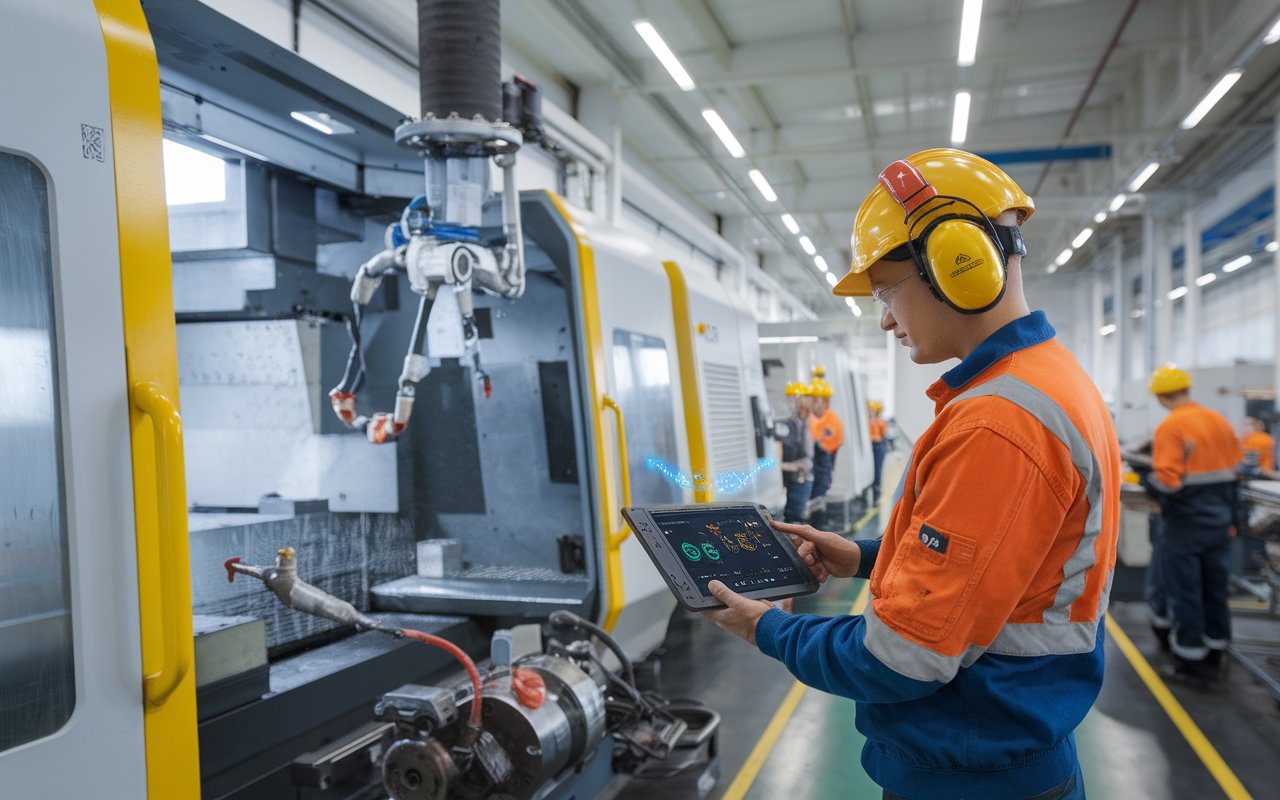
Picture this: Walking into a smart office where the lights automatically adjust to your preferences, meeting rooms reserve themselves based on your calendar, air conditioning adapts to occupancy levels, and artificial intelligence recommends maintenance before equipment fails. While many people would call this the Internet of Things (IoT), the reality is much broader.
Behind every connected device is a network of people, data, processes, and intelligent systems working together to create meaningful outcomes. This larger vision is known as the Internet of Everything (IoE).
As digital transformation accelerates across industries, the terms IoT and IoE are often used interchangeably. Although they are closely related, they represent different concepts with distinct goals and capabilities.
This article explores what IoT and IoE mean, how they differ, and why understanding their relationship is essential for businesses preparing for the future.
We reveal
- What Is the Internet of Things (IoT)?
- What Is the Internet of Everything (IoE)?
- Why People Confuse IoT and IoE
- Internet of Things vs. Internet of Everything: 8 Key Differences
- Which One Should Businesses Focus On?
- Challenges of Implementing IoT and IoE
- FAQs About Key Differences Between Internet of Things And Internet of Everything
What Is the Internet of Things (IoT)?
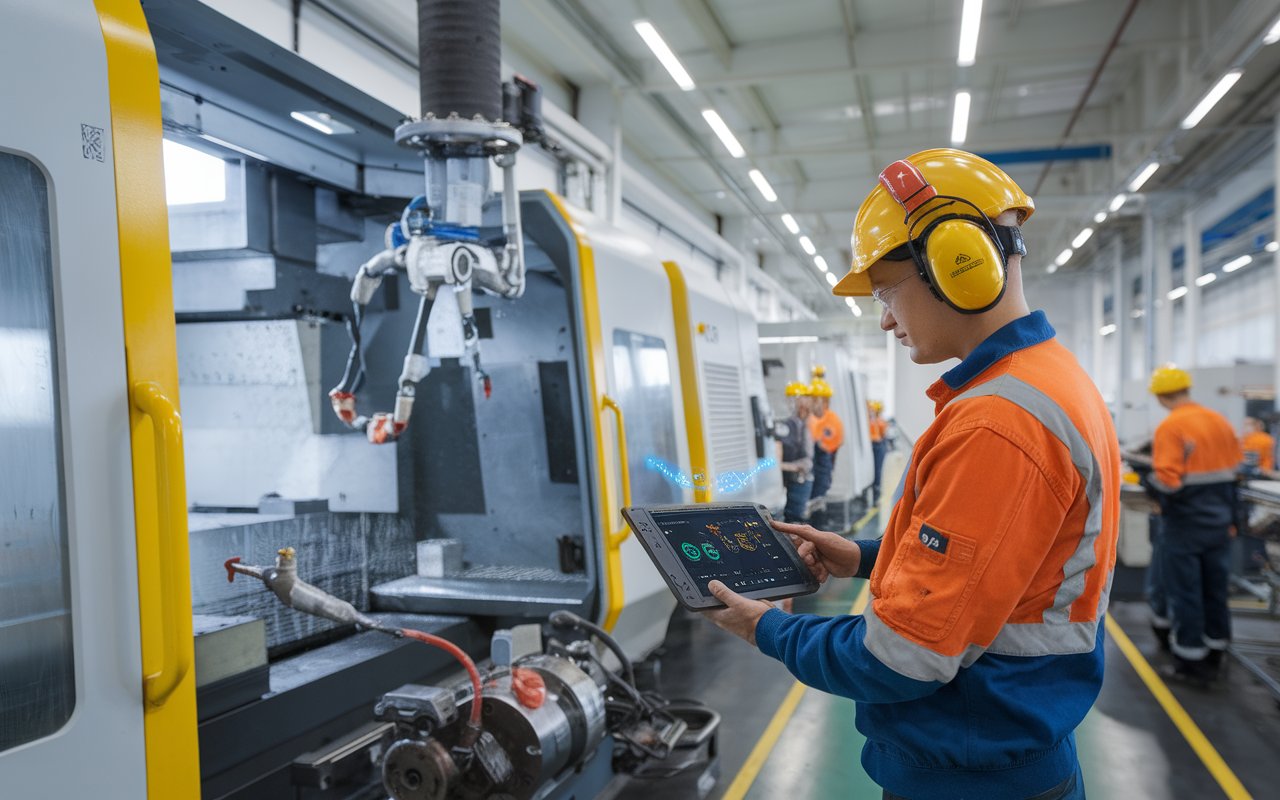
The Internet of Things (IoT) refers to a network of physical devices connected to the internet that collect, exchange, and analyse data. These devices include sensors, cameras, industrial equipment, vehicles, wearable technology, household appliances, and countless other assets capable of communicating without requiring constant human intervention.
The concept emerged from the growing ability to embed sensors and communication technologies into everyday objects.
Instead of operating independently, devices began sharing information with centralised platforms, enabling organisations to monitor assets remotely, automate repetitive tasks, and improve operational efficiency.
Today, IoT serves as the technological foundation for smart homes, smart factories, connected healthcare systems, precision agriculture, intelligent transportation, and modern supply chains.
A manufacturing company, for example, may install sensors on production equipment to continuously monitor temperature, vibration, and energy consumption. Rather than waiting for machinery to fail, engineers receive real-time alerts whenever performance deviates from normal operating conditions. This predictive approach reduces downtime, minimises maintenance costs, and extends equipment lifespan. Similar applications exist across nearly every industry, demonstrating how IoT transforms raw operational data into actionable insights.
Although IoT excels at connecting devices, its primary focus remains on machine-to-machine communication and data collection.
The technology emphasises connectivity, monitoring, and automation, enabling organisations to improve efficiency through intelligent devices that operate within a connected digital environment.
Key Takeaways
- IoT connects devices, while IoE connects devices, people, processes, and data.
- IoE expands IoT capabilities with AI, automation, and intelligent decision-making.
- IoT serves as the foundation for building comprehensive IoE ecosystems.
- Understanding the differences helps businesses develop smarter digital transformation strategies.
What Is the Internet of Everything (IoE)?

The Internet of Everything (IoE) expands the idea of connected devices by integrating people, processes, data, and things into a unified digital ecosystem.
Rather than concentrating solely on devices exchanging information, IoE focuses on creating meaningful interactions between every component involved in a connected environment.
Think of IoT as collecting puzzle pieces while IoE assembles the entire picture. Connected sensors may gather information from machines, but IoE determines how that information reaches decision-makers, supports automated business workflows, enhances customer experiences, and generates valuable insights through artificial intelligence and advanced analytics.
Consider a smart hospital. Medical devices monitor patient vital signs, wearable sensors transmit health information, AI systems analyse potential risks, healthcare professionals receive prioritised alerts, and administrative workflows automatically schedule follow-up care.
Each component contributes to a seamless healthcare experience that extends beyond simple device connectivity. This holistic integration represents the essence of IoE.
Organisations adopting IoE view technology not merely as a collection of connected assets but as an intelligent ecosystem where every interaction creates additional value—the objective shifts from simply connecting devices to enabling collaboration among technology, people, and business processes.
As artificial intelligence, cloud computing, edge computing, and advanced analytics continue evolving, IoE becomes an increasingly powerful framework for digital transformation.
Why People Confuse IoT and IoE
The confusion between IoT and IoE stems from their shared reliance on connected technologies. Both involve internet-enabled devices, sensors, real-time communication, cloud platforms, and data analytics. As a result, many people assume they describe the same concept using different terminology.
However, the distinction becomes clearer when examining their objectives. IoT primarily focuses on establishing communication between physical devices, allowing machines to collect and exchange information.
IoE builds upon this foundation by incorporating human interaction, intelligent decision-making, automated workflows, and organisational processes into the connected ecosystem. In other words, IoT answers the question of how devices communicate, while IoE addresses how entire systems collaborate to produce meaningful business outcomes.
Another reason for the misunderstanding is that many organisations begin their digital transformation journey with IoT projects before gradually expanding into IoE strategies. Installing smart sensors, monitoring equipment remotely, and collecting operational data are often the first steps.
Over time, companies integrate AI, enterprise software, predictive analytics, customer engagement platforms, and business automation, naturally evolving from IoT implementations into comprehensive IoE ecosystems.
Although every IoE solution incorporates IoT technologies, not every IoT deployment becomes an Internet of Everything environment. Recognising this relationship helps organisations plan scalable digital transformation strategies that extend beyond device connectivity alone.
Internet of Things vs. Internet of Everything: 8 Key Differences
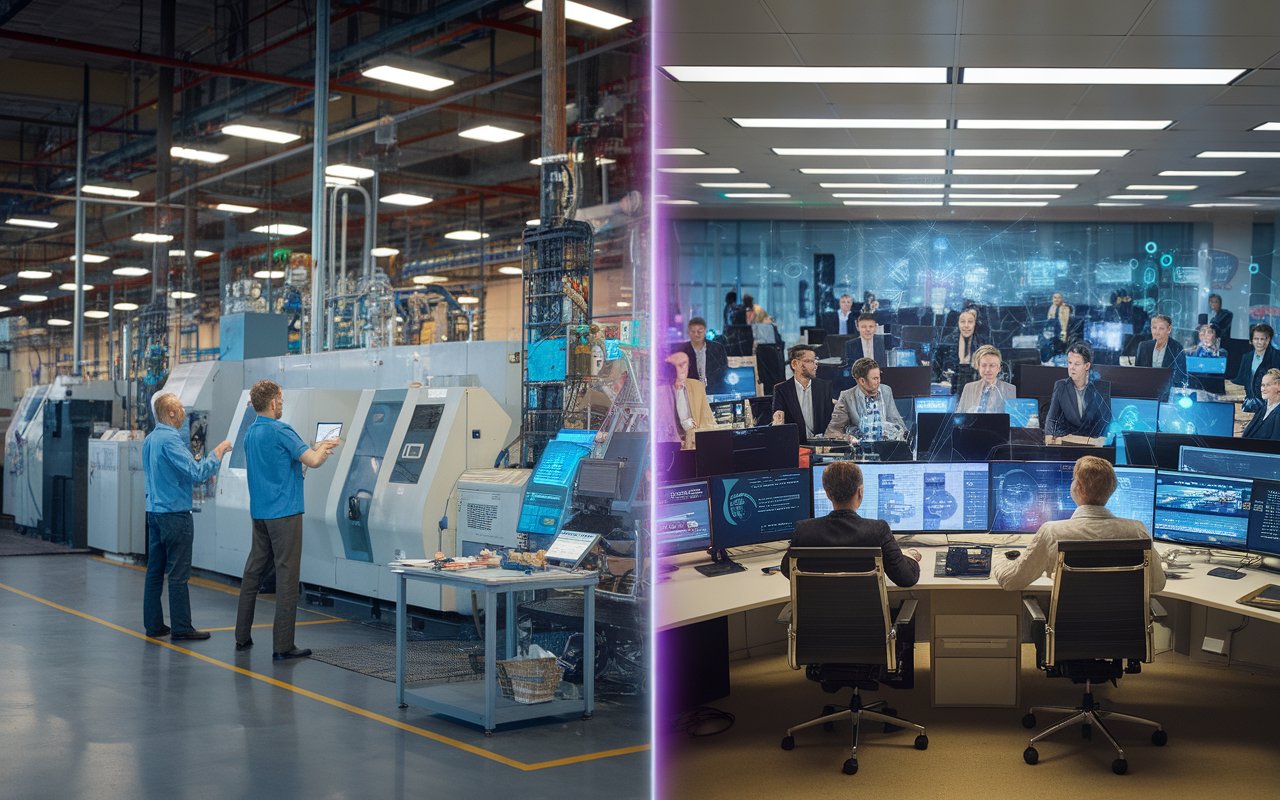
Key Differences compares the scope, architecture, intelligence, and business value of IoT and IoE, helping organisations understand how each technology supports digital transformation.
1. Core Focus and Definition
The Internet of Things focuses on connecting physical devices so they can collect and exchange data automatically. The Internet of Everything builds upon IoT by connecting not only devices but also people, business processes, and data.
While IoT emphasises connectivity, IoE prioritises creating intelligent ecosystems where every connection generates measurable value and supports informed decision-making.
2. Scope of Connectivity
IoT primarily connects machines, sensors, and smart devices within a network. IoE significantly broadens this scope by integrating human interactions, enterprise applications, cloud platforms, artificial intelligence, and automated workflows.
This wider perspective enables organisations to create seamless digital experiences that extend far beyond simple machine-to-machine communication and data sharing.
3. Components Involved
An IoT ecosystem mainly consists of connected devices, sensors, gateways, communication networks, and cloud platforms.
IoE incorporates all these components while adding people, business processes, advanced analytics, AI models, and enterprise systems.
These additional elements transform isolated connected devices into collaborative ecosystems capable of supporting strategic business objectives and continuous innovation.
4. Data Processing and Intelligence
IoT systems collect and transmit large volumes of operational data for monitoring and automation. IoE goes further by transforming this data into actionable intelligence through artificial intelligence, machine learning, predictive analytics, and contextual decision-making.
The emphasis shifts from gathering information to generating insights that improve operational efficiency and business performance.
5. Business Applications
IoT applications typically focus on monitoring equipment, tracking assets, automating industrial processes, and collecting environmental data. IoE supports broader organisational transformation by connecting departments, customers, suppliers, employees, and intelligent technologies within a unified ecosystem.
This holistic approach enables smarter business models, enhanced customer experiences, and enterprise-wide digital innovation.
6. Decision-Making Capabilities
IoT enables automated responses based on predefined rules and sensor inputs. IoE enhances decision-making by combining real-time data with contextual information, artificial intelligence, and business processes.
This integration allows organisations to make faster, more accurate, and increasingly autonomous decisions that align with operational goals and long-term strategic objectives.
7. Value Creation
The primary value of IoT lies in improving efficiency through connected devices, automation, and real-time monitoring.
IoE creates additional value by connecting every stakeholder within a digital ecosystem, enabling collaboration, innovation, personalised experiences, and data-driven business transformation.
The focus extends from operational improvements to the creation of sustainable competitive advantages.
8. Future Potential
IoT continues to evolve as more devices become internet-enabled across industries. IoE represents the future direction of digital transformation by combining connected technologies with artificial intelligence, edge computing, digital twins, and intelligent automation.
As organisations pursue smarter ecosystems, IoE offers a more comprehensive framework for driving long-term innovation and business growth.
Which One Should Businesses Focus On?
For most organisations, choosing between IoT and IoE is not a matter of selecting one over the other, but rather of understanding where they are in their digital transformation journey. IoT often serves as the starting point because businesses first need reliable connectivity between their physical assets.
Installing sensors, collecting operational data, and automating routine processes provide the foundation upon which more advanced capabilities can be built.
As organisations mature, however, the limitations of standalone IoT deployments become increasingly apparent. Massive volumes of data hold little value if they remain isolated within individual systems or departments.
Businesses need technologies that can connect this information with enterprise applications, customer interactions, operational workflows, and intelligent analytics.
This is where IoE delivers greater strategic value.
By integrating devices with people, processes, and data, organisations gain a comprehensive view of their operations, allowing them to make better decisions and respond more quickly to changing business conditions.
A logistics company offers an excellent example of this progression. Initially, IoT sensors may simply track vehicle locations and fuel consumption. As the company evolves toward an IoE strategy, those same data streams integrate with route optimisation software, weather forecasts, customer delivery schedules, warehouse operations, and AI-powered planning tools.
Instead of merely monitoring trucks, the organisation optimises its entire supply chain ecosystem. Businesses seeking long-term competitiveness should therefore view IoT as a foundational technology and IoE as the broader strategy that unlocks its full potential.
Challenges of Implementing IoT and IoE
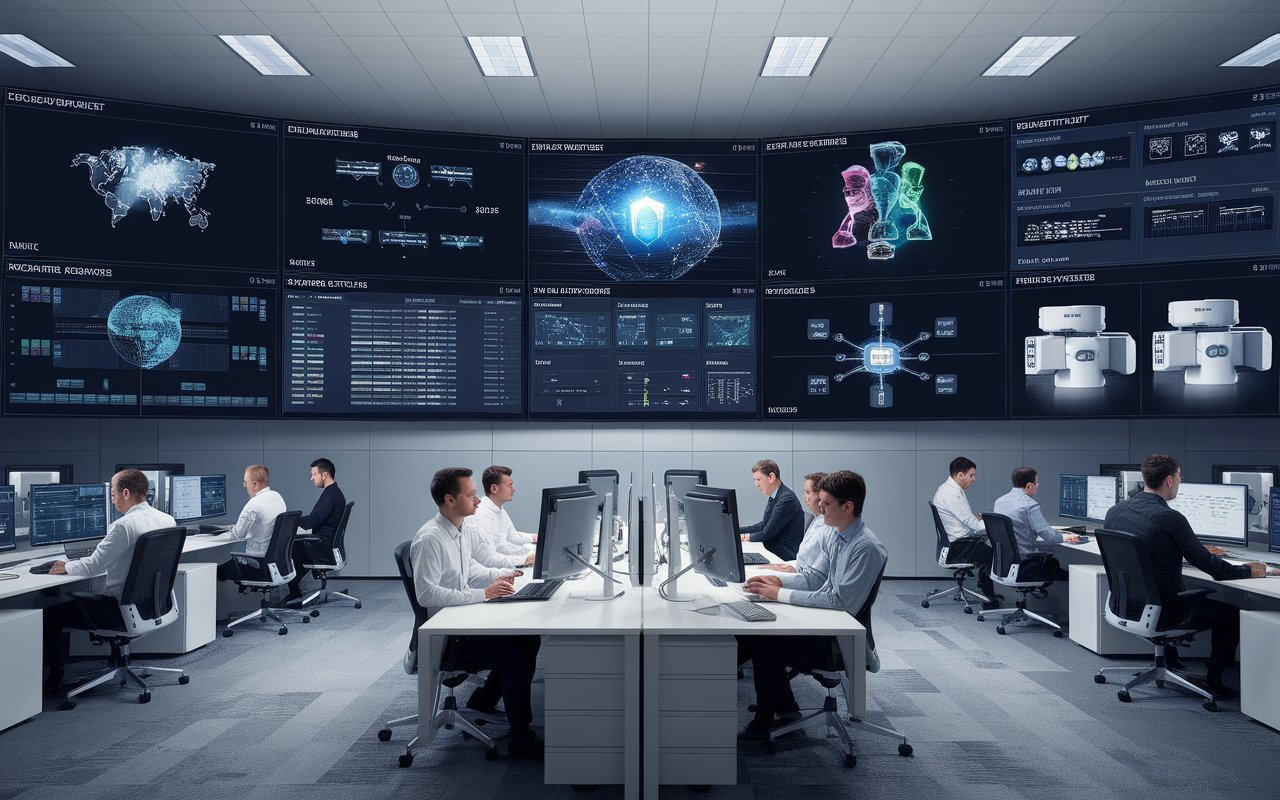
Although both IoT and IoE offer significant opportunities, implementing them successfully requires more than purchasing connected devices or deploying new software. Organisations must overcome technical, operational, and organisational challenges to realise the full benefits of connected ecosystems.
- Without a clear strategy, even the most advanced technologies can result in fragmented systems, security vulnerabilities, and underutilised data.
- One of the biggest challenges is integrating legacy infrastructure with modern connected technologies. Many organisations still rely on older equipment and enterprise systems that were never designed to communicate with IoT platforms or cloud-based applications.
- Creating seamless interoperability often requires middleware, standardised communication protocols, and careful migration planning to prevent operational disruptions. As businesses expand toward IoE, the complexity increases because additional systems, departments, and stakeholders must also be integrated.
- Cybersecurity presents another major concern. Every connected sensor, gateway, application, and communication channel represents a potential entry point for cyberattacks.
- While IoT deployments primarily focus on securing devices and networks, IoE environments must also protect sensitive business processes, customer information, artificial intelligence models, and enterprise applications.
- Organisations, therefore, need comprehensive security frameworks that include encryption, identity management, continuous monitoring, and zero-trust security principles to safeguard increasingly interconnected ecosystems.
- Data management also becomes significantly more challenging as connected environments grow. Thousands of devices can generate enormous volumes of structured and unstructured information every second. Without effective data governance, organisations may struggle with inconsistent data quality, duplicate information, storage limitations, and delayed decision-making. Successful IoE implementations require robust data architectures that can collect, organise, analyse, and distribute information efficiently across multiple business functions.
- Beyond technology, organisational readiness often determines project success. Employees must adapt to new workflows, decision-making processes, and digital tools that fundamentally change how work is performed.
- Leadership must also foster collaboration between IT teams, operational departments, and business managers to ensure technology investments align with strategic objectives. Organisations that prioritise change management, employee training, and cross-functional collaboration are far more likely to achieve sustainable digital transformation than those focusing solely on technology deployment.
Why Understanding Internet of Things vs. Internet of Everything Matters
The Internet of Things and the Internet of Everything are closely connected, but they represent different stages of digital transformation. IoT establishes the foundation by connecting physical devices and enabling real-time data collection.
At the same time, IoE expands this capability by integrating people, processes, data, and intelligent technologies into a unified ecosystem. Together, they enable organisations to move beyond simple connectivity toward smarter operations, better decision-making, and greater business value.
As industries continue embracing automation, artificial intelligence, and data-driven innovation, understanding the distinction between IoT and IoE becomes increasingly important. Businesses that recognise IoT as the starting point and IoE as the broader strategic vision can build scalable, future-ready ecosystems that deliver lasting competitive advantages.
Rather than viewing them as competing concepts, organisations should see IoT and IoE as complementary technologies working together to shape the next generation of connected enterprises.
FAQs About Key Differences Between Internet of Things And Internet of Everything
IoT architecture focuses on connecting physical devices for data collection and communication. IoE architecture extends this by integrating people, processes, data, and intelligent applications, creating a unified ecosystem that enables automated decision-making and enterprise-wide digital transformation.
Edge computing processes data closer to connected devices, reducing latency and bandwidth usage. In IoE environments, it also enables real-time analytics, AI-driven decisions, and seamless coordination between distributed devices, enterprise systems, and cloud platforms.
Artificial intelligence transforms IoE by interpreting data from multiple connected sources, identifying patterns, predicting outcomes, and automating decisions. While IoT primarily collects data, IoE relies on AI to generate contextual insights and continuously optimise business processes.
IoT and IoE commonly use MQTT, CoAP, HTTP, AMQP, Zigbee, Bluetooth Low Energy, Wi-Fi, and 5G. These protocols enable secure, reliable, and scalable communication between connected devices, applications, cloud services, and enterprise systems.
IoE enhances interoperability by integrating IoT data with enterprise applications, AI platforms, business workflows, and cloud services. This unified architecture enables standardised data exchange, eliminates information silos, and supports real-time collaboration across organisational functions.