
In order to manage ageing infrastructure, fulfil efficiency targets, and respond to unplanned equipment breakdowns, manufacturing facility and maintenance teams are under growing pressure to do more with less. Many facility managers say they are understaffed, while most of them anticipate a rise in work order quantities.
This is why AI-backed workflows are being used by many industrial businesses to improve operations and deploy more intelligent, strategic tactics, such as prescriptive maintenance plans.
This article covers everything about the use of prescriptive maintenance in manufacturing and how it helps your manufacturing business.
What is Prescriptive Maintenance?

The main fact about the latter is that AI and machine learning are used in prescriptive maintenance to forecast equipment problems and suggest certain preventative measures. In order to make the best maintenance choices, it also takes into account operational context, real-time data, and financial consequences.
There are several advantages of putting a prescriptive maintenance plan into action. Teams may increase uptime, reduce expenses, enhance safety and compliance, prolong the life of equipment, and maximise operational effectiveness.
Prescriptive maintenance makes use of artificial intelligence (AI) and sophisticated analytics to forecast potential equipment faults and suggest preventative measures. In order to make the best maintenance decisions, it assists teams in taking into account more factors than typical preventative methods, such as operational context, real-time data, and cost implications.
Key Takeaways
- Prescriptive maintenance helps manufacturers determine the most suitable actions to prevent equipment failures and reduce downtime.
- Data-driven insights can support better maintenance scheduling, resource allocation, and equipment performance.
- A prescriptive maintenance approach can extend asset lifespan, control maintenance costs, and improve overall production efficiency.
What Advantages Do Prescriptive Maintenance Plans Offer?
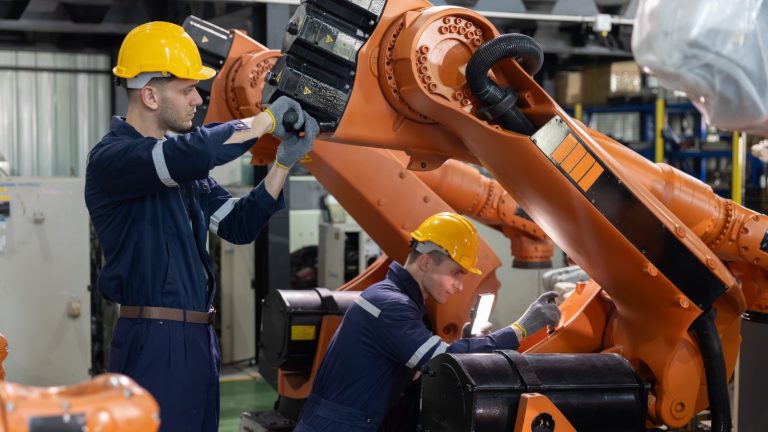
In the end, improved asset management and a more dependable infrastructure result from teams using prescriptive maintenance to make sure their work is timely, focused, and economical.
Optimised Asset Utilisation and Uptime
Prescriptive maintenance uses data to predict and prevent breakdowns, assisting manufacturing organisations in transitioning from reactive to proactive operations.
Maintenance teams may take action based on real-time data, keeping equipment operating efficiently and reducing downtime, rather than waiting for malfunctions or depending on strict set schedules.
Significant Cost Reductions
By removing needless effort and preventing emergency repairs, prescriptive maintenance assists manufacturing facilities and maintenance teams in cutting expenses.
By anticipating utilisation rates for parts and materials, it supports more accurate planning and budgeting and helps teams manage resources more efficiently, avoid overtime, and maximise inventory.
Enhanced Adherence to Safety Regulations
Maintenance crews can utilise prescriptive maintenance to support both safety and compliance in regulated contexts by making sure equipment performs within safe limitations. Digital records make audits and reporting easier, and early warnings enable teams to address hazards before they become incidents.
Additionally, the technology enables them to monitor maintenance records, which makes it simple to demonstrate adherence to safety regulations.
Longer Equipment Lifespans
Facility teams that employ prescriptive maintenance can prolong asset life cycles by addressing wear and tear before it worsens. Additionally, it assists teams in modifying usage habits to lessen equipment stress, enhancing long-term performance and ROI.
The system recommends a lubrication and recalibration schedule when it sees early indications of joint fatigue. Early intervention improves asset utilisation, delays the need for expensive replacements, and stops additional deterioration.
Enhanced Operational Effectiveness
Prescriptive maintenance minimises interruptions and enhances workflow by assisting teams in coordinating maintenance tasks with production schedules.
They can turn maintenance into a planned aspect of operations rather than a reactive one.
Data-Driven Choices
Teams are empowered by prescriptive maintenance, which provides insights based on real-time data and past trends.
Recommendations are constantly improved by AI and machine learning, assisting managers in making wiser choices and adjusting to shifting circumstances.
How a Prescriptive Maintenance Plan is Established
Establishing a prescriptive maintenance plan can greatly improve your production operations’ dependability and efficiency.
- Determine the Essential Resources: Determine which systems and equipment are most important to your business first. Concentrate on resources that significantly affect cost, safety, and productivity.
- Collect Information: Gather data from your vital assets, both past and present. Create an extensive dataset using sensors, IoT devices, and current maintenance records.
- Establish Maintenance Objectives: Clearly state your maintenance objectives, such as lowering expenses, increasing safety, and minimising downtime. Align these objectives with your overarching business goals.
- Configure Alerts and Monitoring: Set up notifications for abnormalities and configure the system to track key performance indicators (KPIs). Notifications in real time will assist you in resolving problems before they become serious.
- Create Practical Protocols: For every suggested activity, provide thorough protocols. Make sure these procedures are simple to follow and contain precise instructions for fixes, replacements, and modifications.
- Educate Your Employees: Teach the prescriptive maintenance system to your maintenance staff. To make sure people feel at ease and confident using the technology, hold workshops and offer continuing assistance.
- Observe and Modify: Keep an eye on how well your prescriptive maintenance plan is working. Utilise data and user comments to modify and enhance the system over time.
How Cerexio MES Enables Prescriptive Maintenance in Manufacturing with Industry 4.0
Optimising manufacturing maintenance is now easy with Cerexio MES. Since our software solution uses Industry 4.0 capabilities, it helps you enable smarter prescriptive maintenance. By combining real-time production data, IoT connectivity, intelligent analytics, automation, and predictive insights, manufacturers can identify potential equipment issues and recommend timely actions.
The Cerexio MES helps reduce unplanned downtime, optimise maintenance schedules, extend asset life, improve production efficiency, control costs, and support reliable, data-driven operations.
Call for a free demo.
Cerexio-Where Digital Excellence Begins
FAQs About Prescriptive Maintenance in Manufacturing
Prescriptive maintenance helps manufacturers avoid problems, maximise resources, and enhance equipment performance by using AI, machine learning, and operational data to suggest particular maintenance tasks.
It evaluates equipment conditions, past data, and anticipated failure risks before suggesting the best maintenance plans, schedules, or interventions in accordance with operational needs and priorities.
Benefits include less downtime, more cost-effective maintenance plans, enhanced asset dependability, better resource management, longer equipment lifespans, and better maintenance decision-making.
Predictive maintenance predicts potential equipment problems, but prescriptive maintenance takes one step further by suggesting particular steps to avoid failures and maximise maintenance results.