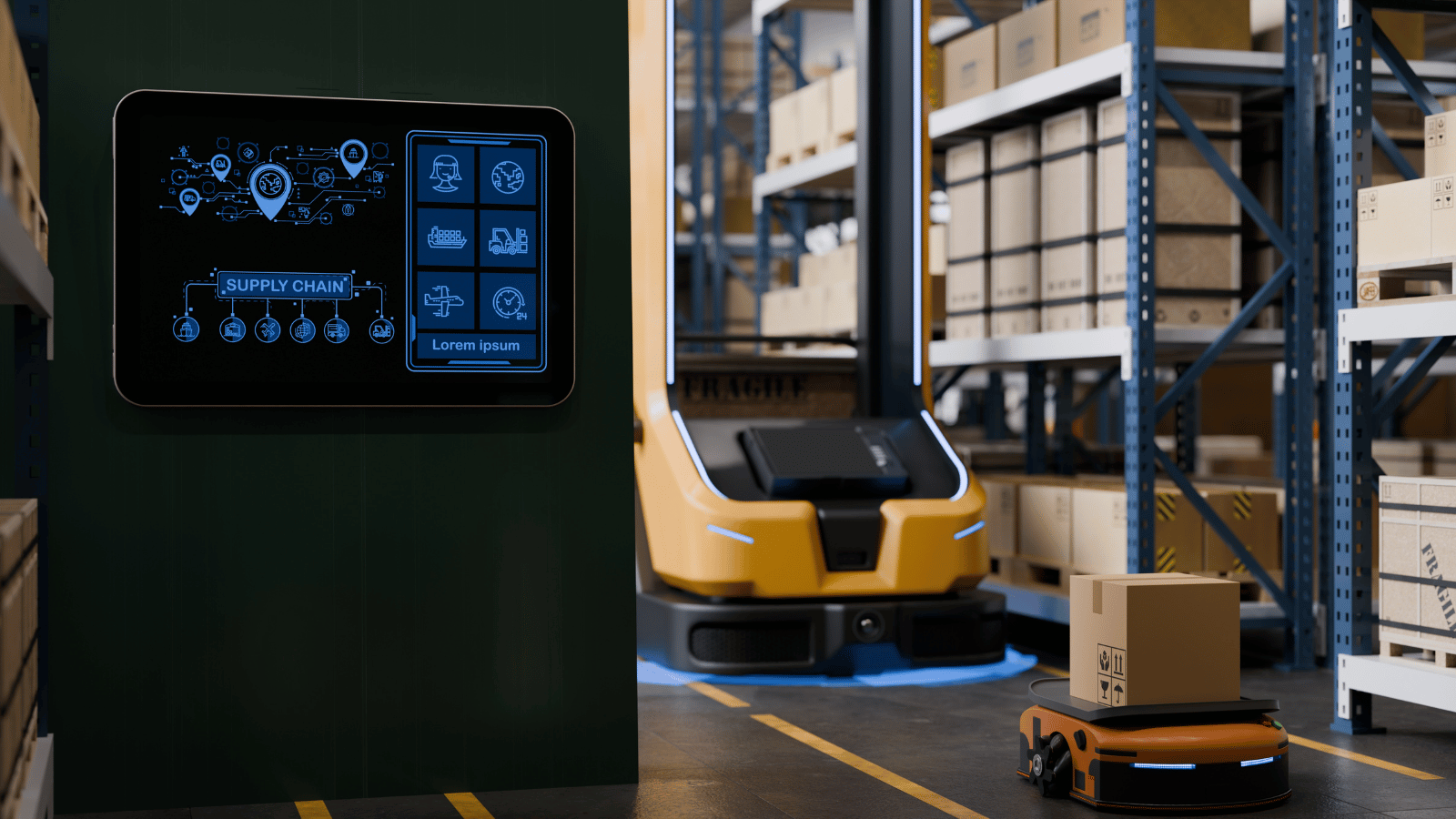
The global industrial landscape is undergoing a digital transition, which has increased demand for supply chain systems that are more durable, efficient, and adaptable. This is where the Artificial Intelligence (AI) technology integration has emerged as a key tactic in tackling the difficulties of growing market complexity, demand volatility, and supply time constraints.
In this article, we assess how AI enhances performance and plays a strategic role in industrial supply chain optimisation.
The article uncovers
- Artificial Intelligence’s Strategic Contribution to Industrial Supply Chain Optimisation
- How AI Empowers Supply Chain Optimisation
- FAQs About AI Predictive Analytics in Industrial Supply Chains
Artificial Intelligence's Strategic Contribution to Industrial Supply Chain Optimisation
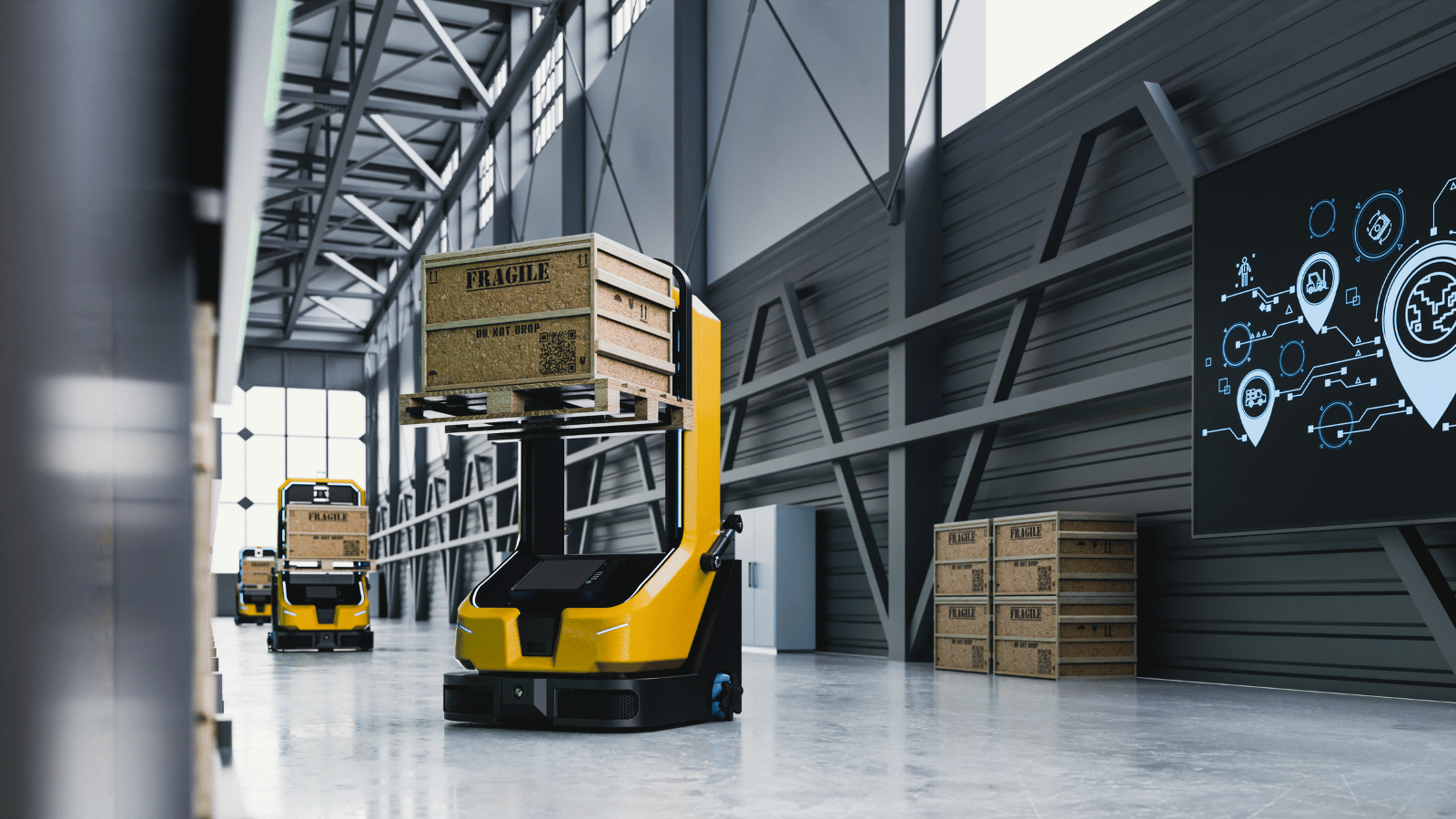
The foundation of supply chain management’s digital revolution is artificial intelligence (AI), which is a critical tool at every level of industrial logistics operations due to its capacity to adaptively handle data complexity and market dynamics.
Machine learning algorithms and predictive analytics allow businesses to create demand prediction models at the demand planning stage that are both historical and sensitive to outside factors like consumer behaviour, market trends, and seasonal variations.
This strategy greatly increases the accuracy of demand forecasting while lowering reliance on traditional techniques, which are inflexible and less adaptable in the face of swift changes in the global economic environment.
How AI Empowers Supply Chain Optimisation
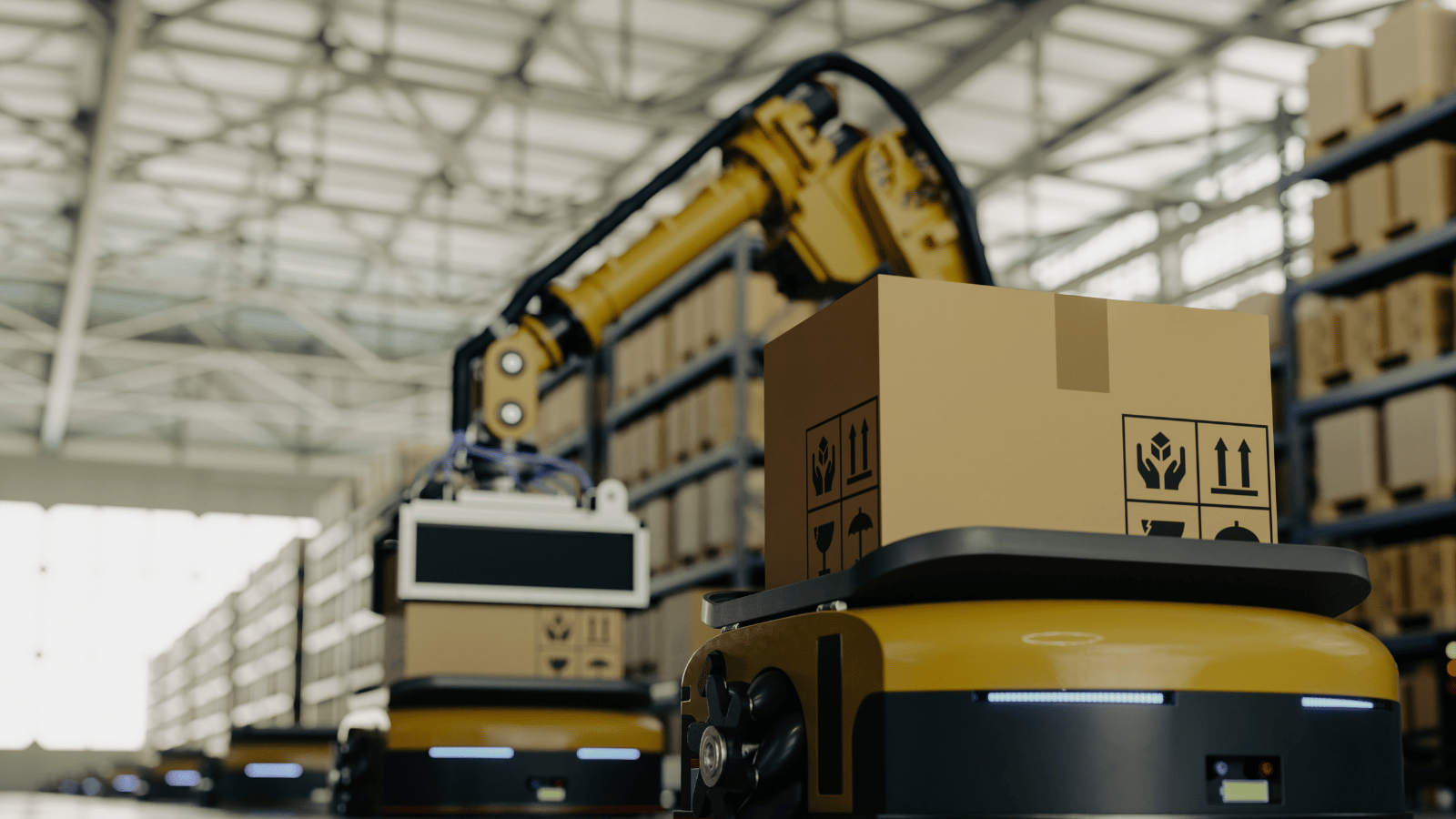
In the section below, we explore how AI has been boosting supply chain management :-
AI Enhances Inventory Management
AI’s superiority in inventory management is demonstrated by intelligent systems that can process inventory data in real time and make automated decisions about product rotation, warehouse placement, and stock replenishment.
The system can continually learn from real-world field circumstances and optimise storage techniques in response to shifting demand patterns thanks to the integration of reinforcement learning models.
As a result, manufacturing businesses can lower storage expenses, lessen the chance of stockouts, and enhance overall logistics effectiveness, all of which have a direct impact on the performance of the supply chain as a whole.
Optimising Distribution Networks
AI is seen in distribution network optimisation, where AI-based systems can dynamically optimise routes by taking into account factors like traffic, fuel prices, weather, and client request urgency.
From the perspective of environmental sustainability, this technology not only lowers transportation costs and increases delivery timeliness, but it also helps lower carbon emissions.
It has been demonstrated that the use of autonomous dispatching and dynamic scheduling increases logistics flexibility, particularly when dealing with unanticipated circumstances like natural catastrophes or disruptions in global supply.
Enabling Strategic Decision-Making
AI improves managerial roles in the context of strategic decision-making by offering prescriptive analytics and big data-based decision support tools.
AI’s capacity to concurrently collect and assess millions of data points results in recommendations that are preemptive and accurate, allowing businesses to react faster to supply chain interruptions, market shifts, and geopolitical issues.
Because of these benefits, AI may be used as a catalyst to create supply chain systems that are not just effective but also flexible and resilient in the face of uncertainty.
The Capacity of Supply Chain Systems to Integrate
Supply chain systems’ integrative capabilities are strengthened by AI’s synergy with auxiliary technologies like blockchain and the Internet of Things (IoT).
IoT allows for the continuous collection of data from field sensors, whether they are on cars, warehouses, or actual products.
AI analyses this data to identify unusual trends, forecast asset degradation, and automatically suggest remedial measures. In contrast, blockchain functions as an infrastructure that guarantees data confidentiality, transparency, and traceability, guaranteeing that the dependability of AI-based choices can be logistically and ethically justified.
Improves the Adaptive Capabilities
AI improves industrial supply chains’ capacity to adjust to fluctuations in the global market. By keeping an eye on market signals and economic data, AI-based systems can spot possible dangers and opportunities early on.
They can also simulate several response scenarios to choose the best course of action to deal with uncertainty.
This skill is essential for maintaining supply stability and operational continuity in a time of globalisation and more frequent supply chain disruptions like pandemics or geopolitical crises.
How Cerexio MES Uses AI Predictive Analytics to Optimise Industrial Supply Chains
You can optimise industrial supply chains with Cerexio Manufacturing Execution System, which is powered by embedded AI and Industry 4.0 technologies. It is easier to analyse real-time production data, forecast material requirements, and identify potential supply disruptions before they affect operations with the Cerexio solution.
Its predictive insights improve inventory planning, production scheduling, and resource allocation. With our solution, you can reduce delays, minimise waste, control operational costs, and strengthen supply chain resilience through intelligent automation, data-driven decisions, and connected manufacturing processes for greater efficiency.
Call for a free demo.
Cerexio- For a Digitalised Supply Chain
FAQs About AI Predictive Analytics in Industrial Supply Chains
AI predictive analytics forecasts demand, anticipates disruptions, optimises inventories, and enhances industrial supply chain decision-making using artificial intelligence and historical operational data.
AI predictive analytics helps companies cut expenses and preserve business continuity by identifying demand trends, forecasting supply delays, optimising stock levels, and improving resource allocation.
Key benefits include better delivery planning, enhanced supplier collaboration, decreased inventory waste, improved demand forecasting, quicker risk identification, and stronger supply chain resilience.
AI predictive analytics uses historical sales, inventory records, supplier performance, transportation data, production schedules, market trends, and real-time sensor information to generate forecasts.