
If we look around, we can see that the automotive industry is undergoing one of the most significant transformations in its history, with a $2.9 trillion market share. What was once centred primarily around mechanical engineering has evolved into a technology-driven ecosystem powered by artificial intelligence, connectivity, automation, and sustainable energy solutions. The truth is that today’s vehicles are no longer just transportation tools; they are intelligent platforms capable of communicating with their surroundings, making real-time decisions, and continuously improving through software updates.
As consumer expectations shift toward smarter, safer, and more environmentally friendly transportation, manufacturers are investing heavily in groundbreaking innovations. From electric vehicles and autonomous driving systems to connected mobility platforms and AI-powered safety features, automobile technology is reshaping how people travel and how businesses operate.
In this article, we explore automobile technology and how innovations drive the industry further.
The article covers
- What Is Automobile Technology?
- How Modern Automobile Technology Is Transforming the Industry
- Electric Vehicles (EVs): The Foundation of Next-Generation Transportation
- Autonomous Driving Systems and Self-Driving Cars
- Connected Vehicles and the Rise of Smart Mobility
- Artificial Intelligence in Automobile Technology
- Advanced Driver Assistance Systems (ADAS) Improving Road Safety
- Software-Defined Vehicles: The New Era of Automotive Innovation
- Internet of Things (IoT) Applications in Modern Vehicles
- Automotive Cybersecurity: Protecting Connected Vehicles
- Sustainable Automotive Technologies Driving Green Transportation
- Future Trends in Automobile Technology Through 2035
- FAQs About Automobile Technology
What Is Automobile Technology?
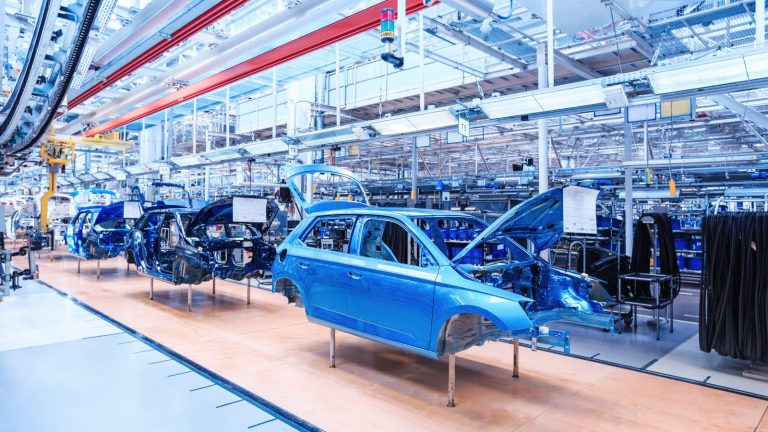
Automobile technology is the systems, software, engineering innovations, and digital solutions used to design, manufacture, operate, and improve modern vehicles, enabling safer, smarter, and more efficient transportation.
Key Takeaways
- Automobile technology is rapidly evolving through AI, connectivity, electrification, and software-driven systems that are reshaping modern mobility.
- Electric vehicles and advanced battery technologies are driving the transition toward cleaner, more sustainable transportation solutions worldwide.
- Autonomous driving and ADAS technologies are improving road safety by reducing human error and enhancing real-time decision-making.
- Connected vehicles and IoT systems are enabling real-time data exchange, smarter navigation, and improved vehicle performance monitoring.
Definition of Automobile Technology
Going beyond simple terms, automobile technology refers to the collection of engineering principles, digital systems, software applications, and mechanical innovations used in the design, manufacturing, operation, and maintenance of vehicles. It encompasses everything from traditional engine systems and vehicle structures to modern advancements such as artificial intelligence, autonomous driving capabilities, electric powertrains, and connected vehicle networks.
As vehicles become increasingly sophisticated, automobile technology continues to integrate multiple disciplines. This can include electronics, computer science, telecommunications, and data analytics.
Evolution of Automotive Engineering
Did you notice that the automotive industry has experienced remarkable technological evolution over the past century?
Why do we say that? Early vehicles relied entirely on mechanical components and manual controls. Over time, innovations such as automatic transmissions, electronic fuel injection systems, anti-lock braking systems, and onboard diagnostics improved vehicle performance and safety.
The rise of digital technologies accelerated this evolution, introducing computerised vehicle controls, advanced sensors, and intelligent driver assistance systems.
Today, automotive engineering extends far beyond hardware. It incorporates software and data-driven technologies that continuously redefine vehicle capabilities.
From Mechanical Vehicles to Software-Defined Cars
Modern vehicles increasingly function as software-defined platforms rather than purely mechanical machines. Software now controls critical functions ranging from engine performance and battery management to navigation and safety systems.
Unlike traditional vehicles, software-defined cars can receive over-the-air updates that introduce new features, improve efficiency, and address security vulnerabilities without requiring physical service appointments.
This shift has transformed how manufacturers develop vehicles and how consumers experience ownership. It creates a dynamic ecosystem where cars continue evolving throughout their lifecycle.
Why Technology Has Become the New Engine of Growth
There is no doubt that technology has become the primary driver of competitiveness within the automotive sector.
We see that consumers demand intelligent features, seamless connectivity, and sustainable transportation solutions, and the latter forces manufacturers to innovate rapidly. Further, regulatory requirements surrounding emissions, safety, and cybersecurity further accelerate technological adoption.
This is when the companies that successfully employ emerging technologies gain advantages in efficiency, customer satisfaction, and market differentiation.
As a result, technology is now the industry’s most important catalyst for growth and transformation.
How Modern Automobile Technology Is Transforming the Industry
Modern automobile technology is transforming the automotive industry through artificial intelligence, connectivity, automation, and sustainable mobility solutions that improve vehicle performance, safety, efficiency, and user experiences.
Shift Toward Intelligent Mobility
The concept of mobility is evolving from vehicle ownership to intelligent transportation experiences.
Modern automobile technology enables vehicles to interact with drivers, infrastructure, and cloud-based systems to optimise travel efficiency and convenience. Plus, intelligent mobility solutions help reduce congestion, improve safety, and support integrated transportation networks.
On top of that, these advancements are laying the foundation for future smart cities where transportation systems operate as interconnected ecosystems.
Consumer Demand for Connected Experiences
Today’s consumers expect their vehicles to offer the same level of connectivity found in smartphones and other digital devices, right?
In this context, features such as real-time navigation, remote vehicle monitoring, voice assistants, and personalised infotainment systems have become increasingly important purchasing factors. Automakers are responding by developing connected ecosystems that enhance convenience, productivity, and user experience while strengthening customer engagement.
Sustainability and Regulatory Pressures
Put simply, environmental concerns and government regulations are significantly influencing automotive innovation. Nations worldwide are implementing stricter emissions standards and promoting the adoption of cleaner transportation technologies.
Manufacturers are investing in electric vehicles, alternative fuels, lightweight materials, and energy-efficient production methods to meet sustainability goals.
These initiatives are accelerating the industry’s transition toward greener mobility solutions.
Impact of Artificial Intelligence on Automotive Innovation
We must admit that artificial intelligence has emerged as one of the most transformative forces within the automotive industry. AI enables vehicles to analyse vast amounts of data, recognise patterns, and make intelligent decisions in real time.
Applications range from predictive maintenance and route optimisation to autonomous driving and personalised user experiences.
As AI technologies mature, their influence on vehicle design, operation, and safety continues to expand.
Electric Vehicles (EVs): The Foundation of Next-Generation Transportation
Electric vehicle technology is revolutionising transportation by replacing internal combustion engines with battery-powered systems that reduce emissions, improve energy efficiency, and support long-term sustainability goals.
How Electric Vehicle Technology Works
Electric vehicles replace traditional internal combustion engines with electric motors powered by rechargeable battery systems. The point is that energy stored in the battery pack is converted into electricity that drives the motor, providing propulsion without producing tailpipe emissions.
This design reduces dependence on fossil fuels while offering quieter operation and improved energy efficiency.
Moreover, EV technology continues to advance rapidly as manufacturers seek to enhance range, performance, and affordability.
Advances in Lithium-Ion and Solid-State Batteries
Battery technology remains at the heart of electric vehicle development. Modern lithium-ion batteries offer higher energy density, faster charging capabilities, and longer lifespans than earlier battery systems.
Researchers are also making significant progress in solid-state battery technology, which promises greater safety, increased energy storage capacity, and shorter charging times. These advancements could address many of the challenges currently limiting widespread EV adoption.
Fast Charging Innovations
Charging infrastructure has become a major focus area for automotive innovators. Advanced fast-charging technologies can significantly reduce charging times, making electric vehicles more practical for everyday use and long-distance travel.
Improvements in charging hardware, battery chemistry, and energy management systems are helping bridge the convenience gap between electric and conventional vehicles.
Vehicle-to-Grid (V2G) Technology
Vehicle-to-grid technology allows electric vehicles to interact with electrical grids by supplying stored energy back to the network when needed. This capability transforms EVs into mobile energy assets that support grid stability and renewable energy integration.
As energy systems become increasingly decentralised, V2G technology may play a critical role in balancing electricity demand and improving energy resilience.
Challenges Limiting EV Adoption
Despite substantial progress, electric vehicle adoption still faces several obstacles.
Charging infrastructure availability, battery production costs, raw material sourcing, and consumer range anxiety remain significant concerns in many markets.
This means that addressing these challenges will require coordinated efforts among governments, energy providers, technology companies, and automotive manufacturers.
Autonomous Driving Systems and Self-Driving Cars
Autonomous driving technology uses sensors, artificial intelligence, and advanced software to enable vehicles to navigate, make decisions, and operate with reduced or minimal human intervention.
Levels of Vehicle Autonomy Explained
Autonomous driving technology is classified into different levels based on the degree of automation. Lower levels provide driver assistance features, while higher levels enable vehicles to operate with minimal or no human intervention.
Understanding these levels helps consumers and industry stakeholders evaluate the capabilities and limitations of self-driving technologies as they continue to evolve.
Sensors Powering Autonomous Vehicles
Autonomous vehicles rely on a combination of advanced sensors to accurately perceive their surroundings.
Cameras capture visual information, radar systems detect object movement, LiDAR creates detailed environmental maps, and ultrasonic sensors assist with close-range detection.
Together, these technologies provide the data required for safe navigation and decision-making.
Machine Learning and Real-Time Decision Making
Machine learning algorithms enable autonomous systems to analyse sensor data and respond to changing road conditions. By continuously processing information about traffic, obstacles, weather, and pedestrian behaviour, self-driving vehicles can make split-second decisions that support safe and efficient operation.
The effectiveness of these systems improves over time as they learn from larger datasets.
Safety Benefits of Autonomous Vehicles
One of the primary goals of autonomous driving technology is to reduce accidents caused by human error.
Advanced automation systems can maintain consistent attention, react faster than human drivers, and follow safety protocols with greater precision. As these technologies mature, they have the potential to significantly improve road safety and reduce traffic-related fatalities.
Regulatory and Ethical Challenges
The widespread deployment of autonomous vehicles presents complex regulatory and ethical considerations. Governments must establish standards governing testing, liability, cybersecurity, and public safety.
Additionally, ethical questions regarding decision-making during unavoidable accident scenarios continue to generate debate among policymakers, engineers, and researchers.
Connected Vehicles and the Rise of Smart Mobility
Connected vehicles use internet-enabled technologies to communicate with other vehicles, infrastructure, and cloud platforms, creating smarter, safer, and more efficient transportation ecosystems.
What Are Connected Cars?
Connected cars are vehicles equipped with internet-enabled technologies that facilitate communication with external networks, devices, and infrastructure.
These capabilities enable real-time data exchange, remote diagnostics, predictive maintenance, and enhanced navigation services. Connectivity has become a defining characteristic of modern automobile technology.
Vehicle-to-Vehicle (V2V) Communication
Vehicle-to-vehicle communication enables automobiles to exchange information regarding speed, location, direction, and road conditions.
This real-time data sharing improves situational awareness and supports collision prevention efforts. V2V technology is expected to become increasingly important as transportation networks grow more connected and automated.
Vehicle-to-Infrastructure (V2I) Communication
Vehicle-to-infrastructure communication connects vehicles with traffic signals, road sensors, parking systems, and other transportation assets. This interaction enables smarter traffic management, reduced congestion, and improved travel efficiency.
V2I technology serves as a critical component of future smart city initiatives.
5G and Automotive Connectivity
The deployment of 5G networks is transforming automotive connectivity by providing faster data transmission speeds and lower latency.
These capabilities support advanced applications such as autonomous driving, real-time navigation, remote vehicle monitoring, and enhanced infotainment experiences.
The integration of 5G technology is expected to unlock new possibilities across the automotive ecosystem.
Real-Time Traffic and Navigation Optimisation
Connected vehicles can access real-time traffic data to optimise routes and improve travel efficiency.
By analysing road conditions, accidents, weather patterns, and congestion levels, intelligent navigation systems help drivers reduce travel times, fuel consumption, and overall transportation costs.
Artificial Intelligence in Automobile Technology
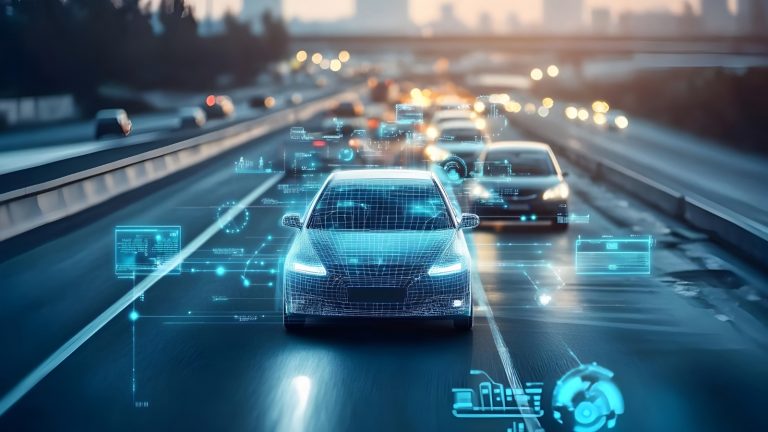
Artificial intelligence in automobile technology enhances vehicle safety, predictive maintenance, autonomous driving, and personalised user experiences by enabling real-time data analysis and intelligent decision-making.
AI-Powered Driver Assistance Systems
Artificial intelligence is revolutionising vehicle safety through advanced driver assistance systems (ADAS). These systems use AI algorithms to interpret data from cameras, radar, LiDAR, and other sensors, helping drivers avoid accidents and navigate more safely.
Features such as adaptive cruise control, automatic emergency braking, lane-keeping assistance, and traffic sign recognition rely heavily on AI to make real-time decisions.
By continuously analysing driving conditions, AI-powered systems enhance situational awareness and reduce the likelihood of human error.
Predictive Vehicle Maintenance
AI is transforming vehicle maintenance from a reactive process into a predictive one.
Modern vehicles generate vast amounts of operational data, which AI systems analyse to identify patterns that indicate potential failures. By predicting maintenance needs before breakdowns occur, manufacturers and fleet operators can reduce downtime, lower repair costs, and improve vehicle reliability.
Predictive maintenance also extends the lifespan of critical components and improves overall operational efficiency.
AI-Based Traffic Management
Artificial intelligence is increasingly being used to optimise traffic flow and reduce congestion. By analysing data from connected vehicles, road sensors, cameras, and transportation networks, AI systems can identify traffic bottlenecks and recommend solutions in real time.
Smart traffic management systems improve road efficiency, reduce fuel consumption, and contribute to safer urban transportation environments.
Personalised In-Car Experiences
Modern vehicles are evolving into intelligent digital environments that adapt to individual driver preferences. AI enables personalised experiences by automatically learning driver habits and adjusting seating positions, climate controls, entertainment settings, and navigation preferences.
Voice-enabled virtual assistants further enhance convenience by allowing drivers to control vehicle functions using natural-language commands.
Generative AI in Automotive Design
Generative AI is becoming a powerful tool for automotive designers and engineers. By analysing design parameters and performance requirements, AI can generate optimised vehicle components that improve aerodynamics, reduce weight, and enhance efficiency.
This technology accelerates product development cycles and enables manufacturers to explore innovative design possibilities that may not have been considered through traditional engineering approaches.
Advanced Driver Assistance Systems (ADAS) Improving Road Safety
Advanced Driver Assistance Systems (ADAS) use sensors, cameras, and AI-powered technologies to help drivers avoid accidents, improve situational awareness, and enhance overall road safety.
Adaptive Cruise Control
Adaptive cruise control enhances traditional cruise control by automatically adjusting vehicle speed based on surrounding traffic conditions.
Using radar and sensor technologies, the system maintains a safe distance from other vehicles while reducing driver fatigue during long journeys. This feature improves both comfort and safety, particularly on highways and congested roadways.
Automatic Emergency Braking
Automatic emergency braking systems detect potential collisions and apply the brakes when a driver fails to respond in time. By reducing reaction times and mitigating the severity of accidents, this technology has become one of the most important safety innovations in modern vehicles.
Many safety organisations now consider automatic emergency braking a critical component of future road safety strategies.
Lane Departure Warning Systems
Lane departure warning systems help prevent accidents caused by unintended lane drifting. Cameras continuously monitor lane markings and alert drivers when the vehicle begins to move outside its designated lane without signalling.
More advanced systems can even provide corrective steering assistance to help keep vehicles safely positioned on the roadway.
Driver Monitoring Systems
Driver monitoring systems use cameras and AI-powered analytics to assess driver attentiveness and detect signs of fatigue or distraction.
When potentially dangerous behaviour is identified, the system provides alerts and recommendations to help maintain safe driving conditions. These technologies are becoming increasingly important as vehicles adopt higher levels of automation.
Blind Spot Detection Technology
Blind spot detection systems monitor areas around a vehicle that are difficult for drivers to see using mirrors alone. Sensors identify nearby vehicles and provide visual or audible alerts when a lane change may be unsafe.
This technology significantly reduces the risk of side-impact collisions and improves overall driver confidence.
Software-Defined Vehicles: The New Era of Automotive Innovation
Software-defined vehicles rely on centralised software platforms to control vehicle functions, enabling continuous updates, improved performance, enhanced security, and greater flexibility throughout a vehicle’s lifecycle.
What Is a Software-Defined Vehicle (SDV)?
Software-defined vehicles represent a major shift in automotive architecture. Instead of relying primarily on hardware-based functionality, SDVs use centralised software platforms to manage and control vehicle operations.
This approach enables greater flexibility, faster innovation, and continuous feature enhancements throughout the vehicle’s lifecycle.
Over-the-Air Software Updates
One of the defining features of software-defined vehicles is the ability to receive over-the-air updates. Similar to smartphones, vehicles can download software improvements remotely without visiting a dealership.
These updates can introduce new capabilities, improve performance, enhance safety features, and address cybersecurity vulnerabilities, ensuring that vehicles remain current and competitive.
Automotive Operating Systems
Automotive operating systems serve as the digital foundation of software-defined vehicles. These platforms manage vehicle functions, coordinate communication between components, and support application development.
As vehicles become increasingly connected and autonomous, robust operating systems will play a critical role in enabling innovation and interoperability.
Digital Cockpits and Smart Dashboards
Digital cockpits are replacing traditional instrument clusters with customisable displays and interactive interfaces.
These systems provide drivers with real-time information, navigation guidance, vehicle diagnostics, and entertainment options in a unified environment.
Smart dashboards improve usability and create more engaging, personalised driving experiences.
Benefits for Manufacturers and Drivers
Software-defined vehicles offer significant benefits for both manufacturers and consumers. Automakers gain the ability to deliver new services, generate recurring revenue streams, and reduce development complexity.
Drivers benefit from continuously improving vehicle functionality, enhanced convenience, and access to the latest technological advancements throughout vehicle ownership.
Internet of Things (IoT) Applications in Modern Vehicles
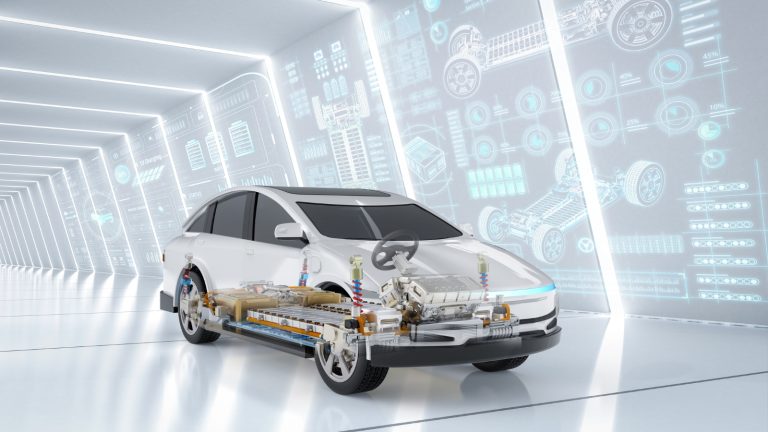
The Internet of Things (IoT) enables vehicles to collect, share, and analyse real-time data, supporting connected services, predictive maintenance, fleet management, and intelligent transportation systems.
Vehicle Telematics
Telematics systems collect and transmit vehicle data to support monitoring, diagnostics, and performance analysis.
These systems provide valuable insights into fuel efficiency, driving behaviour, maintenance needs, and operational performance, helping organisations optimise transportation operations.
Remote Diagnostics
IoT-enabled vehicles can perform remote diagnostics by continuously monitoring component health and system performance. Technicians can identify issues before they become serious problems, reducing repair times and improving service efficiency.
Remote diagnostics also minimise unexpected breakdowns and improve customer satisfaction.
Fleet Management Technologies
Fleet operators increasingly rely on IoT technologies to monitor vehicle locations, fuel consumption, driver behaviour, and maintenance schedules.
Real-time visibility into fleet operations helps organisations improve productivity, reduce operational costs, and enhance overall transportation efficiency.
Connected Vehicle Ecosystems
Connected vehicle ecosystems integrate vehicles with cloud platforms, infrastructure systems, and digital services.
This connectivity creates seamless experiences that support navigation, maintenance, safety, and mobility management. As ecosystems expand, they will play a central role in future transportation networks.
Smart Sensors and Real-Time Data Collection
Smart sensors serve as the foundation of connected vehicle technologies. These devices continuously collect information regarding vehicle performance, environmental conditions, and driver behaviour.
Real-time data collection enables more informed decision-making, predictive analytics, and intelligent vehicle operation.
Automotive Cybersecurity: Protecting Connected Vehicles
Automotive cybersecurity protects connected vehicles from digital threats by securing communication networks, software systems, vehicle data, and critical operational technologies against cyberattacks.
Why Cybersecurity Matters in Modern Cars
As vehicles become increasingly connected, cybersecurity has emerged as a critical concern.
Connected cars exchange vast amounts of data and rely on software-driven systems, creating potential vulnerabilities that cybercriminals may exploit. Strong cybersecurity measures are essential for protecting both vehicle functionality and user privacy.
Common Automotive Cyber Threats
Automotive systems face various cyber threats, including unauthorised access, malware attacks, data breaches, and remote system manipulation.
As digital connectivity expands, manufacturers must proactively identify and address vulnerabilities throughout the vehicle lifecycle.
Secure Communication Protocols
Secure communication protocols help protect data transmitted between vehicles, cloud platforms, and infrastructure systems.
Encryption, authentication mechanisms, and secure network architectures play essential roles in safeguarding connected vehicle ecosystems against cyber threats.
AI-Based Threat Detection
Artificial intelligence is increasingly being used to strengthen automotive cybersecurity. AI-powered security systems can analyse network activity, identify unusual behaviour patterns, and respond to potential threats in real time.
These capabilities enhance resilience against evolving cyber risks.
Future Cybersecurity Standards
Governments and industry organisations are developing cybersecurity regulations and standards to improve vehicle security. Compliance with these frameworks will become increasingly important as connected and autonomous vehicle technologies continue to expand globally.
Sustainable Automotive Technologies Driving Green Transportation
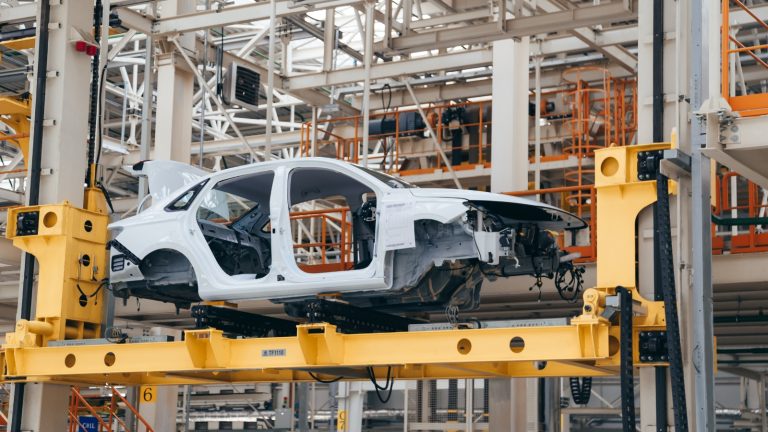
Sustainable automotive technologies focus on reducing environmental impact through electric mobility, renewable energy integration, lightweight materials, carbon-neutral manufacturing, and resource-efficient production practices.
Carbon-Neutral Manufacturing
Automotive manufacturers are adopting carbon-neutral production strategies to reduce environmental impact. Renewable energy, energy-efficient facilities, and sustainable supply chain practices are helping organisations achieve ambitious emissions reduction goals while maintaining operational competitiveness.
Lightweight Vehicle Materials
The use of lightweight materials such as aluminium, carbon fibre, and advanced composites improves vehicle efficiency by reducing overall weight.
Lighter vehicles consume less energy, improve performance, and contribute to lower emissions across transportation networks.
Hydrogen Fuel Cell Technology
Hydrogen fuel cells represent a promising alternative to traditional battery-electric systems. These technologies generate electricity through chemical reactions that produce only water vapour as a byproduct.
Fuel cell vehicles offer fast refuelling times and extended driving ranges, making them attractive for specific transportation applications.
Circular Economy in Automotive Production
The automotive industry is increasingly embracing circular economy principles that prioritise reuse, recycling, and resource efficiency.
Manufacturers are designing vehicles with end-of-life recovery in mind, reducing waste while conserving valuable materials and resources.
Renewable Energy Integration
Renewable energy sources are playing a growing role in automotive manufacturing and charging infrastructure. Solar, wind, and other clean energy technologies support sustainable transportation ecosystems and help reduce dependence on fossil fuels.
Future Trends in Automobile Technology Through 2035
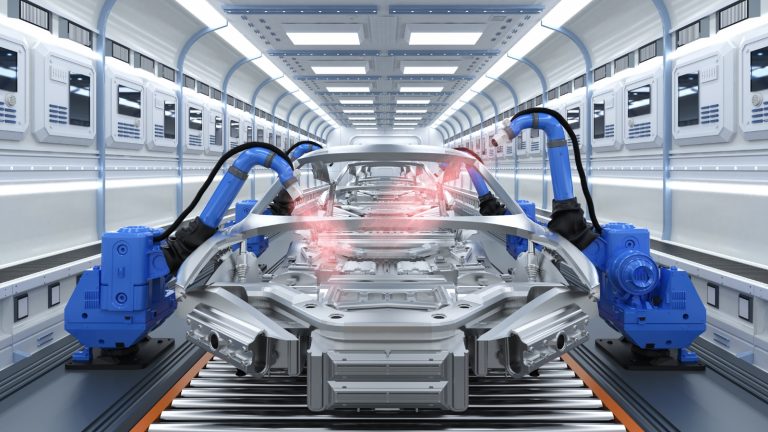
Future automobile technology trends include AI-driven vehicles, autonomous transportation networks, smart mobility services, zero-emission solutions, and hyper-connected transportation systems that will redefine mobility by 2035.
AI-First Vehicles
Future vehicles will increasingly rely on artificial intelligence as a core operating framework. AI-first vehicles will deliver enhanced autonomy, predictive capabilities, personalised experiences, and improved safety through continuous learning and intelligent decision-making.
Fully Autonomous Transportation Networks
Advancements in autonomous driving technologies may eventually enable fully autonomous transportation networks. These systems could reduce traffic congestion, improve road safety, and provide mobility solutions for populations currently underserved by traditional transportation options.
Mobility-as-a-Service (MaaS)
Mobility-as-a-Service models are transforming transportation from ownership-based systems to on-demand mobility solutions. Integrated digital platforms will enable users to access multiple transportation options through unified services, improving convenience and reducing costs.
Zero-Emission Transportation Ecosystems
Governments and industry leaders are working toward transportation systems that produce minimal environmental impact. Electric vehicles, hydrogen technologies, renewable energy integration, and sustainable infrastructure will play critical roles in achieving these objectives.
Hyper-Connected Smart Cities
Future smart cities will integrate transportation systems with digital infrastructure, energy networks, and urban planning initiatives. Connected vehicles will communicate seamlessly with city systems, improving efficiency, sustainability, and quality of life for residents.
Scaling Automotive Manufacturing with AI-Driven MES Automation
Cerexio MES is a modern Manufacturing Execution System in Singapore that helps automobile manufacturers scale efficiently by using AI-driven automation to streamline production workflows, optimise resource allocation, and reduce operational bottlenecks.
Cerexio system’s real-time monitoring and intelligent scheduling capabilities allow your factory to adapt quickly to changing demand, manage complex assembly lines, and maintain consistent production quality while scaling output without compromising efficiency.
Enhancing Innovation and Operational Efficiency with Cerexio MES
Cerexio MES empowers your automotive business to accelerate innovation by integrating AI, analytics, and automation into every stage of manufacturing. Our platform enables predictive maintenance, quality control, and data-driven decision-making, allowing you to reduce downtime, improve precision, and support continuous improvement.
This creates a smart production environment that evolves alongside emerging automotive technologies.
Call for a free demo.
Cerexio-Path For Unstoppable Innovation In Manufacturing.
Driving Into the Future With Intelligent Automotive Innovation
Nobody can deny the fact that automobile technology is advancing at an unprecedented pace, reshaping every aspect of transportation. Innovations such as artificial intelligence, electric vehicles, autonomous driving systems, connected mobility platforms, software-defined vehicles, and sustainable energy solutions are creating a smarter, safer, and more efficient automotive ecosystem. As these technologies continue to mature, they will redefine how vehicles are designed, manufactured, operated, and maintained.
However, the point is that organisations and consumers who understand these trends will be better positioned to capitalise on emerging opportunities and adapt to evolving mobility demands. The future of transportation is unfolding today through the transformative power of automobile technology.
FAQs About Automobile Technology
Artificial intelligence in automobile technology enables real-time data processing, predictive analytics, autonomous driving capabilities, and personalised vehicle experiences. It improves safety, reduces human error, and enhances operational efficiency across manufacturing, driving systems, and connected mobility platforms.
Software-defined vehicles rely on centralised software systems to control vehicle functions, unlike traditional vehicles that depend mainly on hardware. This enables over-the-air updates, continuous feature improvements, enhanced cybersecurity, and greater flexibility in performance optimisation throughout the vehicle lifecycle.
Vehicle-to-everything (V2X) communication enhances road safety by enabling vehicles to exchange real-time data with other vehicles, infrastructure, and networks. This improves situational awareness, reduces collision risks, and supports intelligent traffic management in connected transportation systems.
Autonomous driving systems use a combination of LiDAR, radar, cameras, ultrasonic sensors, and AI-based machine learning algorithms. These technologies work together to detect objects, interpret environments, and enable safe navigation with minimal or no human intervention.
Advanced Driver Assistance Systems (ADAS) reduce accidents by using sensors and AI to monitor driving conditions, detect hazards, and assist drivers with features like automatic braking, lane keeping, adaptive cruise control, and blind spot detection in real time.