
Countries use innovative tactics and methods in a variety of fields, including agriculture, healthcare, medicine, and more, to move up the global power ladder. It is also true that introducing technological improvements in the industrial sector is one of the best ways to boost a nation’s growth and development.
Industrial automation is one of the technological advancements that has been revolutionising the whole manufacturing industry.
In this article, we explore how industrial automation helps your organisation accomplish its production goals.
Automation Technology: What Is It?
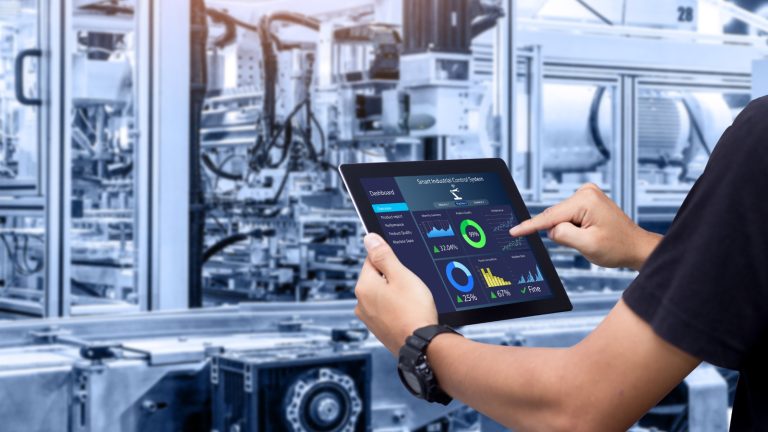
To put it simply, automation technology includes all tools, machinery, and procedures that allow manufacturing plants and systems to operate automatically.
Owners of businesses and industries quickly recognised automated manufacturing as the perfect solution because they need to develop ways to generate financial profits while providing top-notch services and goods.
Automated production is a procedure that guarantees raw materials enter and finished goods exit with little help or interference from humans by adhering to various programmed commands. Reducing overall manufacturing costs and production time is greatly aided by the precise, steady, and quick production flow.
Prior to the Industrial Revolution, workers’ abilities were highly valued since they created, made, and completed every item that a community needed, including clothing, furniture, electronics, and more.
The emergence of industrial systems and equipment that only needed human intervention for management and supervision drastically altered the regular sequence of events in the industrial sector.
Key Takeaways
- Industrial automation helps businesses streamline production processes, reduce manual tasks, and improve operational efficiency.
- Integrating automated systems can enhance product quality, minimise errors, and support consistent production output.
- Effective industrial automation can reduce operating costs, improve workplace safety, and increase overall productivity.
How Industrial Production Is Facilitated by Automation
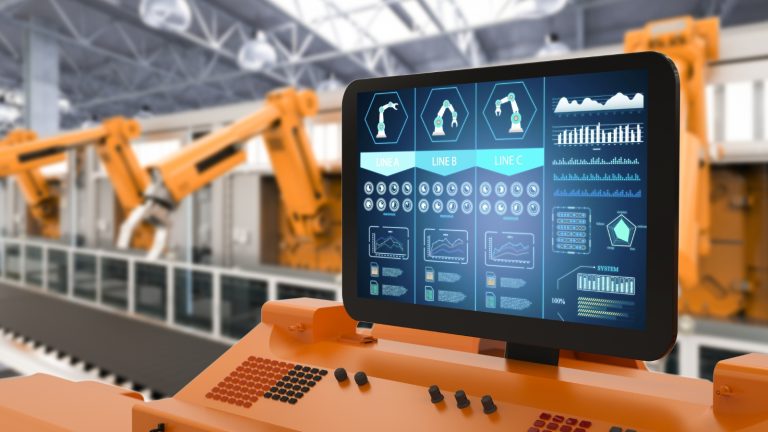
Automation technologies have once again transformed the way manufacturing firms operate as the industrial, technical, and electrical sectors continue to innovate. Some of the numerous advantages of automated production and the reasons the industrial sector supports it are listed below:
Increased Capacity for Production
Human limits and labour laws frequently prevent workers from achieving their full potential. This is where human labour is defeated by machines.
Electric machinery and equipment provide greater production capacity because they can operate continuously without interruptions, human involvement, or shift changes. Additionally, because there are fewer technical errors, automated manufacturing successfully increases process capacity and quality.
Better Product Quality Combined with Increased Consistency
The industrial world strives to implement cutting-edge automated production equipment and systems that guarantee flawless and error-free product manufacturing.
This ensures that goods are built upon a single common design framework and improves customer satisfaction. Automated production also enhances the company’s reputation and gives it a competitive advantage.
Workplace Security
Managers and owners must take on a great deal of responsibility in order to operate an industry. Apart from overseeing operations, finances, and procedures, they also need to make sure that all of their workers, operators, supervisors, and on-site staff are as safe as possible from dangerous scenarios like short circuits, explosions, and fire breakouts.
Automated production lines make it simple for employees of the organisation to effectively adhere to strict work procedures, laws, and regulations. Additionally, this fosters a calm and pleasant workplace, which improves productivity.
Facilitating Industrial Communication
Production automation is nearly impossible without efficient industrial communication. In addition to managing power distribution and operating machinery, integrated communication systems aid in the operation and monitoring of production lines.
For example, when supplies run out or a machine malfunctions, communication systems help employees deal with the problem without misunderstanding or repeating tasks, allowing the workforce to operate reliably.
How Cerexio MES Drives Industrial Automation with Industry 4.0
Now you can transform industrial automation with Cerexio MES, digitally connecting production processes through embedded Industry 4.0 capabilities. Our software solution simply integrates IoT connectivity, real-time data, intelligent analytics, and automation to improve manufacturing visibility and control.
With the Cerexio MES in place, manufacturers can simplify workflows, decrease manual intervention, boost production processes, minimise downtime, enhance quality, increase productivity, control operational costs, and make faster, data-driven decisions across operations.
Call for a free demo.
Cerexio-Automation Begins Now
FAQs About Industrial Automation
Industrial automation enhances efficiency, consistency, productivity, and safety by performing manufacturing processes with little human interaction through the use of robotics, software, control systems, and connected technologies.
Industrial automation enhances manufacturing by decreasing manual labour, speeding up production, minimising mistakes, improving product consistency, boosting worker safety, and making the most use of available resources.
Common technologies comprise robotics, autonomous guided vehicles, PLCs, sensors, SCADA systems, IoT devices, machine vision, artificial intelligence, industrial robots, and control systems.
Industrial automation can increase output, save operating expenses, decrease production errors, improve quality, improve worker safety, cut downtime, and give manufacturers more control over their processes.