
In today’s fast-paced industrial world, robotic arms for manufacturing efficiency are revolutionising how factories operate. These advanced machines perform repetitive, precise tasks faster than human workers, boosting manufacturing productivity and reducing errors.
As Industry 4.0 reshapes manufacturing, combining automation in manufacturing with AI, IoT, and collaborative robots creates unparalleled operational advantages. From speeding up assembly lines to reducing workplace risks, robotic arms, which are rapidly growing with a CAGR exceeding 12–13%, are no longer optional; they are essential for businesses striving to remain competitive and innovative in a demanding global market.
This article covers all the top benefits of using robotic arms for boosting manufacturing efficiency.
How Robotic Arms Enhance Productivity in Manufacturing
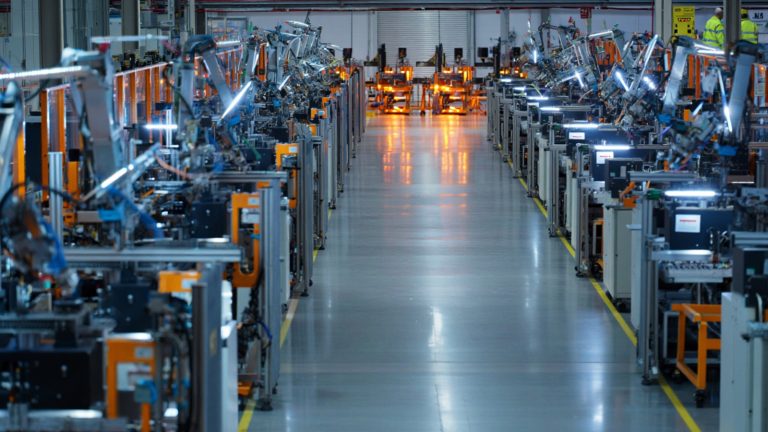
Robotic arms for manufacturing efficiency boost productivity by performing tasks faster and more accurately than humans. They operate 24/7, reduce downtime, and help factories maintain consistent output. By integrating automation in manufacturing and industrial robots, companies can scale production and optimise workflows for maximum efficiency.
Key Takeaways
- Robotic arms significantly increase manufacturing efficiency by improving production speed, accuracy, and consistency across modern manufacturing processes.
- By supporting automation in manufacturing, robotic arms reduce workplace risks while improving product quality and operational reliability.
- Integrating industrial robots with Industry 4.0 technologies enables smarter workflows, real-time monitoring, and better production optimization.
- Manufacturers adopting robotic arms achieve higher manufacturing ROI, faster time-to-market, and greater flexibility in responding to changing market demands.
Around-the-Clock Operation Boosts Productivity
Did you know that robotic arms for manufacturing efficiency are changing production lines by performing tasks continuously, without fatigue?
Why is it desirable? Unlike human workers, these machines can operate 24/7, reducing downtime and eliminating bottlenecks that slow manufacturing productivity. Factories integrating automation in manufacturing see measurable output increases, especially in sectors like automotive, electronics, and consumer goods.
In this juncture, around-the-clock operations ensure faster production cycles and more predictable delivery schedules.
Precision in Assembly and Packaging
In automotive assembly, you will notice that robotic arms handle welding, painting, and component placement with exact precision.
This level of consistency guarantees uniform quality across thousands of units.
Moreover, on packaging lines, industrial robots can sort, pack, and label products nonstop, helping companies meet tight deadlines without extra labour costs. Since they can support production optimisation, these robots allow manufacturers to scale operations up or down efficiently according to demand.
Error Reduction and Operational Reliability
It is well known that robotic arm efficiency comes from AI-driven sensors and programmable logic controllers that detect errors instantly and adjust operations automatically.
Why is this technology important right now? By reducing human mistakes, robotic arms maintain consistent quality, which is crucial for high-volume manufacturing. They free human workers from repetitive tasks, allowing them to focus on quality control, supervision, and problem-solving in complex processes.
Integration with Industry 4.0 and Smart Manufacturing
Robotic arms do not operate in isolation. With Industry 4.0 technologies, these machines can communicate with other systems, track inventory, and provide real-time analytics.
This integration supports smart manufacturing, where every aspect of production is monitored and optimised. As you can see, many companies gain greater control over workflows, enabling faster responses to market changes and improved overall efficiency.
Driving Competitive Advantage and ROI
In short, robotic arms are catalysts for modern manufacturing. They reduce production time, increase reliability, and create a safer, more agile workplace.
The truth is that those companies leveraging robotic arms achieve higher ROI and gain flexibility to adapt to market demands. Plus, they can maintain a competitive edge in industries where speed, precision, and efficiency matter most.
Key Advantages of Robotic Arms: Safety, Precision, and Cost Savings
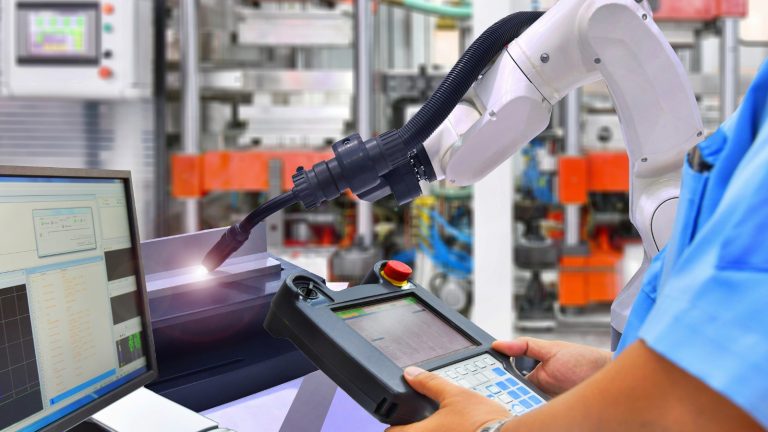
Robotic arms offer multiple benefits, including improved workplace safety, precise and consistent output, and reduced operational costs. By using robotic arm efficiency and smart manufacturing technologies, manufacturers can increase manufacturing productivity, protect employees, and achieve higher manufacturing ROI across diverse industrial operations.
Improved Workplace Safety
Robotic arm benefits include significantly reducing workplace hazards. How does this technology actually work?
Since they can take over dangerous or repetitive tasks, robotic arms protect human workers from injuries caused by heavy lifting, toxic materials, or high-speed machinery. Factories adopting industrial robots experience fewer accidents, leading to lower insurance costs and better compliance with safety regulations.
Furthermore, integrating robotic arms as part of automation in manufacturing aligns with Industry 4.0 principles. Not to mention that this creates a safer, more sustainable work environment while maintaining high efficiency and productivity.
High Precision and Consistency
It is not a surprising factor that robotic arms deliver unmatched accuracy, maintaining consistent output across production cycles.
In industries like automotive, electronics, and pharmaceuticals, even minor errors can be costly.
This is where robotic arm efficiency ensures each component is manufactured or assembled to exact specifications, reducing defects and waste. This precision supports production optimisation, increases product quality, and strengthens brand reliability.
By combining robotic arms with smart manufacturing technologies, companies can monitor performance in real time. Apart from that, they can make adjustments instantly to maintain uniform standards across thousands of units without sacrificing speed or safety.
Reduced Operational Costs
It is a proven fact that using robotic arms reduces labour costs while increasing throughput. These machines handle repetitive or high-volume tasks without breaks, lowering the need for extensive human labour.
Over time, manufacturers see improved manufacturing ROI as savings from reduced errors, lower material waste, and faster production accumulate. Additionally, automation in manufacturing minimises downtime and maintenance costs when integrated with predictive analytics.
The initial investment in robotic arms pays off quickly, making them a cost-effective solution for companies aiming to increase efficiency. On the other hand, they cut operational expenses and remain competitive.
Flexibility and Scalability in Production
Modern robotic arms, including collaborative robots and industrial robots, are highly adaptable. They can switch between tasks, handle multiple product types, and scale operations as demand changes.
This flexibility is vital for manufacturers responding to seasonal spikes or introducing new product lines. Integrating these machines into smart manufacturing systems ensures seamless production transitions and efficient resource allocation.
With this in hand, companies benefit from reduced lead times, increased productivity, and a more agile supply chain. Flexible robotics makes it easier to adopt Industry 4.0 solutions, enabling intelligent workflows and continuous process improvement across diverse manufacturing operations.
Faster Time-to-Market
Robotic arms accelerate production cycles, enabling companies to launch products more quickly. Tasks that previously took hours can now be completed in minutes with robotic-arm efficiency, supporting rapid prototyping and short-run production.
Faster production reduces delays, improves responsiveness to customer demand, and strengthens market competitiveness. When combined with automation in manufacturing and real-time data analytics, robotic arms allow manufacturers to optimise workflows and anticipate production challenges.
This speed-to-market advantage is especially critical in industries like consumer electronics and automotive. As you can see, this is where early product availability can drive significant revenue and brand recognition.
Implementing Robotic Arms Successfully in Your Manufacturing Process
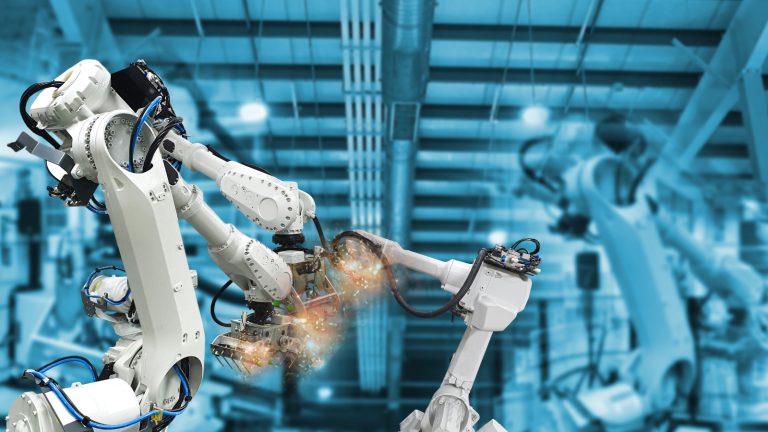
Integrating robotic arms requires careful planning, from selecting the right machines to training staff. Combining industrial robots with Industry 4.0 systems ensures seamless operation, optimised workflows, and ongoing production optimisation. Proper implementation maximises robotic arm benefits and delivers measurable improvements in efficiency and ROI.
- Assess Your Production Needs
Before investing in robotic arms for manufacturing efficiency, evaluate which tasks will benefit most from automation. Identify repetitive, high-volume, or hazardous operations where industrial robots can improve productivity.
Then, analysing current workflows helps prioritise areas where automation in manufacturing delivers the highest ROI. You need to consider production speed, precision requirements, and workforce capacity to ensure your robotic arm investment aligns with business goals.
- Choose the Right Robotic Arms
Selecting the appropriate robotic arms is critical. Options range from collaborative robots, which work alongside humans, to fully autonomous industrial robots for high-volume assembly.
Evaluate payload capacity, reach, precision, and integration capabilities. Choosing the right type ensures robotic arm efficiency and enables seamless adaptation to various production tasks.
Partnering with experienced suppliers can also provide guidance on scaling and future upgrades in line with Industry 4.0 standards.
- Integrate with Existing Systems
Successful implementation requires connecting robotic arms to your factory’s existing smart manufacturing systems. This includes linking with production management software, IoT devices, and AI-driven analytics tools.
Integration allows real-time monitoring, predictive maintenance, and automated workflow adjustments. By combining robotic arms with automation in manufacturing, companies can achieve optimised production schedules, reduce downtime, and gain actionable insights to enhance overall efficiency.
- Train Your Workforce
Even with advanced robotics, human oversight remains essential.
Provide training for operators, maintenance staff, and supervisors on programming, troubleshooting, and safety protocols. Skilled personnel can maximise robotic arm benefits, ensuring proper operation, quick problem resolution, and efficient adaptation to new production processes.
A trained workforce enhances manufacturing ROI by fully leveraging automation capabilities without disrupting productivity.
- Monitor Performance and Optimise
Continuous monitoring is key to long-term success. Use data analytics to track robotic arm efficiency, production throughput, and error rates.
Regularly update workflows based on performance metrics to achieve ongoing production optimisation. Aligning robotic arms with Industry 4.0 technologies ensures your manufacturing process remains agile, competitive, and responsive to market demands.
Boost Warehouse Efficiency with Cerexio MES and WMS Integration
Cerexio software solutions, including MES (Manufacturing Execution System) and WMS (Warehouse Management System), seamlessly integrate robotic arms alongside AGV robots to optimise warehouse operations.
Robotic arms handle picking, sorting, and packaging, while MES and WMS coordinate inventory, workflow, and task scheduling in real time. This integration reduces errors, accelerates throughput, and maximises automation in manufacturing, delivering higher manufacturing productivity and smarter, more agile warehouse management.
Call for a free demo today.
Cerexio-Boost The Productivity
The Future of Efficient and Safe Manufacturing with Robotics
You understand how robotic arms for manufacturing efficiency are transforming modern factories by boosting productivity, precision, and safety. From reducing operational costs to enabling flexible, scalable production, these machines deliver measurable robotic arm benefits.
Integrating industrial robots with Industry 4.0 and smart manufacturing technologies ensures faster time-to-market and higher manufacturing ROI.
If your company adopts robotic arms, you can easily gain a competitive edge, streamlined operations, and the ability to respond quickly to market demands. It is evident that investing in robotic arms is essential for manufacturers seeking efficiency, consistency, and sustainable growth.
FAQs About Robotic Arms
Robotic arms in manufacturing automate repetitive, hazardous, or precision tasks. They improve manufacturing productivity, maintain consistent quality, and reduce human error. Industries like automotive, electronics, and pharmaceuticals rely on industrial robots for assembly, welding, painting, packaging, and production optimisation.
By handling dangerous or repetitive tasks, robotic arms reduce human exposure to hazards such as heavy lifting, chemicals, or high-speed machinery. This enhances safety, lowers accident rates, and aligns with Industry 4.0 standards while improving overall robotic arm efficiency and workflow reliability.
Yes. Robotic arms lower labour costs, minimise errors, and reduce material waste. When integrated with automation in manufacturing, they enhance manufacturing ROI by increasing throughput and efficiency. Over time, the investment in industrial robots pays off through faster production and higher-quality output.
Manufacturers can choose from collaborative robots, designed to work alongside humans, and fully autonomous industrial robots for high-volume tasks. Selection depends on payload, precision, reach, and integration with smart manufacturing systems, ensuring optimal robotic arm efficiency and flexible production.
Robotic arms integrate with IoT, AI, and analytics tools to enable production optimisation. They provide real-time performance data, predictive maintenance, and workflow automation, forming the backbone of smart manufacturing. This results in faster production, reduced downtime, and improved overall manufacturing productivity.