

Manufacturing leaders tend to view integration as a competitive necessity in this digital era. According to research, more than 70% of manufacturers across Asia-Pacific are expected to prioritise connected digital operations and intelligent automation initiatives by 2027 to improve resilience, productivity, and operational agility. As factories continue adopting Industry 4.0 technologies while retaining decades-old production assets, legacy system integration increasingly determines whether organisations can modernise efficiently without replacing critical infrastructure.
Many production facilities still depend on proven equipment that continues delivering reliable output. The challenge is not the equipment itself but the inability of ageing applications, controllers, and databases to exchange information with modern enterprise platforms.
Rather than pursuing expensive rip-and-replace strategies, manufacturers are seeking intelligent integration solutions that unlock existing investments while preparing operations for future expansion. Let’s explore how Cerexio Enterprise Integrator addresses these challenges by connecting legacy environments with today’s digital ecosystem through secure, scalable, and highly configurable integration.
The article discovers
- Why Legacy System Integration Is a Growing Concern for Singapore Factories
- What Is Cerexio Enterprise Integrator?
- Challenge 1: Disconnected Data Silos Across Factory Systems
- Challenge 2: Incompatible Protocols Between Old and New Equipment
- Challenge 3: High Maintenance Costs and Technical Debt
- Challenge 4: Limited Real-Time Visibility Across Operations
- Challenge 5: Security Vulnerabilities in Ageing Infrastructure
- How Does Cerexio Enterprise Integrator Support Digital Transformation?
- What Makes This Solution Suited for Singapore Factories?
- Real-World Impact: Solving Legacy Integration Challenges in Practice
- FAQs About Legacy System Integration
Why Legacy System Integration Is a Growing Concern for Singapore Factories
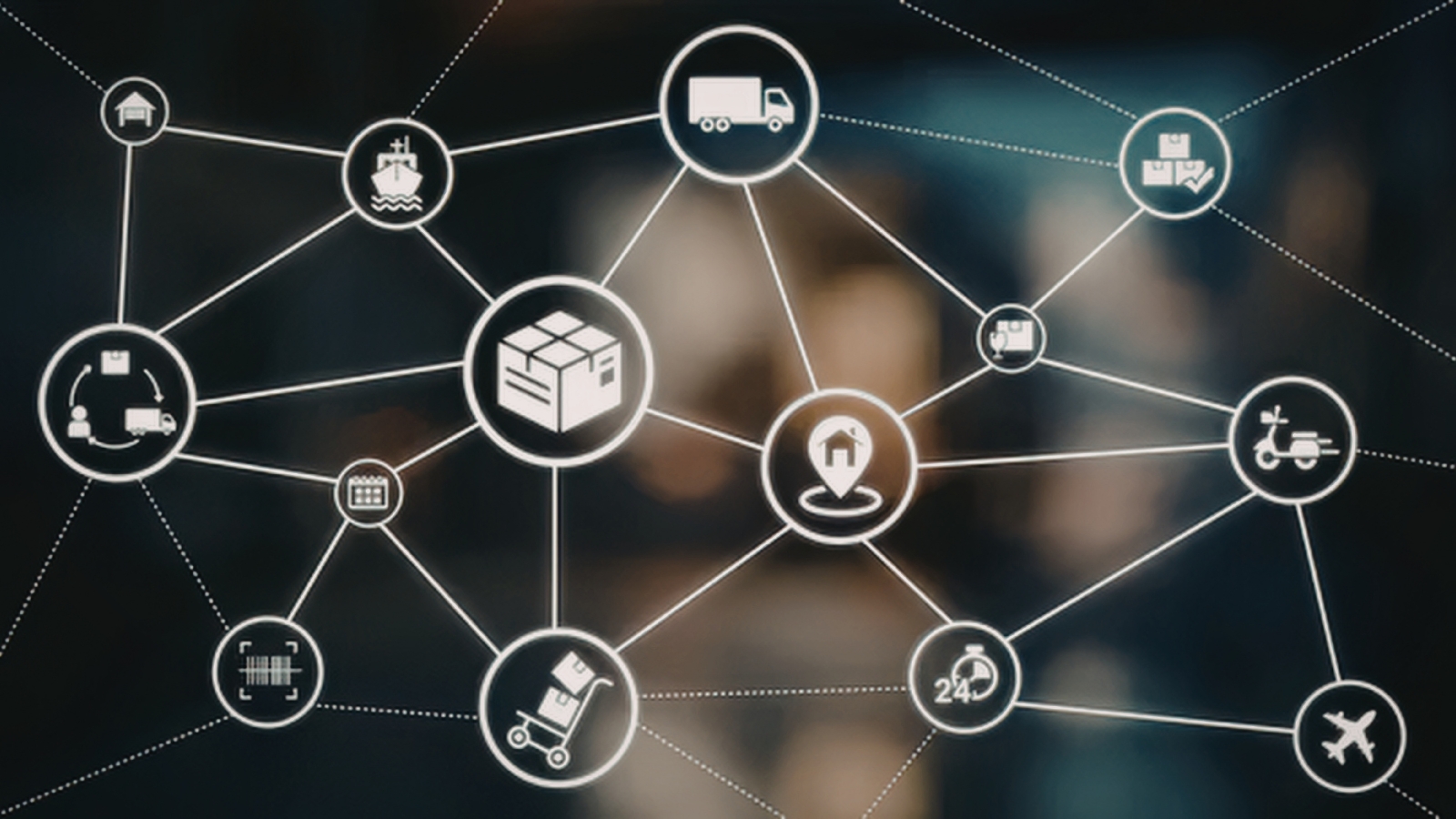
Modern manufacturers need continuous information exchange across production, maintenance, logistics, and business systems. This becomes difficult when ageing technologies cannot communicate efficiently, making legacy system integration essential for maintaining operational continuity and supporting future innovation.
Key Takeaways
- Legacy system integration connects existing factory systems without costly replacements.
- Cerexio Enterprise Integrator eliminates data silos and improves interoperability.
- Manufacturers reduce maintenance costs while improving operational visibility.
- The platform supports Singapore factories on their Industry 4.0 modernisation journey.
The Hidden Costs of Running Outdated Factory Systems
Many legacy systems continue operating reliably but silently increase operational expenditure through manual reporting, duplicated information, inconsistent maintenance procedures, and prolonged troubleshooting.
Hidden inefficiencies gradually reduce productivity while limiting opportunities to optimise production planning and improve overall equipment effectiveness.
Why Replacing Legacy Systems Outright Is Rarely Practical
Replacing every production platform simultaneously introduces significant capital expenditure, lengthy implementation schedules, operational uncertainty, and considerable downtime risk.
Mission-critical manufacturing environments, therefore favour phased upgrades that preserve proven assets while progressively introducing modern digital capabilities without disrupting ongoing production.
How Integration Bridges the Gap Between Old and New Technology
Instead of replacing functional equipment, an intelligent enterprise integration platform establishes secure communication between existing applications and emerging technologies.
By orchestrating information exchange across diverse environments, manufacturers achieve factory system interoperability while extending asset lifecycles and accelerating future digital initiatives.
What Is Cerexio Enterprise Integrator?
Cerexio Enterprise Integrator is designed to connect heterogeneous manufacturing environments through secure, scalable integration services. It enables organisations to modernise existing operations while preserving valuable production assets, making legacy system integration practical without introducing unnecessary operational complexity.
Core Capabilities of an API-Centric Integration Platform
The platform uses an API-first architecture that simplifies secure communication between applications while supporting flexible API connectivity for enterprise environments.
Instead of relying solely on traditional middleware, integration services expose reusable interfaces that improve maintainability and reduce implementation effort across manufacturing operations.
Supported Deployment Models: Cloud, On-Prem, and Hybrid
Manufacturers can deploy the solution entirely on-premises, within public cloud infrastructure, or through hybrid integration models that balance security, performance, and flexibility.
This deployment versatility also supports future cloud migration strategies without forcing organisations to redesign existing production architectures.
How the Platform Fits Into Singapore's Manufacturing Landscape
Designed to support highly regulated Singapore factories, Cerexio Enterprise Integrator accommodates diverse production environments where precision, traceability, and operational resilience are essential.
Its architecture supports evolving compliance expectations while enabling manufacturers to pursue legacy modernisation Singapore initiatives with significantly lower implementation risk.
Challenge 1: Disconnected Data Silos Across Factory Systems
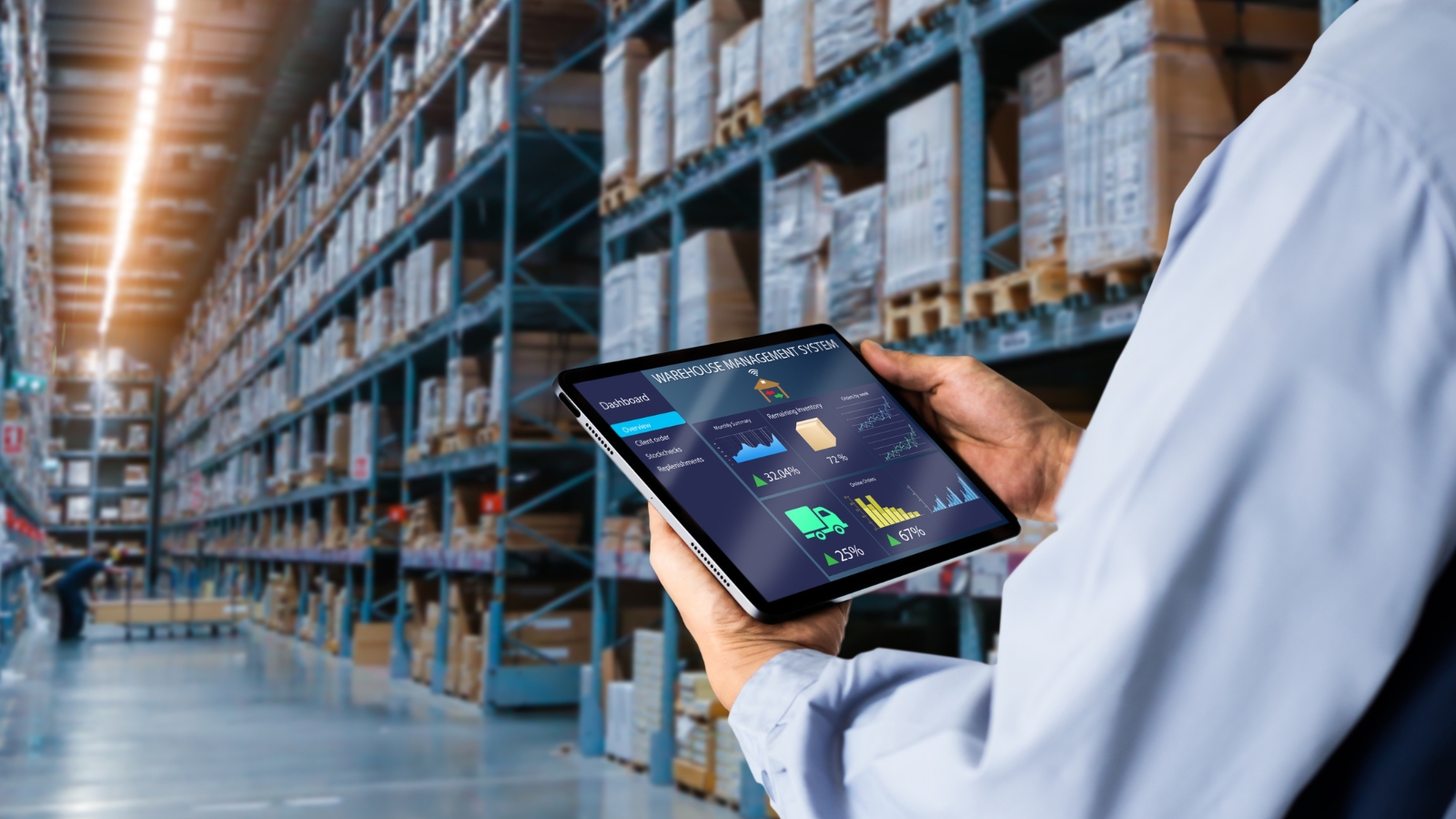
Manufacturing efficiency depends on seamless information sharing across production, quality, maintenance, and enterprise applications. When information remains fragmented, decision-makers lose valuable time validating reports instead of responding to operational issues, making integration a strategic business priority.
Why Legacy Systems Trap Data in Isolated Formats
Many long-serving production platforms store information using proprietary structures that make exchanging data difficult.
These isolated repositories create data silos manufacturing, preventing consistent cross-system data flow and forcing engineers to reconcile information manually before meaningful analysis can begin.
How Siloed Data Delays Decision-Making on the Factory Floor
When data silos prevent departments from accessing identical operational information, production supervisors often rely on outdated reports instead of live conditions.
This lack of timely visibility slows incident response, extends troubleshooting cycles, and increases uncertainty during daily production planning.
How Cerexio Enterprise Integrator Consolidates Data Into a Single View
Cerexio Enterprise Integrator standardises information from multiple production applications through intelligent data mapping and automated data transformation,
presenting operational metrics within a unified dashboard that allows managers to evaluate production performance using consistent, trustworthy information.
Challenge 2: Incompatible Protocols Between Old and New Equipment
Factories frequently operate equipment installed decades apart, creating communication barriers between older automation platforms and modern enterprise software. Effective integration removes these incompatibilities without requiring manufacturers to prematurely replace dependable production assets.
Why Legacy PLCs and SCADA Systems Struggle to Communicate With Modern Tools
Older control environments often rely on proprietary communication standards that were never designed for today’s connected manufacturing ecosystem.
This makes SCADA PLC integration particularly challenging while limiting system compatibility between industrial controllers and newer software platforms supporting enterprise-wide operations.
The Risks of Relying on Point-to-Point, Custom-Built Connections
Custom interfaces may appear cost-effective initially, yet they become increasingly difficult to maintain as production environments expand.
Every additional connection introduces greater technical debt, reducing architectural flexibility and making future upgrades significantly more expensive and time-consuming.
How Built-In Connectors Bridge Protocol Gaps Without Custom Coding
Cerexio Enterprise Integrator includes configurable connectors that simplify protocol translation across diverse industrial environments.
Native support for PLC connectivity, SCADA integration, and standard communication interfaces reduces implementation effort while improving system interoperability without extensive software redevelopment.
Challenge 3: High Maintenance Costs and Technical Debt
Maintaining ageing production environments becomes increasingly expensive as systems evolve independently over many years.
A modern integration layer reduces complexity by simplifying connectivity, minimising support overhead, and creating a more sustainable technology foundation for long-term factory operations.
Why Legacy Systems Consume Disproportionate IT Resources
Older production applications frequently require specialised maintenance, custom patches, and manual monitoring to remain operational.
As environments grow more complex, support teams spend excessive time maintaining integrations instead of delivering innovation, reducing overall IT efficiency, and slowing business responsiveness.
The Risks of Relying on Rare In-House Legacy Expertise
Many manufacturers depend on a small number of engineers who understand ageing platforms and bespoke interfaces.
When these specialists leave or retire, knowledge gaps increase operational vulnerability, making future upgrades, troubleshooting, and documentation considerably more difficult to manage effectively.
How API-Driven Integration Reduces Ongoing Maintenance Burden
An API-driven integration approach replaces tightly coupled interfaces with reusable services built around standardised communication methods.
Combined with microservices, it allows individual components to evolve independently, simplifying maintenance while reducing the long-term cost of supporting complex manufacturing environments.
Challenge 4: Limited Real-Time Visibility Across Operations
Manufacturers need immediate access to production information to optimise quality, throughput, and asset performance. Delayed reporting creates blind spots that hinder operational responsiveness, making continuous information exchange essential for achieving efficient and resilient factory operations.
Why Batch-Based Legacy Reporting Delays Critical Decisions
Traditional reporting often depends on scheduled exports rather than continuous information exchange, delaying access to real-time data.
Without timely updates, production teams cannot identify emerging issues quickly enough to minimise losses or optimise manufacturing performance during active operations.
The Impact of Delayed Data on Production and Quality Control
When operational information arrives too late, maintenance schedules, inventory planning, and quality inspections become reactive instead of proactive.
Limited operational visibility increases the likelihood of process deviations, unnecessary waste, and inconsistent product quality across multiple production lines.
How Streaming Integration Enables Real-Time Operational Insight
Cerexio Enterprise Integrator leverages streaming integration, event-driven architecture, and resilient data pipelines to continuously synchronise production information between applications.
This enables faster monitoring, more responsive decision-making, and a stronger foundation for advanced manufacturing analytics.
Challenge 5: Security Vulnerabilities in Ageing Infrastructure
As factories become more connected, protecting operational technology is no longer optional. Secure integration ensures information moves safely between systems while supporting governance, regulatory compliance, and resilient manufacturing operations without compromising productivity.
Why Legacy Systems Are Common Targets for Cyber Threats
Older industrial applications were often designed before today’s cybersecurity landscape emerged.
Limited authentication mechanisms, outdated communication methods, and unsupported software increase cybersecurity risk, creating potential entry points that can compromise production environments and disrupt critical manufacturing processes.
The Compliance Risks of Unsecured Data Exchange
Without secure governance, information transferred between production and business applications may fail to meet regulatory expectations.
Consistent data standardisation across connected environments helps improve audit readiness while ensuring sensitive operational information remains protected throughout every exchange.
How Secure, Governed Integration Protects Sensitive Factory Data
Cerexio Enterprise Integrator applies secure communication policies, access governance, and controlled information routing to strengthen connected systems.
This architecture safeguards manufacturing information while supporting trusted collaboration between production assets and enterprise applications.
How Does Cerexio Enterprise Integrator Support Digital Transformation?

Modern manufacturing requires connected business and operational technologies that evolve together. Cerexio Enterprise Integrator enables progressive digital transformation by linking existing production assets with modern enterprise platforms, allowing factories to modernise without interrupting day-to-day operations.
- Connecting ERP, MES, and IoT Systems on a Single Platform
The platform simplifies ERP integration, connects every manufacturing execution system, and enables reliable IoT connectivity across production environments.
By consolidating information from operational and business applications, manufacturers gain a more complete understanding of factory performance.
- Enabling Phased Modernisation Without Disrupting Operations
Rather than replacing every application simultaneously, Cerexio supports controlled system migration through incremental deployment strategies.
Existing production assets remain operational while newer technologies are introduced gradually, reducing implementation risks and preserving previous infrastructure investments.
- Supporting Scalability as Factories Add New Systems and Sensors
As manufacturing environments expand, the platform accommodates increasing workloads with built-in scalability while maintaining reliable factory connectivity. This flexible architecture also creates a strong technological foundation for future innovations such as digital twin deployments.
What Makes This Solution Suited for Singapore Factories?
Singapore’s manufacturing sector demands exceptional precision, regulatory compliance, and operational resilience. Cerexio Enterprise Integrator addresses these requirements with an architecture built for complex industrial environments, helping manufacturers modernise confidently while protecting existing investments.
Meeting the Demands of Singapore’s High-Precision Manufacturing Sector
Manufacturers operating in electronics, pharmaceuticals, aerospace, and precision engineering require highly reliable information exchange between production assets and enterprise applications.
Cerexio supports these demanding environments with resilient integration capabilities designed for continuous industrial operations.
Supporting Industry 4.0 Adoption Across Diverse Factory Environments
Whether facilities are expanding automation or integrating intelligent production technologies, Cerexio enables organisations to accelerate smart manufacturing initiatives by connecting modern digital platforms with long-established operational technologies through a unified integration framework.
Enabling Compliance With Local and International Data Standards
The platform promotes consistent governance across production environments by enforcing secure communication policies, structured information management, and comprehensive auditing capabilities.
These features help manufacturers satisfy both local regulatory requirements and internationally recognised industrial compliance standards.
Real-World Impact: Solving Legacy Integration Challenges in Practice

Successful factory modernisation depends on measurable business outcomes rather than technology alone. By connecting production assets, enterprise applications, and operational workflows through a unified integration strategy, manufacturers can improve productivity while preserving existing infrastructure investments.
Reducing Manual Data Reconciliation Across Departments
Production, maintenance, quality assurance, and finance teams frequently work with information originating from separate applications.
Cerexio Enterprise Integrator automates reconciliation processes, reducing repetitive manual effort, eliminating inconsistent records, and improving confidence in operational reporting across the organisation.
Improving Cross-System Visibility for Factory Managers
Factory managers benefit from consolidated operational intelligence that presents production performance in one location rather than multiple disconnected applications.
Improved visibility enables faster responses to emerging issues, better resource allocation, and more informed strategic planning throughout manufacturing operations.
Measurable Efficiency Gains From Unified Integration Architecture
By removing communication barriers and improving process automation, manufacturers can shorten reporting cycles, reduce operational overheads, improve production consistency, and maximise returns on existing technology investments.
These measurable improvements create a sustainable foundation for long-term industrial competitiveness.
Why Choose Cerexio for Legacy System Integration?
Selecting the right integration partner is essential for achieving sustainable operational improvements. Cerexio solutions combine manufacturing expertise with modern integration technologies, enabling organisations to modernise confidently while protecting existing production investments through legacy system integration.
Industry 4.0-Driven Integration Tailored for Manufacturing
Cerexio understands the unique operational requirements of industrial environments, delivering integration solutions designed specifically for manufacturing workflows, automation systems, production assets, and enterprise applications.
This industry-focused approach accelerates implementation while reducing project complexity.
Seamless Compatibility With Cerexio MES and IoT Solutions
Cerexio Enterprise Integrator works naturally alongside the broader Cerexio ecosystem, allowing manufacturers to extend operational capabilities without introducing unnecessary architectural complexity.
The platform creates a connected digital environment that supports future expansion and continuous operational improvement.
Proven Expertise Supporting Singapore’s Factory Modernisation Journey
With extensive experience helping manufacturers connect legacy infrastructure with modern enterprise technologies, Cerexio enables organisations to pursue legacy system integration strategies that minimise disruption, improve resilience, and prepare factories for long-term digital innovation.
Cerexio-Manufacturing Perfection Just Started!
Ready to Solve Your Legacy Integration Challenges?
Modern manufacturing success depends on creating intelligent connections rather than replacing every existing system. Cerexio Enterprise Integrator provides manufacturers with a practical pathway towards legacy system integration, helping organisations unlock greater efficiency while preserving valuable production assets.
Request a Free Consultation With Cerexio Integration Experts
Cerexio specialists assess existing production environments, identify integration bottlenecks, and recommend practical implementation strategies tailored to your operational objectives.
This collaborative approach helps manufacturers build a roadmap that aligns technology investments with measurable business outcomes.
Call for a free demo.
Explore How Enterprise Integrator Connects Your Existing Systems
Whether your organisation operates ageing automation platforms, modern cloud applications, or a combination of both, enterprise integrator provides a secure, scalable foundation that connects business and operational technologies without requiring costly infrastructure replacement.
Begin Your Journey Toward a Smarter, Fully Connected Factory
Modern manufacturing requires flexible integration that supports both today’s operations and tomorrow’s innovations.
Cerexio Enterprise Integrator enables manufacturers to modernise with confidence, strengthen operational resilience, and establish the connected digital foundation needed for sustained competitive growth.
FAQs About Legacy System Integration
Legacy system integration enables continuous information exchange between production equipment and enterprise applications. It reduces manual data handling, improves operational accuracy, accelerates decision-making, and allows manufacturers to modernise existing infrastructure without replacing reliable factory systems, supporting long-term operational efficiency.
A modern enterprise integration platform typically supports industrial protocols such as OPC UA, Modbus TCP, MQTT, REST APIs, SOAP, and SQL-based interfaces. This flexibility enables secure communication between PLCs, SCADA systems, MES platforms, ERP applications, and cloud-based manufacturing services.
API-driven integration replaces tightly coupled, custom-built interfaces with reusable services that are easier to maintain. This approach simplifies upgrades, reduces dependency on legacy code, improves scalability, and lowers long-term maintenance costs across complex manufacturing technology environments.
Real-time data enables production managers to monitor equipment performance, identify process deviations immediately, optimise production scheduling, and improve quality control. Continuous visibility also supports predictive maintenance initiatives, reducing downtime while increasing overall equipment effectiveness and operational responsiveness.
Secure integration protects data through encrypted communication, authentication controls, audit logging, and governed access policies. These capabilities help manufacturers satisfy industry regulations, maintain traceable data exchange, safeguard intellectual property, and ensure consistent compliance across interconnected production and enterprise systems.