
In 2026, chemical manufacturers face a silent but costly problem: human error. According to industry estimates, nearly 70% of batch deviations are linked to manual processes and documentation issues. That is where digitalising batch records chemical manufacturing is changing the game.
Instead of relying on fragile paper trails, modern plants are shifting to smart, automated systems that reduce mistakes before they happen.
This guide explores how digital batch records improve accuracy, compliance, and operational speed, while making complex production environments easier to manage.
We will look into
- Why Human Error in Batch Records Is a Critical Risk
- What Are Electronic Batch Records?
- How Manual Batch Records Introduce Errors
- How EBR Systems Eliminate Transcription Errors
- How Automated Data Capture Works in Chemical Plants
- How EBR Ensures GMP and Regulatory Compliance
- How Digital Audit Trails Strengthen Traceability
- How EBR Integration With MES and ERP Reduces Errors
- How Review-by-Exception Accelerates Batch Release
- How AI and Analytics Improve Batch Quality
- Common Challenges When Digitalising Batch Records
- How to Implement EBR in a Chemical Plant
- FAQs About Digitalising Batch Records In Chemical Manufacturing
Why Human Error in Batch Records Is a Critical Risk

Human error in chemical production is not just inconvenient; it can be dangerous, expensive, and non-compliant. In high-precision environments, even small documentation mistakes can cascade into major failures. Understanding these risks helps explain why batch record human error reduction has become a priority for manufacturers worldwide.
Key Takeaways
- Digital batch records significantly reduce human error by removing manual data entry from chemical manufacturing workflows.
- Automated data capture improves accuracy by recording real-time production data directly from equipment and sensors.
- Electronic systems strengthen regulatory compliance by supporting FDA, GMP, and global validation standards.
- EBR adoption speeds up batch release while improving data integrity and operational efficiency.
Manual Transcription Errors in Chemical Batches
Manual recording often leads to transcription errors when operators copy values between systems or documents.
A single misplaced decimal or wrong unit can impact an entire batch. These mistakes are hard to catch early, especially in complex workflows.
Over time, repeated manual processes increase the chance of inconsistency, making accurate documentation a persistent challenge.
Consequences of Documentation Mistakes
Errors in batch records can lead to rejected products, recalls, or even safety incidents. When data is incorrect, it compromises data integrity, making it difficult to trust production outcomes.
This affects not just quality but also customer confidence.
In worst cases, incorrect records can hide process failures, leading to regulatory violations and financial losses.
Regulatory Penalties From Poor Batch Records
Authorities strictly enforce cGMP regulations, and poor documentation can trigger serious penalties.
Non-compliance during a regulatory audit can result in fines, shutdowns, or loss of licenses.
Chemical manufacturers must maintain accurate and complete records to prove that processes meet required standards at every stage of production.
Why Paper Records Cannot Scale With Precision
Traditional paper batch records are slow, error-prone, and difficult to manage at scale.
As production complexity increases, paper systems struggle to keep up. They lack real-time visibility, are hard to audit, and cannot support advanced analytics.
This makes them unsuitable for modern, high-precision chemical manufacturing environments.
What Are Electronic Batch Records?
Electronic batch records are digital systems that replace manual documentation in manufacturing. They ensure accuracy, consistency, and compliance by automating how batch data is recorded and managed. In electronic batch records chemical manufacturing, every step is captured digitally, reducing reliance on human input.
Defining EBR as Digital Batch Documentation
Electronic batch records EBR are structured digital files that document every stage of production. They replace traditional logs with automated entries, ensuring that data is recorded accurately.
These records provide a complete history of each batch, making it easier to track, review, and verify production processes.
How EBR Replaces Paper-Based Records
An EBR system manufacturing environment removes the need for handwritten logs. Instead, operators interact with digital interfaces that guide them through each step.
Data is captured automatically or entered into structured forms, reducing variability. This shift eliminates manual paperwork and improves consistency across production lines.
Key Characteristics of Digital Batch Records
Digital batch records are built around automation, validation, and traceability. They support real-time data collection, ensuring that information is captured instantly.
Features like validation rules, alerts, and system checks help prevent errors before they occur. This makes them more reliable than traditional systems.
EBR Adoption Across Chemical and Regulated Industries
Industries such as pharmaceuticals, food, and speciality chemicals are rapidly adopting EBR.
These sectors require strict compliance with standards like ISO 13485, making digital systems essential.
Adoption is driven by the need for better accuracy, faster audits, and improved operational efficiency.
How Manual Batch Records Introduce Errors
Manual systems create multiple points where errors can enter the process. From handwriting issues to disconnected systems, these risks compound over time.
Illegible Handwriting Causing Misinterpretation
Handwritten records often suffer from poor readability.
Misinterpreted values can lead to incorrect process adjustments or quality issues. This problem worsens when multiple operators handle the same document, increasing the risk of confusion and errors.
Incomplete Approvals Delaying Batch Release
Missing signatures or incomplete approvals can delay production timelines. Without proper authorisation, batches cannot move forward.
This slows operations and increases the risk of non-compliance, especially when documentation gaps are discovered late.
Duplicate Data Entry Across Disconnected Systems
When systems are not integrated, operators must enter the same data multiple times. This leads to manual data entry errors, inconsistencies, and wasted time.
Duplicate entries also make it harder to identify the correct version of data, increasing operational risk.
Version Control Failures in Master Formula Records
Outdated or incorrect master formula record MFR versions can result in incorrect batch execution.
Without proper version control, operators may follow the wrong instructions. This creates inconsistencies and increases the likelihood of defects in production.
How EBR Systems Eliminate Transcription Errors

EBR systems are designed to remove the root causes of manual mistakes. By automating data capture and validation, they ensure that information is accurate from the start.
Automated Data Capture From Machines and Sensors
With automated batch data capture, data flows directly from equipment into the system.
This eliminates the need for manual recording and reduces the risk of human error.
It also ensures that values are captured exactly as they occur during production.
Pre-Defined Templates Enforcing Data Standards
EBR systems use structured templates to guide operators. These templates ensure that all required fields are completed correctly.
Standardisation reduces variability and helps maintain consistency across batches.
Real-Time Cross-Checking Against Quality Protocols
Systems automatically validate inputs against predefined rules. This ensures compliance with GMP compliance chemical manufacturing requirements.
Errors are flagged instantly, allowing operators to correct issues before they impact production.
Zero Manual Re-Entry Across Production Steps
When integrating systems, EBR eliminates the need for repeated data entry. This reduces duplication and ensures consistency across workflows.
As a result, production becomes faster, more accurate, and easier to manage.
How Automated Data Capture Works in Chemical Plants
Automated systems collect production data directly from equipment, removing the need for human input. This approach improves accuracy, speed, and consistency. In modern plants, digital tools connect machines, sensors, and software into a unified data flow. This enables digitalising batch records chemical manufacturing to operate with precision while supporting smarter, faster decision-making across every production stage.
IIoT Sensors Streaming Equipment Data Directly
Modern plants rely on IIoT equipment sensors to continuously monitor machinery. These sensors capture temperature, pressure, flow rates, and more, then transmit the data instantly.
With machine data integration, this information feeds directly into batch records without operator involvement. This reduces manual effort and ensures that every reading accurately reflects real-time conditions.
Process Parameters Logged Without Operator Input
Automated systems record process values as they happen, eliminating delays and guesswork. With automated data capture, parameters like mixing speed or reaction time are logged instantly. This removes reliance on human observation, ensuring that records are both accurate and consistent.
Over time, this builds a reliable dataset for improving production quality and efficiency.
Ingredient Quantities Captured at Point of Use
Digital weighing systems and dispensing tools ensure that ingredient quantities are recorded precisely.
Instead of manual input, data is captured at the exact moment materials are used. This improves accuracy and reduces waste.
It also supports better traceability, helping manufacturers maintain control over complex formulations.
Ambient Conditions Recorded in Real Time
Environmental factors such as humidity and temperature can affect chemical reactions. Automated systems track these conditions continuously. By embedding this data into batch records, manufacturers gain deeper insight into process performance.
This helps identify subtle variations that might otherwise go unnoticed.
How EBR Ensures GMP and Regulatory Compliance
Electronic batch records are designed to meet strict regulatory standards. They embed compliance into every step of production, reducing the risk of violations. For manufacturers, this means fewer audit issues and stronger operational control. Systems built for FDA 21 CFR Part 11 compliance ensure that records are secure, accurate, and legally valid.
Meeting FDA 21 CFR Part 11 Requirements
Digital systems are built to align with FDA 21 CFR Part 11 standards. They ensure that electronic records are trustworthy and tamper-proof.
Features like secure access and validation checks help maintain compliance. This reduces the burden of manual verification while improving overall data reliability.
ALCOA+ Data Integrity Principles Built In
Modern systems follow ALCOA+ principles to ensure that data is accurate, complete, and consistent. Every entry is attributable, legible, and recorded in real time. This strengthens trust in production data and supports regulatory expectations without additional manual effort.
GMP, GAMP, and PIC/S Compliance Supported
EBR platforms are designed to align with global standards like GAMP compliance and PIC/S standards.
These frameworks ensure that systems are validated and processes are controlled. By embedding compliance into the system, manufacturers reduce the risk of errors and improve operational consistency.
Timestamped Audit Trails for Every Batch Action
Every action within the system is recorded automatically. A detailed audit trail captures who performed each step and when.
This creates a transparent record of production activities, making it easier to investigate issues and demonstrate compliance during inspections.
Electronic Signatures for All Approvals and Sign-Offs
Approvals are managed digitally using electronic signatures.
These signatures are secure, verifiable, and compliant with regulatory standards. They replace handwritten approvals, speeding up workflows while ensuring accountability at every stage of production.
How Digital Audit Trails Strengthen Traceability
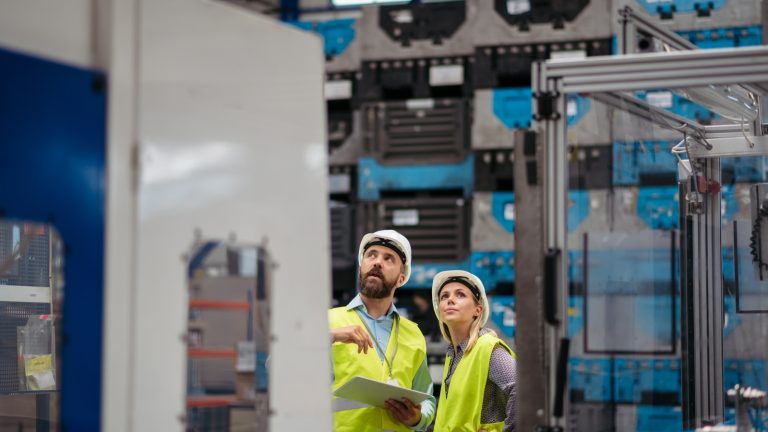
Traceability is essential in chemical manufacturing. Digital systems make it easier to track every material, process, and action. By improving chemical batch traceability, manufacturers can respond quickly to issues and maintain control over complex production environments.
Logging Who Did What and When
Digital systems automatically record user actions with precise timestamps. This creates a clear history of operations, improving accountability.
It also helps quickly identify the source of errors, reducing investigation time and improving overall efficiency.
Tracing Materials From Raw Input to Finished Batch
Every material used in production is tracked from receipt to final product.
This level of detail ensures that manufacturers can trace any issue back to its source. It also supports faster recalls if needed, protecting both consumers and brand reputation.
Identifying Deviations at Exact Production Steps
When a process deviation occurs, digital systems pinpoint the exact step where it happened.
This makes it easier to investigate and resolve issues.
It also helps prevent similar problems in future batches by providing clear insights into root causes.
Simplifying Regulatory Audits and Inspections
During inspections, digital records provide instant access to all required data. This reduces preparation time and stress.
A well-maintained batch record audit trail demonstrates compliance clearly, helping manufacturers pass audits with confidence.
How EBR Integration With MES and ERP Reduces Errors
Integration connects different systems into a single workflow, eliminating data silos. When EBR systems work alongside other platforms, they create a seamless flow of information. This is key to improving accuracy and efficiency in modern manufacturing.
MES Feeding Real-Time Production Data Into EBR
With MES integration, production data flows directly into batch records. This ensures that information is always up to date.
It also reduces manual input, lowering the risk of errors and improving overall data accuracy.
ERP Syncing Material and Inventory Records Automatically
ERP integration ensures that inventory and material data are always aligned with production.
This prevents discrepancies and improves planning. Automated syncing also reduces administrative work, freeing up resources for more critical tasks.
LIMS Linking Quality Test Results to Batch Records
Quality data is integrated through LIMS integration, connecting test results directly to batch records.
This ensures that all quality checks are documented and accessible. It also improves decision-making by providing a complete view of production data.
Eliminating Siloed Data Across Production and Quality Teams
Integration breaks down barriers between departments. By connecting systems like SCADA integration, manufacturers create a unified data environment.
This improves collaboration, reduces errors, and ensures that everyone works with the same accurate information.
How Review-by-Exception Accelerates Batch Release
Review-by-exception changes how quality teams handle batch approvals. Instead of checking every data point, the system highlights only issues that need attention. This reduces workload and speeds up decisions. In advanced environments, review by exception helps streamline approvals while maintaining strict quality standards, making digitalising batch records chemical manufacturing more efficient and responsive.
Flagging Only Deviations for Human Review
Digital systems automatically detect unusual values or missing data. These exceptions are flagged for review, allowing teams to focus only on critical issues.
This reduces time spent on routine checks and improves accuracy.
By prioritising deviations, manufacturers can respond faster and prevent minor issues from becoming major problems.
Approving Compliant Batches Without Manual Checks
When a batch meets all predefined criteria, it can be approved automatically. This eliminates unnecessary manual reviews and reduces delays.
Quality teams can trust the system to validate compliance, ensuring that only batches with issues require attention.
Reducing Batch Release Time Significantly
By automating reviews, manufacturers can dramatically reduce batch release time. Faster approvals mean quicker time-to-market and improved operational efficiency.
This is especially important in high-demand industries where delays can impact supply chains and customer satisfaction.
Freeing QA Teams for Higher-Value Analysis
With fewer manual checks, quality teams can focus on strategic tasks.
They can analyse trends, improve processes, and prevent future issues.
This shift from routine work to high-value analysis strengthens overall quality management.
How AI and Analytics Improve Batch Quality

Artificial intelligence is transforming how manufacturers monitor and improve production. By analysing large datasets, AI can identify patterns that humans might miss. Tools powered by AI quality analytics provide deeper insights, helping manufacturers improve consistency and reduce errors.
AI Detecting Deviation Patterns Across Batches
AI systems analyse historical data to identify recurring issues. This supports better deviation management by highlighting patterns that indicate underlying problems.
Manufacturers can address these issues proactively, improving long-term process stability.
Predicting Process Drift Before Errors Occur
AI models can detect early signs of process drift.
By analysing trends, they predict when a process is moving out of control. This allows operators to take corrective action before errors occur, reducing waste and improving efficiency.
Batch KPI Dashboards for Real-Time Error Visibility
Digital dashboards provide a clear view of performance metrics. A batch KPI dashboard displays key indicators such as yield, quality, and deviations.
This real-time visibility helps teams make informed decisions and maintain consistent production quality.
CAPA Workflows Triggered Automatically on Deviations
When issues occur, systems automatically initiate a CAPA workflow. This ensures that corrective and preventive actions are documented and tracked.
It also improves accountability, ensuring that problems are resolved effectively and do not recur.
Common Challenges When Digitalising Batch Records
While the benefits are clear, transitioning to digital systems comes with challenges. Manufacturers must address technical, cultural, and financial barriers to succeed. Understanding these obstacles helps ensure a smoother adoption of digitalising batch records chemical manufacturing.
Operator Resistance to Leaving Paper Systems
Many operators are comfortable with traditional methods.
Moving away from familiar processes can create resistance.
Training and clear communication are essential to help teams understand the benefits and adapt confidently to new systems.
Integration Complexity With Legacy Equipment
Older machines may not support modern connectivity. Integrating them into digital systems can be complex and costly.
Manufacturers often need custom solutions to bridge this gap and ensure seamless data flow.
System Validation for Regulatory Compliance
Digital systems must be validated to meet industry standards. This process can be time-consuming and requires careful planning.
Proper validation ensures that systems are reliable and compliant with regulatory expectations.
Managing Cost and ROI Expectations Early
Initial investment in digital systems can be significant. Manufacturers must plan carefully to ensure a clear return on investment.
Long-term benefits such as reduced errors and improved efficiency often outweigh the upfront costs.
How to Implement EBR in a Chemical Plant

Implementing EBR requires a structured approach. From assessing current processes to training staff, each step plays a critical role in success. A well-planned strategy ensures that the transition to digital systems is smooth and effective.
Assessing Current Batch Record Workflows
The first step is to evaluate existing processes. Identify inefficiencies, error points, and areas for improvement. This helps define clear goals for the digital transformation and ensures that the new system addresses real challenges.
Choosing GMP-Validated EBR Software
Selecting the right solution is critical. Manufacturers should choose systems designed for compliance and scalability.
A validated platform ensures reliability and supports long-term growth.
Running a Phased or Pilot Implementation
Starting with a pilot project reduces risk. It allows teams to test the system, identify issues, and make improvements before full deployment. This approach ensures a smoother transition and builds confidence among users.
Training Operators Before Full Go-Live
Training is essential for successful adoption. Operators must understand how to use the system effectively.
Hands-on training sessions help build confidence and reduce resistance to change.
Validating the System Against Regulatory Requirements
Before full deployment, the system must be validated.
This ensures that it meets all compliance standards and performs as expected. Proper validation reduces risks and ensures long-term success.
Why Choose Cerexio EBR for Chemical Manufacturing?
Choosing the right platform is critical to achieving error-free production and compliance. Modern manufacturers need systems that combine automation, intelligence, and scalability. This is where digitalising batch records chemical manufacturing reaches its full potential, through solutions designed for Industry 4.0 environments and strict regulatory demands.
Industry 4.0-Compatible EBR Platform
Cerexio EBR is a robust, future-ready Electronic Batch Records System in Singapore, built for smart manufacturing. It connects machines, systems, and users into a single digital ecosystem.
This enables seamless data flow and real-time visibility across operations. By supporting advanced automation and analytics, the Cerexio platform helps manufacturers reduce errors while improving efficiency in complex chemical production environments.
GMP, PIC/S, GAMP, and FDA 21 CFR Compliance
Compliance is built into every layer of the Cerexio platform. It supports global standards, including GMP compliance, ensuring that production processes meet strict quality requirements.
Our system is designed to align with regulatory expectations, helping manufacturers maintain consistency and pass inspections with confidence while reducing the risk of costly non-compliance issues.
IIoT, MES, ERP, and LIMS Fully Integrated
Cerexio integrates seamlessly with production and enterprise systems. Through MES integration, ERP integration, and LIMS integration, it creates a unified data environment. This eliminates silos and ensures that all teams work with accurate, real-time information.
The result is improved coordination, reduced errors, and better decision-making across the entire manufacturing process.
AI-Powered Deviation Detection and CAPA Workflows
Advanced analytics are embedded into the platform. Using intelligent algorithms, Cerexio identifies patterns and potential issues early.
It also supports nonconformance tracking and integrates with quality event management systems. This ensures that deviations are handled quickly and effectively, reducing the risk of recurring problems and improving overall product quality.
Trusted Across Pharmaceutical, Chemical, and Food Sectors
Cerexio is widely adopted across regulated industries where precision and compliance are critical.
Its flexibility allows it to adapt to different production environments while maintaining high standards. This makes it a reliable choice for manufacturers looking to modernise operations and achieve consistent, error-free production outcomes.
Cerexio-The Seal Of Trust In Manufacturing Tech
Ready to Eliminate Batch Record Errors?
Digital transformation is no longer optional in high-precision manufacturing; it is essential. By adopting modern systems, companies can reduce errors, improve compliance, and gain better control over their processes.
Consult Cerexio Manufacturing Quality Specialists
Expert guidance can make a significant difference during implementation. Cerexio specialists work closely with manufacturers to understand their needs and design tailored solutions. This ensures a smooth transition and maximises the benefits of digital systems from day one.
Call for a free demo.
Explore the Cerexio EBR System Today
Manufacturers can explore our platform to see how it fits their operations. From automation to analytics, Cerexio offers a comprehensive solution for managing batch records. This helps organisations move beyond traditional methods and embrace a more efficient, reliable approach to production.
Digitalise Your Batch Records for Zero-Error Compliance
The future of manufacturing lies in accuracy, speed, and compliance. When you adopt digital systems, your company can eliminate manual errors and improve overall performance. Investing in the right technology today ensures long-term success in an increasingly competitive and regulated market.
FAQs About Digitalising Batch Records In Chemical Manufacturing
Validation for electronic batch record systems involves installation qualification, operational qualification, and performance qualification. These steps confirm the system works as intended, meets regulatory expectations, and maintains consistent data integrity. Validation also ensures compliance with audit requirements and supports long-term reliability in regulated production environments.
Role-based access control restricts system functions based on user responsibilities. Operators, supervisors, and QA teams only access relevant features. This reduces unauthorised changes, prevents data manipulation, and strengthens auditability. It also supports compliance by ensuring accountability for every action recorded within the system.
In offline scenarios, systems store data locally using secure buffers. Once connectivity is restored, the information syncs automatically with central servers. This ensures no data loss occurs during interruptions while maintaining continuity, accuracy, and compliance with regulated documentation standards across production environments.
Batch record deviation handling focuses on identifying process variations during production, while nonconformance tracking records quality failures after evaluation. Together, they ensure complete oversight. Deviation handling is real-time, whereas nonconformance tracking supports corrective analysis and long-term quality improvement strategies within manufacturing workflows.
Time synchronisation ensures all integrated systems record events using the same timestamp source. This prevents inconsistencies in audit trails across MES, ERP, and LIMS platforms. Accurate time alignment improves traceability, strengthens compliance evidence, and supports reliable reconstruction of production events during regulatory inspections.