
A recent industry report shows that manufacturers adopting predictive strategies can cut downtime by up to 50%. Did you know this? Yet many factories still rely on outdated approaches that silently drain profits. If your operations feel reactive, unpredictable, or costly, it may be time to rethink your strategy.
This article explores the 5 critical signs your predictive maintenance Singapore factory strategy is overdue, and how modern technologies can transform your operations.
We will discover
- Why Predictive Maintenance Matters for Singapore Factories
- Sign 1 — Unplanned Downtime Is Increasing
- Sign 2 — Maintenance Costs Keep Rising
- Sign 3 — OEE Is Below Industry Benchmarks
- Sign 4 — Quality Failures Are Linked to Equipment
- Sign 5 — Your Team Is Always in Reactive Mode
- How Predictive Maintenance Works in Practice
- How Vibrational and Thermal Analysis Detect Failure
- How FMEA Strengthens Predictive Maintenance
- How Digital Twin Enhances Factory Maintenance
- How PdM Integrates With MES and ERP Systems
- What Singapore Factories Gain From PdM Adoption
- FAQs About Predictive Maintenance For Singapore Factory
Why Predictive Maintenance Matters for Singapore Factories

Predictive maintenance helps factories detect failures before they happen using data, sensors, and analytics. In a fast-moving industrial hub like Singapore, this approach supports efficiency, safety, and competitiveness.
Key Takeaways
- Predictive maintenance helps Singapore factories reduce downtime and improve efficiency.
- Rising maintenance costs and frequent breakdowns signal the need for change.
- IIoT sensors and AI enable early detection of machine failures.
- Integrating PdM with MES and ERP drives smarter, data-driven operations.
Singapore's Push Toward Industry 4.0
Singapore is rapidly evolving into an Industry 4.0 Singapore leader, with strong government backing for digital transformation.
The rise of the smart factory Singapore model is changing how production lines operate. Manufacturers are adopting automation, data analytics, and connected systems to stay competitive in Singapore manufacturing.
Predictive maintenance fits directly into this shift by enabling smarter, data-driven decisions.
What Reactive Maintenance Really Costs
Many factories still depend on reactive maintenance manufacturing Singapore, fixing machines only after breakdowns. This leads to rising repair costs, unexpected production losses, and high emergency breakdown cost events.
Over time, this approach reduces efficiency and increases stress on teams. What seems cheaper upfront often becomes far more expensive in the long run due to repeated failures.
PdM Reducing Downtime by 50%
Studies show that predictive maintenance PdM strategies can significantly reduce disruptions. According to industry benchmarks, 50% downtime, predictive models identify issues early, preventing costly shutdowns.
This means fewer interruptions, smoother workflows, and better planning.
Factories that adopt PdM often see immediate improvements in uptime and operational stability.
When to Make the Switch
If your factory struggles with frequent breakdowns, inconsistent performance, or rising maintenance costs, it is time to consider change. Waiting too long increases asset degradation and risk.
Moving from preventive maintenance schedules to data-driven insights allows better decision-making and long-term savings.
The earlier you switch, the faster you gain control over your assets.
Sign 1 — Unplanned Downtime Is Increasing

When downtime becomes frequent and unpredictable, it is a strong indicator that your maintenance strategy is failing. Predictive tools can help you regain control before losses escalate.
Machines Failing Without Early Warning
Unexpected machine failure is one of the clearest warning signs.
Equipment may appear fine, but suddenly stop working due to hidden faults.
Without proper monitoring, these failures occur without warning. This lack of visibility disrupts planning and increases risk.
Over time, these incidents reduce trust in your equipment and create uncertainty across operations.
Downtime Disrupting Daily Production Targets
Frequent interruptions directly impact production throughput. When machines stop, targets are missed, and delivery timelines slip.
This is especially critical in high-demand environments. Many factories in Singapore experience unplanned downtime. Singapore factory issues that ripple across supply chains.
Even short delays can result in lost revenue and strained customer relationships.
Emergency Repairs Becoming the Norm
If your team constantly handles urgent fixes, your factory is stuck in a reactive cycle. These repairs often exceed planned budgets, causing maintenance overrun and pressure on resources.
Instead of improving systems, teams spend time firefighting. This not only increases costs but also reduces overall efficiency and morale among maintenance staff.
How IIoT Sensors Detect Failure Early
Modern systems use IIoT sensors to continuously monitor machine health. These sensors collect data on temperature, vibration, and performance.
With IIoT sensor factory monitoring Singapore, factories gain early warnings of potential failures.
This allows teams to act before breakdowns occur, reducing downtime and improving overall reliability.
Sign 2 — Maintenance Costs Keep Rising
If your maintenance budget keeps increasing without clear results, it is a sign that your approach lacks efficiency. Predictive maintenance aligns costs with actual needs.
Emergency Repairs, Draining Maintenance Budgets
Frequent breakdowns lead to repeated spending on urgent fixes. These unplanned repairs quickly inflate budgets and reduce profitability. Over time, factories experience significant emergency breakdown cost burdens.
This reactive cycle makes it difficult to allocate resources effectively or invest in long-term improvements.
Spare Parts Spending Becoming Unpredictable
Without accurate forecasting, your spare parts budget becomes unstable. Parts are either overstocked or unavailable when needed.
This unpredictability increases costs and delays repairs. Predictive systems analyse usage patterns to ensure parts are available exactly when required, improving efficiency and reducing waste.
Over-Maintaining Healthy Assets Unnecessarily
Traditional schedules often lead to unnecessary servicing of equipment that is still in good condition. This wastes time and money.
By shifting to condition-based maintenance manufacturing, factories only service machines when data indicates a real need, improving efficiency and reducing unnecessary work.
How PdM Aligns Costs With Actual Risk
Predictive maintenance uses AI failure prediction and machine learning models to assess risk levels. This allows factories to focus resources on critical assets. Instead of blanket maintenance schedules, actions are based on real conditions.
This approach reduces waste, improves budgeting accuracy, and supports better financial planning.
Sign 3 — OEE Is Below Industry Benchmarks
Low equipment effectiveness signals deeper operational issues. Predictive maintenance helps identify and fix the root causes affecting performance.
Low Availability From Frequent Stoppages
Frequent downtime reduces equipment availability, a key component of OEE, overall equipment effectiveness.
When machines are offline, production suffers. This directly impacts output and profitability.
Improving uptime through predictive insights helps stabilise operations and maintain consistent production levels.
Performance Losses From Degraded Equipment
As machines wear down, performance declines. This leads to slower operations and reduced efficiency. Hidden issues often go unnoticed until they become severe.
Monitoring mean time between failures helps identify patterns and predict when equipment needs attention, preventing performance drops.
Quality Defects Linked to Machine Condition
Poor machine health often leads to increased scrap rate and defects. When equipment operates outside optimal conditions, product quality suffers.
This results in rework, waste, and customer dissatisfaction.
Predictive maintenance ensures machines stay within optimal parameters, improving consistency.
Real-Time OEE Tracking With Predictive Tools
Modern systems provide real-time monitoring of performance metrics. With OEE improvement predictive maintenance, factories can track efficiency continuously and respond quickly to issues.
This visibility enables better decision-making and ensures production targets are consistently met.
Sign 4 — Quality Failures Are Linked to Equipment
When product quality becomes inconsistent, the root cause is often hidden inside your machines. Predictive maintenance helps identify these issues early and protect output standards.
Defects Traced Back to Machine Anomalies
Many defects originate from subtle machine issues that go unnoticed. These could include misalignment, overheating, or irregular motion patterns.
With advanced anomaly detection, predictive systems can flag these irregularities early. Instead of discovering defects after production, factories can correct issues before they affect output, reducing waste and improving reliability.
Inconsistent Output From Worn Assets
As equipment ages, wear and tear affect consistency. This leads to fluctuations in performance and uneven product quality.
Over time, unnoticed wear reduces efficiency and increases variability. Monitoring wear patterns helps detect early signs of failure. This improves factory asset reliability Singapore and ensures machines operate within stable parameters for longer periods.
First Pass Yield Declining Over Production Runs
A drop in first pass yield is a clear sign of equipment-related issues. When more products fail initial quality checks, rework increases and efficiency drops.
This often indicates hidden mechanical or calibration problems. Predictive tools help identify these issues early, allowing teams to fix them before they impact large production batches.
How Condition Monitoring Protects Product Quality
Continuous monitoring ensures machines operate within optimal conditions. This approach, often linked to condition-based maintenance, helps maintain consistent quality. By tracking key indicators like temperature and vibration, factories can prevent defects before they occur.
This proactive approach strengthens product standards and reduces costly quality failures.
Sign 5 — Your Team Is Always in Reactive Mode
If your maintenance team is constantly responding to problems instead of preventing them, your strategy needs an upgrade. Predictive maintenance shifts the focus from reaction to prevention.
Technicians Responding to Breakdowns Not Preventing Them
When teams spend most of their time fixing breakdowns, productivity suffers. This is a classic sign of reactive maintenance. Instead of improving systems, technicians are stuck handling urgent issues.
Over time, this limits innovation and prevents long-term improvements in maintenance practices.
No Visibility Into Upcoming Asset Failures
Without proper data, predicting failures becomes nearly impossible. Teams operate blindly, reacting only after problems occur.
This lack of foresight increases risk and downtime.
Predictive systems provide insights into remaining useful life, helping teams plan maintenance before failures happen.
Maintenance Scheduled by Time, Not Condition
Time-based schedules often fail to reflect actual machine health. Some equipment is serviced too early, while others fail unexpectedly.
This inefficiency leads to wasted resources and missed opportunities. Predictive maintenance replaces guesswork with data-driven decisions, improving accuracy and efficiency.
Shifting From Reactive to Predictive Workflows
Transitioning to predictive workflows transforms operations. Instead of reacting, teams prevent failures using data insights. This shift enables better planning, improved efficiency, and reduced downtime.
Many factories are now adopting AI-powered maintenance Singapore strategies to stay competitive and future-ready.
How Predictive Maintenance Works in Practice
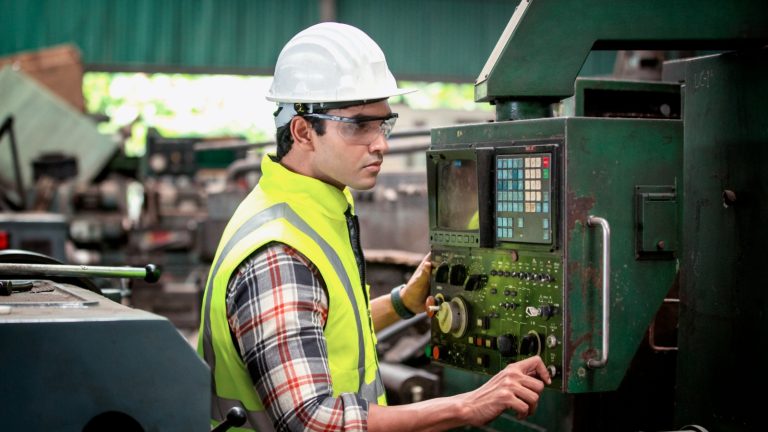
Predictive maintenance combines sensors, data analytics, and automation to detect and prevent failures before they happen. It turns raw data into actionable insights.
IIoT Sensors Collecting Real-Time Asset Data
Modern factories rely on connected devices to monitor equipment continuously. These sensors capture data such as temperature, pressure, and motion.
This enables accurate tracking of machine health.
With this constant data flow, factories can detect early signs of machine failure prevention Singapore and act before issues escalate.
AI Models Detecting Early Failure Patterns
Advanced analytics uses historical and real-time data to identify patterns.
These systems rely on machine learning models to predict failures before they occur. By analysing trends, they provide early warnings that allow maintenance teams to intervene proactively, reducing downtime and improving reliability.
Vibration, Thermal, and Acoustic Analysis Combined
Predictive maintenance uses multiple techniques for accurate insights. Vibration analysis detects imbalance and wear, while infrared thermal analysis identifies overheating components. Acoustic analysis captures sound patterns linked to stress and friction.
Combining these methods provides a comprehensive view of machine health.
Work Orders Triggered Before Breakdowns Occur
Automation ensures timely action. When systems detect issues, they initiate work order automation processes.
This means maintenance tasks are scheduled before failures happen. Integration with systems like CMMS integration ensures tasks are tracked and completed efficiently, reducing delays and improving coordination.
How Vibrational and Thermal Analysis Detect Failure
Advanced diagnostic techniques help identify issues that are invisible to the human eye. These methods provide deep insights into machine health.
Vibrational Patterns Revealing Misalignment and Wear
Changes in vibration levels often indicate internal issues.
Misalignment, imbalance, and wear can all be detected through vibration monitoring. By analysing patterns, factories can identify problems early and prevent further damage, improving equipment lifespan and reliability.
Infrared Analysis Detecting Heat-Related Faults
Heat is a key indicator of machine problems.
Infrared technology detects abnormal temperature changes that signal faults. Overheating components can be identified before they fail, allowing timely intervention and reducing the risk of breakdowns.
Acoustic Analysis Catching Friction and Stress
Sound analysis helps detect issues that may not be visible. Friction, cracks, and stress often produce unique acoustic signatures.
Monitoring these sounds allows early detection of faults, improving maintenance accuracy and preventing unexpected failures.
Multi-Method Detection for Higher Accuracy
Using multiple diagnostic methods increases reliability. Combining vibration, thermal, and acoustic data provides a more complete understanding of machine health. This multi-layered approach reduces false alarms and ensures accurate predictions, enabling better decision-making.
How FMEA Strengthens Predictive Maintenance

Failure Mode and Effects Analysis adds structure to predictive maintenance strategies by identifying risks and prioritising actions.
Identifying Every Potential Failure Mode
FMEA analysis helps map out all possible ways a machine can fail. This structured approach ensures no risk is overlooked.
By understanding failure modes, teams can develop targeted strategies to prevent issues before they occur.
Ranking Failures by Severity and Frequency
Not all failures have the same impact. FMEA ranks them based on severity and likelihood. This helps teams focus on critical risks first.
Considering asset criticality ensures resources are allocated effectively, improving overall maintenance efficiency.
Combining FMEA With Real-Time Sensor Data
Integrating FMEA with live data enhances accuracy.
Sensor insights validate assumptions and update risk models dynamically. This combination allows factories to adapt quickly to changing conditions and improve predictive capabilities.
Building Smarter Maintenance Schedules
FMEA insights help create optimised schedules based on actual risk levels.
Instead of generic plans, maintenance becomes targeted and efficient.
This reduces downtime, lowers costs, and improves overall system performance.
How Digital Twin Enhances Factory Maintenance
Digital twins create virtual replicas of physical assets, allowing factories to simulate, predict, and optimise maintenance strategies without disrupting real operations.
Simulating Asset Failure Before It Happens
With digital twin simulation, factories can model how equipment behaves under different conditions. This allows teams to test failure scenarios safely.
Instead of waiting for real breakdowns, engineers can predict issues in advance. This approach reduces uncertainty and helps prevent costly disruptions while improving long-term planning.
Testing Maintenance Strategies Virtually First
Before applying changes on the factory floor, teams can test them in a virtual environment. This minimises risk and ensures strategies are effective. By experimenting digitally, factories avoid unnecessary downtime and improve decision-making.
It also allows teams to refine maintenance approaches before real-world implementation.
Syncing Digital Twin With Live Sensor Feeds
Digital twins become more powerful when connected to real-time data. By syncing with real-time monitoring systems, they reflect actual machine conditions.
This creates a dynamic model that evolves continuously. Engineers gain deeper insights into performance, enabling faster and more accurate maintenance decisions.
Predicting Asset Health 10 Years Ahead
Advanced simulations can forecast long-term equipment performance. By analysing trends, factories can estimate future conditions and plan investments. This includes predicting wear patterns and identifying when replacements are needed.
Long-term forecasting improves budgeting and ensures sustainable operations.
How PdM Integrates With MES and ERP Systems
Predictive maintenance becomes even more effective when integrated with enterprise systems. This ensures seamless data flow and better coordination across departments.
Maintenance Alerts Feeding Into MES Workflows
Predictive systems can connect directly with the MES maintenance module, allowing alerts to trigger production adjustments.
When issues are detected, workflows adapt instantly. This prevents disruptions and keeps production aligned with maintenance activities.
ERP Triggered by Predicted Failure Events
Integration with enterprise systems allows maintenance insights to influence business decisions. With ERP integration, predicted failures can trigger procurement, scheduling, and budgeting actions.
This ensures resources are ready before issues occur, improving efficiency across the organisation.
Unified Dashboard for Asset and Production Data
A centralised dashboard combines maintenance and production data. This eliminates data silos and improves visibility.
Teams can monitor performance, risks, and outputs in one place, enabling faster and more informed decisions.
Eliminating Siloed Maintenance Decision-Making
Disconnected systems often lead to poor communication and inefficiency. Integration ensures all departments work with the same data.
This alignment improves coordination, reduces delays, and enhances overall operational performance.
What Singapore Factories Gain From PdM Adoption
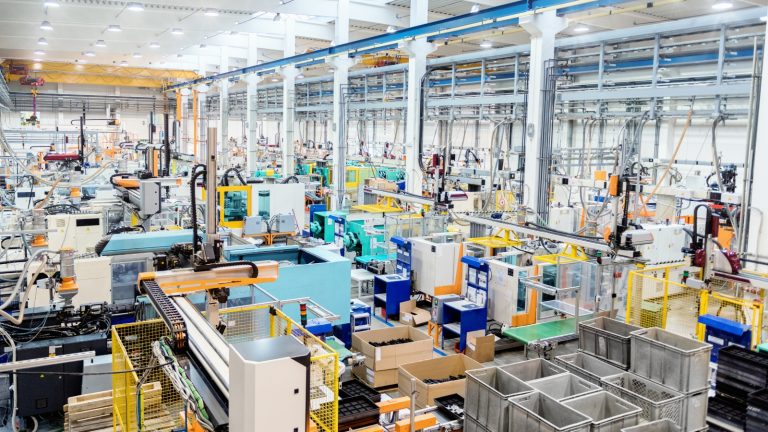
Predictive maintenance delivers measurable benefits that directly impact productivity, cost, and safety. It transforms how factories operate and compete.
80%+ Reduction in Unplanned Shutdowns
Factories adopting predictive strategies often achieve dramatic reductions in downtime. By addressing issues early, they avoid unexpected breakdowns.
This leads to smoother operations and improved reliability. Reduced downtime also increases confidence in production planning.
Extended Asset Lifespan by Up to 40%
Monitoring and maintaining equipment based on actual conditions extends its usable life. This reduces the need for frequent replacements and lowers capital expenditure.
Over time, factories maximise the value of their assets while maintaining performance.
Safer Working Environments for Factory Staff
Predictive maintenance improves safety by preventing sudden failures. Machines operate more reliably, reducing the risk of accidents.
Early detection of faults also protects workers from hazardous situations, creating a safer workplace.
Stronger Production Yield and Quality Consistency
Stable equipment performance leads to consistent output. This improves product quality and reduces waste.
Factories can meet customer expectations more reliably while maintaining efficiency and profitability.
Why Choose Cerexio for Predictive Maintenance?
Choosing the right partner is critical for successful implementation. Cerexio offers a robust Predictive Maintenance platform that is tailored to modern manufacturing needs.
AI and ML Models Trained on Real Factory Data
Cerexio PM solution uses advanced analytics powered by real operational data. These models deliver accurate predictions and actionable insights. By understanding real-world conditions, they provide reliable recommendations that improve performance and reduce risk.
10-Year Asset Failure and Cost Forecasting
Long-term forecasting helps factories plan effectively. Cerexio’s tool provides insights into future failures and costs. This enables better budgeting and strategic decision-making, ensuring sustainable operations.
Full IIoT, MES, ERP, and CMMS Integration
CerexioPM integrates seamlessly with existing systems, including IIoT, MES, ERP, and CMMS platforms. This ensures smooth data flow and eliminates inefficiencies. Factories benefit from a unified ecosystem that supports better decision-making.
Digital Twin and Simulation Built In
The Cerexio solution includes built-in digital twin capabilities. This allows factories to simulate scenarios, test strategies, and optimise performance without disrupting operations. It enhances predictive accuracy and improves planning.
Trusted by Singapore Manufacturers Since 2008
With years of experience, Cerexio has built a strong reputation in the industry. Its solutions are trusted by manufacturers across Singapore, delivering proven results and long-term value.
Cerexio-A Trusted Partner In All Manufacturing Operations
Ready to Move Beyond Reactive Maintenance?
If your factory is still relying on outdated methods, now is the time to act. Predictive maintenance offers a smarter, more efficient way forward.
Consult Cerexio Manufacturing Specialists Today
We believe that expert guidance can help you identify gaps and opportunities. Cerexio specialists provide tailored recommendations based on your factory’s needs, ensuring a smooth transition to predictive maintenance.
Call for a free demo.
Explore the Cerexio Predictive Maintenance Platform
Discover how advanced tools can transform your operations. Cerexio’s platform offers powerful features that improve efficiency, reduce costs, and enhance reliability across your factory.
Start Protecting Your Factory Assets Proactively
Taking action today helps prevent future problems. By adopting predictive maintenance, you can protect your assets, improve performance, and stay competitive in a rapidly evolving industry.
FAQs About Predictive Maintenance For Singapore Factory
Predictive maintenance uses data from sensors, analytics, and AI to monitor machine health and predict failures before they happen. In Singapore factories, it supports smarter operations by reducing downtime, improving reliability, and enabling data-driven maintenance decisions aligned with modern Industry 4.0 practices.
IIoT sensors collect continuous data on vibration, temperature, and pressure. This data feeds into analytics systems that detect patterns and anomalies. By identifying early warning signs, these sensors improve prediction accuracy and allow maintenance teams to fix issues before failures disrupt production.
Predictive maintenance integrates with MES and ERP systems by sharing real-time data and alerts. Maintenance insights can trigger production adjustments, procurement actions, and scheduling updates. This integration ensures better coordination across departments and supports faster, more informed operational decisions.
FMEA helps identify possible failure modes and assess their impact and likelihood. When combined with predictive data, it allows teams to prioritise high-risk issues. This structured approach improves maintenance planning, reduces unexpected failures, and ensures resources are used effectively.
Digital twin technology creates a virtual model of physical assets. It simulates performance, predicts failures, and tests maintenance strategies without affecting operations. This helps factories optimise decisions, reduce risks, and improve long-term planning by understanding equipment behaviour under different conditions.