
Did you notice that many factories collect huge amounts of data but still struggle to act on it in time? That gap is where performance is lost. According to recent industry research, manufacturers using advanced control tower systems report up to 20% faster decision-making and 15% higher productivity gains. The difference is not more data, it is a smarter use of it. This is where a manufacturing control tower becomes essential for modern operations.
In this article, we explore how to manage KPI performance with a manufacturing control tower.
We will look into
- What Is a Manufacturing Control Tower?
- What KPI Categories Does a Control Tower Manage?
- How Does It Monitor Production KPIs in Real Time
- How Are Quality KPIs Tracked Across the Factory Floor?
- How Does a Control Tower Improve Delivery KPI Performance?
- What Role Does Predictive Analytics Play in KPI Management?
- How Does Digital Twin Technology Support KPI Optimisation?
- How Does a Control Tower Eliminate Cross-Functional Data Silos?
- What Common KPI Failures Does a Control Tower Prevent?
- How Does It Support Continuous Improvement Initiatives?
- What Business Outcomes Does Control Tower KPI Management Deliver?
- How to Transition From Planning to Implementation?
- FAQs About Manufacturing Control Tower
What Is a Manufacturing Control Tower?
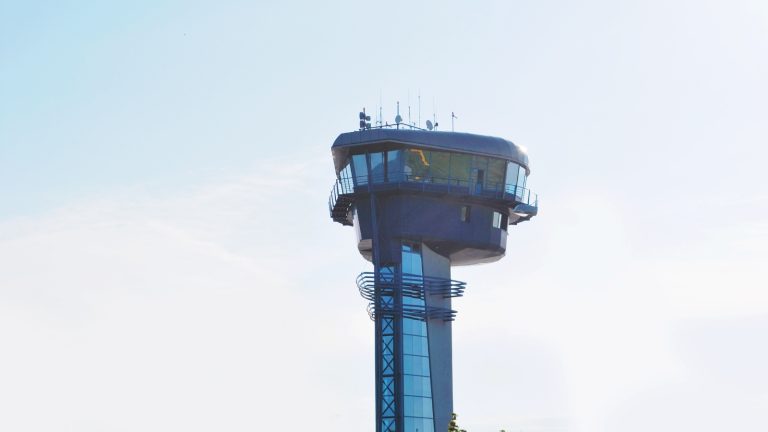
A manufacturing control tower is a central platform that gives full visibility into operations, helping teams track, analyse, and act on KPIs instantly. It connects systems, removes blind spots, and supports KPI performance management manufacturing in real time.
Key Takeaways
- A manufacturing control tower gives real-time visibility to track and improve KPIs across the entire factory.
- It connects systems and eliminates silos, enabling faster and smarter decision-making.
- Predictive analytics and digital twin technologies help prevent KPI failures before they happen.
- Manufacturers achieve better productivity, quality, and on-time delivery with data-driven control.
Defining a Control Tower as a Centralised Intelligence Hub for Factory-Wide Visibility
A control tower acts like the brain of the factory.
It gathers data from all systems and shows it in one place, creating true control tower visibility. Instead of checking multiple dashboards, managers see everything from production to delivery on one screen.
This central view improves coordination and speeds up decisions.
With a unified KPI dashboard, your teams can quickly spot issues and respond before they grow into bigger problems. It turns scattered data into clear, actionable insights.
How It Unifies MES, ERP, SCADA, and IIoT Data into One Command Layer
Factories use many systems, such as MES, ERP, and SCADA. The control tower connects them all through MES integration, ERP integration, and SCADA data pipelines.
It also captures data from IIoT sensors across machines. This creates a single command layer where information flows smoothly.
As a result, your teams no longer switch between systems to understand performance. Everything is aligned, making decisions faster and more accurate.
This is the foundation of real-time manufacturing visibility.
Why Disconnected Systems Prevent Manufacturers from Acting on KPI Deviations in Time
Disconnected systems create delays.
This means that data comes late, reports are outdated, and teams react too slowly. Without data silo elimination, it is hard to identify issues quickly.
For example, production may slow down, but quality or maintenance teams may not see it immediately. This delay leads to missed targets and higher costs.
As we can see, a control tower removes these silos. The latter ensures everyone works with the same real-time data and can act instantly.
The Shift from Reactive Reporting to Real-Time, Predictive KPI Management
Traditional reporting looks at the past. Control towers focus on the present and future.
With real-time monitoring, your managers see live performance instead of waiting for reports.
More importantly, they use predictive decision-making manufacturing to forecast issues before they happen. This shift allows teams to prevent problems instead of fixing them later. Moreover, it changes KPI management from reactive to proactive, improving overall efficiency.
What KPI Categories Does a Control Tower Manage?
A control tower manages all key manufacturing KPIs in one place. It ensures that production, quality, delivery, inventory, and maintenance metrics are aligned for better performance.
- Production KPIs: OEE, Throughput, Cycle Time, and Capacity Utilisation
Production KPIs measure how efficiently a factory runs. This is where metrics like overall equipment effectiveness OEE, production throughput, and cycle time show how well machines perform.
The control tower also helps with OEE calculation and tracks takt time to match production speed with demand. These insights support better capacity planning and help managers improve output without increasing costs.
With real-time tracking, production teams can quickly adjust operations and avoid delays.
- Quality KPIs: First Pass Yield, Defect Rate, Scrap Rate, and Six Sigma Compliance
Quality KPIs ensure products meet standards. In this context, metrics like first pass yield, defect rate, and scrap rate show how well processes perform.
The control tower supports quality KPI monitoring by tracking these values continuously. It also aligns with Six Sigma DMAIC methods to improve quality over time.
With better visibility, teams can reduce defects and maintain consistent product quality across all production lines.
- Delivery KPIs: On-Time Delivery, Schedule Attainment, and Order Fulfilment Rate
Delivery KPIs focus on meeting customer expectations. Metrics like on-time delivery OTD, schedule attainment, and order fulfilment measure how reliably products are delivered.
The control tower tracks the on-time delivery KPI in real time, helping teams stay on schedule.
It also improves coordination between production and logistics, ensuring orders are completed and shipped without delays.
- Inventory KPIs: Work-In-Progress Levels and Material Availability
Inventory KPIs track materials and stock levels. Metrics like work-in-progress WIP and inventory turnover show how efficiently resources are used.
The control tower provides clear visibility into material availability, reducing shortages and excess stock. This helps maintain smooth production flow and lowers holding costs.
- Maintenance KPIs: Unplanned Downtime and Predictive Alert Response Rates
Maintenance KPIs focus on equipment health. Metrics like unplanned downtime and alert response times help improve downtime reduction. With predictive alerts, teams can act before failures happen. This reduces disruptions and keeps production running smoothly.
How Does It Monitor Production KPIs in Real Time?
A control tower continuously tracks production data to ensure operations stay on target. It uses advanced technologies to deliver instant insights and alerts.
IIoT Sensors Streaming Live Performance Data to the Control Tower Continuously
You may have noticed that many modern factories rely on IIoT sensors to collect live data from machines.
These sensors send information directly to the control tower, enabling continuous production KPI tracking. This real-time data flow ensures that performance is always visible.
This way, managers can monitor machine conditions, output levels, and efficiency without delays. This constant stream of information helps identify problems early and maintain smooth operations.
Real-Time OEE Dashboards Tracking Availability, Performance, and Quality Together
The control tower combines availability, performance, and quality into one OEE view. This allows teams to understand equipment efficiency at a glance.
By tracking overall equipment effectiveness OEE, managers can quickly identify losses and improve productivity. These dashboards make it easier to compare performance across shifts and machines, helping teams focus on improvement areas.
Automated Bottleneck Detection: Identifying Which Stations Constrain Throughput
We all know that production delays often happen due to bottlenecks. The control tower uses bottleneck detection to find these weak points.
It shows which machines or stations slow down the process. Once identified, teams can take action to fix the issue. This improves flow and increases overall output.
Cycle Time Monitoring to Ensure Production Pace Aligns with Customer Demand
Monitoring cycle time ensures that production keeps up with demand. The control tower tracks how long each process takes and compares it with the required output levels.
If production slows down, alerts are triggered. This helps maintain consistent performance and meet customer expectations.
Instant Alerts When Production KPIs Breach Defined Thresholds
The control tower sends instant alerts when KPIs go outside set limits. This allows teams to act immediately. Instead of waiting for reports, they can fix problems in real time.
These alerts improve responsiveness and reduce the risk of major disruptions.
How Are Quality KPIs Tracked Across the Factory Floor?

Quality tracking in a control tower is continuous, connected, and data-driven. It ensures that defects are caught early, processes stay stable, and compliance standards are always met.
First Pass Yield Monitoring Catching Defects at Station Level Before They Spread
First pass yield monitoring helps identify defects at the exact point they occur. Instead of discovering issues at the end of the line, the control tower flags them at each station.
This prevents defective products from moving forward.
With quality traceability, teams can trace problems back to specific processes. This early detection reduces waste and improves efficiency. It also ensures that quality remains consistent across all production stages.
Statistical Process Control: Detecting Process Drift in Real Time
The control tower uses statistical process control to track variations in production. It continuously monitors data and identifies when a process starts to drift from its standard range. This allows teams to take action before defects occur.
By maintaining stable processes, manufacturers can improve consistency and reduce errors. Real-time insights ensure that production stays within acceptable limits at all times.
Root Cause Analysis Linking Quality Deviations to Specific Machines or Operators
When quality issues occur, finding the cause quickly is critical. The control tower supports root cause analysis by linking deviations to specific machines, materials, or operators. This helps teams fix problems at their source instead of treating symptoms.
With accurate insights, corrective actions become faster and more effective.
Over time, this reduces recurring issues and improves overall quality performance.
Full Product Traceability Supporting Quality Compliance and Audits
Traceability is essential for compliance and customer trust. The control tower records every step of the production process.
This ensures complete visibility into materials, processes, and outputs. During audits, teams can quickly access detailed records.
This improves transparency and ensures that products meet regulatory standards. Strong traceability also helps manage recalls more effectively if needed.
Six Sigma DMAIC Supported by Control Tower Data for Structured Improvement
The control tower provides accurate data for Six Sigma DMAIC processes. Teams can define, measure, analyse, improve, and control quality using real-time insights. This structured approach helps identify improvement opportunities and track results.
By using data-driven methods, manufacturers can achieve consistent quality improvements and reduce variation across production lines.
How Does a Control Tower Improve Delivery KPI Performance?
A control tower enhances delivery performance by connecting production, inventory, and logistics data. This ensures that customer commitments are met consistently.
On-Time Delivery Tracking Compared Against Customer Order Schedules in Real Time
The control tower tracks deliveries against customer schedules continuously. By monitoring the on-time delivery KPI, teams can see if orders are on track.
If delays occur, alerts are triggered immediately. This allows quick corrective actions. Real-time tracking ensures that customer expectations are met and improves reliability.
Schedule Attainment Analysis Showing Where Production Falls Behind and Why
Schedule attainment analysis highlights gaps between planned and actual production. The control tower shows where delays happen and identifies their causes. By improving schedule attainment, teams can align production with plans more effectively.
This reduces missed deadlines and improves operational efficiency.
Lead Time Visibility Across Production, Inventory, and Logistics From One Screen
The control tower provides full visibility into lead time across all processes. From raw materials to final delivery, every step is tracked. This helps identify delays and improve coordination.
With better visibility, teams can optimise workflows and reduce waiting times.
Automated Re-Scheduling Alerts When Downtime or Quality Issues Threaten Commitments
Unexpected issues can disrupt schedules. The control tower sends alerts when downtime or quality problems affect delivery timelines.
This allows teams to adjust plans quickly. Automated re-scheduling ensures that production stays aligned with customer commitments.
Supply Chain Integration: Aligning Material Availability With Delivery Timelines
The control tower connects production with supply chain operations. It tracks material availability and aligns it with delivery schedules.
This ensures that production is not delayed due to shortages. By improving coordination, manufacturers can meet delivery targets more consistently and strengthen their supply chain KPI performance.
What Role Does Predictive Analytics Play in KPI Management?

Predictive analytics helps manufacturers move from reacting to problems to preventing them. It uses data and advanced models to forecast performance and guide decisions.
AI and ML Models Forecasting KPI Deviations Before They Occur
The control tower uses predictive analytics and AI decision-making to forecast KPI trends. By analysing historical and real-time data, it predicts when performance may drop.
This allows teams to take action before issues occur. Predictive insights improve planning and reduce risks.
Demand Forecasting: Aligning Schedules With Expected Order Volumes
Accurate demand forecasting helps align production with customer needs. The control tower analyses past trends and market data to predict future demand. This ensures that production schedules are realistic and efficient.
It also reduces overproduction and shortages.
Predictive Maintenance Alerts Preventing Failures That Derail Production KPIs
Equipment failures can disrupt operations. The control tower uses predictive models to detect early signs of wear and failure.
Maintenance teams receive alerts before breakdowns happen. This prevents unplanned downtime and keeps production running smoothly.
What-If Scenario Analysis Simulating KPI Impact Before Production Changes Are Made
The control tower supports what-if analysis to test different scenarios.
Teams can simulate changes in schedules, resources, or processes and see their impact on KPIs. This reduces risks and improves decision-making.
Prescriptive Recommendations When KPIs Fall Below Targets
Beyond predictions, the control tower provides prescriptive analytics.
It suggests actions to improve performance when KPIs drop. These recommendations help teams respond quickly and effectively, ensuring continuous improvement.
How Does Digital Twin Technology Support KPI Optimisation?
Digital twin technology creates a virtual model of the factory. It helps simulate and optimise performance before making real-world changes.
Digital Twin Creating a Virtual Replica of the Floor for Real-Time KPI Simulation
A digital twin replicates the physical factory in a virtual environment. It receives live data and mirrors real operations.
This allows teams to test changes and monitor performance without disrupting production. It provides deeper insights into KPI behaviour.
Testing Schedule Changes and Capacity Expansions Virtually Before Deployment
With a digital twin, manufacturers can test new schedules or capacity plans. This helps identify potential issues before implementation.
When validating changes virtually, risks are reduced, and outcomes are improved.
Synchronising Digital Twin Data With Live Control Tower Feeds for Ongoing Calibration
The digital twin stays up to date by syncing with live control tower data. This ensures that simulations remain accurate.
Plus, continuous calibration improves reliability and supports better decision-making.
Simulating Quality Failure Scenarios to Evaluate Impact on Yield and Delivery KPIs
The digital twin allows teams to simulate quality failures. This helps understand how defects affect production and delivery.
By testing different scenarios, manufacturers can prepare for risks and improve resilience.
Using Digital Twin Insights to Set Realistic KPI Targets for Each Production Line
Insights from the digital twin help set achievable KPI targets. By analysing performance under different conditions, teams can define realistic goals.
This improves planning and ensures better outcomes.
How Does a Control Tower Eliminate Cross-Functional Data Silos?
A control tower eliminates silos by integrating all operational systems into a single, shared data environment, enabling faster, more aligned decision-making.
Integrating MES, ERP, WMS, and SCADA Into One Unified Data Layer
One of the biggest challenges in manufacturing is the presence of disconnected systems.
A control tower solves this by combining MES, ERP, WMS, and SCADA into one platform. Through strong MES integration and ERP integration, data flows seamlessly across departments. This unified layer ensures that everyone works with the same information. It reduces confusion and improves coordination.
With all systems connected, teams can make faster and more accurate decisions without switching between multiple tools.
Role-Based Dashboards Giving Production, Quality, and Logistics Teams Their Own Views
Different teams need different insights. The control tower provides role-based dashboards tailored to each function.
Production teams see machine performance, quality teams monitor defects, and logistics teams track deliveries. Each dashboard is powered by a shared KPI dashboard, ensuring consistency across them.
This approach improves focus and helps teams act quickly. By providing relevant data to each role, the system enhances efficiency and reduces information overload.
Surfacing Cross-Functional KPI Interdependencies Across Departments in One Platform
Manufacturing KPIs are interconnected. A delay in production can affect delivery, and quality issues can impact inventory. The control tower highlights these relationships on a single platform.
This visibility helps teams understand how their actions affect others. By surfacing interdependencies, it promotes collaboration and better decision-making.
Teams can address root problems instead of isolated issues.
Automated KPI Reporting Replacing Manual Spreadsheets and Delayed Reviews
Manual reporting is slow and often inaccurate. The control tower automates KPI reporting, providing real-time updates. This eliminates the need for spreadsheets and reduces errors. Automated reports ensure that data is always current.
This way, managers can review performance instantly and take action without delays. This improves responsiveness and keeps operations on track.
Shared Real-Time Data Enabling Faster Decisions When KPIs Deviate From Targets
When KPIs deviate, quick action is critical.
The control tower provides shared real-time monitoring data across all teams. This ensures that everyone is aware of issues as they happen.
Faster decisions lead to quicker resolutions and better performance. Shared data also improves accountability and collaboration across departments.
What Common KPI Failures Does a Control Tower Prevent?
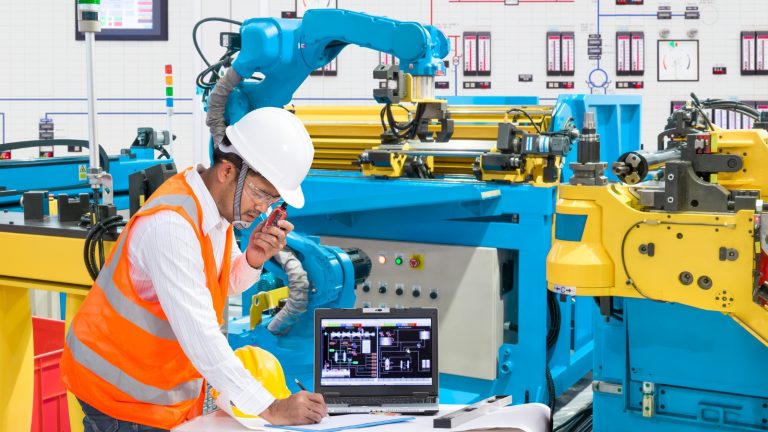
A control tower prevents KPI failures by providing early warnings and real-time insights that help teams act before problems escalate.
Undetected OEE Decline From Minor Stoppages Accumulating Across Shifts
Small stoppages often go unnoticed but can significantly impact performance over time. The control tower tracks these minor disruptions and highlights their cumulative effect. By monitoring overall equipment effectiveness OEE, it identifies hidden losses.
This allows teams to take corrective actions early.
Preventing these small issues helps maintain consistent productivity and avoids larger performance drops.
Quality Escapes Reaching Customers Due to Lack of Line-Level Defect Monitoring
Without proper monitoring, defects can pass through production and reach customers. The control tower ensures continuous quality KPI monitoring at every stage.
It detects issues at the line level and prevents defective products from moving forward.
This reduces customer complaints and protects brand reputation.
Late Deliveries Caused by Schedule Failures are Invisible to Management Until It is Too Late
Late deliveries often result from hidden schedule issues. The control tower tracks production against plans in real time. By monitoring the on-time delivery KPI, it identifies risks early. This allows teams to adjust schedules and avoid delays.
Improved visibility ensures that customer commitments are met consistently.
Inventory Imbalances Creating Production Stoppages From Untracked Material KPIs
Inventory issues can disrupt production. Too much stock increases costs, while shortages stop operations. The control tower tracks work-in-progress WIP and material availability continuously.
This ensures that inventory levels remain balanced. By maintaining proper control, manufacturers can avoid costly disruptions and improve efficiency.
Reactive Maintenance That Could Have Been Avoided With Predictive KPI Monitoring
Reactive maintenance leads to unexpected downtime. The control tower uses predictive insights to identify potential failures early. By acting on these alerts, teams can prevent breakdowns.
This proactive approach reduces downtime and improves equipment reliability.
How Does It Support Continuous Improvement Initiatives?
A control tower supports continuous improvement by providing data-driven insights that help teams identify, track, and optimise performance over time.
- Tracking KPI Trends Over Time to Measure Process Improvement Outcomes
Continuous improvement requires clear measurement. The control tower tracks KPI trends over time, showing how processes evolve.
This helps teams evaluate the impact of changes. By analysing trends, manufacturers can identify what works and what needs improvement.
This data-driven approach ensures that improvement efforts deliver real results.
- Identifying Recurring Deviations for Prioritised Lean Six Sigma Projects
Recurring issues often indicate deeper problems. The control tower highlights these patterns, helping teams prioritise improvement projects. By aligning with Six Sigma DMAIC, manufacturers can address root causes systematically.
This structured approach ensures that resources are used effectively and improvements are sustainable.
- Benchmarking KPI Performance Across Shifts, Lines, and Facilities
Benchmarking helps identify best practices. The control tower compares performance across shifts, lines, and facilities.
This allows teams to learn from top performers and apply successful strategies elsewhere. By standardising best practices, manufacturers can improve overall performance.
- Embedding PDCA Cycles Into Control Tower KPI Review Processes
The control tower supports PDCA (Plan-Do-Check-Act) cycles. Teams can plan improvements, implement changes, monitor results, and refine processes. This structured approach ensures continuous progress.
Since it can embed PDCA into daily operations, manufacturers can maintain high performance levels.
- Generating Automated Reports for Management and Improvement Governance
Automated reporting simplifies performance tracking. The control tower generates reports that provide clear insights into KPIs.
These reports support management decisions and improvement initiatives. By providing accurate and timely data, the system ensures effective governance.
What Business Outcomes Does Control Tower KPI Management Deliver?
Control tower KPI management delivers measurable improvements in efficiency, quality, and customer satisfaction.
12–18% OEE Improvements From Real-Time Production and Downtime Visibility
With real-time insights, manufacturers can optimise equipment performance. By tracking overall equipment effectiveness OEE, they identify inefficiencies and improve utilisation.
This leads to significant productivity gains. Improved visibility ensures that issues are addressed quickly, resulting in consistent performance improvements.
15–25% Quality Defect Reductions From In-Line KPI Monitoring and Early Detection
Early detection of defects reduces waste and improves quality.
The control tower supports continuous quality KPI monitoring, ensuring that issues are caught early. This leads to fewer defects and better product consistency. Improved quality also enhances customer satisfaction.
Stronger On-Time Delivery Through Proactive Schedule Attainment Management
Proactive management of schedules improves delivery performance. By monitoring the on-time delivery KPI, teams can ensure that orders are completed on time.
This strengthens customer relationships and builds trust.
Reduced Working Capital Tied Up in WIP Through Tighter Production KPI Control
Better control of production reduces excess inventory. By managing work-in-progress WIP, manufacturers can optimise resource use. This lowers costs and improves cash flow. Efficient operations ensure that resources are used effectively.
Greater Customer Confidence Built on Quality, Consistency, and Delivery Reliability
Consistent performance builds trust. The control tower ensures that quality and delivery standards are met. This improves customer confidence and strengthens long-term relationships.
How to Transition From Planning to Implementation?
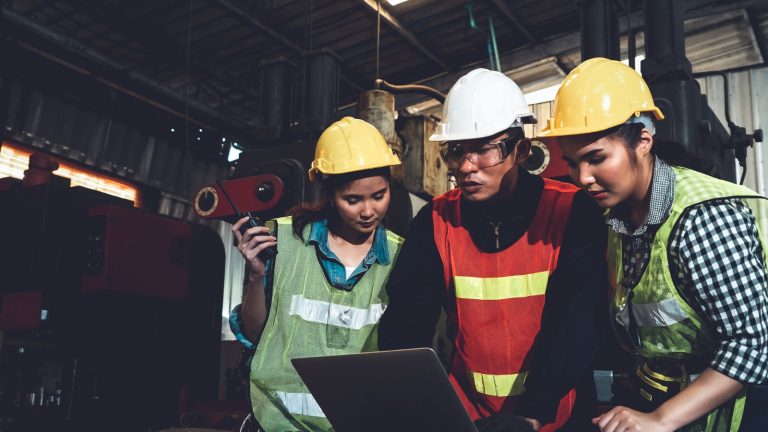
Transitioning to a control tower requires a structured approach that aligns technology, processes, and people for successful KPI management.
Defining Clear KPI Objectives for Production, Quality, and Delivery Upfront
Before implementation, manufacturers must define clear KPI goals. These objectives should cover production, quality, and delivery metrics.
When goals are well-defined, it becomes easier to measure success and track improvements. A control tower works best when KPIs are aligned with business outcomes. Clear objectives also help teams stay focused and avoid confusion during execution.
This step lays the foundation for effective KPI management and ensures that all efforts drive measurable results.
Integrating Existing MES, ERP, SCADA, and IIoT Systems Into the Control Tower
Integration is a critical step in implementation. The control tower must connect with existing MES, ERP, SCADA, and IIoT systems. This ensures that data flows smoothly across all platforms.
With proper integration, manufacturers gain a complete view of operations. It also reduces manual work and improves data accuracy.
A well-integrated system allows teams to access real-time insights and make informed decisions quickly.
Designing Role-Based KPI Dashboards for Each Management and Operational Team
Different teams require different views of data.
The control tower should provide customised dashboards for each role. Managers need high-level insights, while operators need detailed performance data. These dashboards improve clarity and help teams focus on relevant KPIs.
When delivering the right information to the right people, the system enhances efficiency and decision-making.
Piloting on One Production Line to Validate KPI Accuracy and Alert Logic
Starting with a pilot project reduces risk.
By implementing the control tower on one production line, manufacturers can test KPI accuracy and alert systems. This helps identify any issues before full-scale deployment.
A pilot also allows teams to understand how the system works and make necessary adjustments. Once validated, the solution can be scaled across the factory.
Training Operators and Managers to Interpret KPIs and Act on Alerts Effectively
Technology alone is not enough. Teams must know how to use it effectively.
Training ensures that operators and managers understand KPIs and can respond to alerts quickly. This improves adoption and maximises the benefits of the control tower.
Well-trained teams can make better decisions and drive continuous improvement.
Why Choose Cerexio for Manufacturing Control Tower Solutions?
Cerexio provides an advanced Manufacturing Control Tower solution that combines AI, IIoT, and digital twin technologies to deliver complete KPI visibility and performance optimisation.
AI-Powered Cyber-Physical Production System With 360-Degree KPI Visibility
Cerexio offers a powerful Cyber-Physical System that connects physical operations with digital intelligence. This system provides a complete view of KPIs across the factory. With AI-driven insights, manufacturers can monitor performance and identify issues quickly.
This 360-degree visibility ensures that no critical data is missed. It also supports better decision-making and improves operational efficiency.
Real-Time IIoT Integration Connecting Production, Quality, and Logistics Data
Cerexio integrates IIoT sensors to collect real-time data from across the factory. This data is combined with production, quality, and logistics information. The result is a unified platform that delivers instant insights.
Real-time integration ensures that all teams work with the latest data. This improves coordination and helps maintain consistent performance.
Digital Twin Enabling What-If KPI Analysis Before Physical Production Changes
Cerexio’s digital twin technology allows manufacturers to simulate changes before implementing them.
Your manufacturing teams can test different scenarios and evaluate their impact on KPIs. This reduces risks and improves decision-making. When you use virtual simulations, your production teams can optimise processes without disrupting operations.
Predictive Maintenance and Quality Analytics Preventing KPI Failures Proactively
Cerexio uses advanced analytics to predict potential failures. This includes both maintenance and quality issues. By identifying risks early, your teams can take preventive actions. This reduces downtime and improves product quality.
Such proactive management ensures that KPIs remain within target ranges.
Seamless MES, ERP, and WMS Integration Keeping All KPIs Always Current
Cerexio ensures seamless integration across MES, ERP, and WMS systems. This keeps all KPI data up to date.
With accurate and timely information, teams can make better decisions. Integrated systems also improve efficiency and reduce manual work. This creates a strong foundation for effective KPI management.
Cerexio-Where Process Unification Begins
Ready to Unify Your Production, Quality, and Delivery KPIs?
It is clear that a unified control tower approach helps manufacturers gain full visibility, improve performance, and achieve consistent results across all operations.
Schedule a Consultation With Cerexio Control Tower Specialists
Taking the first step is simple. By scheduling a consultation, manufacturers can understand how a control tower fits their needs. Experts can assess current systems and recommend the best approach. This ensures a smooth transition and maximises value.
Call for a personalised demo today.
Discover How Real-Time KPI Management Transforms Manufacturing Performance
Real-time KPI management changes how factories operate. It provides instant insights and enables faster decisions. This leads to improved efficiency, better quality, and reliable delivery. By adopting this approach, manufacturers can stay competitive in a fast-changing market.
Implement Cerexio’s Control Tower for Measurable Improvements Across All KPIs
Implementing a control tower delivers measurable results. From increased productivity to reduced defects, the benefits are clear. With Cerexio, manufacturers can achieve better performance across all KPIs. This ensures long-term success and growth.
FAQs About Manufacturing Control Tower
A manufacturing control tower is a centralised digital platform that connects production, quality, inventory, and logistics data into one system. It provides real-time visibility into operations, helping manufacturers monitor KPIs, detect issues early, and make faster decisions. By integrating multiple systems, it enables better coordination across departments and improves overall factory performance.
A manufacturing control tower improves KPI performance by providing real-time data, automated alerts, and predictive insights. It helps teams identify deviations quickly and take corrective actions before problems grow. This reduces downtime, improves quality, and ensures on-time delivery, leading to better operational efficiency and consistent results.
A manufacturing control tower manages key KPIs across production, quality, delivery, inventory, and maintenance. These include OEE, throughput, defect rates, on-time delivery, work-in-progress levels, and downtime. By tracking all these metrics in one place, it ensures better control and alignment across the entire manufacturing process.
A manufacturing control tower supports real-time decision-making by collecting live data from machines, systems, and processes. It displays this data through dashboards and sends instant alerts when KPIs deviate. This allows managers to respond immediately, reducing delays and improving operational efficiency.
Yes, a manufacturing control tower is a key component of an Industry 4.0 control tower strategy. It uses technologies like IIoT, AI, and data analytics to create a connected and intelligent manufacturing environment. This enables automation, predictive insights, and continuous improvement across all operations.