
TL;DR
- Job shop manufacturing is a flexible, customisation-driven production approach serving diverse industries and niche markets.
- Unlike mass production, job shop production handles low volume and high variety orders with precision.
- Key benefits include personalised product design, process traceability, adaptability to change, and lower investment requirements.
- Job shop manufacturing characteristics of volume and variety make it ideal for prototypes and one-off designs.
- Cerexio Industry 4.0 solutions are fully tailored to support any job shop manufacturing system efficiently.
The manufacturing business world has a broad horizon, and its complexity spans virtually every industry imaginable. From vehicles and construction to chemicals and medicine, manufacturing takes many different forms depending on the nature of the business and the demands of its customers.
This is precisely why identifying the right type of manufacturing process matters so much. One size does not fit all in this industry, and the consequences of choosing the wrong production approach can be costly.
Job shop manufacturing is one type that stands out for its remarkable versatility. It serves a wide range of industries through its unique features and functions, making it a compelling choice for businesses that need flexibility above all else.
In this article, we explore what job shop manufacturing is, its defining characteristics, and the key benefits it delivers for manufacturers operating in dynamic, demand-driven markets.
What Is Job Shop Manufacturing and Why Does It Matter?
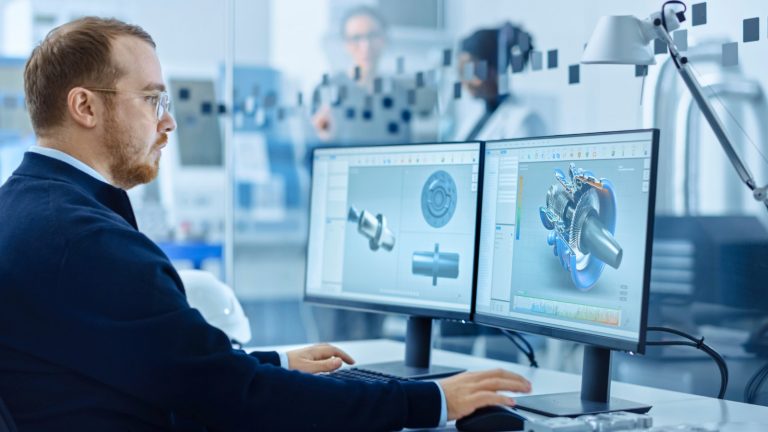
Job shop manufacturing is a type of manufacturing process where products are produced in small quantities and customised according to each individual customer’s specific requirements. At its core, the defining strength of job shop manufacturing is its customisation capacity.
So what is a job shop exactly, and how does it differ from other production approaches?
A job shop operates with a flexible production layout where machines are arranged to handle a wide variety of different tasks rather than a single, fixed production sequence. This makes it fundamentally different from mass production environments, which are designed for high-volume, standardised output.
Job shop production is the ideal solution for producing highly specialised or unique items such as prototypes, one-off designs, or low-volume production runs, because each project typically requires its own distinct setups and procedures. This high variety, low volume characteristic is what defines the job shop manufacturing system and sets it apart from every other production model.
The workforce in a job shop environment reflects this flexibility too. Job shops employ skilled workers who can adapt across different tasks and processes, ensuring efficient production despite the significant variability in product specifications from one order to the next.
Compared to mass manufacturing, this approach can result in longer waiting periods for individual orders. However, it also delivers far greater flexibility and responsiveness to customer demands, which is often worth far more than raw speed in markets where customisation is the competitive differentiator.
The complexity of job shop manufacturing also means that just-in-time (JIT) workflow is frequently used when fulfilling order processing. JIT is a production strategy aimed at optimising workflows by minimising inventory levels and ensuring that labour, raw materials, and components are only supplied precisely when they are needed. This keeps costs lean and waste minimal throughout the production cycle.
What Are the Key Job Shop Manufacturing Characteristics of Volume and Variety?
Understanding job shop manufacturing characteristics around volume and variety is essential for any manufacturer evaluating whether this production model is the right fit for their business.
The defining characteristic of job shop production is its high variety and low volume output model. Where mass production lines manufacture thousands of identical units continuously, a job shop manufacturing system is engineered to handle a broad range of different products, often producing only a handful of units of each at any given time.
This job shop manufacturing volume and variety dynamic creates both the opportunity and the challenge that defines this production model. The opportunity lies in the ability to serve niche markets, customise to individual specifications, and pivot quickly when customer requirements change. The challenge lies in managing the complexity that naturally comes with high variety production across constantly shifting workflows.
Job shop manufacturing characteristics volume variety examples include custom eyeglasses, bespoke wooden furniture, aerospace prototypes, specialised medical devices, and unique industrial components. Each of these products demands a different set of materials, processes, and skills, which is exactly what job shop manufacturing systems are designed to deliver.
What Are the Top Benefits of Job Shop Manufacturing?

The advantages of job manufacturing go well beyond simple flexibility. Job shop production delivers a set of benefits that directly address the needs of businesses operating in customisation-driven, low-volume markets.
Personalising Product Design
The ability to personalise product design is one of the most significant advantages of job production, and it stems directly from the flexible and adaptable nature of the job shop manufacturing system.
In job shop environments, production processes are highly customisable. This flexibility enables the creation of unique, tailored products that standard production lines simply cannot accommodate. Because job shop manufacturing handles small batch sizes and individual orders by design, manufacturers can easily accommodate variations in dimensions, materials, features, and aesthetics from one order to the next.
This capability encourages job shop manufacturers to actively pursue niche markets and individual customer preferences. Products like custom eyeglasses, bespoke wooden furniture, specialised industrial components, and one-off design prototypes are all natural fits for this production model.
Customers in the job shop manufacturing realm benefit from products that meet their exact specifications. Manufacturers, in turn, benefit from the ability to charge premium prices for customised work and enjoy significantly larger profit margins as a result.
Highly Adjustable to Change
Adaptability is a rare and genuinely valuable quality in manufacturing, and it is one of the standout benefits of job production that sets the job shop process apart from more rigid production models.
Job shop setups are specifically designed to handle a variety of tasks and accommodate changes in production schedules, product designs, and order specifications efficiently. When customer requirements shift, market trends evolve, or unexpected disruptions like supply chain breakdowns occur, job shop manufacturers can respond quickly without significant retooling or costly downtime.
This agility creates real competitive advantages. Job shop manufacturers can capitalise on new business opportunities faster, take on custom orders with varying specifications, optimise how resources are allocated across different tasks, and test new processes, materials, or product variations to meet evolving customer preferences.
For businesses operating in markets where speed of response and design flexibility are genuine differentiators, the adaptability of the job shop manufacturing system is one of its most commercially valuable characteristics.
Traceability of Processes
When production volumes are large, traceability becomes increasingly difficult to maintain. In job shop production, where each order involves unique specifications and workflows, tracking and monitoring individual processes is far more straightforward and accurate.
This traceability is a significant advantage of job manufacturing, providing enhanced visibility into quality control, efficiency, and accountability throughout every stage of the production cycle.
A robust tracking system within a job shop manufacturing environment provides clear visibility into the progress of individual orders, material usage, and resource allocation at every step. Manufacturers can monitor the full journey from raw material procurement through to final product delivery, identifying inefficiencies, bottlenecks, or quality issues in real time before they escalate into larger problems.
This level of process transparency also supports compliance with regulatory standards, simplifies product recall processes when needed, and enables detailed documentation of all production activities and materials used. For industries like aerospace, medical devices, and specialised industrial equipment, this traceability capability is not just a benefit but an operational necessity.
Lower Investments
One of the most practically appealing advantages of job production is that it requires significantly lower capital investment compared to mass manufacturing approaches.
The reasons for this are directly tied to the nature of the job shop process itself. Job shop manufacturing operates with versatile machinery capable of handling diverse tasks and small batch sizes, eliminating the need for large-scale, expensive dedicated equipment setups. There is no requirement to invest in specialised production lines built for a single product type.
The reliance on JIT workflow further reduces investment requirements by eliminating the need to hold large inventories. Stock is gathered only when it is needed, which substantially reduces storage costs and the financial risk associated with overstocking.
This flexibility in resource and inventory management allows manufacturers to allocate capital more efficiently, avoiding the high upfront costs associated with dedicated production infrastructure or extensive warehousing facilities. For smaller manufacturers and businesses entering new markets, this lower barrier to investment makes job shop manufacturing a strategically attractive production model.
How Do Cerexio Industry 4.0 Capabilities Strengthen the Job Shop Manufacturing System?
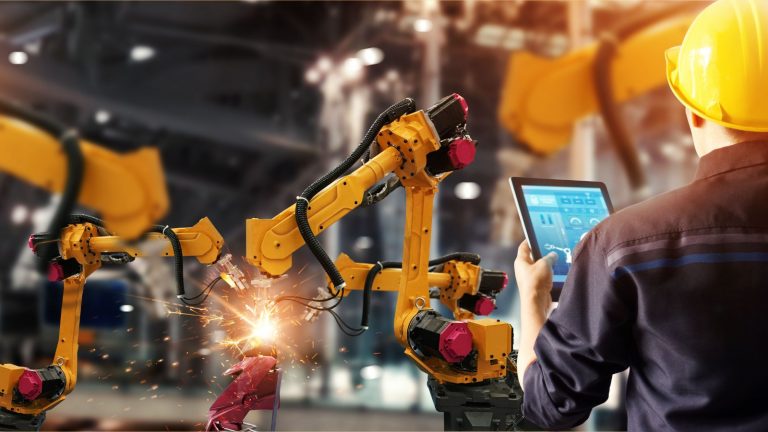
Managing the inherent complexity of a job shop manufacturing system, with its constantly shifting orders, diverse product specifications, and flexible workflows, demands more than manual oversight alone can provide.
Cerexio’s Industry 4.0-powered software solutions are specifically designed to bring digital intelligence to manufacturing environments of every type, including the unique demands of job shop production.
Because Cerexio’s solutions are flexible and can be tailored precisely to the requirements of any manufacturing environment, the specific operational needs of job shop manufacturers are fully covered. Real-time monitoring, process traceability, workflow optimisation, and smart resource allocation are all built into the platform, giving manufacturers the tools they need to manage high variety, low volume production with confidence and control.
With Cerexio as your industry technology partner, the complexity of job shop manufacturing becomes a competitive strength rather than an operational burden.
Conclusion
Job shop manufacturing is far more than a production style suited to small operators. It is a strategically powerful approach for any business that competes on customisation, flexibility, and responsiveness to individual customer demands.
The benefits of job production, from personalised design capability and process traceability to adaptability and lower investment requirements, make it an attractive model across a wide range of industries. Understanding the job shop manufacturing characteristics of volume and variety is the foundation of making the most of what this production model offers.
For manufacturers ready to take their job shop manufacturing system to the next level with Industry 4.0 intelligence, Cerexio’s tailored software solutions provide the digital backbone needed to reduce time to market, improve transparency, and consistently deliver on the promise of customised excellence.
FAQs
Job shop manufacturing is a production approach where products are made in small quantities and customised to meet each customer’s specific requirements. Unlike mass production, which focuses on high-volume output of standardised products, job shop production operates with flexible layouts and versatile machinery capable of handling a wide variety of different tasks.
The defining characteristics of job shop manufacturing are its high variety and low volume output model. A job shop manufacturing system is engineered to produce a broad range of different products, often in very small quantities, each with unique specifications and workflows.
The key advantages of job production include the ability to personalise product design to exact customer specifications, high adaptability to changing market demands and production requirements, strong process traceability across every stage of the production cycle, and significantly lower capital investment requirements compared to mass production approaches.
ust-in-time workflow is a natural fit for the job shop process because it aligns supply of materials, labour, and components precisely with actual production demand. By gathering inventory only when it is needed, job shop manufacturers avoid the cost of overstocking, reduce storage requirements, and keep working capital lean.
Cerexio’s Industry 4.0-powered solutions are designed to be flexible and fully tailored to the specific needs of any manufacturing environment, including job shop production. Key capabilities include real-time production monitoring, end-to-end process traceability, intelligent workflow optimisation, and smart resource allocation across diverse and constantly shifting order types.