
TL;DR
- Augmented Reality is redefining how manufacturing companies deliver workforce training programs today.
- AR overlays real-time digital content onto physical environments, making complex training practical and engaging.
- Manufacturing faces three core training challenges including complexity, evolving technology, and strict safety compliance.
- AR enables realistic simulations, customised training modules, and performance analytics for measurable workforce improvement.
- Cerexio AR and VR solutions empower manufacturers to conduct immersive, data-driven professional training programs effectively.
Workforce training delivers impressive benefits for organisations across the manufacturing industry. A strong training and development program can drive productivity, improve safety compliance, and elevate overall product quality in measurable ways.
But the real challenge is not just building a training program. It is building one that is both valuable and practical at the same time.
Striking that balance is where cutting-edge technology like Augmented Reality steps in and changes the equation entirely.
In this article, you will learn everything about the employment of AR technology in manufacturing workforce training, the key challenges it addresses, and how its functionalities provide answers to some of the most persistent training problems manufacturers face today.
What Is Augmented Reality and Why Does It Matter for Manufacturing?
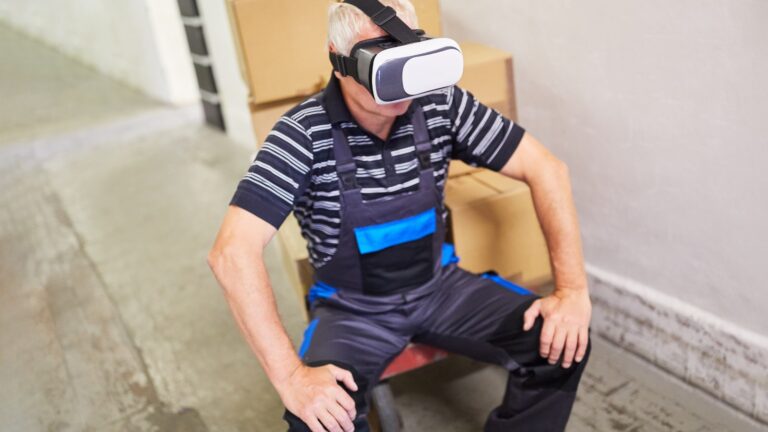
Augmented Reality is a technology that blends digital information and virtual objects seamlessly with the real world, and its implications for manufacturing workforce training are significant.
AR works by overlaying computer-generated images, animations, or data onto a user’s view of their physical surroundings through a device such as a smartphone, tablet, or AR headset. In practical terms, it is an enhanced version of the real physical world, delivered through digital visual elements, sound, or other sensory stimuli via technology.
What makes AR particularly powerful in a manufacturing training context is its ability to design, curate, and deliver consumable instructions by overlaying digital content directly within real-world work environments. Employees receive guidance precisely where they need it, in the moment they need it, without stepping away from the actual workspace.
AR is also frequently combined with Virtual Reality (VR) technology to create even more comprehensive training ecosystems. Together, these two technologies provide manufacturers with a digital capability that serves employee training, skill development, and operational readiness across virtually any industry context.
What Are the Major Workforce Training Obstacles Manufacturers Face Today?
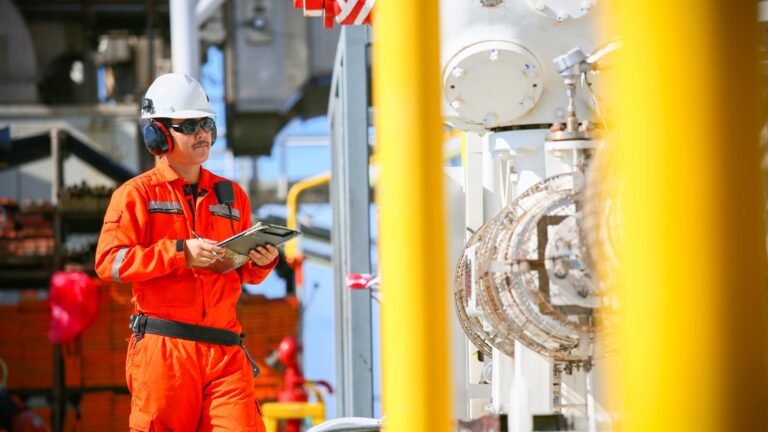
Manufacturing companies face a unique and persistent set of workforce training challenges that conventional methods consistently struggle to resolve effectively.
Complexity of the Working Environment
The operating environment in the manufacturing sector relies heavily on complex, high-tech devices and infrastructure. While this complexity is what makes modern manufacturing possible, it creates significant challenges for training authorities responsible for bringing staff up to the required standard.
Ensuring that all employees possess the knowledge and practical ability to operate and maintain sophisticated modern equipment is a substantial undertaking. These skills are not optional. They directly affect productivity, workplace safety, and the overall quality of the finished product.
Keeping Up to Date with Rapidly Evolving Technology
Manufacturing is currently experiencing rapid technological transformation through the integration of Industry 4.0 capabilities including automation, the Internet of Things (IoT), and Artificial Intelligence (AI).
While these innovations deliver tremendous operational benefits, they simultaneously create a persistent training challenge. Keeping the entire workforce up to speed with continuously evolving tools and methods requires ongoing training and retraining initiatives that place considerable demands on time, budget, and resources.
Ensuring employees can confidently adapt to new systems and methodologies is one of the most pressing concerns facing manufacturing training managers today.
Safety Concerns and Compliance Requirements
Safety compliance is non-negotiable in the manufacturing industry. In Singapore particularly, strict legislation requires full compliance with rigorous safety rules and demonstrated expertise in safety procedures at all times.
Ensuring thorough training, consistent adherence, and sustained attention among all staff is extremely difficult to achieve through traditional methods alone. Compliance behaviours can deteriorate over time, especially under high-stress conditions. This is why manufacturing authorities require robust technology and tools that support adherence to legal safety standards consistently and at scale.
How Does AR Technology Optimise Workforce Training in Manufacturing?
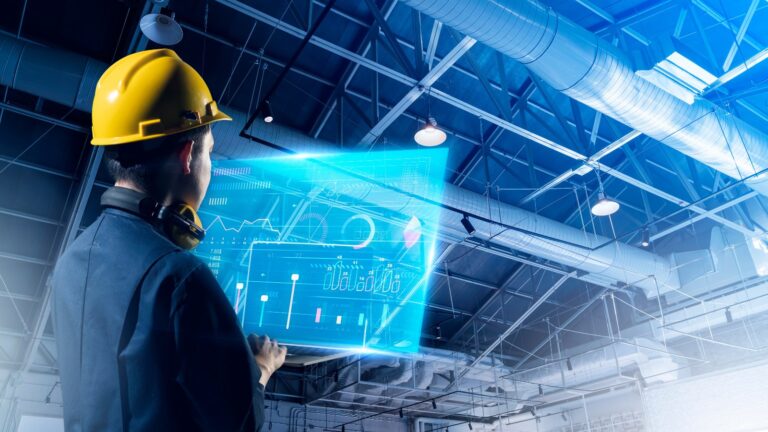
AR technology addresses each of these training challenges directly, transforming how manufacturers develop, deliver, and measure the effectiveness of their workforce training programs.
Elevated Employee Safety
In manufacturing plants filled with complex and potentially hazardous machinery, AR-enabled assets play an active role in keeping workers safe during both training and live operations.
AR overlays real-time safety messages and warnings directly onto machines and equipment, alerting workers to potential dangers in the moment they are most relevant. This keeps workers consistently aware and prepared rather than relying solely on memory or printed instructions.
AR also makes safety training significantly more practical. Emergency response scenarios, hazard recognition exercises, and safety procedure drills can all be conducted in a controlled virtual environment before employees encounter real-world equivalents. This approach measurably reduces the likelihood of accidents while building genuine safety awareness and confidence across the workforce.
Performance Analytics
AR training systems do not just deliver training. They generate valuable performance data that manufacturers can use to drive continuous improvement.
When analytics tools are integrated into AR training platforms, authorities can monitor how effectively employees are meeting their KPIs and track their improvement over time. This data pinpoints precisely where individual employees or teams may require additional support, allowing manufacturers to direct training resources to the areas where they will have the greatest impact.
In this way, AR-driven performance analytics functions as a strategic roadmap that keeps the workforce developing in alignment with business competitiveness goals.
Customisable Training Modules
Not every manufacturer requires the same set of competencies from its staff, and not every worker needs to develop the same skill set. Training requirements vary significantly from company to company and from role to role.
AR makes it possible to build tailored training modules that deliver exact, job-specific guidance aligned to individual responsibilities and business requirements. This targeted approach enhances the value of each training experience by ensuring it is both relevant and focused on what actually matters for that employee’s specific role.
The result is a workforce that develops the precise knowledge and practical abilities needed to succeed in their particular positions, rather than a generic skill set that may not fully address operational realities.
Realistic Simulations
One of AR’s most compelling training capabilities is its ability to develop lifelike simulations that replicate actual manufacturing situations with a high degree of accuracy.
These simulations allow employees to rehearse complex tasks, identify and address problems, and sharpen their skills within a secure and controlled virtual setting. Because the environment is risk-free, employees can make mistakes and learn from them without any consequence to themselves, their colleagues, or the physical equipment around them.
This builds genuine confidence and competence over time, ensuring that when employees encounter real operational challenges, they are already equipped with the experience and composure needed to handle them effectively. It is one of the most powerful ways to create a workplace that is simultaneously safer and more productive.
On-Point Feedback and Evaluation
AR training systems also provide manufacturers with the tools to consistently assess the effectiveness of their training programs after each session.
By gathering employee feedback and analysing both short-term and long-term performance data, training authorities can identify areas that need improvement and make targeted adjustments before those gaps affect real operational performance.
This ongoing evaluation loop ensures that AR training programs continuously adapt to meet evolving business needs and workforce development priorities. The outcome is a more efficient, responsive, and engaging learning environment that grows stronger over time rather than becoming outdated.
How Does Cerexio Empower Manufacturers Through AR Technology?
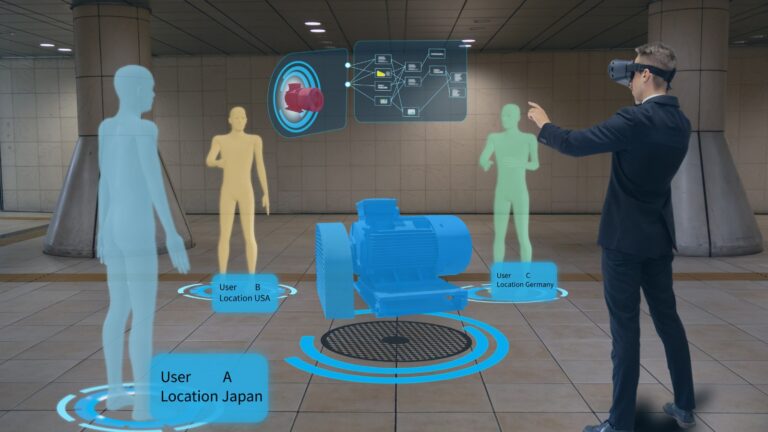
Cerexio provides one of the most advanced approaches to manufacturing workforce training through AR solutions that are deeply integrated with complementary VR technology.
While AR overlays virtual features over the real world to guide and support user-defined activities, VR delivers fully immersive simulated experiences that allow users to pursue training goals in a completely controlled environment. Together, they form a powerful training ecosystem.
Through Cerexio’s AR and VR solutions, manufacturers can gather actionable data from multiple sources, conduct immersive professional training programs, identify abnormal data patterns, and detect suboptimal machine functionalities, all within a single integrated platform.
Levelling Up Your Business with Robust Technology
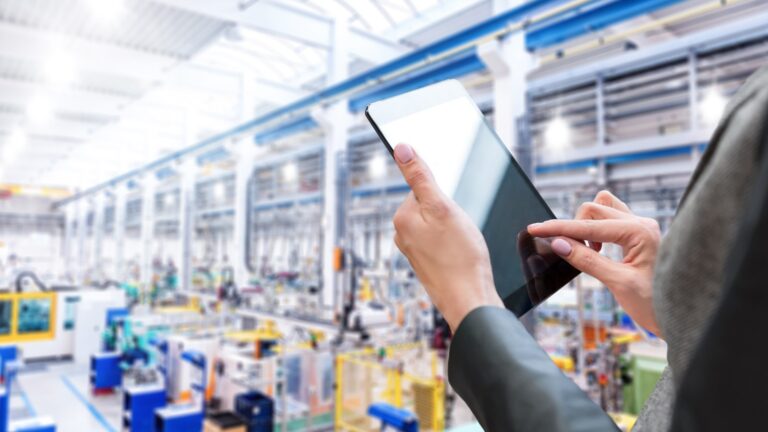
The manufacturing industry faces genuine and growing challenges in workforce training, from the complexity of modern equipment and the pace of technological change to the non-negotiable demands of safety compliance.
Augmented Reality addresses all of these challenges in a way that traditional training methods simply cannot match. It is practical, measurable, customisable, and most importantly, it works.
For manufacturers ready to move beyond conventional training approaches, Cerexio’s AR and VR-powered solutions provide the technology foundation needed to build a faster, safer, and more capable workforce. The tools are already available. The competitive advantage belongs to those who use them first.
FAQs
Augmented Reality overlays digital content such as instructions, warnings, and animations directly onto a user’s real-world environment through devices like AR headsets, smartphones, or tablets. Virtual Reality, by contrast, replaces the real world entirely with a fully immersive simulated environment.
Traditional training methods struggle to keep pace with the complexity and rapid evolution of modern manufacturing technology. Classroom-based or manual training cannot replicate the hands-on experience of operating advanced industrial machinery, nor can it easily be updated as new technologies like IoT, automation, and AI are integrated into the production floor.
AR improves safety training by delivering real-time warnings and safety alerts directly onto machinery and equipment surfaces, keeping workers informed of potential hazards at the precise moment they are relevant. It also enables risk-free simulation of emergency scenarios, allowing employees to practise safety responses without any physical danger.
Yes. One of the most significant advantages of AR training platforms is the ability to build customised training modules tailored to specific job roles and individual competency requirements. Rather than applying a one-size-fits-all approach, manufacturers can design targeted training experiences that address the exact skills and knowledge each employee needs for their particular responsibilities.
Cerexio’s AR and VR solutions provide manufacturers with an integrated platform for immersive professional training, real-time performance monitoring, and operational data analysis. The platform enables training authorities to gather actionable insights from multiple data sources, track employee performance against KPIs, identify areas requiring additional development, and detect abnormal operational patterns that may indicate equipment or process issues.