
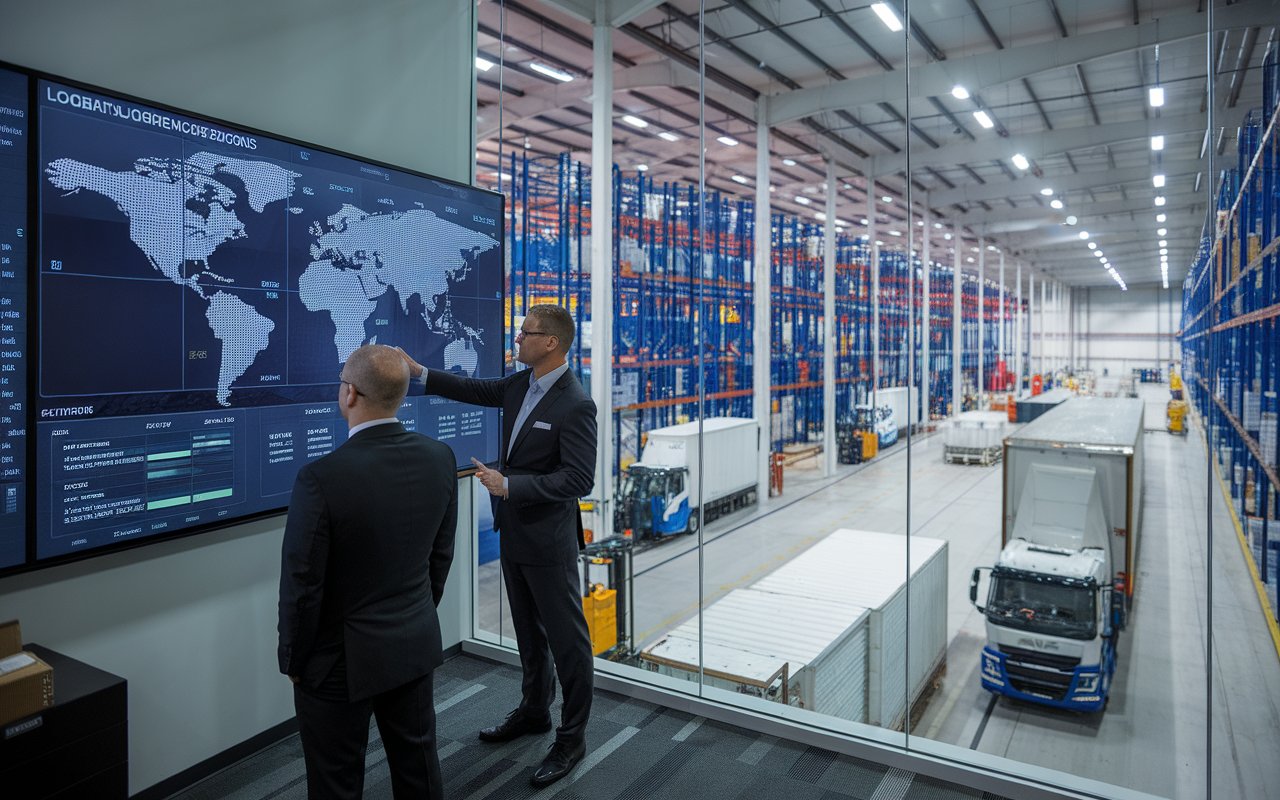
Modern semiconductor fabrication is no longer limited by process capability alone. As feature sizes continue shrinking into the single-digit nanometre range, environmental stability has become one of the most critical determinants of manufacturing success. According to industry research, contamination-related issues can contribute to yield losses reaching several percentage points in advanced fabrication facilities, representing millions of dollars in production value annually.
In Singapore’s highly advanced semiconductor ecosystem, maintaining precise air quality conditions has become a strategic operational requirement rather than a facility management function.
This is the point at which an advanced air management platform enables semiconductor manufacturers to continuously track contamination risks, monitor environmental conditions, and respond rapidly to emerging air-quality threats. By combining environmental intelligence with automation, fabs can protect production processes, improve equipment reliability, and sustain competitive manufacturing performance in increasingly demanding fabrication environments.
In this article, we explore how an Air Management System helps semiconductor fabs with monitoring AMC and particle counts.
We look into
- What Is a Smart Supply Chain?
- How Smart Supply Chains Evolved From Traditional Models
- Key Technologies Powering Smart Supply Chains
- Core Characteristics of a Smart Supply Chain
- Benefits of Implementing a Smart Supply Chain
- Challenges of Building a Smart Supply Chain
- The Future of Smart Supply Chains
- FAQs About Smart Supply Chains
What Is a Smart Supply Chain?-An Overview
Air quality monitoring is essential because even microscopic contaminants can damage wafers, disrupt processes, and reduce manufacturing efficiency in highly controlled semiconductor facilities.
Key Takeaways
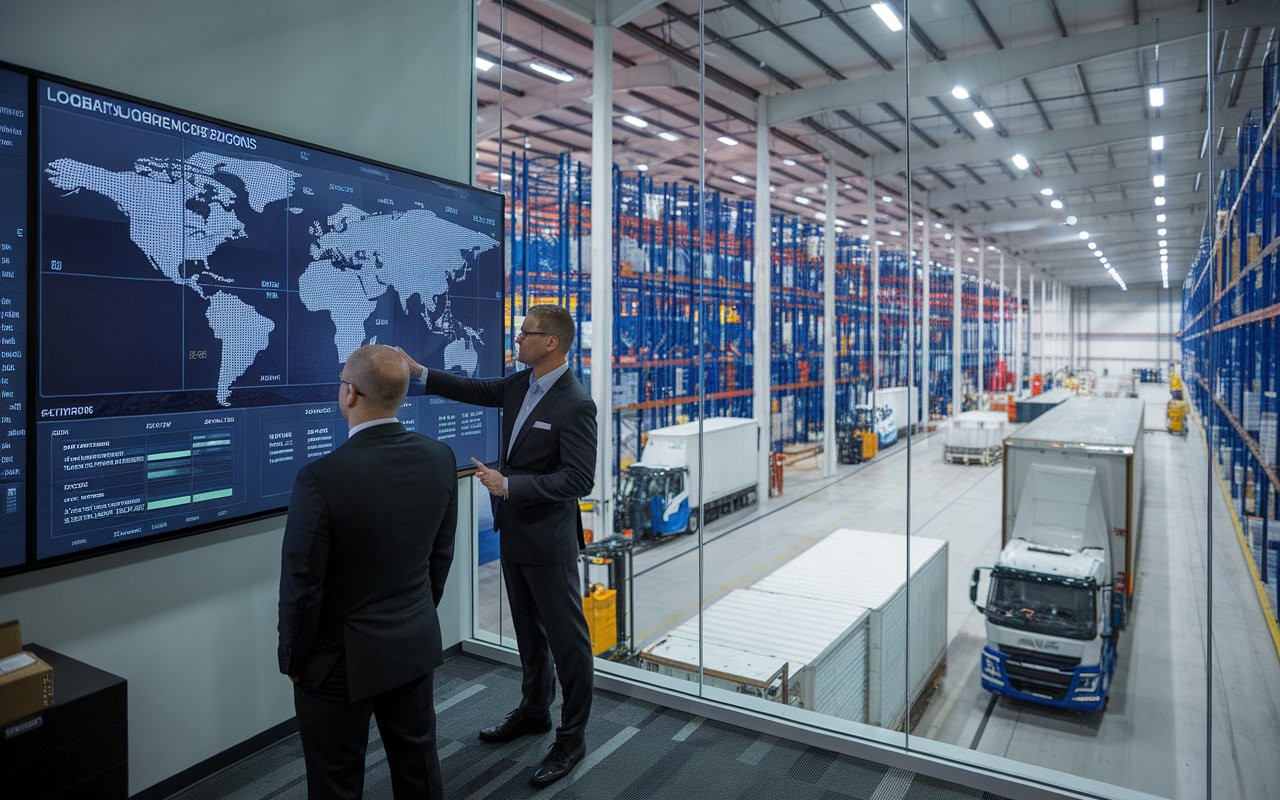
- Smart supply chains use AI, IoT, cloud computing, and analytics to enable real-time visibility and data-driven decision-making.
- They replace traditional reactive models with predictive systems that anticipate demand, risks, and operational disruptions.
- Automation and intelligent workflows reduce manual errors, improve efficiency, and streamline end-to-end supply chain operations.
- Smart supply chains enhance resilience, customer satisfaction, and competitiveness in increasingly complex global markets.
How Smart Supply Chains Evolved From Traditional Models
For many years, organisations operated supply chains based on historical data and periodic reporting cycles. Information often moved more slowly than physical goods, creating gaps between what was happening in the supply chain and what decision-makers could see.
Inventory records could be outdated, production plans could become inaccurate, and customer demand fluctuations often remained hidden until they caused operational disruptions.
Traditional forecasting methods might rely heavily on previous years’ performance.
However, unexpected market trends or consumer behaviour changes could lead to inventory shortages or excessive stock levels. The lack of real-time visibility often resulted in missed opportunities and increased operational costs.
These challenges highlighted the need for more intelligent systems capable of responding dynamically to changing business conditions. As digital technologies matured, organisations began exploring new ways to improve supply chain performance through data-driven decision-making.
The Limitations of Traditional Supply Chains
For many years, organisations operated supply chains based on historical data and periodic reporting cycles. Information often moved more slowly than physical goods, creating gaps between what was happening in the supply chain and what decision-makers could see.
Inventory records could be outdated, production plans could become inaccurate, and customer demand fluctuations often remained hidden until they caused operational disruptions.
Traditional forecasting methods might rely heavily on previous years’ performance.
However, unexpected market trends or consumer behaviour changes could lead to inventory shortages or excessive stock levels. The lack of real-time visibility often resulted in missed opportunities and increased operational costs.
These challenges highlighted the need for more intelligent systems capable of responding dynamically to changing business conditions. As digital technologies matured, organisations began exploring new ways to improve supply chain performance through data-driven decision-making.
The Rise of Digital Transformation
The evolution toward smart supply chains accelerated with the growth of digital transformation initiatives across industries.
Cloud computing enabled organisations to centralise and share information more effectively. IoT devices introduced the ability to monitor physical assets in real time. Artificial intelligence provided sophisticated analytical capabilities capable of identifying patterns and predicting future outcomes.
As these technologies became more accessible, businesses started connecting previously isolated systems and processes. Procurement, manufacturing, logistics, warehousing, and customer service functions could now operate within an integrated digital ecosystem. This interconnected environment formed the foundation of the smart supply chain, enabling organisations to move from reactive management to proactive optimisation.
Today, smart supply chains represent a significant advancement over traditional models, delivering unprecedented levels of visibility, agility, and operational intelligence.
Key Technologies Powering Smart Supply Chains
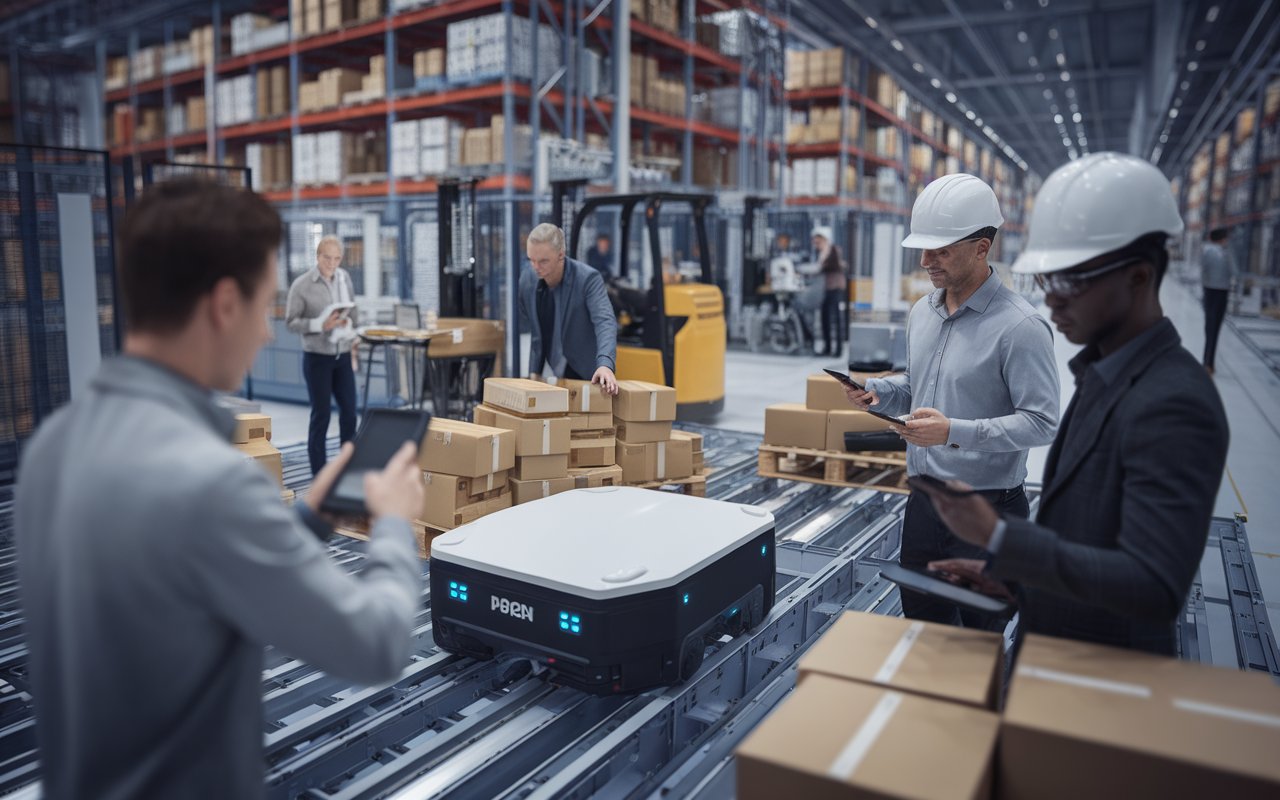
Advanced technologies such as artificial intelligence, IoT, cloud computing, and big data analytics form the foundation of smart supply chains by enabling real-time monitoring and intelligent automation.
Artificial Intelligence and Machine Learning
Artificial intelligence serves as one of the most important technologies within a smart supply chain.
AI systems can process massive volumes of data from multiple sources and identify patterns that would be difficult for humans to detect. Machine learning algorithms continuously improve their accuracy as they analyse additional information over time.
If a manufacturer is attempting to forecast product demand across hundreds of markets, traditional forecasting methods may struggle to account for countless variables influencing consumer behaviour. However, AI-powered forecasting tools can analyse historical sales data, market trends, weather conditions, economic indicators, and social media activity to generate highly accurate demand predictions.
Beyond forecasting, AI supports route optimisation, supplier risk assessment, inventory management, and production scheduling. These capabilities enable organisations to make smarter decisions while reducing operational inefficiencies.
Internet of Things (IoT)
The Internet of Things plays a crucial role in creating visibility throughout the supply chain.
IoT devices, sensors, and connected equipment continuously collect data from physical assets and transmit that information to centralised systems.
Consider a pharmaceutical company transporting temperature-sensitive products. IoT sensors placed inside shipping containers can monitor temperature, humidity, and location throughout the journey.
If conditions deviate from acceptable thresholds, alerts can be generated immediately, allowing corrective action before product quality is compromised.
By providing real-time monitoring capabilities, IoT technologies help organisations track inventory, monitor equipment performance, and improve overall supply chain transparency.
Cloud Computing and Big Data Analytics
Smart supply chains generate enormous volumes of data every day. Cloud computing provides the infrastructure necessary to store, process, and share this information efficiently across multiple locations and stakeholders.
Big data analytics tools transform raw data into meaningful insights. These platforms can identify operational bottlenecks, forecast demand fluctuations, evaluate supplier performance, and uncover opportunities for optimisation. Because cloud-based systems can be accessed from virtually anywhere, decision-makers gain timely access to critical information regardless of geographic location.
The combination of cloud computing and advanced analytics enables organisations to build scalable, flexible, and data-driven supply chain ecosystems that support continuous improvement initiatives.
Core Characteristics of a Smart Supply Chain
The core characteristics of a smart supply chain include real-time visibility, predictive analytics, automation, and seamless connectivity across the entire supply network.
Real-Time Visibility Across Operations
One of the most valuable aspects of a smart supply chain is real-time visibility. Organisations can monitor inventory levels, shipment locations, production activities, supplier performance, and customer demand as events occur.
In logistics, instead of waiting for periodic updates, they can view shipment progress through real-time dashboards. If a transportation delay emerges, alternative routes or suppliers can be identified immediately. This visibility enables faster responses and reduces the impact of unexpected disruptions.
Real-time visibility also improves collaboration among supply chain partners by ensuring everyone has access to consistent, accurate information.
Predictive and Proactive Decision-Making
Traditional supply chains tend to operate reactively, addressing problems after they occur.
Smart supply chains shift this approach by leveraging predictive analytics to identify potential issues before they become critical.
For example, machine learning algorithms can analyse equipment performance data and predict maintenance requirements before machinery fails. Similarly, predictive demand forecasting can help businesses prepare for changing customer needs, reducing stockouts and excess inventory.
This proactive approach minimises disruptions, improves operational efficiency, and supports better long-term planning across the organisation.
Automation and Intelligent Workflows
Automation represents another defining feature of smart supply chains. Routine tasks that once required manual intervention can now be executed automatically through intelligent workflows.
When inventory levels reach predefined thresholds, procurement systems can automatically generate purchase orders. Warehouse automation technologies can optimise picking and packing operations.
Transportation management systems can dynamically adjust delivery routes based on real-time conditions.
These automated processes reduce human error, increase operational consistency, and allow employees to focus on higher-value strategic activities.
Benefits of Implementing a Smart Supply Chain
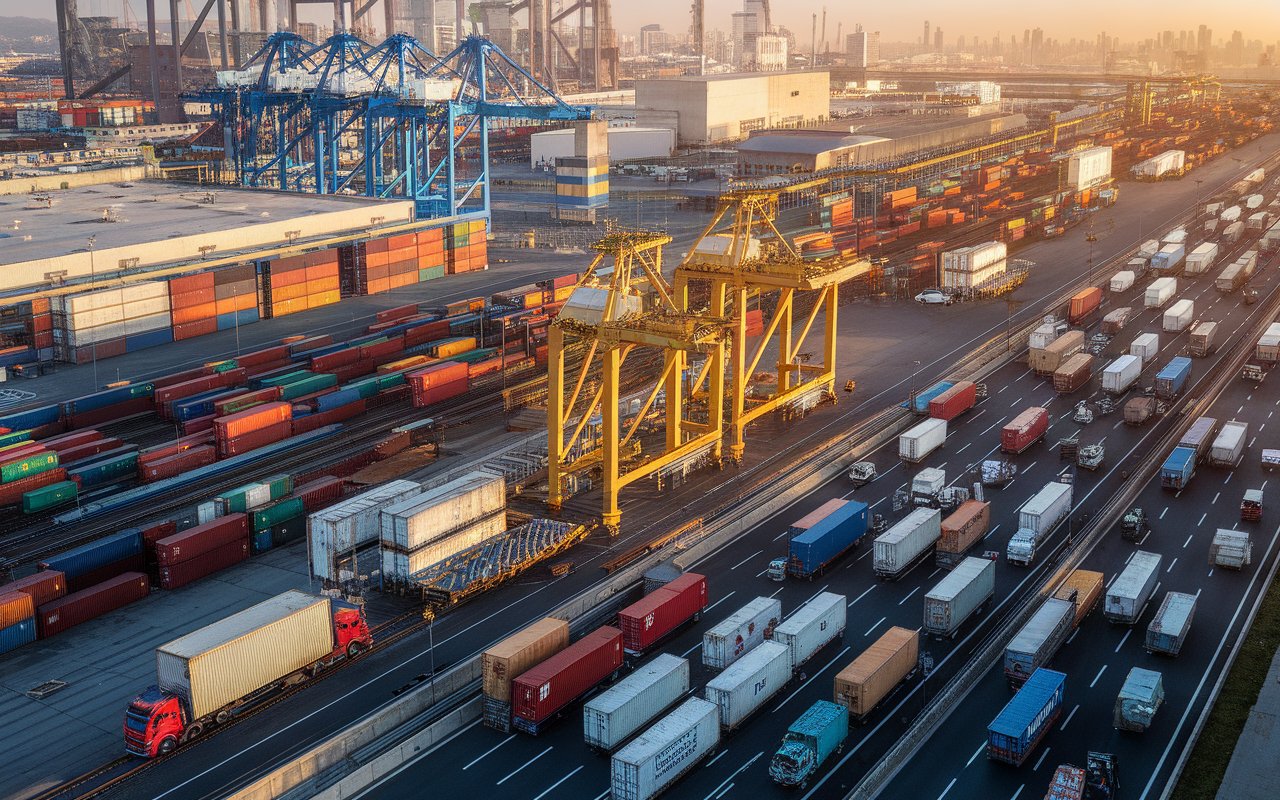
Implementing a smart supply chain helps organisations improve operational efficiency, enhance customer satisfaction, reduce costs, and increase resilience against disruptions.
- Improved Operational Efficiency
Organisations adopting smart supply chains often experience significant improvements in operational efficiency. Real-time visibility and automation eliminate many of the delays and inefficiencies associated with manual processes.
Information flows more quickly throughout the organisation, enabling faster and more accurate decision-making.
A manufacturing company utilising smart supply chain technologies can synchronise procurement, production, and logistics activities more effectively. This coordination reduces bottlenecks, minimises downtime, and optimises resource utilisation across the entire operation.
As efficiency improves, businesses can achieve higher productivity levels while maintaining greater control over operational costs.
- Enhanced Customer Satisfaction
Customer expectations continue to evolve, with buyers demanding faster deliveries, accurate order tracking, and reliable service. Smart supply chains help organisations meet these expectations by providing greater transparency and responsiveness.
Real-time tracking capabilities allow customers to monitor shipment progress throughout the delivery process. Predictive analytics improve inventory availability, reducing the likelihood of stockouts. Automated systems accelerate order fulfilment and ensure more consistent service quality.
By enhancing the customer experience, smart supply chains contribute directly to stronger customer loyalty and long-term business growth.
- Greater Supply Chain Resilience
Recent global disruptions have demonstrated the importance of supply chain resilience. Natural disasters, geopolitical events, transportation disruptions, and market volatility can significantly impact business operations.
Smart supply chains improve resilience by providing early warning systems and enhanced visibility into potential risks.
Organisations can identify vulnerabilities, evaluate alternative suppliers, and develop contingency plans more effectively. Real-time data enables faster responses to disruptions, helping businesses maintain continuity even under challenging circumstances.
This increased adaptability allows organisations to navigate uncertainty with greater confidence and stability.
Challenges of Building a Smart Supply Chain

Building a smart supply chain requires overcoming challenges related to data integration, legacy systems, cybersecurity, and workforce digital readiness.
Managing Data Complexity
While smart supply chains generate valuable insights, they also create significant data management challenges. Organisations must collect, integrate, and analyse information from numerous systems, devices, and partners.
Ensuring data accuracy and consistency becomes critical because poor-quality data can lead to flawed decisions. Businesses must establish robust governance frameworks and invest in technologies capable of managing large volumes of information effectively.
Successful implementation requires a clear strategy for transforming data into actionable intelligence without overwhelming decision-makers.
Integrating Legacy Systems
Many organisations still rely on legacy systems that were not designed to support modern digital supply chain requirements. Integrating these systems with newer technologies can be complex and resource-intensive.
A company may operate multiple software platforms across procurement, manufacturing, warehousing, and logistics functions. Creating seamless communication between these systems often requires significant planning, investment, and technical expertise.
Despite these challenges, organisations that successfully modernise their infrastructure can unlock substantial long-term benefits
Developing Digital Skills
Technology alone cannot create a smart supply chain. Employees must possess the skills necessary to interpret data, manage digital platforms, and effectively leverage advanced analytical tools.
Organisations often need to invest in training programs and workforce development initiatives to support digital transformation efforts. Building a culture that embraces innovation and continuous learning is essential for maximising the value of smart supply chain technologies.
As supply chains become increasingly data-driven, human expertise remains a critical component of successful implementation.
The Future of Smart Supply Chains
The future of smart supply chains will be shaped by continued advances in artificial intelligence, automation, blockchain technology, and digital connectivity. Supply chains will become even more interconnected, intelligent, and autonomous as organisations seek to improve efficiency and resilience.
Imagine a future where AI systems automatically negotiate supplier contracts, autonomous vehicles handle transportation, and predictive algorithms continuously optimise inventory levels across global networks. While this vision may seem ambitious, many of these capabilities are already emerging within leading organisations.
Sustainability will also play a growing role in smart supply chain strategies. Businesses will increasingly use digital technologies to reduce waste, monitor environmental performance, and achieve sustainability objectives while maintaining operational excellence.
As technological innovation continues to accelerate, smart supply chains will become a fundamental competitive advantage for organisations across virtually every industry.
How Smart Supply Chains Drive Efficiency, Resilience, and Growth
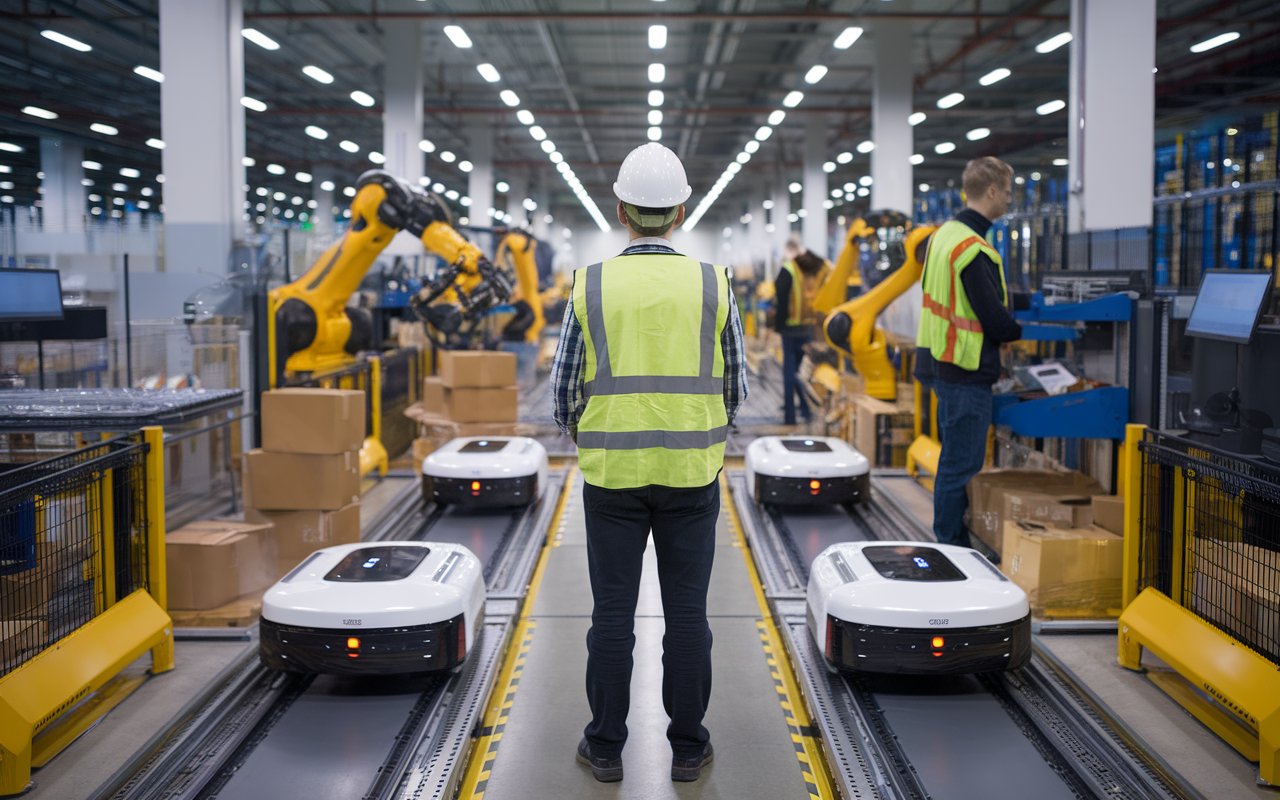
A smart supply chain is far more than a collection of digital tools. It represents a fundamental shift in how organisations manage the movement of goods, information, and resources across complex global networks. By combining technologies such as artificial intelligence, IoT, cloud computing, analytics, and automation, businesses gain unprecedented visibility, agility, and intelligence.
The journey toward a smart supply chain often begins with a desire to solve operational challenges, but its impact extends far beyond efficiency improvements. Organisations can enhance customer satisfaction, strengthen resilience, reduce costs, and make more informed decisions in an increasingly unpredictable business environment.
As digital transformation continues to reshape industries worldwide, smart supply chains will become essential for businesses seeking sustainable growth and long-term success. Companies that embrace these innovations today will be better positioned to adapt, compete, and thrive in tomorrow’s supply chains.
FAQs About Smart Supply Chain
A smart supply chain typically relies on artificial intelligence, IoT sensors, cloud computing, big data analytics, and automation platforms. Together, these technologies enable real-time visibility, predictive insights, and faster decision-making across supply chain operations.
Artificial intelligence improves smart supply chain performance by analysing large datasets, forecasting demand, identifying risks, optimising inventory levels, and automating decisions. This reduces operational inefficiencies while improving responsiveness, accuracy, and resource utilisation.
Real-time data enhances supply chain visibility by continuously tracking inventory, shipments, production activities, and supplier performance. This allows organisations to identify disruptions immediately, respond faster to issues, and maintain operational continuity.
A traditional supply chain relies on manual processes and historical reporting, while a smart supply chain uses connected technologies, real-time data, and automation. This enables proactive decision-making, greater agility, and improved operational efficiency.
Smart supply chains improve resilience through predictive analytics, real-time monitoring, and risk management capabilities. These tools help organisations identify potential disruptions early, evaluate alternatives quickly, and maintain business continuity during unexpected events.