Modern-day factories do not consist merely of machines working on assembling products; they form an ecosystem within which there is a coordinated flow of time, information, and materials. As indicated in research, poor production synchronisation leads to 30% decrease in total equipment efficiency.
Having an understanding of what the 7 flows in manufacturing are necessary in enhancing visibility and developing a resilient production environment. The 7 flows make up the fundamental structure of the manufacturing flow system.
Essentially, manufacturing flow is about how resource flow, information flow, and process flow occur within the factory environment in an organised way. Lack of organisation in the manufacturing process leads to problems such as delays, accumulation of waste, and uncertain production cycles.
This article covers
- Why Manufacturing Flows Are Critical For Operational Excellence
- The 7 Flows Of Manufacturing
- How The Seven Flows Work Together In A Connected Manufacturing System
- How Technology Improves The Seven Manufacturing Flows
- Industry 4.0 And The Digital Transformation Of Manufacturing Flow Systems
- ERP And MES Systems In Modern Manufacturing Flow Management
- Automation, Predictive Maintenance, And Operational Efficiency
- Role Of Smart Manufacturing In Enhancing Flow Efficiency
- Predictive Maintenance And Asset Reliability In Manufacturing Flow
- Manufacturing Flow Optimisation Through Data-Driven Factory Systems
- Synthesis Of The Seven Flows In A Unified Manufacturing System
- FAQs About 7 Flows Of Manufacturing
Why Manufacturing Flows Are Critical For Operational Excellence
Manufacturing operations rely significantly on how efficiently materials, information, and people move within the manufacturing environment. Effective processes increase stability, decrease wastage, and improve responsiveness throughout the entire supply chain.
Strong production flow management ensures that every stage of manufacturing is aligned with demand, reducing unnecessary downtime and improving coordination. When companies fail to manage manufacturing operations flow, they often experience bottlenecks that disrupt delivery timelines and increase operational costs.
The flow of systems will also improve lean manufacturing flows, where organisations can remove non-value-adding processes. This is done through productivity that facilitates continuous improvement approaches like Kaizen and the six-sigma manufacturing.
Modern industries operate through structured production system flow models that are backed by digital technology. These models increase visibility, decrease uncertainty, and enable manufactures to react quickly to market changes while still producing high-quality outputs consistently.
Key Takeaways
- The 7 flows of manufacturing ensure coordinated movement of materials, information, people, and processes across production systems.
- Strong flow management reduces bottlenecks and improves overall manufacturing efficiency and operational stability.
- Digital tools like ERP, MES, and automation are essential for optimising modern manufacturing flow systems.
- Integrating all flows creates a smarter, more resilient, and highly efficient manufacturing environment.
The 7 Flows Of Manufacturing
The idea of the 7 flows of manufacturing refers to the interconnected flows that contribute to the efficiency of manufacturing processes in industries. The 7 flows indicate how resources and information exchange take place in a controlled system. Knowledge about these flows helps increase manufacturing process flow and productivity.
1. Flow Of Raw Materials
The raw material flow is the basis of any production system. It guarantees that the necessary material is delivered, moved around, and stored effectively before getting into the production line. This flow’s effective management avoids delays, helps to keep excess inventories low, and enables just-in-time deliveries.
In modern manufacturing facilities, inventory management systems are an integral part of managing their flow. In conjunction with automation and monitoring, manufacturers can avoid shortages and improve their procurement cycles. A lack of adequate control over the flow results in production interruptions and higher costs of operation.
This flow is also directly related to supply chain performance, because disruptions in either the process of procurement or logistics may greatly influence the continuity of production, thus making supply chain visibility important.
2. Flow Of Information
Data flow enables the movement of data from one department, system, and decision-maker to another in an easy way. This involves information related to production plans, forecast, and operational activities which determine the factory’s operations.
Production planning requires accurate information flow among the purchase, operations, and logistics managers. Without proper information flow, there will be miscommunication, which will result in execution problems.
In today’s factories, the ERP and other digital systems are used to bring all stakeholders under one platform through proper communication.
3. Flow Of Equipment And Machines
The equipment flow process entails the availability, utilisation, and maintenance of machines used in manufacturing facilities. Optimal flow of equipment means that the machinery will be available all the time and will function optimally.
Manufacturing processes that adopt automation in factories, enjoy minimal downtime and consistent manufacturing processes. The predictive mechanism helps predict problems before they happen and thus makes it possible to maintain the equipment.
Equipment flow is key to ensuring continuity of the production process. Failure to achieve an optimal equipment flow creates bottlenecks and inefficiencies in manufacturing operations.
4. Flow Of Workforce
Workforce flow denotes the manner in which labour force is managed in production processes. The skilled labour force needs to be placed appropriately in order to facilitate efficiency in production processes.
Training and skill building have a very important part to play in efficient workforce flow. Efficient workforce flow comes about due to employees’ proper understanding of processes, and thus efficiency of processes becomes evident.
The modern manufacturing environment requires that there be flexible workforce scheduling.
5. Flow Of Production Process
The production process flow involves the conversion of raw materials into finished goods via an organised process of production. The industrial process flow is the fundamental process in the industry that governs the efficiency in production of material conversion in a plant. Any interruption in this process affects the efficiency of production.
An efficient factory workflow optimisation strategy would see to it that each work station is balanced with no idleness or wasteful movement between stations.
However, in today’s systems, manufacturing workflow automation is increasingly used for making repetitive processes more efficient and less dependent on manual labour. In turn, this not only increases the speed of the process but also provides better accuracy.
As you can see, the flow process plays a crucial role in increasing the productivity and coordination between all processes in manufacturing.
6. Flow Of Quality Control
The quality control flow process ensures that all the products meet the required standards at all levels of manufacturing rather than just at the final check stage. The flow process is key in preventing any defects, reducing reworking, and ensuring consistency in quality of output.
The manufacturing efficiency improvement relies heavily on ensuring quality control processes are embedded within the entire production process.
Organisations adopt Six Sigma manufacturing concepts in order to minimise variation and increase precision. Such approaches assist manufacturers in attaining virtually perfect production results through reduction of defects and process stability.
The process also helps to ensure compliance and customer satisfaction through the ability of the products being consistent with the specifications. If this is not there, then even efficient production systems run the risk of producing inconsistent products.
7. Flow Of Finished Goods
Flow of Finished Products is an aspect that handles how the completed products will be transported from production to storage, distribution, and delivery. This helps ensure that the output is well managed, controlled, and transported.
Effective supply chain flow in manufacturing process is critical at this point since it connects production output with customer demand. Failure of effective coordination may result to overstocking and higher logistics cost among others.
Production scheduling system is used in the modern day to ensure that the output from production corresponds to the distribution needs. This ensures equilibrium between production capabilities and demand in the market without unnecessary inefficiencies in storage.
If well managed, this streamlining contributes greatly to customer satisfaction and improved operational efficiency.
How The Seven Flows Work Together In A Connected Manufacturing System
In the current world, a modern manufacturing plant exists as an ecosystem in which all flows interact with each other simultaneously. Whenever there is interference with one of the flows, it causes effects in the whole production chain.
For the manufacturing flow system to work efficiently, it requires synchronisation between material handling, information sharing, employee involvement, and the machinery involved.
The use of digital technology, like smart manufacturing systems will bring these flows together in one structure.
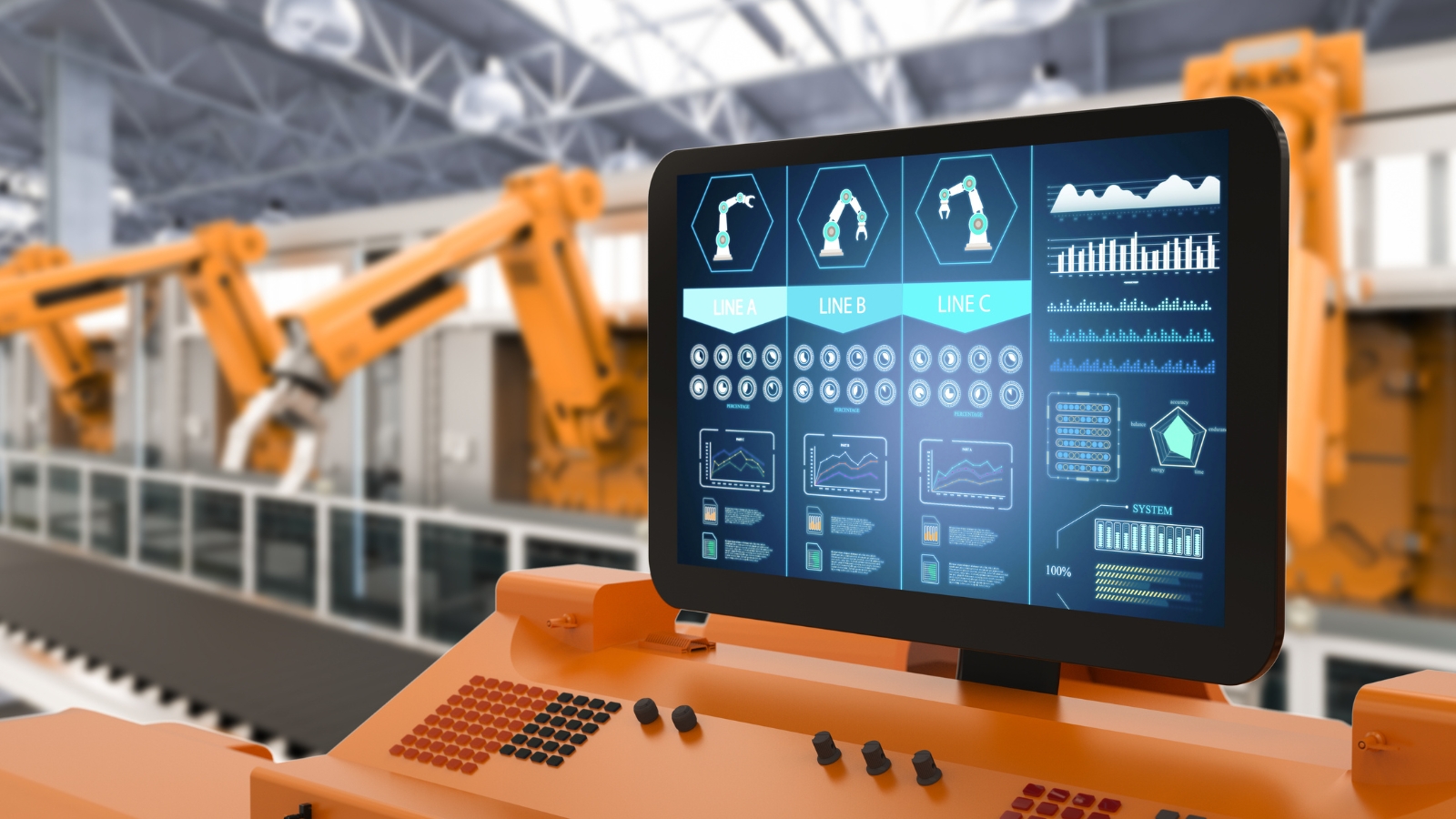
The advanced MES (Manufacturing Execution System) systems serve as the medium to link planning to execution and ensure that shop floor activities are aligned with production objectives. With the integration of the ERP system, manufacturing companies can obtain complete visibility within their processes.
Due to the increasing impact of digital transformation in manufacturing, there is an opportunity to combine all the seven flows into one interconnected architecture. It increases responsiveness, reduces downtime, and improves throughput for complicated production environments.
How Technology Improves The Seven Manufacturing Flows
The current manufacturing process requires the use of digital technology in order to increase efficiency, accuracy, and coordination.
- Technology like ERP system manufacturing platform allows for the centralisation of information through procurement, production, and logistics.
- Automation is critical when it comes to efficiency. Automation in factories minimises manual mistakes, speeds up production, and ensures that the process operates round the clock.
- Predictive solutions add even more value because through predictive maintenance, it is possible to avoid equipment failures and keep the amount of downtime low. Machines will always work at an optimal level of efficiency.
- With the help of production planning, it is possible to coordinate production with demand forecast and avoid overproduction. Together with the maximisation of throughput, this guarantees full capacity utilisation.
- Lastly, the current factories need to rely on lean manufacturing, continuous improvement (Kaizen), and operational efficiency principles to eliminate waste and improve performance across all flows.
Industry 4.0 And The Digital Transformation Of Manufacturing Flow Systems
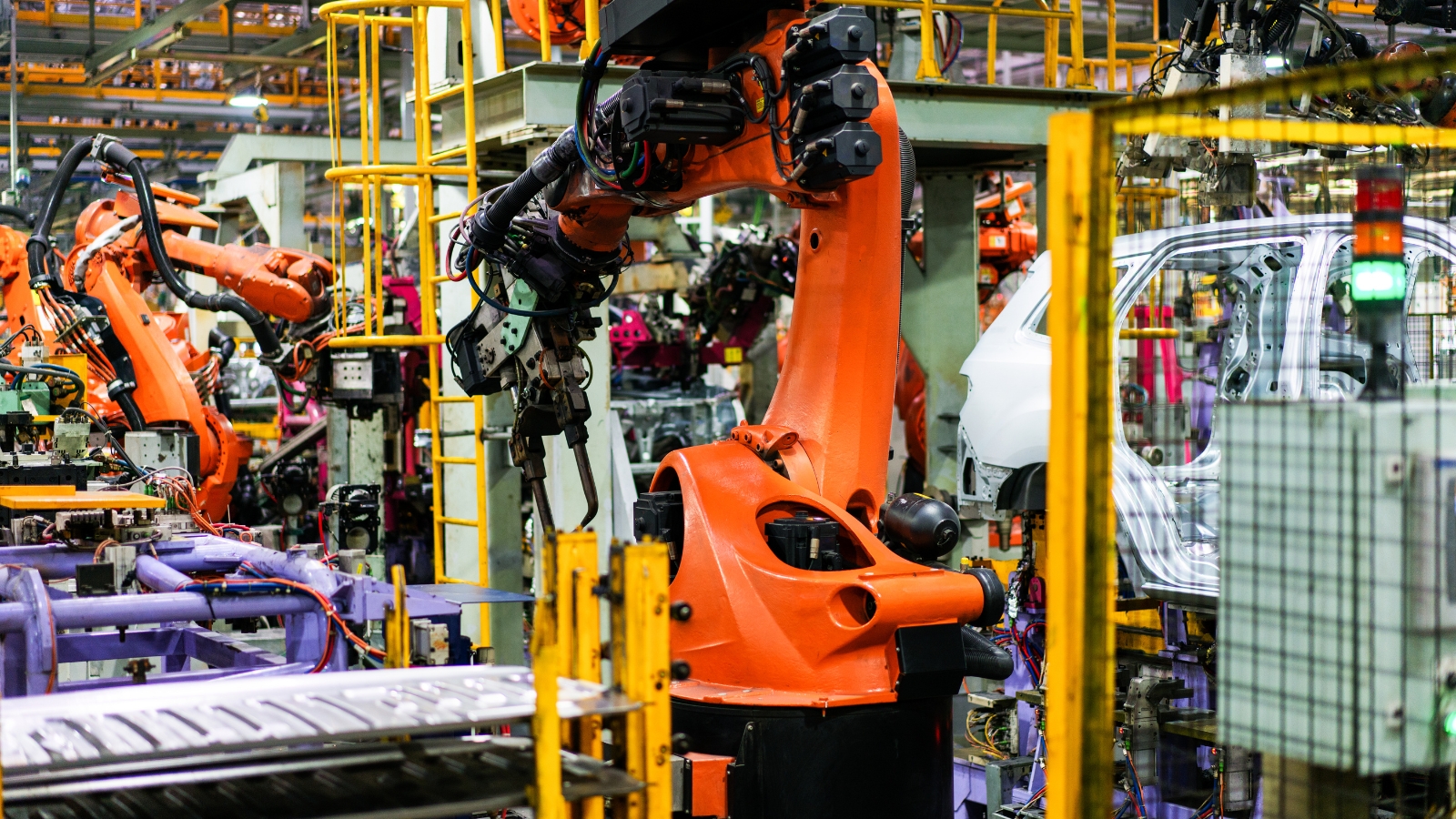
Industry 4.0 refers to the incorporation of digital technology into the traditional manufacturing setting, resulting in a smart, connected manufacturing system. The concept of Industry 4.0 is changing the way the factory works, especially visibility and control.
With the help of digital transformation in manufacturing, organisations have become able to link machines, systems, and people in real-time. This leads to improved coordination and minimisation of delays in communication.
Smart technologies such as IoT sensors and analytics platforms assist in achieving smart manufacturing through their ability to predict and automate decisions. They ensure efficiency in resource utilisation and stability of operations.
At the heart of this evolution lies the factory processes optimisation , which is centred around applying insights derived from data analytics to improve all aspects of production. This allows for better coordination among the seven flows.
ERP And MES Systems In Modern Manufacturing Flow Management
Enterprise systems provide an essential part in synchronisation of production processes within large manufacturing plants. The ERP system manufacturing application brings the processes of procurement, inventory, finance, and production planning to be united in one system.
As a result, decision-making accuracy is improved, and the balance between demand and supply is provided. Moreover, supply chain management is optimised due to real-time visibility on different levels of operations.
Within manufacturing plants, the MES (Manufacturing Execution System) systems serve as the link between planning and execution. They control production process, monitor machines and guarantee that the execution of operations corresponds to the strategy.
In general, the combination of ERP and MES systems provides enhanced coordination on all levels of production system flow.
Automation, Predictive Maintenance, And Operational Efficiency
Automation is now one of the key components of manufacturing effectiveness. With the help of robots and automated control systems, automation in factories minimises reliance on manpower and helps in increasing manufacturing speed.
The most important among them is the introduction of predictive maintenance that allows identifying equipment problems prior to their occurrence based on the analysis of sensor data. Such approach minimises downtime and maximises the usage of assets.
Through automation, it is possible to ensure more effective throughput optimisation through the maintenance of constant production speed and minimising the variety of processes.
By being used together with monitoring systems, automation makes factory workflow optimisation and manufacturing process more resilient.
Role Of Smart Manufacturing In Enhancing Flow Efficiency
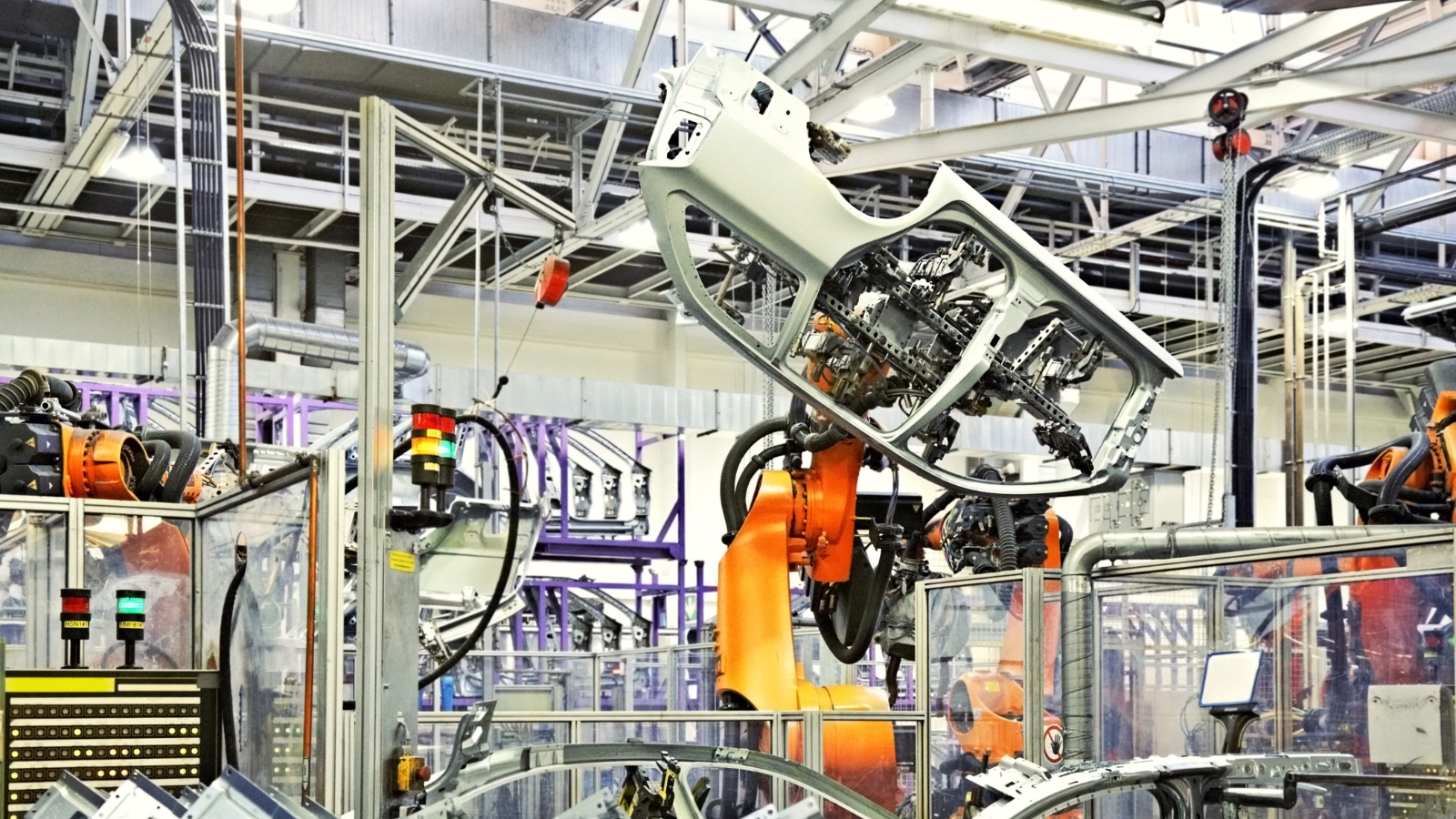
Smart manufacturing is an innovation that sees the transformation of conventional factories to data-driven ecosystems. This is achieved through the use of real-time analysis, connections between devices, and automation, which ensures all aspects of manufacturing operations perform optimally.
By adopting smart manufacturing, it is possible for organisations to optimise their manufacturing operation processes by identifying areas of inefficiency and then making the necessary adjustments automatically.
Using IoT technology and sensors ensures constant monitoring of machinery, raw materials, and workflows within a factory. This allows for optimised manufacturing workflow by preventing any problem from escalating.
Moreover, smart manufacturing systems facilitate the improvement of manufacturing efficiencies by minimising human intervention in the process of monitoring.
Predictive Maintenance And Asset Reliability In Manufacturing Flow
Reliability of the equipment is vital for continuous manufacturing processes. Predictive maintenance takes into account the information provided by sensors, machine learning techniques, and past patterns of performance of equipment in order to detect possible problems in advance.
This allows avoiding unnecessary breakdowns and guarantees that the equipment will operate during the production process. The implementation of predictive maintenance systems makes it possible to allocate resources in an efficient way and carry out maintenance procedures whenever it is really necessary.
Predictive maintenance makes it possible to improve the optimisation of the throughput due to the decrease in downtime.
Manufacturing Flow Optimisation Through Data-Driven Factory Systems
Factories have been using more data than ever before in making decisions as well as stabilising operations. Data-driven systems help factories in assessing the trends of their performance in all stages of manufacturing so that they can get control over the manufacturing process flow.
By connecting monitoring systems to factories, real-time analysis about inefficiency, delays, and imbalanced resource allocation is possible, which leads to continuous improvements in the manufacturing system flow.
Advanced analysis will improve operational efficiency through spotting of underperforming assets and offering recommendations for correction, which eventually results in improved utilisation of machines, people, and materials.
A data-driven approach has become an integral component of current industrial policy and allows plants to move from reactive management to proactive optimisation.
Synthesis Of The Seven Flows In A Unified Manufacturing System
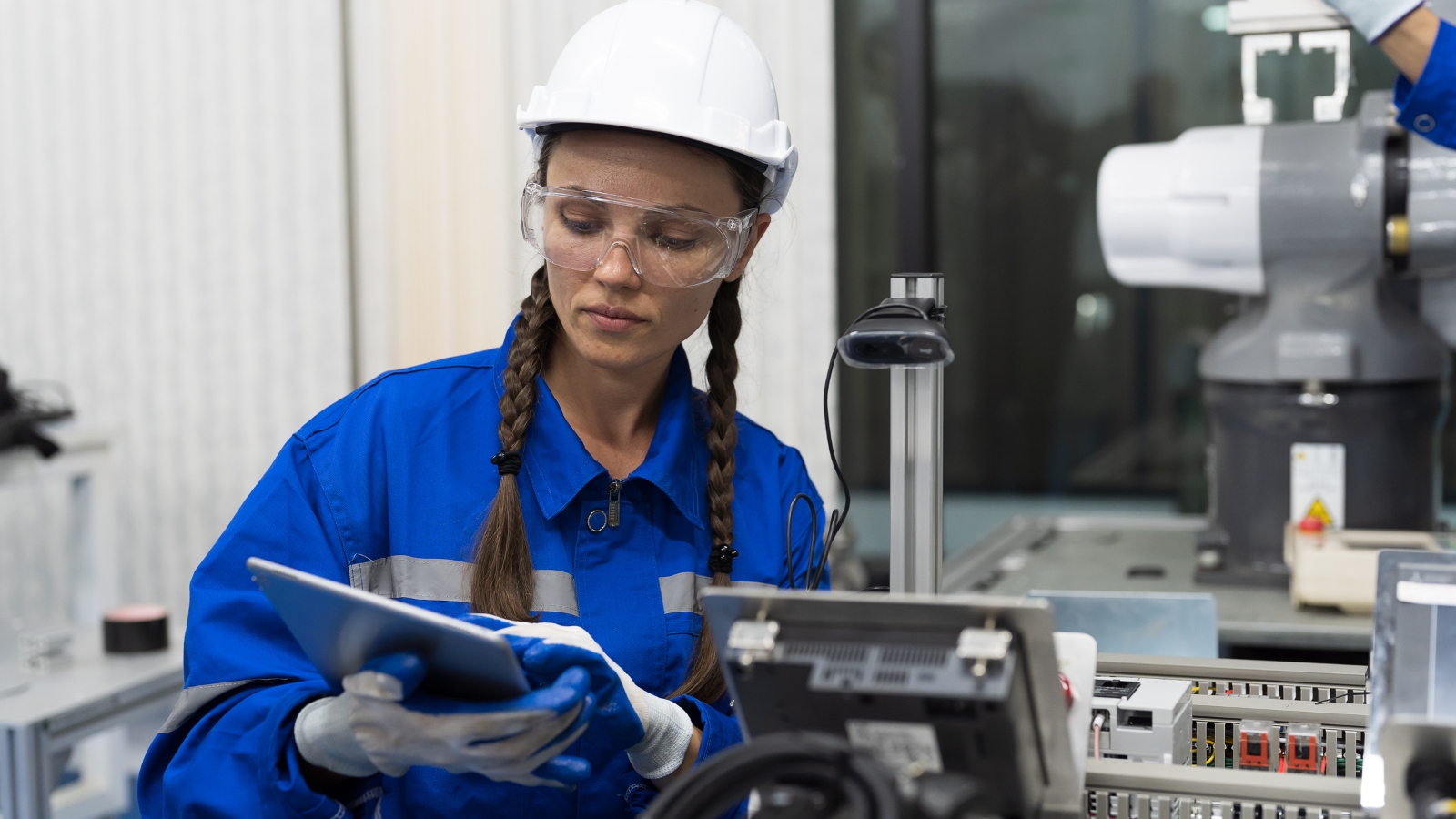
The 7 flows of manufacturing form an interconnected structure that defines how modern production systems operate. Each flow—materials, information, equipment, workforce, production process, quality, and finished goods—works together to ensure smooth operational continuity.
Knowing what the 7 flows of manufacturing are is vital when trying to create systems that are resilient enough to withstand market changes and remain efficient. A disruption in any one flow affects the whole system, which emphasises the need for balance.
A well-structured manufacturing flow system ensures that all components operate in harmony, reducing inefficiencies and improving overall productivity. This interconnected approach is essential for achieving long-term operational stability.
By combining digital tools, lean principles, and automation, manufacturers can create systems that are both efficient and scalable.
How Cerexio MES Optimises the 7 Flows of Manufacturing
Cerexio Manufacturing Execution System (MES) is a robust software solution in Singapore that provides end-to-end visibility and control across all seven flows of manufacturing by connecting production, materials, workforce, equipment, quality, information, and finished goods within a single digital platform.
Cerexio MES captures real-time shop-floor data, standardises workflows, monitors work-in-progress, and enables informed decision-making that improves productivity, traceability, compliance, and operational performance across complex manufacturing environments.
How Cerexio MES Uses AI, Automation, and Industry 4.0 to Reduce Manufacturing Costs
Powered by AI, intelligent automation, and Industry 4.0 technologies, Cerexio MES analyses real-time production data to predict equipment failures, optimise scheduling, automate quality monitoring, and eliminate manual processes.
Its seamless integration with ERP, IoT devices, and smart factory systems reduces downtime, minimises waste, lowers operating costs, improves resource utilisation, and delivers measurable long-term efficiency gains.
Call for a personalised demo now.
Cerexio-Way To Digitalised Manufacturing
Building High-Performance Manufacturing Flow Systems
Successful production in modern times is dependent upon how well the organisations are able to coordinate all their operations together. Everything ranging from the material management to information, quality control, and distribution is an essential aspect that defines the performance of the business organisation.
The changes in the flows of lean manufacturing, along with the development of digital technology have resulted in transforming traditional factories into intelligent ecosystems through the use of tools like ERP systems manufacturing, MES and automation.
The emerging technologies including Industry 4.0, smart manufacturing, and digital transformation in manufacturing keep changing the way industrial processes are carried out. This technology makes it possible for companies to achieve visibility, prediction and integration within all manufacturing layers.
It should be noted that optimising the manufacturing flow process is not only about increasing efficiency; it is about creating a flexible, resilient and future-proof manufacturing system.
FAQs About 7 Flows Of Manufacturing
The 7 flows of manufacturing are materials, information, equipment, workforce, production process, quality control, and finished goods. Together, they form a structured manufacturing flow system that ensures coordination, reduces inefficiencies, and improves operational stability across production environments.
The 7 flows improve efficiency by synchronising resources, reducing bottlenecks, and enhancing visibility across operations. When aligned through lean manufacturing and digital systems, they support smoother production flow management, better scheduling accuracy, and improved throughput across the entire production system.
Technology enhances manufacturing flow systems by integrating ERP and MES platforms, enabling real-time monitoring and control. Automation, predictive maintenance, and smart manufacturing tools improve accuracy, reduce downtime, and support efficient coordination across all production and supply chain activities.
Lean manufacturing supports flow optimisation by eliminating waste, reducing variation, and improving process stability. Combined with continuous improvement (Kaizen) and Six Sigma manufacturing, it enhances production system flow, increases efficiency, and ensures consistent output quality across operations.
Manufacturing flow disruptions are typically caused by bottlenecks, poor production scheduling, machine downtime, and inefficient inventory management systems. Lack of coordination between processes or weak information flow in production can also reduce efficiency and interrupt continuous manufacturing operations.