
Manufacturing plants do not fail overnight. Machines whisper before they scream. A conveyor belt vibrates slightly more than usual. A hydraulic press takes an extra second to complete a cycle. A cooling system struggles to maintain temperature during peak production hours. These small signs often go unnoticed until an unexpected breakdown shuts down an entire production line. In modern manufacturing, downtime is no longer a minor inconvenience. It is a direct threat to profitability, productivity, and customer trust.
This is where preventative maintenance software becomes essential. Manufacturers across industries are shifting away from reactive maintenance models because emergency repairs are expensive, unpredictable, and disruptive. Preventive maintenance software enables organisations to monitor assets, schedule service, track performance, and reduce equipment failures before they occur. Instead of waiting for machinery to break down, manufacturers can use data-driven insights to keep operations running smoothly.
This article covers
- Evolution Of Preventative Maintenance Software
- Why Preventative Maintenance Software Matters In Manufacturing
- Core Features Of Preventative Maintenance Software
- How Preventative Maintenance Software Improves Manufacturing Performance
- How To Choose The Right Preventative Maintenance Software For Manufacturing
- The Future Of Manufacturing Reliability With Preventative Maintenance Software
- FAQs About Preventative Maintenance Software
Evolution of Preventative Maintenance Software
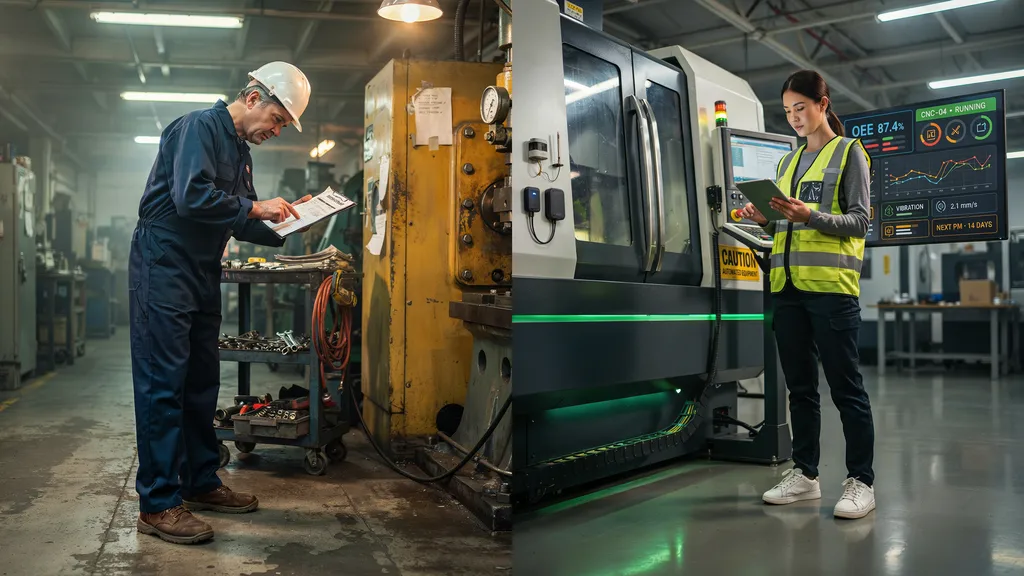
The rise of Industry 4.0 has accelerated this transformation. Smart factories now depend on automation, connected sensors, industrial IoT devices, and predictive analytics to maintain operational continuity.
preventative maintenance software serves as the digital backbone of this strategy by centralising maintenance operations and enabling teams to make proactive decisions. From automotive manufacturing facilities to food processing plants, organisations are using these systems to reduce costs, improve safety, and maximise asset lifespan.
Manufacturers today operate in highly competitive environments where production targets are tighter than ever. Every minute of downtime affects supply chains, labour productivity, and customer delivery timelines.
Preventative maintenance software helps companies avoid these disruptions while creating more reliable and efficient maintenance workflows. It empowers maintenance teams with real-time visibility into equipment conditions and ensures that critical assets receive attention before problems escalate.
Key Takeaways
- Preventative maintenance software reduces downtime by identifying equipment issues before failures occur.
- It centralises maintenance scheduling, work orders, and asset data for better operational control.
- Real-time IoT monitoring helps manufacturers detect anomalies in machine performance early.
- The software improves cost efficiency by reducing emergency repairs and extending asset lifespan.
Why Preventative Maintenance Software Matters in Manufacturing
In a large manufacturing facility, equipment reliability determines operational success. Production lines are interconnected, meaning that a single failed machine can disrupt an entire workflow.
Years ago, many factories relied on reactive maintenance practices, in which technicians responded only after equipment failed. While this approach may have worked in slower industrial environments, it creates serious financial and operational risks in modern manufacturing.
Preventative maintenance software changes this dynamic completely. Instead of relying on manual spreadsheets or paper-based records, manufacturers can automate maintenance scheduling and asset monitoring.
This ensures machinery receives servicing at the right intervals based on runtime, usage, or condition data. The software creates a structured approach that minimises uncertainty and reduces the likelihood of catastrophic equipment failure.
Consider a packaging manufacturer operating twenty-four hours a day. One unplanned stoppage in a conveyor motor could delay shipments to retailers across multiple regions. In the past, maintenance managers might have discovered the issue only after the motor overheated.
With preventative maintenance software, vibration sensors, and performance analytics, abnormalities can be identified early enough for maintenance teams to intervene before production stops.
The importance of preventative maintenance software also extends beyond equipment uptime. Manufacturing companies must comply with strict safety regulations and quality standards. Poorly maintained machinery increases the risk of workplace accidents, defective products, and compliance violations.
By ensuring equipment is regularly inspected and serviced, organisations create safer working environments while maintaining production quality.
Another major factor is labour efficiency. Maintenance teams often struggle with disorganised workflows when information is scattered across different systems. preventative maintenance software centralises maintenance histories, work orders, spare parts inventory, inspection records, and technician schedules on a single platform. This streamlines coordination and allows teams to respond faster to operational needs.
Manufacturers are also under pressure to reduce operational costs while maintaining high output levels. Emergency repairs are significantly more expensive than planned maintenance activities because they entail urgent labour costs, expedited spare-part purchases, and production downtime. Preventative maintenance software helps organisations avoid these expenses by enabling more strategic asset management.
Core Features of Preventative Maintenance Software
preventative maintenance software delivers value through the advanced capabilities it offers manufacturers. These systems are designed to automate maintenance planning, improve asset visibility, and provide actionable insights for operational decision-making.
While different platforms offer varying levels of sophistication, the most effective solutions share several core features that directly support manufacturing efficiency.
Automated Maintenance Scheduling
One of the most valuable functions of preventative maintenance software is automated scheduling. Maintenance teams no longer need to rely on memory or paper calendars to track servicing intervals. The software automatically generates maintenance tasks based on predefined conditions such as runtime hours, production cycles, or calendar dates.
In manufacturing environments where hundreds of machines operate simultaneously, this automation reduces the risk of maintenance being overlooked. A factory manager overseeing CNC machines, compressors, and robotic arms can ensure each asset receives servicing at the correct time without manual intervention. Automated scheduling creates consistency and prevents delays that could lead to equipment failures.
Real-Time Asset Monitoring
Modern preventative maintenance software often integrates with industrial IoT sensors to provide real-time equipment monitoring.
These sensors capture data related to temperature, vibration, pressure, energy consumption, and operating speed. The software then analyses this information to identify abnormal patterns that may indicate emerging problems.
Imagine a steel manufacturing facility where a furnace cooling system begins operating outside normal temperature ranges. Instead of waiting for the system to fail, maintenance teams receive instant alerts, allowing them to investigate issues early.
This proactive visibility helps manufacturers avoid costly shutdowns and maintain continuous production.
Work Order Management
Efficient maintenance operations depend on organised workflows. Preventative maintenance software streamlines work order management by automatically assigning tasks, tracking completion status, and documenting technician activities.
Maintenance managers gain visibility into pending tasks, resource allocation, and labour performance.
A food processing plant that adheres to strict hygiene standards may require regular inspections of refrigeration systems and production equipment. With centralised work order management, supervisors can ensure that every maintenance activity is completed on time and properly documented for compliance.
Spare Parts Inventory Tracking
Manufacturing downtime often becomes worse when replacement parts are unavailable during equipment failures.
Preventative maintenance software helps organisations manage spare parts inventory more effectively by tracking stock levels and linking parts to maintenance schedules.
For example, if a packaging machine requires specific bearings during scheduled servicing, the software can alert inventory managers before stock runs low. This prevents delays caused by missing components and improves overall maintenance efficiency.
Maintenance Analytics and Reporting
Data-driven decision-making is essential in modern manufacturing. Preventative maintenance software provides detailed reports and analytics that help organisations identify recurring equipment issues, evaluate maintenance costs, and measure asset performance.
A manufacturing company may discover through analytics that one production line consistently experiences higher maintenance costs due to outdated machinery.
These insights help management justify equipment upgrades or process improvements that reduce long-term operational expenses.
Mobile Accessibility for Technicians
Manufacturing facilities are large and fast-paced environments where technicians need immediate access to information.
Mobile-enabled preventative maintenance software allows maintenance personnel to receive work orders, update inspection records, and access equipment histories directly from smartphones or tablets.
This mobility improves communication between maintenance teams and supervisors while reducing paperwork.
Technicians can document repairs in real time, ensuring maintenance records remain accurate and up to date.
Integration With Manufacturing Systems
Modern manufacturing operations rely on interconnected digital ecosystems. Preventative maintenance software often integrates with ERP systems, SCADA platforms, MES systems, and industrial automation tools. This integration creates seamless data flow across departments and improves operational visibility.
For instance, when production schedules change, integrated maintenance software can automatically adjust maintenance windows to minimise operational disruptions.
This synchronisation supports smarter resource planning and enhances manufacturing agility.
How Preventative Maintenance Software Improves Manufacturing Performance
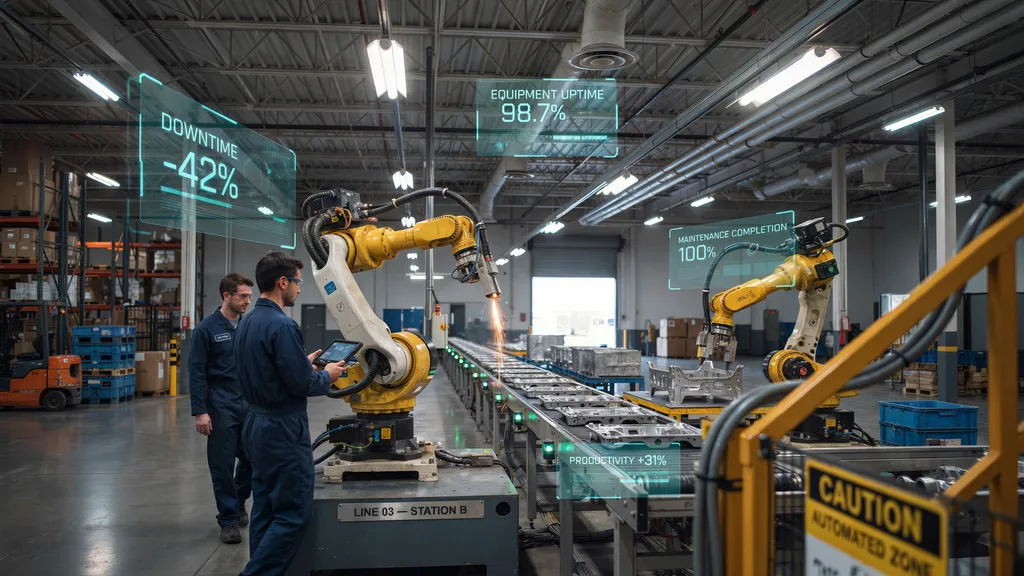
Manufacturers invest in preventative maintenance software because the operational benefits are measurable and long-lasting. The impact extends across productivity, asset reliability, workforce management, and financial performance.
In highly competitive manufacturing industries, even small improvements in uptime and efficiency can create significant business advantages.
One of the most immediate improvements is reduced downtime. Unplanned equipment failures are among the most expensive problems manufacturers face. Production interruptions can delay customer orders, waste raw materials, and create overtime labour costs.
Preventative maintenance software minimises these disruptions by identifying maintenance needs before machinery fails.
A global automotive parts manufacturer once struggled with recurring breakdowns in its stamping machines. Each failure halted production for hours and disrupted supply chain commitments.
After implementing preventative maintenance software with sensor-based monitoring, the company detected performance abnormalities early enough to schedule repairs during planned downtime. The result was a dramatic reduction in operational interruptions and improved production reliability.
Another major benefit is extended equipment lifespan. Manufacturing assets represent substantial capital investments, and replacing machinery prematurely can strain budgets.
Preventative maintenance software ensures equipment receives proper servicing throughout its lifecycle, reducing wear and preventing avoidable damage.
Manufacturers also experience improved workforce productivity. Maintenance teams often waste valuable time searching for records, coordinating schedules, or responding to emergency breakdowns.
Preventative maintenance software organises workflows and prioritises tasks more effectively, allowing technicians to focus on strategic maintenance activities rather than constant firefighting.
Operational visibility is another key advantage. Manufacturing leaders need accurate data to make informed decisions about maintenance budgets, equipment upgrades, and production planning. Preventative maintenance software provides centralised dashboards and reports that reveal asset performance trends, maintenance costs, and equipment reliability metrics.
Energy efficiency also improves when machinery operates in optimal condition. Poorly maintained equipment often consumes more electricity and generates unnecessary operational waste. By ensuring assets function correctly, preventative maintenance software helps manufacturers reduce energy costs and support sustainability initiatives.
Compliance management becomes easier as well. Many manufacturing industries must adhere to strict regulatory standards for equipment maintenance, safety inspections, and operational documentation. Preventative maintenance software maintains detailed digital records that simplify audits and ensure organisations meet compliance requirements.
Perhaps most importantly, preventative maintenance software transforms maintenance culture within manufacturing organisations. Instead of viewing maintenance as a reactive necessity, companies are beginning to treat it as a strategic business function that supports long-term operational excellence.
How to Choose the Right Preventative Maintenance Software for Manufacturing
Selecting the right preventative maintenance software requires careful evaluation because manufacturing environments have unique operational demands. Not every platform offers the same capabilities, scalability, or industry-specific functionality. Manufacturers must choose solutions that align with their production processes, maintenance goals, and future digital transformation strategies.
- The first consideration should be scalability. Manufacturing operations evolve, and software must support business growth without requiring complete system replacements. A small factory may initially manage fifty assets, but expansion could increase that number significantly. Scalable preventative maintenance software ensures the system remains effective as operations grow more complex.
- Ease of use is equally important. Maintenance teams work in fast-paced industrial settings where efficiency matters. Complicated software interfaces can slow adoption and create resistance among technicians. The best preventative maintenance software platforms offer intuitive dashboards, streamlined workflows, and mobile-friendly functionality to improve usability.
- Manufacturers should also evaluate integration capabilities. Preventative maintenance software should connect seamlessly with existing ERP systems, production management tools, and industrial IoT infrastructure. Integrated systems eliminate data silos and improve operational coordination across departments.
- Industry-specific functionality is another crucial factor. Manufacturing facilities differ significantly across sectors. A pharmaceutical manufacturer may prioritise compliance tracking and environmental monitoring, while a heavy industrial plant may focus more on predictive analytics and asset reliability. Choosing software tailored to manufacturing requirements ensures better operational alignment.
- Data analytics capabilities should not be overlooked. Advanced reporting tools allow manufacturers to analyse maintenance trends, monitor KPIs, and optimise asset performance. Organisations seeking long-term operational improvements should prioritise platforms that provide robust analytical insights.
- Cybersecurity has also become a growing concern in connected manufacturing environments. Preventative maintenance software often interacts with critical industrial systems and operational data. Manufacturers must ensure the chosen platform includes strong security measures to protect against cyber threats and unauthorised access.
- Vendor support and implementation services also play a major role in long-term success. Deploying preventative maintenance software across a manufacturing facility involves system configuration, staff training, and workflow adjustments. Reliable vendor support ensures smoother implementation and ongoing optimisation.
- A manufacturing company in Southeast Asia once implemented a low-cost maintenance platform without evaluating scalability or integration capabilities. Within two years, the software could no longer support the company’s growing production operations. The organisation ultimately replaced the system entirely, resulting in additional costs and operational disruptions. This experience highlights the importance of strategically selecting preventative maintenance software from the outset.
The Future Of Manufacturing Reliability With Preventative Maintenance Software

Preventative maintenance software has become an essential technology for modern manufacturing organisations seeking greater reliability, efficiency, and operational control. In industries where downtime can cost thousands of dollars per minute, proactive maintenance strategies are no longer optional. Manufacturers must move beyond reactive maintenance models and embrace data-driven asset management practices that support continuous production.
As factories become smarter and more connected through Industry 4.0 technologies, preventative maintenance software will continue to play a central role in manufacturing transformation. The ability to monitor assets in real time, automate maintenance workflows, and analyse equipment performance gives manufacturers a powerful competitive advantage.
The true value of preventative maintenance software lies in its ability to prevent small problems from becoming catastrophic failures. A single overlooked warning sign can shut down an entire production line, damage customer relationships, and impact profitability. By adopting proactive maintenance systems, manufacturers create more resilient operations capable of meeting modern production demands.
Organisations that invest in the right preventative maintenance software today position themselves for long-term operational success.
FAQs About Preventative Maintenance Software
Preventative maintenance software integrates with IoT sensors by collecting real-time machine data like vibration, temperature, and pressure, then analyzing it to detect anomalies and trigger maintenance alerts before failures occur.
The most critical data includes machine runtime hours, vibration patterns, thermal readings, energy consumption, and production cycle counts, enabling accurate prediction of equipment wear and maintenance scheduling.
It reduces unplanned downtime by continuously monitoring asset conditions and identifying early warning signs of failure, allowing maintenance teams to schedule repairs before breakdowns disrupt production operations.
Yes, it integrates with ERP and MES systems to synchronize production schedules, maintenance workflows, and asset data, ensuring coordinated operations and minimizing conflicts between manufacturing and maintenance activities.
It improves asset lifecycle management by tracking performance trends, scheduling timely maintenance, and preventing excessive wear, thereby extending equipment lifespan and reducing long-term capital replacement costs.