
What if a manufacturing company receives an urgent call from a major customer? A batch of products has failed in the field, causing operational disruptions and potential safety concerns. The customer wants answers immediately. Which supplier provided the raw materials? Which production line handled the batch? Were other products affected? Without a reliable way to trace materials throughout the production process, finding these answers could take weeks, leading to financial losses, reputational damage, and regulatory scrutiny.
This is where material traceability becomes essential. In today’s highly connected manufacturing environment, companies can no longer rely on fragmented records, spreadsheets, or manual documentation to track materials. Global supply chains have become increasingly complex, customer expectations for transparency continue to rise, and regulatory requirements are becoming more stringent across industries.
Material traceability provides manufacturers with complete visibility into the journey of raw materials, components, and finished products. It enables organisations to track every stage of production, identify potential issues quickly, and maintain quality standards throughout the supply chain. From food processing and pharmaceuticals to automotive manufacturing and electronics production, material traceability has become a fundamental requirement for operational excellence and business resilience.
This article explores what material traceability is, how it works, and why it plays a critical role in modern manufacturing operations.
We discover
We will look into
- What Is Material Traceability?
- How Material Traceability Works in Manufacturing
- Why Material Traceability Is Important
- The Future of Material Traceability in Industry 4.0
- FAQs About Material Traceability
What Is Material Traceability?
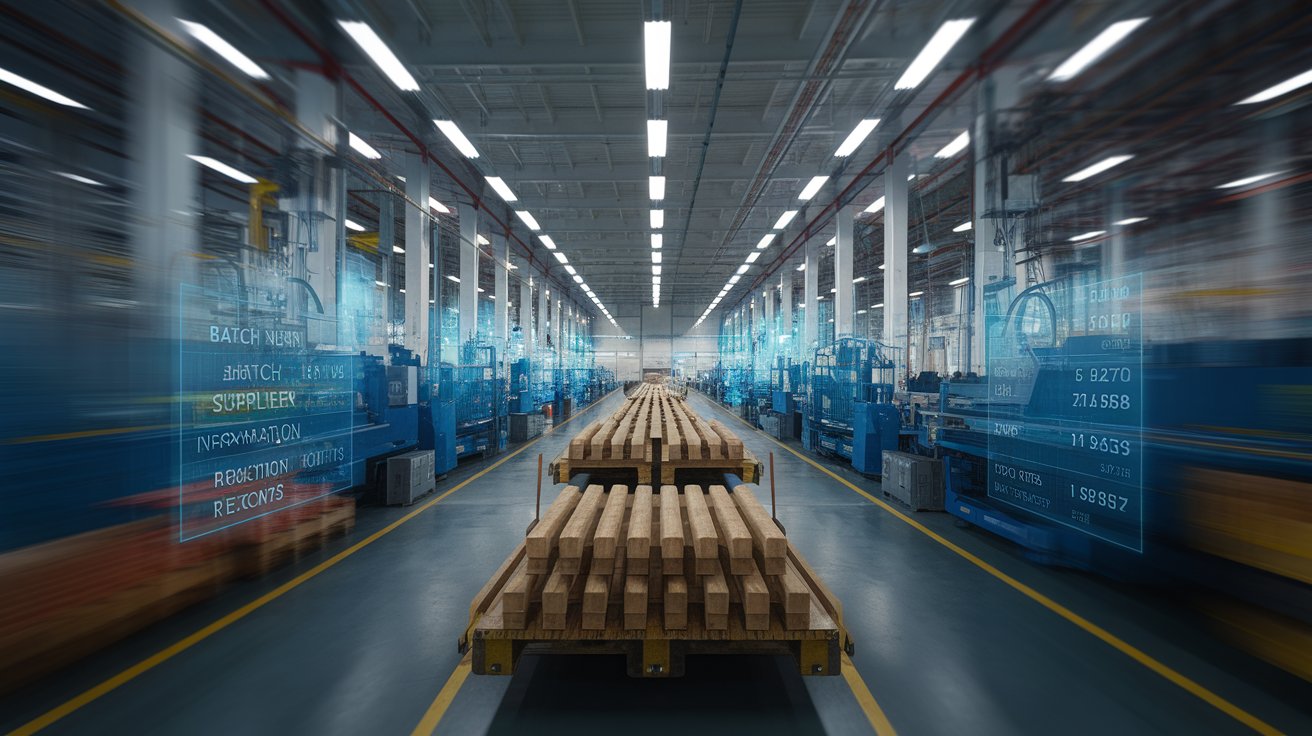
Material traceability refers to the ability to track and monitor the movement, transformation, and usage of materials throughout the entire manufacturing lifecycle.
It involves documenting and recording information about raw materials, components, subassemblies, and finished products as they move through various stages of production, storage, transportation, and distribution.
It is clear that material traceability creates a digital trail that connects every material input to its corresponding output. This trail includes critical information such as supplier details, batch numbers, production dates, inspection records, processing activities, storage conditions, and shipment information.
The concept extends beyond simply knowing where materials are located. Effective material traceability allows manufacturers to answer complex questions about product origins, manufacturing history, quality control measures, and supply chain interactions.
For example, if a defect is discovered in a finished product, traceability systems can identify the specific raw material batch involved, determine which suppliers contributed components, and locate other products that may have been affected.
Plus, modern traceability systems often leverage technologies such as barcodes, QR codes, RFID tags, IoT sensors, enterprise resource planning systems, and manufacturing execution systems. These technologies enable real-time data collection and provide organisations with comprehensive visibility into material movements across the supply chain.
As manufacturing operations continue to embrace digital transformation, material traceability has evolved from a compliance requirement into a strategic capability that drives efficiency, quality, and customer trust.
Key Takeaways
- Material traceability enables complete visibility of materials throughout the manufacturing lifecycle.
- Effective traceability improves product quality, compliance, and recall management.
- Real-time tracking helps manufacturers identify issues faster and reduce operational risks.
- Material traceability forms a critical foundation for Industry 4.0 and smart manufacturing initiatives.
How Material Traceability Works in Manufacturing
The process of material traceability begins when raw materials enter a manufacturing facility.
Each material batch receives a unique identifier that remains associated with the material throughout its lifecycle. This identifier serves as the foundation for tracking and documenting every interaction involving the material.
When materials are received, organisations capture information such as supplier details, delivery dates, batch numbers, inspection results, and storage locations. As materials move through production processes, additional data is recorded, including machine usage, operator activities, processing parameters, quality inspections, and production outcomes.
During manufacturing, traceability systems continuously link materials to work orders, production batches, and finished products. This creates a comprehensive genealogy that shows how individual materials contribute to final products. If materials are combined, split, transformed, or repackaged, the system maintains records of these relationships to preserve complete traceability.
Once products are completed and distributed, traceability information remains accessible for future reference. Manufacturers can quickly retrieve historical data to support audits, investigations, warranty claims, recalls, and regulatory reporting requirements.
The effectiveness of a traceability system depends on accurate data collection, consistent processes, and seamless integration across operational systems. When implemented correctly, material traceability provides a single source of truth that enhances visibility throughout the manufacturing ecosystem.
Why Material Traceability Is Important

Material traceability is important because it enables manufacturers to track materials throughout the supply chain, improving product quality, regulatory compliance, operational efficiency, and risk management.
It Enhances Product Quality and Consistency
Quality has always been a defining factor in manufacturing success.
This is where material traceability enables organisations to maintain consistent quality standards by providing visibility into every material used during production. When manufacturers can track the origin and processing history of materials, they gain greater control over product quality outcomes.
Consider a scenario where a manufacturer notices an increase in product defects.
Without traceability, identifying the root cause may require extensive investigation and lead to production delays. With a traceability system in place, quality teams can quickly analyse material histories, identify problematic batches, and isolate affected products.
Over time, this capability helps manufacturers establish stronger quality control processes, reduce variability, and ensure that products consistently meet customer expectations. The result is improved reliability, reduced waste, and a stronger brand reputation in competitive markets.
It Supports Regulatory Compliance Requirements
Manufacturing industries around the world operate under increasingly strict regulatory frameworks. Industries such as pharmaceuticals, food processing, aerospace, medical devices, and automotive manufacturing face particularly rigorous compliance obligations regarding material sourcing, quality control, and product safety.
Material traceability provides the documentation necessary to demonstrate compliance during audits and inspections.
Regulatory authorities often require manufacturers to maintain detailed records showing where materials originated, how they were processed, and where finished products were distributed.
A well-implemented traceability system simplifies compliance efforts by automatically capturing and organising critical information. Instead of scrambling to assemble records during an audit, organisations can provide comprehensive documentation quickly and accurately.
This proactive approach reduces compliance risks, minimises administrative burdens, and strengthens organisational readiness for regulatory reviews.
It Enables Faster Root Cause Analysis
Every manufacturing operation encounters challenges at some point.
Equipment failures, supplier issues, quality deviations, and production anomalies can disrupt operations and affect customer satisfaction. The speed at which organisations identify and resolve these issues often determines their overall impact.
Material traceability significantly accelerates root cause analysis by providing detailed historical records. When a problem occurs, teams can trace affected materials backwards through the supply chain and production process to identify contributing factors.
For example, if a finished product fails quality testing, traceability data can reveal whether the issue originated from a specific supplier, production line, machine setting, or operator action. This level of visibility reduces guesswork and enables faster corrective actions.
As a result, organisations can minimise downtime, reduce investigation costs, and restore normal operations more efficiently.
It Improves Recall Management and Product Safety
Product recalls represent one of the most significant risks facing manufacturers. A poorly managed recall can lead to substantial financial losses, legal consequences, and long-term reputational damage. Material traceability plays a crucial role in ensuring that recalls are conducted quickly and effectively.
Imagine a company discovering that a specific batch of raw material contains a contaminant. Without traceability, the organisation may be forced to recall a broad range of products as a precautionary measure. This approach increases costs and disrupts customer relationships.
With comprehensive traceability, manufacturers can precisely identify affected products and limit recall activities to specific batches. This targeted response reduces waste, lowers recall costs, and better protects consumer safety.
The ability to act quickly during a recall demonstrates accountability and helps maintain trust among customers, regulators, and business partners.
It Strengthens Supply Chain Transparency
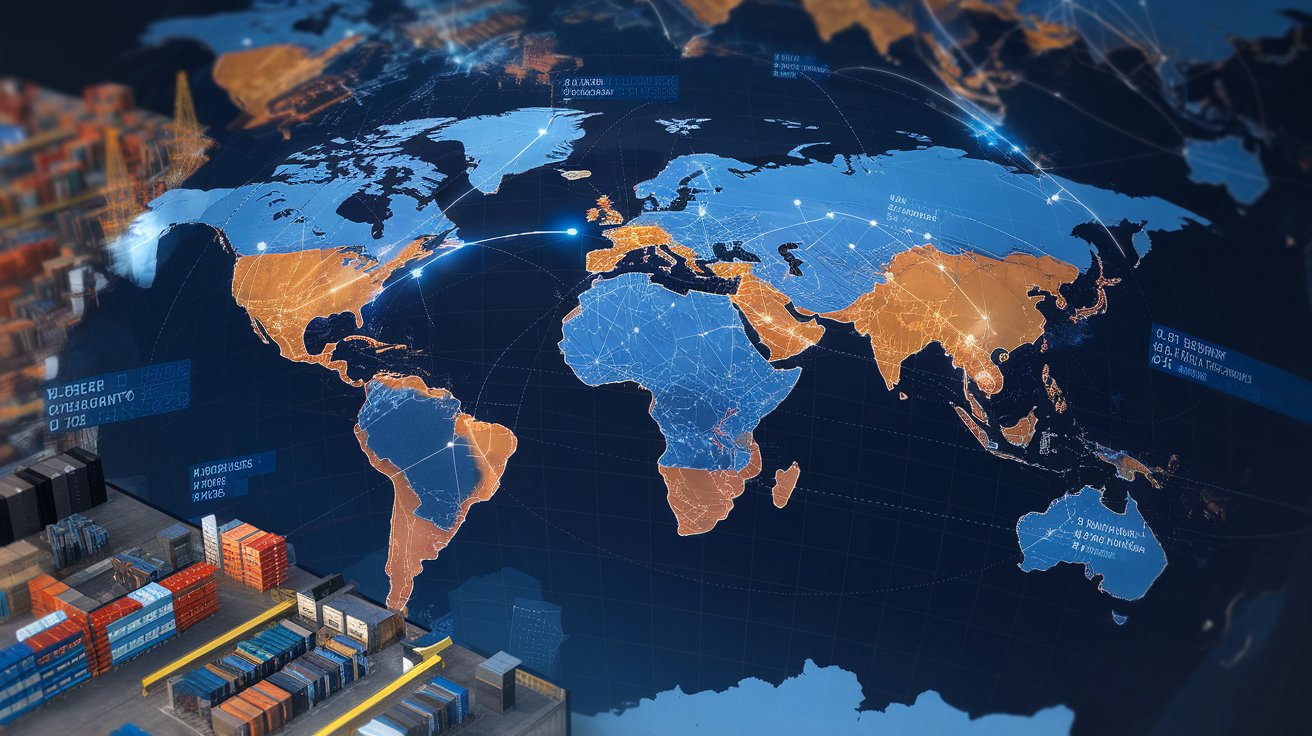
Modern supply chains often involve multiple suppliers, distributors, logistics providers, and manufacturing facilities spread across different regions.
Managing these complex networks requires visibility into material movements and supplier relationships.
Material traceability enhances supply chain transparency by providing a clear record of how materials move from source to final product. Organisations can monitor supplier performance, verify material authenticity, and identify potential vulnerabilities within their supply chains.
This visibility becomes particularly valuable when disruptions occur. Whether caused by geopolitical events, natural disasters, transportation delays, or supplier shortages, disruptions can significantly impact production operations.
Traceability enables manufacturers to assess risks more accurately, identify alternative sourcing options, and make informed decisions that support business continuity.
It Reduces Manufacturing Waste and Costs
Waste reduction remains a key objective for manufacturers seeking to improve profitability and sustainability. Material traceability contributes to this goal by helping organisations identify inefficiencies and optimise resource utilisation.
When materials are tracked throughout production, manufacturers gain valuable insights into scrap rates, yield losses, rework activities, and inventory discrepancies. These insights enable continuous improvement initiatives that target waste reduction and process optimisation.
For instance, recurring material losses may indicate equipment calibration issues or process inefficiencies. Traceability data helps organisations pinpoint these problems and implement corrective measures before costs escalate.
Over time, improved visibility leads to better resource management, lower operational costs, and enhanced production efficiency.
It Builds Customer Trust and Brand Credibility
Consumers and business customers increasingly expect transparency regarding product origins, quality standards, and ethical sourcing practices. Material traceability helps manufacturers meet these expectations by providing verifiable information about their products.
When customers can access information about where materials came from and how products were manufactured, confidence in the brand increases. This transparency is especially important in industries where safety, sustainability, and authenticity are critical considerations.
Manufacturers that demonstrate strong traceability capabilities often differentiate themselves from competitors. Customers view transparency as evidence of quality, accountability, and operational excellence.
As trust grows, organisations benefit from stronger customer relationships, increased loyalty, and enhanced market reputation.
It Supports Sustainability and ESG Initiatives
Environmental, Social, and Governance (ESG) considerations have become major priorities for organisations worldwide. Stakeholders increasingly demand evidence that companies are sourcing materials responsibly and minimising environmental impacts.
Material traceability enables manufacturers to monitor sustainability metrics across their supply chains. Organisations can verify the origin of materials, assess supplier practices, and track environmental performance indicators throughout the production process.
This visibility supports sustainability reporting, carbon footprint assessments, and responsible sourcing initiatives. It also helps companies identify opportunities to reduce environmental impacts and improve resource efficiency.
By aligning traceability efforts with sustainability goals, manufacturers strengthen their ESG performance while meeting growing stakeholder expectations.
It Enhances Inventory Accuracy and Control
Inventory management challenges can lead to stock shortages, excess inventory, production delays, and increased carrying costs. Material traceability improves inventory control by providing accurate, real-time information about material locations and status.
As materials move through warehouses, production lines, and distribution networks, traceability systems continuously update inventory records. This reduces manual errors and improves overall inventory accuracy.
Better visibility allows organisations to optimise stock levels, improve forecasting accuracy, and reduce unnecessary inventory investments. Production planners can make more informed decisions based on reliable data, ensuring materials are available when needed.
Ultimately, enhanced inventory control contributes to smoother operations and improved financial performance.
It Creates a Foundation for Smart Manufacturing
The future of manufacturing is increasingly driven by digital technologies, automation, and data-driven decision-making. Material traceability is a foundational component of smart manufacturing initiatives, providing the data needed to support advanced analytics and operational intelligence.
When traceability systems are integrated with IoT devices, artificial intelligence platforms, manufacturing execution systems, and enterprise applications, organisations gain unprecedented visibility into operations. Data collected through traceability processes can support predictive maintenance, process optimisation, quality forecasting, and supply chain analytics.
As manufacturers continue their digital transformation journeys, traceability becomes more than a tracking mechanism. It evolves into a strategic asset that enables innovation, agility, and competitive advantage in rapidly changing markets.
The Future of Material Traceability in Industry 4.0
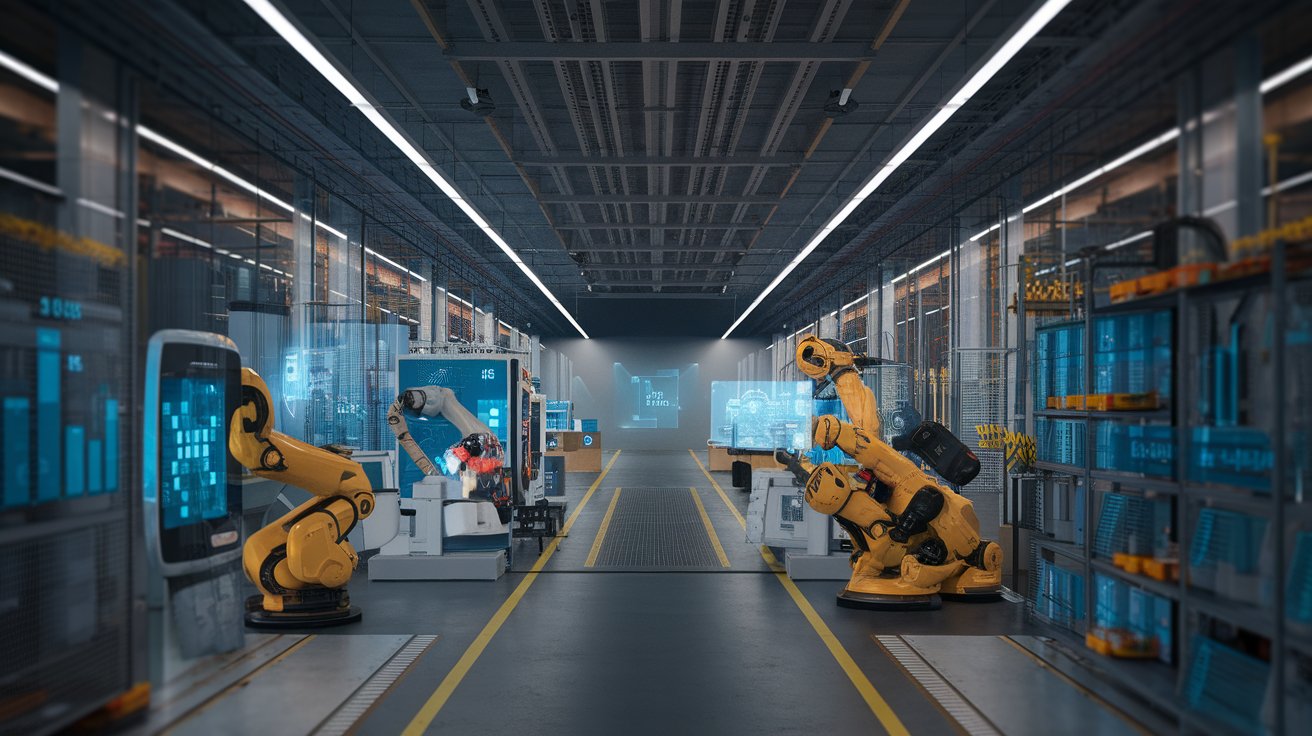
Have you noticed that, as Industry 4.0 technologies continue to reshape manufacturing, material traceability is becoming increasingly sophisticated? Emerging technologies such as blockchain, artificial intelligence, machine learning, digital twins, and advanced IoT networks are expanding the capabilities of traditional traceability systems.
Future traceability solutions will provide greater automation, real-time monitoring, and predictive insights. Blockchain technology may enhance data integrity by creating immutable records of material transactions. Artificial intelligence will help organisations identify patterns, predict risks, and optimise supply chain performance using traceability data.
Meanwhile, connected sensors will enable continuous monitoring of environmental conditions, equipment performance, and material movements. These capabilities will support more proactive decision-making and improve operational resilience across manufacturing ecosystems.
Organisations that invest in advanced traceability capabilities today will be better positioned to adapt to future industry demands and capitalise on emerging opportunities.
The Strategic Value of Material Traceability in Industry 4.0 Manufacturing
We can see that material traceability has evolved from a regulatory necessity into a strategic business capability that supports quality, compliance, efficiency, and customer trust. In an era where supply chains are increasingly complex and transparency is more important than ever, manufacturers need accurate visibility into every material that enters and exits their operations.
From improving product quality and accelerating root cause analysis to strengthening supply chain transparency and enabling sustainability initiatives, the benefits of material traceability extend across every aspect of manufacturing performance. It empowers organisations to respond quickly to challenges, make informed decisions, and maintain confidence among customers and regulators.
As digital transformation accelerates and Industry 4.0 technologies continue to mature, material traceability will become even more critical. Manufacturers that embrace comprehensive traceability solutions today will be better equipped to achieve operational excellence, drive innovation, and build resilient supply chains for the future.
FAQs About Material Traceability
Material traceability integrates with Manufacturing Execution Systems (MES) to capture real-time production data and link materials to work orders, equipment, and operators. This creates a complete product genealogy, improving visibility, quality control, compliance, and operational decision-making across manufacturing processes.
End-to-end material traceability typically relies on barcodes, QR codes, RFID tags, IoT sensors, MES platforms, ERP systems, and cloud databases. These technologies automate data collection, enable real-time tracking, and ensure accurate records of material movement throughout the supply chain.
Material traceability improves root cause analysis by providing detailed records of material origins, production activities, machine settings, and quality inspections. Manufacturers can quickly identify defect sources, isolate affected batches, implement corrective actions, and significantly reduce investigation time.
Forward traceability tracks materials from suppliers to finished products and customers, while backward traceability identifies the origin of materials used in a specific product. Together, they provide complete visibility for quality management, recalls, and regulatory compliance.
Data accuracy is essential because traceability systems depend on reliable records to track materials across production stages. Inaccurate data can compromise compliance, delay recalls, hinder root cause investigations, and reduce the effectiveness of quality and supply chain management efforts.