
In 2026, businesses are no longer dealing with just a few vendors; many manage 50+ SaaS tools, and some even handle over 250 vendors at once. At the same time, the global vendor management system market is expected to exceed $21 billion by 2029, growing rapidly as companies seek better control and efficiency.
That shift tells a bigger story. Vendor chaos is real. Contracts get lost, costs rise quietly, and performance becomes hard to track. This is where a Vendor Management System steps in, not just as software, but as a strategic backbone for modern businesses.
The article covers
We will discover
- What Is A Vendor Management System?
- Why Businesses Need A Vendor Management System
- Top Benefits Of Vendor Management System
- How A Vendor Management System Improves Business Growth
- Challenges Without A Vendor Management System
- Future Trends In Vendor Management System
- Advanced Benefits Of Vendor Management System
- Use Cases Of Vendor Management System Across Industries
- How To Choose The Right Vendor Management System
- FAQs About Vendor Management System
What Is A Vendor Management System?

A Vendor Management System (VMS) is a digital platform that helps businesses manage vendors, contracts, performance, and payments in one place. It automates manual processes and gives real-time visibility into supplier activities.
In simple terms, a Vendor Management System helps companies efficiently track, manage, and optimise vendor relationships. It reduces risks and improves performance.
Key Takeaways
- A Vendor Management System helps businesses centralise vendor data, improving visibility, control, and decision-making across all supplier relationships.
- It reduces costs by eliminating inefficiencies, preventing duplicate payments, and improving budget tracking through automation and analytics.
- The system strengthens compliance and risk management by tracking contracts, certifications, and vendor performance in real time.
- A Vendor System improves efficiency, scalability, and vendor relationships, making it essential for modern business growth.
Key Features Of A Vendor Management System
A Vendor Management System is not just a database. It combines multiple tools into a single system that supports both daily operations and long-term planning.
It includes features like vendor onboarding, contract tracking, performance monitoring, compliance checks, and analytics dashboards. These features help businesses avoid data silos and consolidate everything into a single structured system.
Another key feature is automation. Tasks like invoice approvals, vendor communication, and reporting can be handled automatically. This reduces human errors and saves time.
Most modern Vendor Management System platforms also integrate with ERP and finance tools. This creates a connected ecosystem where vendor data flows smoothly across departments without duplication.
Why Businesses Need A Vendor Management System
A Vendor Management System is essential for companies dealing with multiple suppliers and service providers. Without it, vendor management becomes slow, risky, and expensive.
In short, businesses need a Vendor Management System to gain control, reduce costs, and improve vendor performance.
Increasing Vendor Complexity
Today’s businesses rely on many vendors for IT, logistics, manufacturing, and services. Managing them manually creates confusion and delays.
A Vendor Management System simplifies this complexity by organising all vendor information in one place. It allows teams to quickly access contracts, track vendor activities, and monitor performance without switching between systems.
As companies grow, vendor networks expand. Without a proper system, it becomes difficult to maintain consistency. A Vendor Management System ensures scalability by efficiently handling large volumes of vendor data.
Rising Compliance Requirements
Compliance is becoming stricter across industries. Businesses must ensure that vendors follow legal, financial, and operational standards.
A Vendor Management System helps track compliance documents, certifications, and audits. It sends alerts when documents expire or need updates.
This reduces the risk of penalties and protects the company’s reputation. Instead of reacting to compliance issues, businesses can proactively manage them using a Vendor Management System.
Top Benefits Of Vendor Management System
A Vendor Management System delivers multiple advantages that directly impact business performance. From cost savings to better decision-making, its benefits span both operational and strategic levels.
Below are the most important benefits of a Vendor Management System explained in detail.
Improved Vendor Visibility
One of the biggest benefits of a Vendor Management System is complete visibility. Businesses can view all vendor-related data in a single dashboard.
This includes vendor performance, contract status, payment history, and compliance records. With this visibility, decision-makers can quickly identify issues and take action.
Instead of relying on guesswork, companies use real-time data. This leads to smarter decisions and better vendor relationships. A Vendor Management System turns scattered data into meaningful insights.
Cost Reduction And Budget Control
Hidden costs are common when managing vendors manually. Duplicate payments, missed discounts, and inefficient processes can increase expenses.
The latter helps track spending and identify cost-saving opportunities. It provides detailed reports on vendor expenses and highlights areas where costs can be reduced.
Automation also reduces administrative work, saving labour costs. Over time, businesses gain better control over budgets and improve financial efficiency using a Vendor Management System.
Better Vendor Performance Management
Not all vendors perform equally. Some deliver high-quality services, while others may cause delays or issues.
This system allows businesses to track vendor performance using key metrics like delivery time, quality, and compliance.
This helps identify top-performing vendors and those that need improvement. Companies can make informed decisions about whether to continue with or replace vendors.
With clear performance data, the system ensures accountability and continuous improvement.
Enhanced Compliance And Risk Management
Managing vendor risks is critical for business stability. Non-compliance can lead to legal issues, financial losses, and reputational damage.
This centralises compliance data and ensures all vendors meet required standards. It tracks certifications, contracts, and regulatory requirements.
Risk management tools within the system help identify potential risks early. Businesses can take preventive actions instead of reacting to problems.
This makes a vendor system essential for maintaining compliance and reducing risks.
Increased Operational Efficiency
Manual vendor management involves repetitive tasks like data entry, approvals, and communication. These tasks slow down operations and increase errors.
A Vendor Management Software automates these processes, saving time and improving accuracy. Employees can focus on strategic tasks instead of routine work.
Automation also speeds up workflows, such as vendor onboarding and invoice processing. This leads to faster operations and improved productivity across the organisation.
Stronger Vendor Relationships
Good vendor relationships are key to long-term success. Poor communication and delays can damage trust.
A Vendor platform improves communication by providing a centralised platform for interaction. Vendors and businesses can easily share updates, documents, and feedback.
Transparency builds trust and strengthens partnerships. When vendors feel valued and informed, they are more likely to deliver better results.
This makes it a powerful tool for relationship management.
How A Vendor Management System Improves Business Growth
A Vendor tool is not just about managing vendors; it directly contributes to business growth. It helps companies scale operations, improve efficiency, and stay competitive.
In simple terms, a Vendor Management System supports growth by optimising processes, reducing risks, and enabling better decision-making.
Supporting Scalability
As businesses grow, vendor networks become larger and more complex. Managing them manually becomes impossible.
A Vendor Management System provides the structure needed to handle growth. It can manage hundreds of vendors without losing control.
This scalability ensures that businesses can expand operations without increasing complexity. The system grows with the company, making it a long-term investment.
Enabling Data-Driven Decisions
Modern businesses rely on data to make decisions. Without accurate data, strategies can fail.
A vendor handling software provides real-time insights into vendor performance, costs, and risks. These insights help businesses make informed decisions.
For example, companies can choose the best vendors based on performance data. They can also identify trends and optimise strategies.
This data-driven approach gives businesses a competitive advantage.
Challenges Without A Vendor Management System

Without a Vendor Management System, businesses face several challenges that can impact efficiency and profitability.
In short, the absence of a Vendor Management System leads to poor visibility, higher risks, and increased costs.
Lack Of Centralised Data
Managing vendor data across spreadsheets and emails creates confusion. Information gets lost, duplicated, or outdated.
This system solves the problem by centralising all data on a single platform. Without it, businesses struggle to access accurate information.
This lack of visibility leads to poor decision-making and inefficiencies. Centralisation is one of the key reasons why companies adopt a Vendor Management System.
Higher Risk Of Errors
Manual processes are prone to errors. Incorrect data entry, missed deadlines, and duplicate payments are common issues.
A Vendor Management System reduces these errors through automation and validation checks.
Without it, businesses face higher risks of financial losses and operational disruptions. Reducing errors is a major benefit of implementing a Vendor Management System.
Future Trends In Vendor Management Systems
The future of the Vendor Management System is driven by technology and innovation. Businesses are adopting advanced tools to improve efficiency and stay competitive.
AI And Automation Integration
Artificial Intelligence is transforming vendor management. AI-powered Vendor Management System platforms can predict risks, analyse performance, and automate decisions.
For example, AI can identify patterns in vendor behaviour and suggest improvements. This helps businesses optimise vendor relationships.
Automation will continue to evolve, making the Vendor Management System more efficient and intelligent.
Cloud-Based Vendor Management System
Cloud technology is becoming the standard for vendor solutions. It allows businesses to access data from anywhere and collaborate in real time.
Cloud-based systems are scalable, flexible, and cost-effective. They also support remote work and global operations.
As digital transformation continues, more companies will adopt cloud-based Vendor Management System platforms.
Advanced Benefits Of Vendor Management System
A Vendor Management System goes beyond basic tracking. It delivers advanced capabilities that help businesses optimise strategy, reduce long-term risks, and improve overall performance.
In simple terms, the advanced benefits of a Vendor Management System include predictive insights, smarter workflows, and stronger financial control.
Real-Time Analytics And Reporting
One of the most powerful features of a Vendor Management System is real-time analytics. Businesses can instantly view vendor performance, spending patterns, and compliance status.
This allows managers to act quickly instead of waiting for monthly reports. Real-time dashboards highlight issues before they become serious problems.
For example, if a vendor’s performance drops, the system alerts the team immediately. This proactive approach improves decision-making. A Vendor Management System transforms raw data into clear, actionable insights that drive efficiency and growth.
Improved Contract Management
Managing contracts manually is risky and time-consuming. Important dates, terms, and renewals can easily be missed.
A Vendor Management System stores all contracts in one place and tracks key milestones. It sends alerts for renewals, expirations, and compliance requirements.
This prevents costly mistakes like auto-renewals or contract breaches. Businesses can also standardise contract terms and improve negotiation strategies.
With better control over agreements, this system ensures that contracts are always aligned with business goals.
Enhanced Financial Transparency
Financial visibility is critical for any organisation. Without it, costs can spiral out of control.
A Vendor Management System provides detailed insights into vendor-related expenses. Businesses can track every payment, invoice, and transaction in one system.
This level of transparency helps identify unnecessary spending and optimise budgets. It also improves financial planning and forecasting.
By using a Vendor Management System, companies gain full control over vendor finances, reducing risks and improving profitability.
Use Cases Of Vendor Management Systems Across Industries
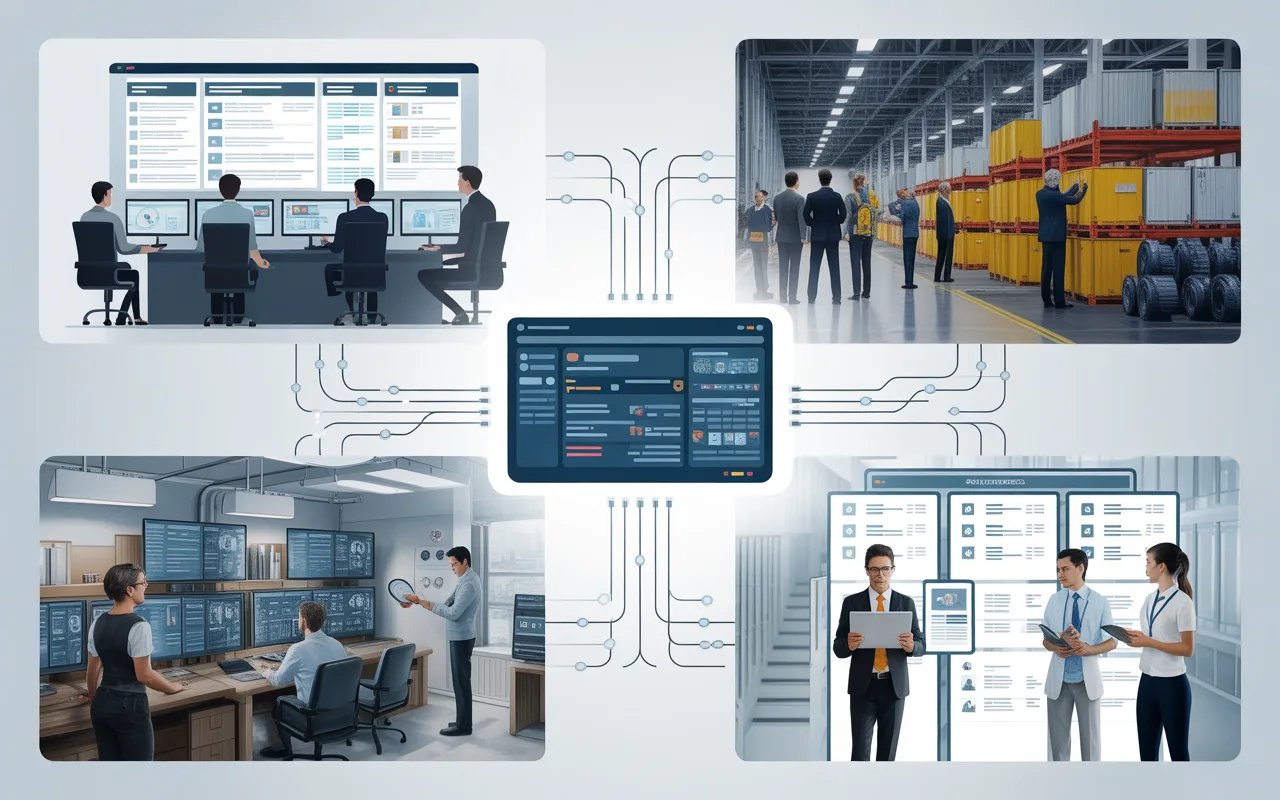
A Vendor Management System is used across multiple industries to streamline operations and improve efficiency.
In simple terms, a Vendor Management System adapts to different industries by customising workflows, improving compliance, and enhancing vendor collaboration.
IT And Technology Sector
In the IT industry, companies rely on multiple vendors for software, hardware, and services. Managing these vendors manually can lead to confusion and delays.
A Vendor Management System helps IT teams track vendor performance, manage contracts, and monitor service-level agreements (SLAs).
It also ensures that vendors meet security and compliance standards. With increasing reliance on cloud services, a Vendor Management System becomes essential for maintaining control and efficiency in IT operations.
Manufacturing Industry
Manufacturing companies depend on suppliers for raw materials, equipment, and logistics. Any delay or issue can disrupt production.
A Vendor Control System ensures that suppliers deliver on time and meet quality standards. It tracks performance metrics and identifies risks early.
This helps manufacturers avoid production delays and maintain efficiency. By improving supplier coordination, a Vendor Control System plays a key role in optimising manufacturing processes.
Healthcare Industry
Healthcare organisations must follow strict regulations when working with vendors. Compliance and quality are critical.
A Vendor System helps manage vendor certifications, track compliance, and ensure that suppliers meet healthcare standards.
It also improves transparency and accountability. With patient safety at stake, the latter becomes an essential tool for managing vendor relationships in healthcare.
How To Choose The Right Vendor Management System
Choosing the right Vendor Management System is crucial for maximising its benefits. Not all systems offer the same features or capabilities.
In simple terms, businesses should select a Vendor Management System based on scalability, integration, and ease of use.
Key Features To Look For
When selecting a Vendor Management System, businesses should focus on features that match their needs.
Important features include vendor onboarding, contract management, performance tracking, and analytics. Integration with existing systems is also essential.
A user-friendly interface ensures that employees can use the system effectively. Scalability is another key factor, as the system should grow with the business.
By choosing the right features, companies can fully leverage the benefits of a Vendor Management System.
Common Mistakes To Avoid
Many businesses make mistakes when choosing a Vendor Management System. One common mistake is focusing only on price instead of value.
Another mistake is ignoring integration capabilities. A system that does not integrate with existing tools can create more problems.
Businesses also overlook user training, which leads to poor adoption.
Avoiding these mistakes ensures that the Vendor Management System delivers maximum value and improves overall efficiency.
FAQs About Vendor Management System
The benefits of a Vendor Management System include improved vendor visibility, cost reduction, better compliance, and enhanced efficiency. It helps businesses manage vendors in one place, reducing risks and improving performance.
A Vendor Management System works by centralising vendor data, automating workflows, and providing real-time insights. It tracks vendor performance, manages contracts, and ensures compliance through a single platform.
Any business that works with multiple vendors can benefit from a Vendor Management System. It is especially useful for industries like IT, manufacturing, healthcare, and logistics.
Yes, a Vendor Management System is worth it because it reduces costs, improves efficiency, and minimises risks. It provides long-term value by optimising vendor relationships and business operations.
Final Thoughts- Embracing The Best Benefits of a Vendor Management System

Managing vendors without a structured system is no longer practical. As businesses grow, vendor networks become more complex and harder to control.
A Vendor Management System provides the structure needed to manage this complexity. It improves visibility, reduces costs, and enhances performance.
From small businesses to large enterprises, the benefits of a Vendor Management System are clear. Companies that adopt it gain a competitive edge and build stronger, more reliable vendor relationships.