
According to studies from the manufacturing sector, unplanned downtime costs industrial manufacturers 50 billion dollars annually, with some large factories losing thousands of dollars per minute during production interruptions. These losses are not only financial. Downtime can also damage brand reputation, create delivery delays, increase operational stress, and reduce workforce morale. In highly competitive industries, even a small interruption can disrupt an entire supply chain and impact customer trust.
Today, manufacturing companies are shifting toward smarter and more proactive approaches to minimise downtime. Instead of reacting to machine failures after they occur, manufacturers are investing in predictive maintenance, industrial automation, real-time monitoring systems, and Industry 4.0 technologies to prevent disruptions before they happen.
These innovations are helping factories become more resilient, data-driven, and operationally efficient.
Reducing downtime in manufacturing operations is no longer simply about quickly fixing broken machines. It is about building a connected production environment where equipment performance, maintenance schedules, workforce coordination, and operational visibility work together seamlessly.
In this article, let’s explore how companies that successfully reduce downtime can improve productivity, increase equipment lifespan, lower maintenance costs, and maintain a stronger competitive advantage in the market.
The article covers
- Understanding Downtime in Manufacturing Companies
- The Difference Between Planned and Unplanned Downtime
- How Downtime Impacts Production Efficiency and Profitability
- The Main Challenges Manufacturing Companies Face With Equipment Downtime
- Effective Strategies for Reducing Downtime in Manufacturing Company Operations
- How Smart Manufacturing Technologies Help Minimise Downtime
- Future Trends in Downtime Reduction for Manufacturing Companies
- FAQs About Reducing Downtime in Manufacturing Company Operations
Understanding Downtime in Manufacturing Companies
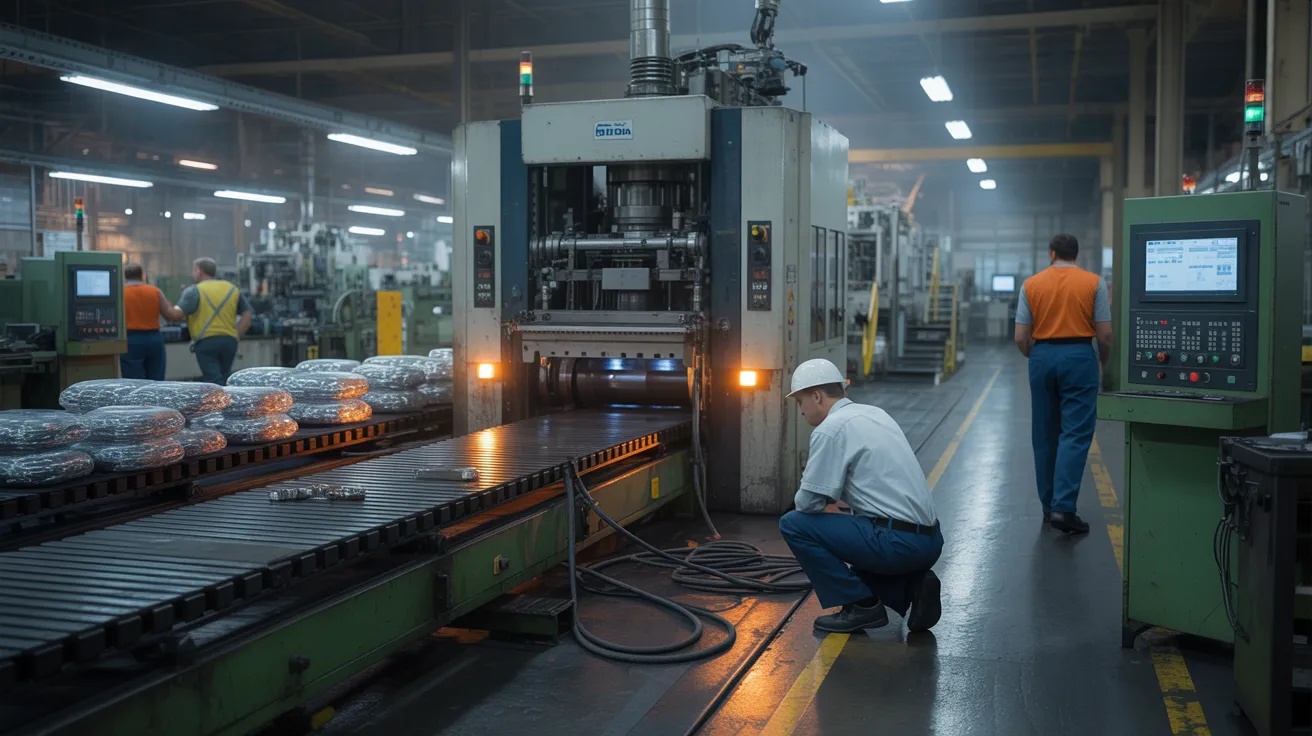
Manufacturing downtime refers to any period when production equipment, systems, or processes are not operating as intended.
Downtime may be planned, such as scheduled maintenance or equipment upgrades, or unplanned, which usually occurs unexpectedly due to machinery breakdowns or operational failures.
For many manufacturers, downtime is more than just an operational inconvenience. It directly affects production targets, customer commitments, and profitability.
In fast-paced manufacturing environments, even short periods of downtime can create significant disruptions across multiple departments.
Key Takeaways
- Reducing downtime improves manufacturing productivity and profitability.
- Predictive maintenance helps prevent unexpected equipment failures.
- Smart manufacturing technologies increase real-time operational visibility.
- Employee training plays a major role in downtime reduction.
What Is Manufacturing Downtime?
Manufacturing downtime occurs when a machine, production line, or operational process is unavailable for production. This interruption prevents manufacturers from producing goods efficiently and meeting operational demands.
Further, downtime can happen for many reasons, including equipment malfunctions, software failures, power outages, operator mistakes, or material shortages.
While some downtime is unavoidable, excessive or poorly managed downtime can severely impact business performance.
Common Causes of Downtime in Manufacturing Plants
Several factors contribute to downtime in manufacturing facilities.
One of the most common causes is equipment failure. Ageing machinery and poor maintenance practices increase the likelihood of unexpected breakdowns.
Human error also plays a major role in production interruptions. Improper machine handling, lack of employee training, or incorrect operational procedures can lead to equipment damage or process delays.
Other common causes include:
- Lack of preventive maintenance
- Software and system failures
- Supply chain disruptions
- Poor inventory management
- Inadequate production planning
- Inefficient communication between teams
The Difference Between Planned and Unplanned Downtime
Planned downtime refers to scheduled operational interruptions that are intentionally organised to support long-term productivity. Examples include equipment inspections, preventive maintenance, software upgrades, and facility cleaning.
Unplanned downtime occurs unexpectedly and often causes significant operational disruption. Equipment breakdowns, sudden system failures, or emergency repairs are examples of unplanned downtime.
This type of downtime is generally more costly because it interrupts production without warning.
Manufacturers aim to reduce unplanned downtime while strategically managing planned downtime to improve equipment reliability and operational efficiency.
How Downtime Impacts Production Efficiency and Profitability
Downtime affects far more than immediate production output. When machines stop operating, manufacturers often experience delays in product delivery, increased labour costs, wasted raw materials, and missed customer expectations.
Frequent downtime can also reduce employee productivity. Workers may spend valuable time waiting for repairs instead of contributing to production activities. Over time, recurring disruptions create frustration among employees and management teams alike.
Additionally, downtime can increase operational expenses through emergency maintenance costs, expedited shipping fees, and overtime payments required to recover lost production time.
Key Downtime Metrics Manufacturers Should Track
To effectively reduce downtime, manufacturing companies must monitor key performance indicators that provide insights into equipment reliability and production performance.
Important downtime metrics include:
- Mean Time Between Failures (MTBF)
- Mean Time To Repair (MTTR)
- Overall Equipment Effectiveness (OEE)
- Equipment utilisation rates
- Production cycle efficiency
- Maintenance response times
Tracking these metrics helps manufacturers identify recurring issues and improve maintenance strategies over time.
The Main Challenges Manufacturing Companies Face With Equipment Downtime
Reducing downtime is not always straightforward. Many manufacturers struggle with outdated infrastructure, disconnected systems, and limited operational visibility.
One major challenge is ageing equipment. Older machinery often requires more frequent maintenance and becomes increasingly difficult to repair due to obsolete components or limited technical support. Companies that delay equipment upgrades may face higher downtime risks over time.
Another challenge involves reactive maintenance practices. Many factories still rely on fixing machines only after failures occur. While this approach may appear cost-effective initially, it often leads to expensive emergency repairs and longer production interruptions.
Limited access to real-time operational data also creates difficulties. Without accurate performance monitoring, manufacturers may struggle to identify early warning signs of equipment failure. This prevents maintenance teams from taking proactive action before disruptions occur.
Workforce shortages and skill gaps further complicate downtime management. Modern manufacturing technologies require employees with specialised technical knowledge. When workers lack proper training, operational errors and maintenance delays become more common.
Also, supply chain instability can contribute to downtime. Delays in receiving spare parts or essential raw materials may prevent production lines from operating efficiently. Global disruptions have highlighted the importance of resilient and flexible manufacturing operations.
Effective Strategies for Reducing Downtime in Manufacturing Company Operations
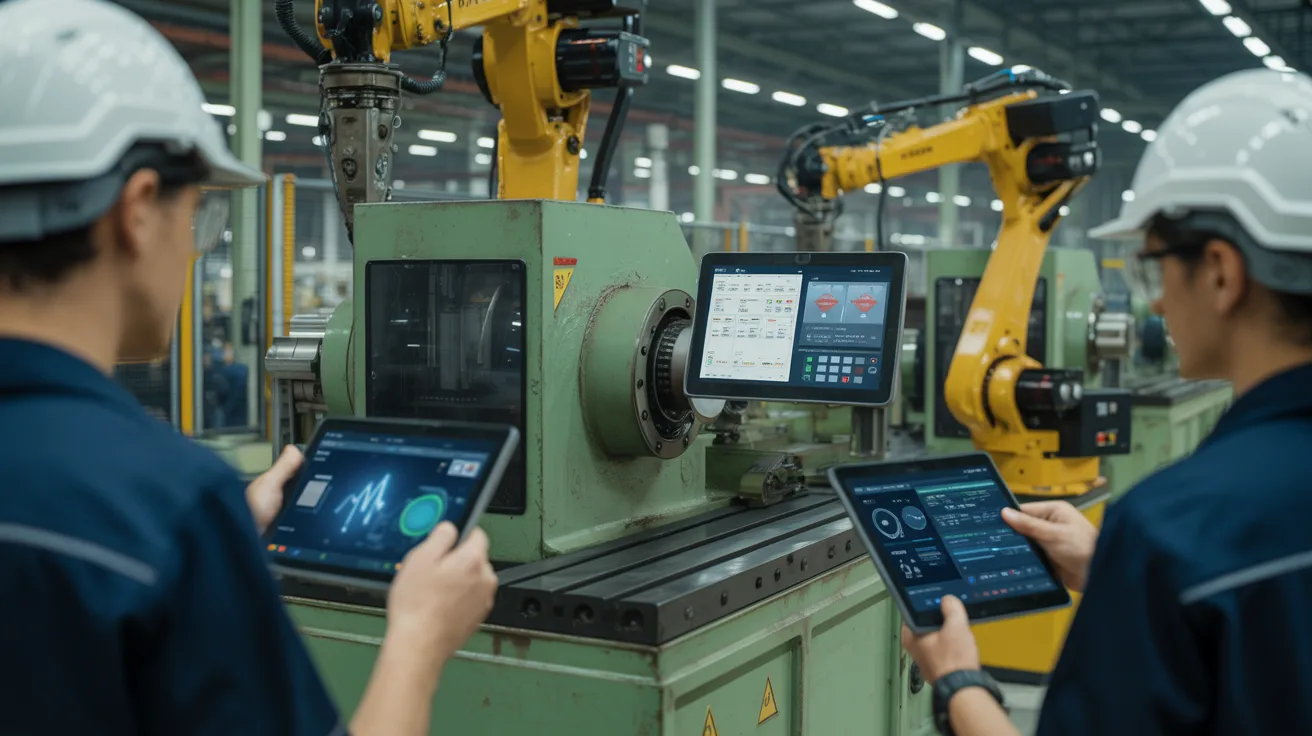
Manufacturers can significantly reduce downtime by adopting proactive operational strategies and investing in modern technologies
1.Implement Preventive Maintenance Programmes
Preventive maintenance focuses on regularly servicing equipment before failures occur. Scheduled inspections, lubrication, cleaning, and component replacements help identify wear and tear early.
When they maintain equipment consistently, manufacturers can reduce unexpected breakdowns and extend the lifespan of their machinery. Preventive maintenance also improves workplace safety and operational reliability.
2. Use Predictive Maintenance Technologies
Predictive maintenance uses sensors, artificial intelligence, and real-time analytics to continuously monitor equipment performance.
These systems detect abnormalities such as unusual vibrations, temperature changes, or pressure fluctuations that may indicate potential failures.
Instead of relying solely on fixed maintenance schedules, predictive maintenance allows manufacturers to perform repairs only when necessary. This reduces maintenance costs while minimising production interruptions.
3. Improve Workforce Training and Communication
Employees play a critical role in reducing downtime.
Well-trained operators can identify equipment issues early and follow proper operational procedures that reduce machinery stress.
Manufacturing companies should provide continuous technical training to employees while encouraging communication between operators, technicians, and management teams. Clear communication ensures maintenance issues are addressed quickly and efficiently.
4. Standardise Operational Processes
Inconsistent workflows can increase the likelihood of operational errors and equipment failures. Standardising maintenance procedures, production processes, and reporting systems helps improve efficiency across manufacturing facilities.
Clear documentation and standard operating procedures also make it easier to onboard new employees and maintain consistent operational quality.
5. Invest in Automation and Smart Manufacturing Solutions
Automation reduces reliance on manual processes prone to human error. Smart manufacturing systems can monitor production performance, automate repetitive tasks, and generate real-time alerts when abnormalities occur.
Connected manufacturing environments improve operational visibility and help manufacturers make faster, data-driven decisions that reduce downtime risks.
How Smart Manufacturing Technologies Help Minimise Downtime

Industry 4.0 technologies are transforming how manufacturers manage equipment performance and operational efficiency.
- Industrial IoT for Real-Time Monitoring
Industrial Internet of Things (IIoT) devices collect data directly from machines and production equipment. Sensors monitor factors such as temperature, vibration, energy usage, and operational speed in real time.
This continuous monitoring allows manufacturers to identify potential problems before they escalate into major equipment failures.
- Artificial Intelligence and Machine Learning
AI-powered systems analyse large volumes of operational data to predict equipment failures and optimise maintenance schedules. Machine learning algorithms continuously improve accuracy by learning from historical equipment performance patterns.
These technologies help manufacturers reduce maintenance costs while improving operational reliability.
- Manufacturing Execution Systems (MES)
Manufacturing Execution Systems provide real-time visibility into production activities, equipment status, and workforce performance. MES platforms help manufacturers coordinate operations more effectively while identifying inefficiencies that contribute to downtime.
When integrating data from multiple systems, MES solutions improve production planning and operational responsiveness.
- Digital Twins and Simulation Technologies
Digital twin technology creates virtual replicas of manufacturing equipment and processes. Manufacturers can use these simulations to test operational changes, monitor equipment behaviour, and identify performance risks without disrupting actual production.
Digital twins support predictive maintenance and improve long-term operational planning.
- Cloud-Based Manufacturing Platforms
Cloud-based manufacturing systems enable remote monitoring and centralised data management across multiple facilities. Managers can access operational insights from anywhere, improving decision-making and maintenance coordination.
Cloud platforms also support scalability, making it easier for manufacturers to expand operations without losing visibility into operations.
Future Trends in Downtime Reduction for Manufacturing Companies

The future of manufacturing downtime management will be heavily influenced by automation, artificial intelligence, and connected factory ecosystems.
Autonomous maintenance systems powered by AI will increasingly perform self-diagnosis and automatically recommend maintenance actions. These technologies will reduce dependency on reactive maintenance practices.
Edge computing will also play an important role in future manufacturing operations. By processing data closer to production equipment, edge computing reduces latency and enables faster operational responses.
Collaborative robotics, commonly known as cobots, will continue improving operational efficiency by assisting human workers with repetitive or hazardous tasks. This reduces operational fatigue and improves consistency in production environments.
Sustainability initiatives are also shaping strategies to reduce downtime. Manufacturers are increasingly focusing on energy-efficient equipment, sustainable maintenance practices, and resource optimisation to improve long-term operational resilience.
As manufacturing environments become more connected and intelligent, downtime management will evolve from reactive troubleshooting to predictive and autonomous operational optimisation.
Building Resilient Manufacturing Operations Through Downtime Reduction
Reducing downtime in manufacturing company operations is essential for maintaining productivity, profitability, and long-term competitiveness. In today’s fast-moving industrial landscape, manufacturers can no longer afford to rely solely on reactive maintenance and outdated operational methods.
By adopting preventive maintenance, predictive analytics, automation, and smart manufacturing technologies, companies can significantly improve equipment reliability and operational efficiency. These strategies not only reduce costly production interruptions but also create safer, more resilient, and future-ready manufacturing environments.
Manufacturers that invest in downtime reduction today are positioning themselves for stronger operational performance tomorrow. As Industry 4.0 technologies continue advancing, the ability to predict, prevent, and manage downtime will become a defining factor in manufacturing success.
FAQs About Reducing Downtime in Manufacturing Company Operations
SCADA systems provide real-time monitoring and control of industrial equipment across manufacturing facilities. They help operators identify operational abnormalities early, automate alerts, improve maintenance coordination, and reduce response times during equipment failures, minimising costly production interruptions.
Root cause analysis identifies the underlying reasons for equipment breakdowns rather than only addressing visible symptoms. Manufacturers use this method to improve maintenance strategies, optimise operational procedures, and prevent repeated failures that contribute to excessive downtime and productivity losses.
Overall Equipment Effectiveness measures equipment availability, performance, and product quality within manufacturing operations. Tracking OEE helps manufacturers identify hidden inefficiencies, monitor production reliability, and implement targeted improvements that reduce downtime while increasing operational productivity and equipment utilisation rates.
Edge computing processes operational data closer to manufacturing equipment instead of relying solely on cloud systems. This enables faster decision-making, reduces network latency, improves real-time equipment monitoring, and supports immediate operational responses that help prevent critical machine failures and production delays.
Condition-based monitoring uses sensors and diagnostic tools to evaluate equipment health continuously during operation. Manufacturers analyse factors such as vibration, pressure, and temperature to detect performance abnormalities early, allowing maintenance teams to perform repairs before unexpected equipment failures occur.