
Have you ever wondered why leading manufacturers achieve faster delivery, lower waste, and stronger operational visibility than competitors? According to industry reports, companies that implement standardised process flow systems and visual manufacturing tools can improve operational efficiency by more than 30%, making industrial process flow chart strategies essential for modern factories.
Modern manufacturing environments rely heavily on visual systems such as flow process chart and process flow diagrams to simplify operations, improve communication, and support continuous optimisation. From chemical engineering facilities to advanced industrial plant operations, organisations use structured diagram systems to manage every process step, track production orders, and monitor the manufacturing production cycle efficiently.
This guide explores why industrial process flow charts are essential in manufacturing.
We look into
- Understanding Industrial Process Flow Charts
- The Role Of Process Flow In Manufacturing Operations
- Benefits Of Industrial Process Flow Charts In Manufacturing
- Process Control And Automation In Modern Manufacturing
- Industrial Process Flow Charts Across Different Industries
- Challenges In Creating Effective Process Flow Charts
- Best Practices For Creating Industrial Process Flow Charts
- The Future Of Industrial Process Flow And Manufacturing
- FAQs About Industrial Process Flow Charts
Understanding Industrial Process Flow Charts
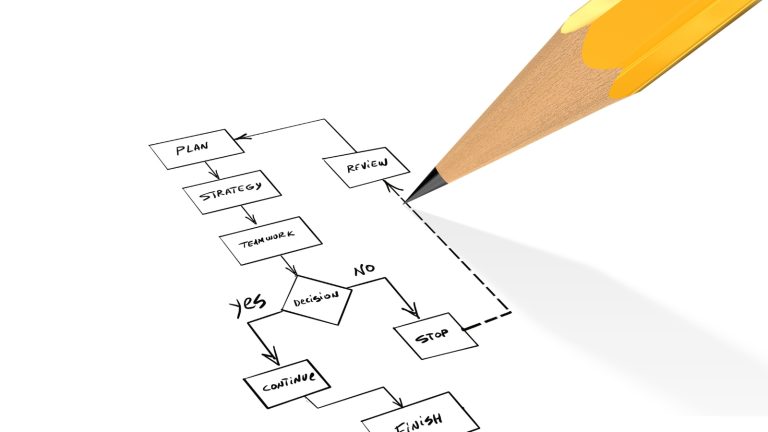
Industrial manufacturers use visual mapping systems to improve operational clarity, streamline production coordination, and strengthen process visibility across departments.
Key Takeaways
- Industrial process flow charts improve manufacturing efficiency by making complex production systems easier to visualise and control.
- They integrate engineering tools such as process flow diagrams, flowcharts, and business process maps to optimise operations.
- These charts help reduce waste, improve process control, and strengthen production planning across industrial environments.
- Digital tools, AI, and MES platforms are transforming traditional flowcharts into real-time, intelligent manufacturing systems.
What Is an Industrial Process Flow Chart?
An industrial process flow chart visually explains how materials, machines, workers, and systems interact throughout a production process.
A typical flow chart contains symbols, arrows, and connected activities showing the movement of materials, information, and equipment through the production line.
Unlike ordinary charts, advanced flow process charts support process engineering, project management, and workflow planning across complex facilities.
Manufacturers often combine a process flow chart with process flow diagrams, other flow diagrams, and business process diagrams to improve communication between departments. These visual tools help an industrial engineer understand the entire process, reduce delays, and simplify the mapping process activities across different operational stages.
Key Components of a Process Flow Diagram
A process flow diagram (PFD versions) contains visual representations of major operational components such as boilers, compressors, valves, mixers, pipe, and piping systems. These diagrams also include process control instruments, pipeline numbers, and connected operational equipment to support efficient monitoring and maintenance activities inside large process plants.
Advanced process flow diagrams frequently incorporate a block flow diagram, functional flow block diagram, or system diagram to explain operational relationships clearly.
A well-designed schematic flow diagram often illustrates how materials move through a single unit process or a complete manufacturing process while maintaining operational safety and consistency.
Common Types Of Flowcharts Used In Manufacturing
Manufacturers use several specialised flowcharts depending on operational complexity and production requirements.
A top-down flowchart provides simplified process visibility, while a macro flowchart explains large operational structures. Companies handling multiple operations often rely on a multi-flow process chart or product flow chart to coordinate departments and optimise production planning.
Organisations also use flowchart template systems and digital diagram software for automated charting and reporting.
In highly technical environments, flow process grids, functional flow block, and schematic flow diagrams support better control flow and operational transparency during large-scale processing activities.
The Role Of Process Flow In Manufacturing Operations
Modern manufacturers depend on process visualisation systems to improve operational coordination, production visibility, and long-term efficiency.
How Production Flow Charts Support Manufacturing Production Cycles
A structured production flow chart helps organisations monitor the manufacturing production cycle from raw material intake to final shipment. These visual systems improve coordination between the production team, operators, and production managers while supporting accurate production schedule tracking and efficient resource allocation.
Further, manufacturers frequently use production flow charts, simple production flow, and static production flow systems to support master production schedule planning and daily production orders. When visualising every production cycle, businesses can identify delays quickly, improve planned progress, and strengthen operational visibility across the entire facility.
Improving Workflow Through Business Process Mapping
Effective business process mapping helps organisations visualise operational responsibilities, communication pathways, and task ownership across departments.
A detailed process map improves collaboration between teams while reducing misunderstandings during complicated projects and operational activities.
Companies often combine workflow, business process, and process architecture map strategies with digital charting tools to support faster decision-making.
These systems also help organisations learn process map techniques, monitor actual progress, and optimise coordination between engineering, procurement, logistics, and production functions.
Industrial Engineering And Process Engineering Applications
Modern industrial engineering teams rely on detailed process charts and visual documentation to optimise operational efficiency. A skilled industrial engineer evaluates process measurements, identifies bottlenecks, and develops workable manufacturing plans that improve productivity without disrupting operational stability.
At the same time, process engineering professionals use detail process charting and control flow diagram systems to monitor critical process steps and maintain operational consistency.
These methods help organisations handle complex process environments, improve rational flow, and maintain a more seamless process throughout manufacturing operations.
Benefits Of Industrial Process Flow Charts In Manufacturing
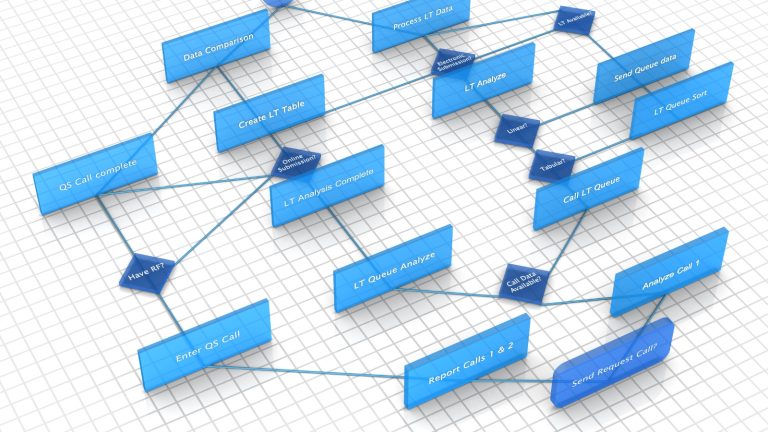
Industrial process visualisation helps companies improve productivity, reduce waste, and strengthen long-term operational performance.
Better Process Visibility And Process Measurements
A detailed flow diagram improves visibility into operational activities by documenting every process sequence, machine interaction, and operational dependency.
These systems help manufacturers track process details, evaluate quality progress, and identify operational weaknesses before they become expensive production failures.
Visual systems also help organisations monitor process boundaries, improve process measurements, and simplify communication during audits or operational reviews. When they document the same process consistently, manufacturers create better alignment between teams while supporting continuous operational progress and transparency.
Enhanced Process Improvement And Waste Reduction
Manufacturers frequently use process improvement initiatives to eliminate inefficiencies, reduce downtime, and improve operational consistency. A well-structured flowchart helps organisations identify wasteful processes, optimise machine utilisation, and remove unnecessary activities from the production process.
Visual analysis tools are especially valuable when managing complex processes, complicated process environments, or highly regulated industries.
These systems support faster process improvements, improve operational consistency, and simplify the transition toward a more advanced process structure within modern manufacturing facilities.
Stronger Production Planning And Production Management
We can see that modern manufacturers depend heavily on visual planning systems to coordinate inventory, staffing, and operational activities.
A properly structured production planning system improves communication between departments while supporting accurate production plans and better resource allocation.
Companies often combine production schedule template tools, free production schedule systems, and digital project management software to monitor operations effectively.
These tools help teams manage production inventories, track replacement shipment activities, and maintain stronger visual production management throughout the organisation.
Process Control And Automation In Modern Manufacturing
Automation technologies have transformed how manufacturers monitor operations, improve quality, and maintain process consistency across facilities.
The Importance Of Process Control Systems
Modern process control systems use sensors, automation tools, and connected operating systems to improve production reliability and operational safety. These systems help manufacturers monitor flow direction, machine performance, and material movement across various operational environments.
Many organisations integrate data flow diagram, data flow diagrams and control flow systems into daily operations to improve decision-making accuracy.
Combined with process control instruments, these tools support better visibility into equipment conditions while strengthening operational efficiency inside large industry environments.
Diagram Software And Charting Tools For Automation
Digital diagram software platforms help organisations create professional flow charts, technical diagram structures, and automated operational reports. These platforms simplify charting activities while improving collaboration between engineers, planners, and production teams.
Manufacturers also rely on advanced project management software and operational dashboards to monitor project documentation, track outputs, and coordinate operational phases effectively. These technologies improve operational consistency while helping organisations manage large-scale projects with greater efficiency and visibility.
Industrial Process Flow Charts Across Different Industries

Manufacturing industries use process visualisation systems differently depending on operational complexity, regulatory requirements, and production objectives.
Chemical Engineering And Process Plants
In chemical engineering, detailed flowsheet structures and process flow diagrams are essential for maintaining operational safety and consistency. These diagrams explain how materials move through reactors, storage systems, coolers, process piping, and production units while supporting safer operational planning.
A detailed schematic flow diagram often illustrates the relationships between major components at an industrial plant while helping engineers monitor interconnected activities.
These visual systems also improve communication during maintenance planning, equipment inspections, and operational optimisation activities across large process plants.
Manufacturing Industries And Production Facilities
Large manufacturing facilities use visual process systems to improve coordination between machines, workers, and operational departments. A well-structured production flow chart helps teams manage equipment, optimise machine utilisation, and support efficient production planning benefits throughout the factory.
Manufacturers also use flowchart basics and operational process looks to train employees, support industrial engineering curricula, and standardise operational procedures.
These systems simplify communication between engineers, supervisors, and operational teams while improving overall production efficiency.
Challenges In Creating Effective Process Flow Charts
Although process visualisation offers major benefits, organisations still face challenges when developing accurate and scalable process mapping systems.
Managing Complex Manufacturing Processes
Managing sophisticated process environments requires careful coordination between departments, systems, and operational stakeholders. Large facilities handling various processes frequently struggle with maintaining accurate documentation and consistent operational communication.
A poorly designed flow process system may create confusion during operations, especially when managing multiple operational phases or introducing new processes. Clear visualisation helps organisations simplify complicated activities while improving visibility across every operational operation and project stage.
Avoiding Common Process Mapping Mistakes
Many companies create incomplete visual systems that fail to document the basic process, leading to operational inefficiencies later.
Missing operational details, inaccurate project plan documentation, or inconsistent process start information often reduce the effectiveness of visual management systems.
Organisations should also avoid overcomplicating visual documentation with excessive symbols or unclear flow structures.
Maintaining clear communication, standardised formatting, and accurate operational tracking helps businesses improve operational visibility and support long-term manufacturing success.
Best Practices For Creating Industrial Process Flow Charts
Organisations achieve better manufacturing results when process charts are clear, scalable, and aligned with operational objectives.
Build Clear And Functional Flowcharts
An effective flowchart should simplify operational understanding without removing essential technical details. Manufacturers often combine a chart, technical diagram, and operational symbols to improve communication between departments and simplify operational analysis.
Clear flowchart basics, accurate labeling, and consistent formatting also help organisations improve operational visibility.
Businesses frequently use standardised process map structures and digital charting tools to support easier collaboration between operational teams and technical specialists.
Integrate Production Planning And Process Control
Successful manufacturers integrate operational visualisation directly into production and automation systems.
Combining production schedule, inventory management, and operational monitoring helps organisations improve coordination while supporting stronger operational consistency.
Many organisations connect project management, project manager systems, and automated reporting tools to track operational performance effectively. These integrated systems improve visibility into operational track activities while supporting faster decision-making across production environments.
The Future Of Industrial Process Flow And Manufacturing

Digital transformation is changing how manufacturers design, monitor, and optimise operational systems across global industries.
Smart Manufacturing And Digital Process Mapping
Smart factories increasingly depend on connected visual systems and automated monitoring technologies.
Digital flow diagrams, operational analytics, and automation platforms help organisations optimise manufacturing performance while improving coordination between departments and systems.
Advanced process mapping also supports faster operational analysis, stronger service process management, and improved operational consistency across facilities. As factories continue adopting automation technologies, visual systems will become even more important for operational success.
Why Process Flow Charts Will Continue To Drive Industrial Success
Modern manufacturers cannot operate efficiently without structured process visibility and standardised operational communication. A detailed process flow chart improves operational planning, simplifies decision-making, and supports better collaboration between departments.
As competition increases across the global industry, businesses that invest in strong flow process chart strategies will improve operational reliability, strengthen production, and support long-term operational growth.
Effective visual systems help organisations reduce inefficiencies, improve communication, and maintain sustainable manufacturing success in increasingly competitive markets.
Turning Industrial Flow Charts Into Intelligent Manufacturing Ecosystems
Cerexio MES is a sophisticated Manufacturing Execution System that transforms traditional industrial flowcharts into dynamic operational dashboards, improving visibility, workflow coordination, and production control.
Its highly customisable architecture adapts seamlessly to startups, mid-sized factories, and enterprise-scale manufacturers, helping your organisation optimise every production process while scaling operations without disrupting existing manufacturing systems.
AI-Powered Automation That Accelerates Digital Manufacturing
With AI and automation integration, Cerexio enables you to digitise complex industrial operations through predictive analytics, smart alerts, automated reporting, and real-time process monitoring.
By connecting industrial process flow charts with intelligent automation tools, you can reduce operational delays. Cerexio MES helps you improve production accuracy, streamline decision-making, and create a fully connected smart manufacturing environment.
Call for a personalised demo.
Cerexio- Walk Towards an Intelligent Manufacturing Realm
Why Industrial Process Flow Charts Are Essential For Future Manufacturing Success
Industrial manufacturing continues evolving rapidly, making operational visibility and structured communication more important than ever before.
Modern organisations require scalable process visualisation systems to manage increasingly complex production environments, automation technologies, and operational demands. Whether companies use a block flow diagram, flowchart template, or advanced digital diagram software, these tools remain essential for maintaining operational efficiency and production consistency.
As global competition intensifies, manufacturers that invest in strong operational visualisation strategies will improve productivity, strengthen communication, and optimise every stage of the production cycle. Effective process flow diagrams, accurate operational charting, and structured process control systems help organisations remain competitive while supporting long-term operational growth and manufacturing excellence.
FAQs About Industrial Process Flow Charts
A process flow chart focuses on operational workflow and task sequences, while a process flow diagram provides detailed engineering information about equipment, piping, material flow, and process control systems. Manufacturers often use both together for production planning, monitoring, and industrial optimisation.
Industrial process flow charts improve manufacturing efficiency by visualising production workflows, reducing bottlenecks, improving process control, and supporting faster decision-making. They help manufacturers optimise machine utilisation, coordinate production schedules, and monitor operational performance across complex production environments with greater accuracy and visibility.
Manufacturers commonly use diagram software, CAD platforms, MES systems, and project management software to create industrial process flow charts. These tools support automated charting, real-time data integration, process mapping, workflow monitoring, and collaborative engineering documentation for large-scale manufacturing operations.
In chemical engineering, process flow diagrams are essential for visualising equipment connections, piping systems, valves, compressors, and material movement. They improve operational safety, simplify maintenance planning, support process optimisation, and help engineers maintain compliance within highly regulated industrial process plants.
AI and automation enhance industrial process flow charts through predictive analytics, automated monitoring, real-time alerts, and intelligent workflow optimisation. These technologies improve production visibility, reduce downtime, support faster operational decisions, and help manufacturers digitise complex industrial manufacturing processes more efficiently.