
According to global industrial reports, the worldwide manufacturing sector contributes trillions of dollars annually to the global economy. Did you know this? It simply proves how critical large-scale manufacturing has become in modern business operations. Today, advanced industrial automation, smart manufacturing, and digital production management systems are transforming how products move from concept to full production.
From steel production to chemical manufacturing, modern industries rely on high-efficiency technologies to improve manufacturing performance, reduce costs of production, and support long-term industrial-economic growth.
In this article, we explore what large-scale manufacturing in modern Industry 4.0 is.
The article covers
- Understanding Large-Scale Manufacturing in Modern Industry
- The Industrial Revolution and the Rise of Mass Production
- Core Manufacturing Processes Used in Large-Scale Manufacturing
- Smart Manufacturing and Industrial Automation in Industry 4.0
- Industrial Machinery and Factory Systems Driving Production Scale
- Economies of Scale and Competitive Manufacturing Ability
- Sustainable Manufacturing and Circular Industrial Economy
- Manufacturing Industries Powering the Global Industrial Economy
- Advanced Manufacturing Technologies Reshaping Modern Factories
- Challenges Facing Large-Scale Manufacturing Operations
- The Future of Large-Scale Manufacturing in Industry 4.0
- FAQs About Large-Scale Manufacturing
Understanding Large-Scale Manufacturing in Modern Industry
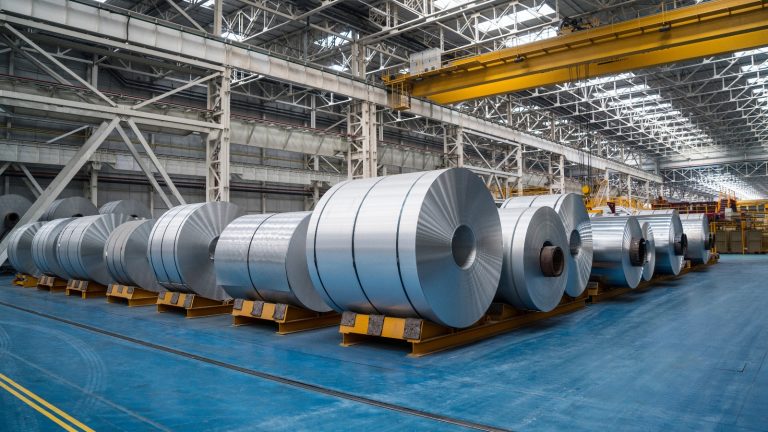
Large-scale manufacturing refers to producing goods in high quantities through advanced systems, efficient workflows, and scalable industrial operations.
Key Takeaways
- Large-scale manufacturing drives modern industrial growth through automation and scalable production systems.
- Industry 4.0 technologies improve manufacturing efficiency, accuracy, and operational visibility.
- Smart manufacturing and AI integration help factories reduce costs and optimize production performance.
- Sustainable manufacturing practices are becoming essential for long-term industrial competitiveness.
What Defines Large-Scale Manufacturing?
Large-scale manufacturing describes a production system where companies produce a sheer quantity of goods using automated workflows, advanced machinery, and optimised factory-level processes.
Unlike craft manufacturing or smaller-scale artisan operations, this model focuses on high production volume, mass scale, and standardised manufacturing methods.
Many manufacturing firms use specialised machine tools, computer-controlled machinery, and advanced industrial machinery to support large production runs while maintaining consistent product quality across global markets.
The Evolution From Traditional Manufacturing to Industry 4.0
The rise of Industry 4.0 transformed traditional factory system operations into intelligent digital ecosystems. Earlier manufacturing processes depended heavily on manual labour and basic machines, but modern industrial technologies now integrate sensors, robotics, and AI-driven industrial systems. This shift supports dynamic manufacturing, better production scales, and smarter decision-making.
As industrialisation accelerated globally, companies adopted new manufacturing technologies to improve efficiency, strengthen competitive manufacturing ability, and modernise outdated linear manufacturing practices.
Why Large-Scale Production Matters in the Global Manufacturing Industry
Today’s manufacturing industry depends on large-scale production to satisfy growing global demand across many sectors.
Industries such as glass manufacturing, the textile industry, and steel making require continuous high-volume production to stay competitive. When they employ economies of scale, manufacturers reduce operational costs while increasing manufacturing output.
This approach also strengthens global manufacturing networks and improves local manufacturing capacity. Plus, the latter supports faster manufacturing development in emerging manufacturing countries.
The Industrial Revolution and the Rise of Mass Production
The industrial revolution laid the foundation for modern large-scale production by introducing machines, mechanisation, and organised factory operations.
How the Industrial Revolution Changed Factory Systems
During the industrial revolution, industries shifted from manual workshops to centralised factories powered by steam and mechanised equipment. The emergence of the mechanised factory system transformed the global industrial economy, allowing businesses to increase production volumes dramatically.
This era introduced early industrial practices, improved industrial power, and enabled more efficient manufacturing-based industries.
The rapid growth of industrial sectors also changed labour markets and expanded opportunities for factory jobs worldwide.
The Growth of Mechanised Textile Production and Steel Production
The growth of mechanised textile production revolutionised the textile production process by replacing handcrafting with automated looms and industrial equipment. At the same time, steel manufacturers expanded new steel-making techniques to support railways, bridges, and urban infrastructure.
This period accelerated rapid industrialisation, increased industrial capacity, and strengthened industrial production across many economies.
These developments created the foundation for modern automobile factories, heavy equipment, and large industrial supply chains.
From Early Mass Production to Modern Mass Production
The transition from early mass production to modern mass production introduced advanced production method strategies that focused on speed, consistency, and lower operational costs.
Modern systems now rely on high-tech capabilities, robotics, and automated manufacturing tools to improve accuracy. Companies practicing mass-producing and mass-producing parts can maintain a stable production scale while handling large customer demand.
Today’s modern factories also integrate real-time monitoring systems for continuous optimisation.
Core Manufacturing Processes Used in Large-Scale Manufacturing
Modern manufacturing combines multiple production methods to maximise efficiency, quality, and scalability in industrial operations.
Batch Production and Efficient Batch Manufacturing
Batch production remains one of the most widely used manufacturing processes in modern industry because it balances flexibility with efficiency. Many businesses rely on efficient batch manufacturing when producing goods in controlled quantities before switching product configurations.
This method supports better lot sizes, minimises waste, and improves manufacturing activity.
Companies using pull manufacturing often align production closely with customer demand, while push manufacturing focuses on forecasting and inventory-driven manufacturing schedules.
CNC Machining, Fabrication, and Additive Manufacturing
Modern machining technologies, such as CNC machining, improve precision across industries that require complex product components. Advanced fabrication systems, robotic welding, and automated cutting machines streamline manufacturing process operations.
At the same time, additive manufacturing and 3d printing technologies enable rapid prototyping and flexible product customisation.
These technologies are especially valuable in industrial settings requiring accurate dimensions, lower material waste, and faster product development cycles.
Chemical Manufacturing, Glass Manufacturing, and Steel Making
Industries like chemical manufacturing, glass manufacturing, and steel making depend on highly controlled industrial processes and strict quality management systems. Large facilities handling new chemical manufacturing require advanced safety protocols, durable specialised machinery, and efficient production management practices.
Furthermore, many plants invest heavily in automated systems to improve manufacturing performance, optimise energy use, and support environmentally responsible, sustainable manufacturing initiatives.
Pull Manufacturing vs Push Manufacturing Strategy
Many organisations adopt a push-pull manufacturing strategy to balance inventory efficiency with customer demand. What exactly is it?
In pull manufacturing focusses, production starts only when market demand exists, reducing storage costs and waste. Meanwhile, push manufacturing enables companies to maintain a stable inventory during periods of high demand.
Choosing the right manufacturing strategy often depends on market size, product complexity, and overall industry performance objectives.
Smart Manufacturing and Industrial Automation in Industry 4.0
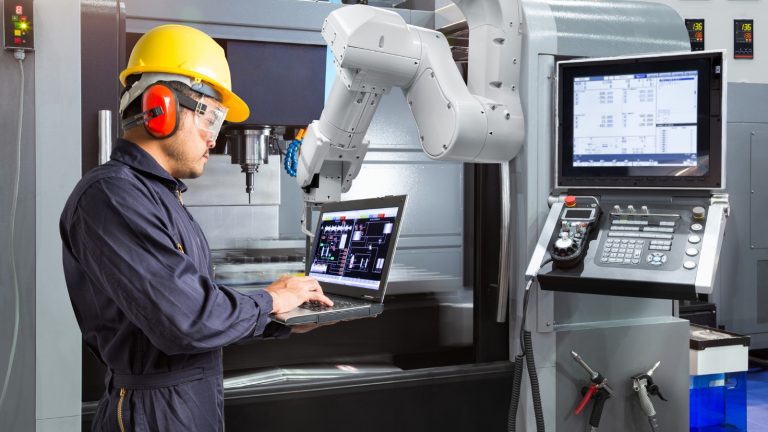
Industry 4.0 technologies combine automation, AI, and smart systems to improve industrial productivity and operational efficiency.
The Role of Industrial Automation and Computer-Controlled Machinery
Modern industrial automation systems rely heavily on computer-controlled machinery to manage repetitive tasks with greater accuracy and speed. Smart sensors, robotic systems, and intelligent machines improve operational reliability while reducing human error.
Many companies use automated workflows to support high production volumes and optimise factory floor performance.
These advancements also help businesses improve safety standards, reduce downtime, and increase overall manufacturing performance.
Smart Manufacturing Technologies and High-Tech Capability
Smart manufacturing integrates data analytics, AI, and cloud technologies into daily operations to improve decision-making. Advanced high-tech systems monitor production research, track operational performance, and predict maintenance requirements before failures occur.
Companies adopting new manufacturing models often improve competitive manufacturing outcomes because digital tools provide better visibility into supply chains and manufacturing activities.
These innovations also strengthen world-class manufacturing initiatives across global industries.
Optimising Machine Operations With Advanced Machinery
It is clear that manufacturers increasingly focus on optimising machine operations through predictive analytics and automated monitoring tools.
Modern facilities depend on advanced machinery, automated conveyors, and intelligent machine industry solutions to maintain consistent productivity. These systems support high-production-volume environments while improving operational efficiency.
Businesses that successfully scale up production often invest in reliable industrial machinery capable of handling continuous industrial workloads.
Industrial Technologies Transforming Factory-Level Processes
Advanced industrial technologies continue transforming traditional factory-level processes into connected digital ecosystems. Smart sensors, IoT devices, and AI software now coordinate manufacturing activities across multiple facilities simultaneously. This transformation improves industrial performance, enhances quality control, and strengthens manufacturing managers’ ability to make informed operational decisions.
Many manufacturing industries also use predictive technologies to improve supply chain responsiveness and customer satisfaction.
Industrial Machinery and Factory Systems Driving Production Scale
Industrial machinery and automated factory systems enable manufacturers to handle large production demands efficiently.
Specialised Machinery and Machine Tools in Modern Factories
Modern factories rely on specialised machinery and precision machine tools to achieve high production accuracy. Automated cutting systems, robotic arms, and advanced milling machine equipment support complex industrial tasks in sectors such as aerospace and automotive manufacturing.
Many facilities use integrated manufacturing tools to streamline workflows and improve production volumes.
These innovations help organisations maintain strong operational consistency while supporting large-scale manufacturing environments.
Heavy Equipment and Industrial Machinery for High Production Volume
Large industrial facilities often require durable heavy equipment and powerful industrial machinery to maintain continuous operations. Industries involved in steel production, mining, and construction depend on reliable equipment capable of supporting high-volume production.
Many manufacturers also integrate automated maintenance systems to prevent breakdowns and improve production closer scheduling. These strategies help organisations manage higher-volume production with greater efficiency and lower downtime.
Factory Floor Operations and Production Management
Effective production management is essential for maintaining productivity across large industrial facilities.
Modern factory floor systems rely on real-time monitoring technologies to coordinate workflows, reduce bottlenecks, and improve labour utilisation.
Many businesses implement lean manufacturing principles and just-in-time manufacturing methods to minimise waste and lower inventory costs. These operational strategies strengthen manufacturing performance while improving overall profitability.
Mechanised Factory Systems and Industrial Systems Research
Modern industries continue investing in industrial systems research to improve automation and optimise large-scale operations. The evolution of the mechanised factory system introduced smarter scheduling, better resource allocation, and more reliable operational planning.
Advanced industrial systems now support predictive maintenance, automated inspections, and digital production simulations. These innovations help businesses maintain efficient workflows while adapting quickly to changing market conditions.
Economies of Scale and Competitive Manufacturing Ability
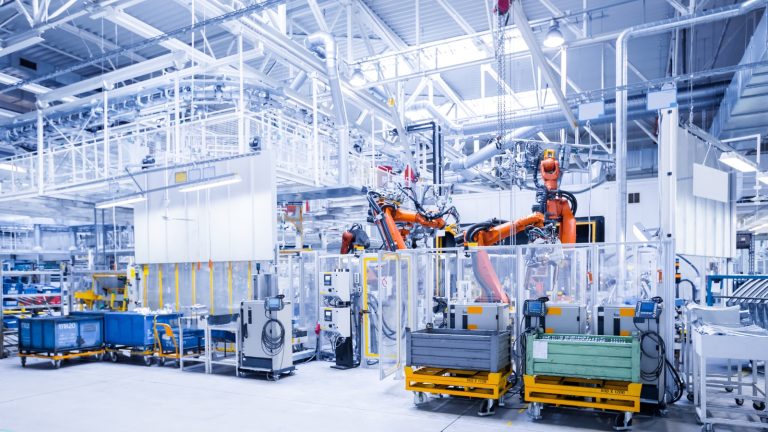
Economies of scale help manufacturers reduce costs while increasing productivity and market competitiveness.
How Economies of Scale Improve Manufacturing Performance
Economies of scale allow businesses to reduce average operational costs as production increases. When organisations achieve efficient scale production, they can spread expenses such as labour, infrastructure, and equipment across larger output quantities.
This process improves manufacturing performance, strengthens profitability, and increases global competitiveness.
Many world-class manufacturer brands achieve success by combining automation with optimised resource management strategies.
Production Scales, Lot Sizes, and High Production Volumes
Managing different production scales requires careful planning, accurate forecasting, and optimised resource allocation.
Manufacturers handling large lot sizes often use automated workflows to maintain efficiency and consistency. Facilities focused on simple mass production or modern production methods typically prioritise standardised processes to maximise output.
These systems support consistent high production volumes while helping businesses maintain product quality across global markets.
Competitive Manufacturing and World-Class Manufacturing Strategies
Successful competitive manufacturing depends on innovation, operational efficiency, and reliable product delivery.
Many organisations launch a dedicated world-class manufacturing project to improve productivity and strengthen customer trust. Businesses operating in large-scale manufacturing operations often use AI-driven analytics, digital twins, and automated quality systems to gain strategic advantages.
These investments improve long-term industry performance and support sustainable industrial growth.
Manufacturing Output and Gross Manufacturing Output Explained
Manufacturing output measures the total value of goods produced within a specific industrial period, while gross manufacturing output reflects broader production performance across supply chains and related sectors. Strong global manufacturing output often indicates healthy economic growth and rising industrial demand.
Analysts studying manufacturing performance trends frequently evaluate labour productivity, technology adoption, and operational efficiency to understand how the manufacturing sector contributes to national economic development and industrial competitiveness.
Sustainable Manufacturing and Circular Industrial Economy
Sustainable manufacturing focuses on reducing waste, improving efficiency, and creating environmentally responsible industrial systems.
Sustainable Manufacturing Practices in Modern Industry
Modern sustainable manufacturing strategies focus on minimising waste, improving energy efficiency, and reducing environmental impact across the entire manufacturing value chain.
Many organisations are replacing outdated systems with cleaner technologies and smarter operational workflows. These changes support better industrial transformation, improve resource utilisation, and help industries maintain long-term profitability.
As environmental regulations strengthen globally, businesses increasingly prioritise sustainable innovation within their manufacturing agenda.
Circular Industrial Economy and Bio-Based Manufacturing
The concept of a circular industrial economy encourages industries to reuse materials, reduce waste, and create regenerative supply chains. Many companies are investing in bio-based manufacturing processes to lower carbon emissions and improve sustainability.
These efforts reduce dependency on finite raw materials while supporting cleaner industrial economy models. Businesses implementing circular systems often strengthen operational resilience and improve long-term environmental performance across global industrial networks.
Reducing Costs of Production Through Efficient Manufacturing Methods
Reducing costs of production remains a major priority for modern manufacturers operating in highly competitive global markets. Businesses increasingly adopt efficient manufacturing methods, automated quality control systems, and predictive maintenance tools to improve productivity.
Many facilities also rely on conventional manufacturing techniques combined with digital innovation to optimise resource usage.
These improvements help manufacturers maintain profitability while supporting efficient large-scale manufacturing supply operations.
Manufacturing Development and Industrial Transformation
Global manufacturing development continues to accelerate as industries adopt advanced automation, robotics, and AI-driven analytics.
Many governments introduce supportive industrial policy initiatives to encourage innovation and strengthen domestic production capabilities. These investments improve national industrial capacity, attract foreign investment, and support long-term industrial-economic growth.
As industries modernise, organisations increasingly transition toward digitally connected and highly adaptive manufacturing ecosystems.
Manufacturing Industries Powering the Global Industrial Economy
Manufacturing industries remain essential for economic growth, infrastructure development, and international trade.
Manufacturing Sector Growth Across Leading Manufacturing Nations
Many leading manufacturing nations continue investing heavily in technology, infrastructure, and workforce development to strengthen industrial competitiveness. Expanding manufacturing industries create employment opportunities, improve exports, and increase economic stability.
Governments also support local innovation through funding programs and industrial modernisation projects. These efforts strengthen manufacturing field capabilities while encouraging rapid growth across many industrial sectors and international supply chains.
Industrial Production in Steel, Textile, and Automobile Factories
Modern industrial production depends heavily on sectors such as steel, automotive manufacturing, and textiles.
Large automobile factories use robotics and AI-driven assembly systems to improve productivity and reduce operational inefficiencies.
Meanwhile, the textile industry is increasingly adopting digital automation to streamline workflows and improve output quality. These industries contribute significantly to global economic growth while supporting large industrial supply chains and infrastructure projects.
Global Manufacturing Networks and Manufacturing Countries
Strong global manufacturing networks allow businesses to coordinate sourcing, production, and logistics activities across multiple countries. Many manufacturing countries now specialise in certain industrial sectors based on labour expertise, raw material access, or technological capability.
This interconnected system supports faster delivery cycles, efficient resource allocation, and scalable international operations. Companies participating in these networks can respond more effectively to changing global demand patterns.
Local Manufacturing Capacity and Industrial Capacity Expansion
Expanding local manufacturing capacity strengthens economic resilience by reducing dependence on overseas suppliers.
Governments and private industries often invest in infrastructure upgrades, automation systems, and workforce training programs to increase industrial capacity. These improvements support domestic innovation, improve operational flexibility, and create stable employment opportunities.
Many industries also use these investments to prepare for future production expansion and technological transformation.
Advanced Manufacturing Technologies Reshaping Modern Factories
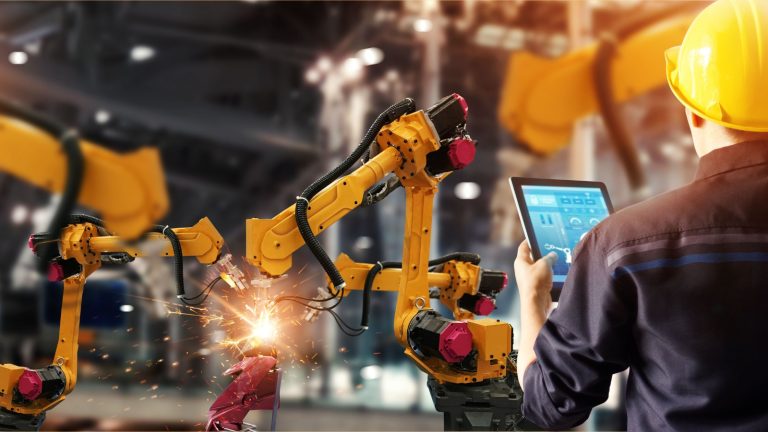
Advanced technologies continue to redefine how factories operate, produce goods, and manage industrial processes.
3D Printing and New Manufacturing Technologies
We can see that modern 3d printing solutions are revolutionising product development by enabling faster prototyping and highly customised production. These new manufacturing technologies reduce waste, shorten development cycles, and improve design flexibility across many industrial sectors.
Businesses using additive manufacturing systems can respond quickly to changing market demands while maintaining high operational efficiency.
These innovations are becoming increasingly important in aerospace, healthcare, automotive, and consumer product manufacturing.
High-Tech Manufacturing Methods and Dynamic Manufacturing
Advanced high-tech capability solutions allow manufacturers to automate workflows, analyse operational data, and improve process accuracy in real time. Many facilities now use dynamic manufacturing systems capable of adjusting production schedules based on live demand fluctuations.
These intelligent operations improve resource utilisation while supporting scalable industrial growth. Businesses adopting digital transformation strategies often gain stronger competitive advantages in fast-changing global markets.
Advanced Manufacturing Employment and Industry Performance
The rise of automation and AI continues to reshape advanced manufacturing employment opportunities worldwide. Modern factories increasingly require skilled workers capable of managing robotics, data systems, and automated machinery.
Although some repetitive tasks become automated, new technical positions continue emerging across engineering and digital operations.
These workforce changes influence overall industry performance and encourage ongoing investment in technical education and industrial training programs.
Contemporary Manufacturing in Industry 4.0 Settings
Contemporary manufacturing environments combine cloud computing, robotics, AI, and IoT technologies to create fully connected industrial ecosystems.
These advanced large-scale manufacturing settings improve communication between machines, production systems, and supply chain operations. Smart technologies also help organisations monitor energy usage, improve product quality, and reduce downtime.
As Industry 4.0 expands globally, businesses continue modernising operations to remain competitive in rapidly evolving industrial markets.
Challenges Facing Large-Scale Manufacturing Operations
Large-scale manufacturing operations face challenges related to cost, sustainability, workforce adaptation, and operational complexity.
High Setup Costs and Large Production Runs
Many industrial facilities face significantly high setup costs when implementing advanced automation systems and digital infrastructure. Large factories handling large-scale manufacturing processes often require major investments in robotics, software integration, and high-performance machinery.
While these upgrades improve long-term productivity, businesses must carefully manage budgets and operational risks. Organisations conducting extensive large production runs also need reliable supply chains to maintain uninterrupted production flow.
Industrial Performance and Production Management Challenges
Maintaining strong industrial performance requires constant monitoring, efficient planning, and flexible operational strategies. Modern manufacturers frequently encounter challenges involving labour shortages, equipment failures, and changing customer demand patterns.
Effective production management systems help organisations improve workflow visibility and operational coordination. Many businesses also invest in predictive analytics and automated scheduling tools to improve manufacturing reliability and reduce costly downtime.
Industrial Practices Affecting Manufacturing Activities
Different industrial practices influence operational efficiency, product quality, and workforce productivity.
Companies operating across many sectors often face varying compliance requirements, environmental regulations, and supply chain complexities. Some industries continue transitioning away from outdated workflows toward smarter digital operations and replicable production models.
Businesses that modernise their operational systems generally improve competitiveness while supporting more sustainable manufacturing environments.
Balancing Production Scale With Sustainable Growth
As production scale increases, companies must balance profitability with environmental responsibility and long-term sustainability goals. Businesses managing high-production-volume operations often invest in cleaner energy systems, waste-reduction technologies, and sustainable sourcing practices.
These efforts support environmentally responsible industrial growth while helping organisations meet stricter regulatory standards. Many manufacturers now recognise sustainability as a critical component of long-term business success.
The Future of Large-Scale Manufacturing in Industry 4.0
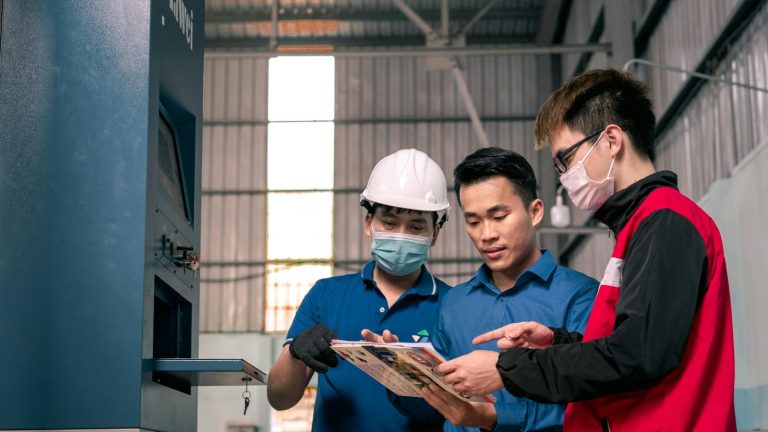
The future of manufacturing will be shaped by automation, AI, sustainability, and globally connected industrial ecosystems.
Artificial Intelligence and Smart Factory Systems
Artificial intelligence is transforming the modern factory into a highly connected digital environment capable of self-monitoring and predictive decision-making.
AI-powered systems improve scheduling, quality inspections, and inventory forecasting while reducing operational inefficiencies. These innovations strengthen smart manufacturing initiatives and improve responsiveness across complex industrial supply chains. As AI technologies mature, factories will become even more adaptive and data-driven.
Industrial Automation and Replicable Production Models
Future industrial growth will depend heavily on advanced industrial automation and scalable, replicable production systems. Businesses seeking efficient large-scale manufacturing strategies increasingly adopt robotics, machine learning, and digital twins to improve operational consistency.
These systems help manufacturers maintain quality while handling rising global demand. Automated operations also improve flexibility by allowing faster product adjustments and more efficient workflow management.
The Rise of World-Class Manufacturers and Competitive Manufacturing
The future industrial landscape will likely be dominated by innovative world-class manufacturer brands capable of adapting quickly to market changes. Businesses investing in digital transformation, AI, and sustainable operations strengthen their competitive manufacturing ability and global market position.
Many organisations also improve customer satisfaction through smarter supply chain coordination and faster production response times. These capabilities are becoming essential in highly competitive international markets.
Future Trends in Industrial Economy and Manufacturing Output
Future trends in the global industrial economy will focus heavily on sustainability, digital transformation, and decentralised production ecosystems.
Experts predict that automation, cloud connectivity, and AI-driven optimisation will continue improving manufacturing output worldwide.
At the same time, businesses will likely prioritise resilient supply chains, environmentally friendly production systems, and advanced operational intelligence.
These trends will define the next generation of Industry 4.0 manufacturing environments.
Powering Flexible Manufacturing Growth With Cerexio MES
Cerexio MES is a robust Manufacturing Execution System in Singapore that helps large-scale manufacturing enterprises streamline operations, improve production visibility, and optimise factory performance through a highly customisable platform.
Its fluid architecture adapts seamlessly to any enterprise size, supporting scalable workflows, real-time monitoring, reduced downtime, and smarter decision-making across complex manufacturing environments with greater operational efficiency.
Accelerating Digital Transformation Through AI and Automation
With advanced AI and automation integration, Cerexio MES enables manufacturers to digitalise operations through predictive analytics, automated workflows, and intelligent machine communication.
Our system enhances industrial automation, improves production accuracy, minimises manual intervention, and transforms traditional factories into connected smart manufacturing ecosystems built for Industry 4.0 innovation and sustainable growth.
Call for a free demo.
Cerexio- Upscale Your Business With Digital Tools
Why Large-Scale Manufacturing Remains Essential in Modern Industry 4.0
It is a clear fact that large-scale manufacturing continues driving global economic growth by combining automation, innovation, and scalable production systems into highly efficient industrial ecosystems. From industrial automation and smart manufacturing to advanced machinery and sustainable production practices, Industry 4.0 technologies are reshaping the future of global manufacturing.
Businesses that embrace digital transformation, efficient operations, and sustainable innovation will remain competitive as industrial demands continue evolving across international markets.
FAQs About Large-Scale Manufacturing
Large-scale manufacturing refers to high-volume industrial operations using advanced machinery, automation, and scalable workflows across multiple facilities. Mass production specifically focuses on producing standardised products quickly and efficiently through repetitive manufacturing processes designed to reduce production costs and improve operational consistency.
Industrial automation improves large-scale manufacturing by reducing manual errors, increasing production speed, and enabling real-time monitoring across factory systems. Automated workflows, robotics, and AI-driven analytics also improve machine utilisation, predictive maintenance, production planning, and overall manufacturing performance in Industry 4.0 environments.
AI helps large-scale manufacturing operations analyse production data, predict equipment failures, automate quality inspections, and optimise workflows. Manufacturers use AI-powered systems to improve operational efficiency, reduce downtime, increase production accuracy, and support smarter decision-making across connected industrial manufacturing environments.
The biggest challenges in large-scale manufacturing include high setup costs, supply chain disruptions, equipment maintenance, workforce adaptation, and sustainability compliance. Manufacturers must also manage production scalability, operational efficiency, and digital transformation while maintaining product quality and reducing manufacturing costs.
Smart manufacturing supports Industry 4.0 transformation by connecting machines, software, sensors, and production systems through digital technologies. This integration enables real-time data analysis, automated decision-making, predictive maintenance, and improved operational visibility, helping manufacturers create more efficient and intelligent factory ecosystems.