
A Vendor Management System (VMS) is a powerful technology solution that helps organisations manage suppliers, contractors, and staffing agencies in a centralised, automated environment. As companies expand globally and rely more heavily on contingent workforce management, understanding what is a VMS becomes essential for improving operational efficiency, cost control, and compliance. That is why VMS market is growing at a CAGR of 18.6%.
This guide explores the VMS meaning, its features, benefits, and why enterprise vendor management has become a strategic priority for modern businesses.
What is a VMS (Vendor Management System)?

A Vendor Management System (VMS) is a centralised, cloud-based VMS platform designed to manage suppliers, contractors, staffing firms, and service providers throughout their lifecycle.
The vendor management system definition refers to software that enables organisations to streamline procurement processes, enhance vendor tracking capabilities, and oversee contingent workforce management with greater visibility and control.
Instead of relying on spreadsheets or manual documentation, companies use vendor management software to automate onboarding, track performance metrics, monitor compliance, and manage payments efficiently.
Understanding what is a VMS requires recognising its role in modern workforce management solutions. Businesses today rely heavily on temporary workers, consultants, and third-party service providers.
A VMS platform allows HR, procurement, and finance teams to collaborate within one system, ensuring transparency across departments. It serves as both a contractor management system and a supplier management system, consolidating vendor data and improving reporting accuracy.
Additionally, enterprise vendor management strategies depend on structured data and analytics. A cloud-based VMS provides real-time insights into vendor costs, performance trends, and compliance risks. Whether used for staffing management or as a comprehensive procurement solution, a vendor management system empowers organisations to reduce risk, enhance operational efficiency, and maintain strong vendor relationships across global operations.
Key Takeaways
- A Vendor Management System (VMS) centralises vendor and contractor oversight.
VMS software enhances contingent workforce management and procurement software efficiency. - A cloud-based VMS improves compliance, cost control, and performance monitoring.
- Vendor tracking systems provide real-time analytics for smarter decision-making.
- Enterprise vendor management strategies rely on structured data and automation.
How Does VMS Software Work?

VMS software automates vendor processes, compliance, and workforce management efficiently.
Centralised Vendor Onboarding
A centralised onboarding process is one of the most valuable components of a VMS platform. Vendor management software allows organisations to collect documentation, certifications, insurance records, and compliance agreements digitally. Instead of manually tracking emails and paperwork, the vendor tracking system automates approval workflows and stores vendor data securely in one location. This ensures that all suppliers meet company standards before engaging in work assignments.
In contingent workforce management environments, onboarding efficiency directly affects hiring speed and compliance accuracy. A cloud-based VMS enables staffing agencies and vendors to upload required documents, sign contracts electronically, and update profiles in real time. This structured onboarding reduces administrative burdens, accelerates project timelines, and minimises risk. By centralising vendor data within a supplier management system, organisations gain visibility and consistency across departments.
Contingent Workforce Management Automation
Contingent workforce management is a primary reason organisations implement VMS software. As businesses increasingly rely on temporary workers, freelancers, and contractors, a structured system is essential to maintain control. A vendor management system automates job requisitions, distributes them to approved staffing partners, tracks candidate submissions, and manages time and expense reporting within one platform.
This automation improves transparency and reduces costs associated with manual coordination. A contractor management system within the VMS platform ensures proper rate compliance, standardised billing, and consistent performance tracking. By integrating staffing management software functions into a unified solution, organisations gain better oversight of labor spend and vendor contributions. Ultimately, enterprise vendor management strategies become more data-driven and efficient.
Vendor Tracking System and Performance Monitoring
A vendor tracking system within a VMS platform allows organisations to evaluate supplier performance based on predefined metrics. Key performance indicators such as time-to-fill, cost savings, quality of service, and compliance adherence are measured automatically. Vendor management software generates reports that help procurement teams identify high-performing vendors and address underperformance proactively.
By consolidating data within a supplier management system, companies can analyse trends across multiple vendors. This improves negotiation leverage and encourages continuous improvement among partners. Real-time analytics available in a cloud-based VMS provide actionable insights that support long-term enterprise vendor management decisions. Performance transparency fosters accountability and strengthens strategic vendor relationships.
Procurement Software Integration
Modern VMS software integrates seamlessly with procurement software and enterprise resource planning (ERP) systems. This integration streamlines purchase orders, invoice approvals, and payment processing. A vendor management system ensures that spending aligns with contractual terms and budget limitations, reducing maverick spending and financial discrepancies.
Procurement teams benefit from centralised reporting and automated workflows, improving operational efficiency. The VMS platform synchronises data between finance, HR, and supply chain departments, enhancing collaboration. By merging procurement software capabilities with vendor management software, organisations create a unified ecosystem that supports enterprise vendor management strategies.
Compliance and Risk Control
Compliance management is a critical function of any vendor management system. Third-party vendor management introduces regulatory risks, particularly in industries like healthcare, finance, and manufacturing. A cloud-based VMS automates compliance checks, monitors insurance expirations, and ensures adherence to legal and contractual requirements.
Through structured data tracking, the contractor management system reduces exposure to audits and penalties. Organisations gain peace of mind knowing that vendor credentials are verified and updated regularly. Enterprise vendor management becomes more secure and transparent, minimising operational disruptions caused by non-compliant suppliers.
Key Features and Benefits of a Vendor Management System
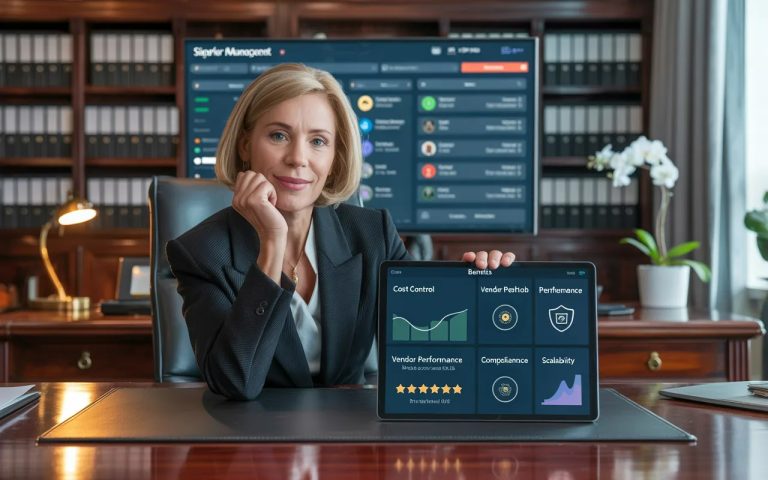
Implementing a vendor management system delivers significant operational and strategic benefits. From cost control to improved visibility, a VMS platform enhances procurement software processes and strengthens contingent workforce management initiatives. Organisations that adopt vendor management software experience improved collaboration, reduced administrative overhead, and enhanced compliance accuracy.
A cloud-based VMS centralises vendor data, allowing departments to access real-time reports and analytics. This unified approach reduces duplication of effort and improves decision-making. Enterprise vendor management becomes proactive rather than reactive, as performance data and financial insights guide strategic planning. By functioning as both a supplier management system and a contractor management system, the VMS platform ensures complete oversight of vendor relationships.
- Cost Control and Spend Visibility
One of the most immediate advantages of VMS software is improved cost control. A vendor management system provides detailed reporting on labor spend, vendor fees, and procurement expenses. Organisations gain full transparency into financial commitments, enabling smarter budgeting and negotiation strategies.
Through automated approval workflows, the vendor tracking system prevents unauthorised purchases and enforces rate compliance. Procurement software integration ensures that spending aligns with contracts. By consolidating financial data within a cloud-based VMS, companies reduce unnecessary expenses and optimise enterprise vendor management performance.
- Improved Vendor Performance
Performance monitoring is essential for maintaining competitive vendor relationships. A supplier management system within the VMS platform tracks metrics such as delivery timelines, quality benchmarks, and service reliability. These insights empower procurement teams to reward high-performing vendors and address inefficiencies promptly.
Vendor management software promotes accountability by establishing measurable standards. Continuous evaluation fosters improvement and strengthens partnerships. With real-time analytics from a cloud-based VMS, enterprise vendor management becomes data-driven and results-oriented.
- Enhanced Compliance Management
Compliance failures can result in legal penalties and reputational damage. A contractor management system embedded within VMS software automates compliance tracking and documentation management. Vendors must maintain updated certifications and insurance records to remain active within the system.
By leveraging a vendor tracking system, organisations reduce compliance risks and maintain audit readiness. The cloud-based VMS stores documentation securely and provides alerts for upcoming renewals. Enterprise vendor management becomes more resilient against regulatory challenges.
- Scalable Cloud-Based VMS Technology
Scalability is a defining feature of modern VMS platforms. As organisations grow, vendor networks expand, and workforce management solutions must adapt accordingly. A cloud-based VMS provides flexibility, remote access, and integration capabilities that support business expansion.
Vendor management software allows companies to onboard new suppliers quickly without compromising compliance standards. Staffing management software components scale alongside workforce growth. This adaptability ensures enterprise vendor management remains efficient and future-ready.
- Strategic Enterprise Vendor Management
A VMS platform transforms vendor oversight from administrative oversight to strategic planning. Data insights generated by vendor management software guide long-term procurement decisions and workforce planning initiatives. Organisations can identify cost-saving opportunities, optimise supplier relationships, and align vendor strategies with corporate goals.
Enterprise vendor management supported by a cloud-based VMS enhances competitive advantage. By combining procurement software capabilities with workforce management solutions, companies create an ecosystem that fosters transparency, efficiency, and collaboration.
Why a Vendor Management System Is Essential for Modern Business Success

Understanding what is a VMS is essential for organisations navigating complex vendor ecosystems. A Vendor Management System provides structured oversight, enhances procurement software processes, and strengthens contingent workforce management strategies. Through centralised data, automation, and compliance monitoring, vendor management software supports sustainable growth in enterprise vendor management.
By investing in a cloud-based VMS platform, businesses gain greater transparency, reduce operational risk, and foster stronger vendor partnerships. In today’s data-driven economy, a robust vendor management system is no longer optional—it is a strategic necessity for long-term success.
FAQs About VMS
A Vendor Management System (VMS) is used to centralise and automate the management of vendors, suppliers, and contingent workers. It streamlines onboarding, procurement software workflows, compliance tracking, invoicing, and performance monitoring, helping organisations improve cost control, transparency, and overall enterprise vendor management efficiency.
VMS software improves cost control by providing full visibility into vendor spending, enforcing rate compliance, and reducing unauthorised purchases. Through integrated procurement software tools and automated approval workflows, organisations can track labor expenses, negotiate better contracts, and optimise contingent workforce management strategies effectively.
A cloud-based VMS is designed with advanced security protocols, including encryption, role-based access controls, and compliance monitoring tools. These safeguards protect sensitive vendor and contractor data while ensuring regulatory adherence. Organisations benefit from secure storage, real-time monitoring, and reduced third-party vendor management risk exposure.
Human resources teams, procurement professionals, finance departments, and staffing agencies all benefit from vendor management software. A VMS platform enhances collaboration, improves supplier management system oversight, and supports contingent workforce management by centralising vendor tracking, reporting, compliance documentation, and payment processing workflows.
Industries such as healthcare, information technology, manufacturing, retail, and government frequently use VMS platforms. These sectors rely on vendor management systems to manage complex supplier networks, ensure compliance, streamline procurement software operations, and optimise enterprise vendor management strategies across large-scale operations.