
Did you know that learning lean manufacturing principles is a good way for manufacturers to produce more value with less waste? That is because the essence of these principles centres on the elimination of waste, perfection of flow and giving customers exactly what they want, nothing more, nothing less. Manufacturers in today’s marketplace have no time to lose with waste, bottlenecks and bloated inventories.
Born from the Toyota Production System, this model has become an international benchmark for operational viability. The interesting fact is that the lean manufacturing market is projected to reach USD 79.94B by 2032.
This article discusses how lean manufacturing principles function, what relevance they have in today’s world, and the strategies you, the manufacturers, can use to integrate them into your operations to develop resilient, efficient operations that are poised for the future.
We will walk you through
- What Is Lean Manufacturing and Why It Matters Today
- The Five Core Principles of Lean Manufacturing
- Types of Waste Lean Manufacturing Seeks to Eliminate
- Key Benefits of Implementing Lean Manufacturing Principles
- Challenges and Best Practices for Successful Lean Implementation
- FAQs About Lean Manufacturing Principles
What Is Lean Manufacturing and Why It Matters Today

Lean manufacturing principles refer to a systematic way of eliminating waste in the manufacturing process. Lean is essentially about driving more from less, whilst maintaining quality, safety and consistency.
Furthermore, lean manufacturing disrupts conventional thought, which takes a second look at every operation in a crafting process or task.
In today’s factories, there is pressure on cost and the increasing volatility of the supply chain, not to mention labour shortages. Through the applications of lean manufacturing principles, companies increase operational efficiency and decrease wasted effort and delays.
Unlike short-term expense reduction, lean manufacturing creates lasting performance by changing the way work moves through the system as a whole. A guiding tenet of this approach is the lean production system, which integrates people, processes and technology to follow customer demand rather than internal expediency.
Key Takeaways
- Lean manufacturing principles make operations more efficient by lowering waste and harmonising production with what adds value for the customer.
- Lean implementation is not a cultural imperative of continuous improvement and rigid execution
- Advantages consist of shorter lead time, improved product quality, and improved employee engagement.
- Using digital tools, manufacturers can bolster lean practices and help sustain operational excellence in the long run.
The Five Core Principles of Lean Manufacturing
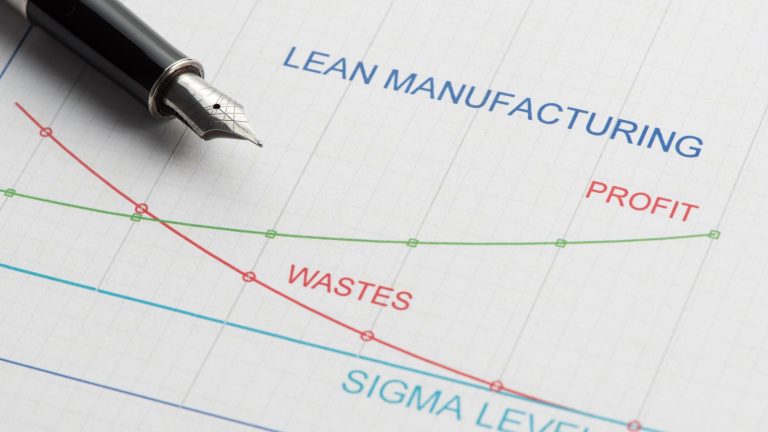
Defining value from the customer’s perspective, mapping value stream, creating continuous flow, establishing a full-based production system, continuous improvement targeting perfection are the five core principles of lean manufacturing.
Define Value From the Customer’s Perspective
Value is what a customer is willing to pay for. Managed by the lean manufacturing principles, it all starts with recognising what value to the customer is and moving towards that process of thinking, as opposed to starting somewhere in the middle, trying to get rid of identified waste.
This ensures time, materials, and effort are focused only on outcomes that matter. Recognising value also influences pricing, expectations of quality and timing for delivery.
Map the Value Stream
Value is defined, and then all steps that deliver value are examined by organisations with the aid of value stream mapping. This exposes delays, rework and handoffs that do not add value.
With this visibility carved out, lean manufacturing principles distinguish between value-adding steps and time-consuming ones and then re-engineer the lean manufacturing process for clarity and speed.
Create Continuous Flow
Flow means work moves smoothly without stops or backlogs. The lean manufacturing principles are to eliminate stoppages by layout improvement, workload levelling and process alignment.
A steady production flow means less waiting and better dependability. This ultimately strengthens the lean manufacturing process as well as responsiveness over time.
Establish a Pull-Based Production System
With the pull system, nothing is produced until there is a demand. Lean manufacturing principles reinforce this through their approach of just-in-time manufacturing and minimum inventory.
As you can see, it promotes the release of cash flows. Instead of assuming what people want, your teams can react to real signals that further discipline within the lean production system.
Pursue Perfection Through Continuous Improvement
Lean is never finished. Lean manufacturing principles motivate teams to continuously experiment, learn and improve how work happens.
This continuous improvement enables staff to fix problems at their root. Incrementally, those small wins start to add up , and if you stay the course, they eventually yield huge gains in performance.
Types of Waste Lean Manufacturing Seeks to Eliminate
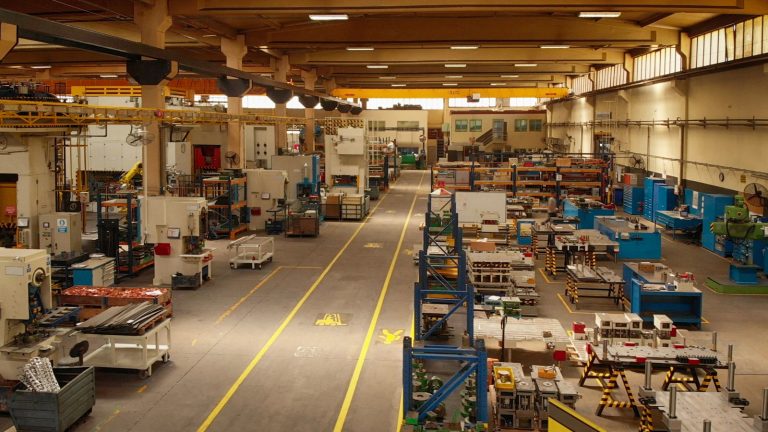
Lean manufacturing principles mainly focus on all activities that are performed with the use of resources without actually adding value. These wastes erode time, money and morale in silence.
The best way to begin effective waste reduction today is by identifying common sources of waste, namely overproduction, waiting, unnecessary transportation, excess inventory, motion, defects, and squandered human creativity.
Another form of manufacturing waste is the waste of doing extra processing. This means working on a product more than what is wanted by the customer.
Organisations can systematically eliminate these inefficiencies by applying lean manufacturing principles. This is where consistent waste reduction increases predictability and stabilises the entire lean manufacturing process.
Key Benefits of Implementing Lean Manufacturing Principles
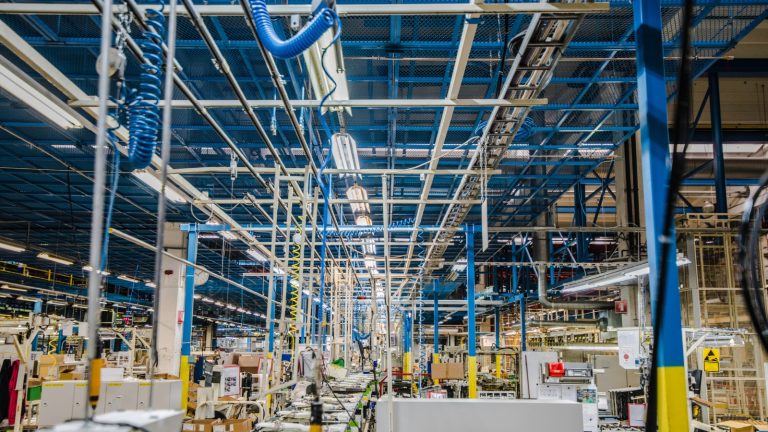
As key benefits, lean manufacturing principles produce concrete business results when they are implemented the right way. Better manufacturing efficiency at a lower cost and faster speed of operation. Shortened lead times are also a feat in optimising customer satisfaction, along with risk mitigation.
A transparent lean manufacturing strategy also supports the decision-making process by rallying teams behind common objectives. Quality, consistency and workforce engagement all improve over time as lean manufacturing principles are implemented.
As you can see, the advantage multiplies, so manufacturers can expand while maintaining control and quality. Let’s explore these key benefits deeply now.
- Reduced Operational Costs
These methods assist companies in pinpointing and eliminating non-value-added work that silently boosts costs. Manufacturers reduce material, labour and overhead costs while ensuring production quality and output consistency.
- Improved Manufacturing Efficiency
Even something as seemingly minor as more efficient layouts, less-imbalanced workloads or easier-to-follow processes has a direct impact on how effectively you manufacture.
Work completed flows efficiently, resulting in faster and more accurate task completion. This enables the production of even more output for the same resources and leads to an increase in competitiveness without significant precipitation costs.
- Faster Production Lead Times
These principles reduce the production lead time by eliminating waste and unnecessary idle periods or waiting. Quick turnaround helps suppliers to meet customer demand instantly, eliminate requirement backlog and enhance the delivery reliability under stable or variable markets.
- Higher Product Quality and Consistency
Lean is about preventing defects rather than fixing them downstream. Lean manufacturing is where you get the opportunity to promote root-cause problem solving and standardised work, leading to quality consistency.
Lower errors mean less rework, scrap, and warranty issues, which will build customer confidence over time.
- Stronger Decision-Making Alignment
The strategy in lean manufacturing unites management, managers, and workers around a common performance goal. Standardised data and visual gauges ensure decisions are based on actual process data, not perceived process performance.
Not to say that this results in faster and more confident operational decisions.
- Better Use of Workforce Skills
Lean systems respect people by involving them in improvement efforts. Lean manufacturing also inspires staff to identify problems and possible fixes.
This enhances engagement, boosts morale and helps ensure that skills and experience do not go to waste.
- Lower Inventory and Storage Risk
You may have noticed that overstocking brings problems into hiding and adds to financial risk. A lean manufacturer decreases waste of unnecessary inventory through lean manufacturing implementation.
Reduced inventory enhances its cash flow, slashes storage costs, and lowers losses resulting from damage, obsolescence, or shifts in demand.
- Increased Process Transparency
It ensures that work is visible through standard development and tracking of performance. Lean manufacturing practices promote greater transparency, so teams can clearly see and address delays, defects, or bottlenecks. A clean view means that corrective actions can be taken more quickly and make for stable operations.
- Greater Operational Flexibility
Better flow and less complexity enable manufacturers to reorient overnight. Lean manufacturing offers the advantage of facilitating adaptable operations capable of accommodating product changes, volume fluctuations, or interruptions in supply lines with minimal rework.
They also offer to reduce downtime and loss of control over quality and schedules.
- Scalable and Sustainable Growth
Proper processes build stability and efficiency, making growth easier to navigate, right?
Lean concepts give businesses the ability to grow their output, sustain their control, quality and performance. This provides for growth without piling on unnecessary expense or operational burden.
Challenges and Best Practices for Successful Lean Implementation

There are some obstacles to implementing lean manufacturing principles.
You will notice that resistance to change, poor alignment of leadership and ambiguous metrics frequently hinder success. Many manufacturing organisations struggle when lean is treated as a single project rather than an enduring commitment.
To tackle such an environment, you need leading practices centred on leadership ownership, workforce development, and data-driven process optimisation. Effective organisations inculcate lean manufacturing principles into daily habits and performance evaluations.
This will ensure continuous improvements in the lean manufacturing process.
How Cerexio’s Industry 4.0 MES Turns Lean Strategy Into Daily Execution
Cerexio MES is a sophisticated Manufacturing Execution System in Singapore that is based on Industry 4.0 disciplines, delivering lean manufacturing through dynamic production, quality and performance data at your fingertips.
Our software platform reduces manual data stopgaps, results in faster decisions and reduces waste and improves flow across operations as a result. Through the integration of people, machines, and data, CerexioMES enables manufacturers to standardise processes, respond quickly to problems, and drive continuous improvement at scale.
Call for a free demo today.
Cerexio-Waste Reduction is Not a Dream in Manufacturing.
Lean Manufacturing Principles as a Long-Term Advantage, Not a Short-Term Fix
Lean manufacturing principles are one of the best methodologies to build up vigorous and flexible manufacturing lines. When we concentrate on value, on flow and discipline, the results of organisations go up without increasing their complexity. And this is when culture, leadership, and the mindset of continuous improvement come into play for the long-term success of lean manufacturing principles.
Lean manufacturing is a proven pathway to resilience and growth in a time of increased global competition. Those organisations that commit to lean thinking enter into a realm where they can provide more value, faster response and long-term operational excellence. Are you ready?
FAQs About Lean Manufacturing Principles
Lean manufacturing principles focus on creating value for customers while eliminating waste. They help manufacturers improve flow, reduce costs, and increase quality by aligning people, processes, and systems around real demand instead of assumptions.
Lean manufacturing prioritises customer value and waste elimination, while traditional production focuses on maximising output. Lean systems reduce inventory, shorten lead times, and improve flexibility by designing processes that respond directly to demand.
A lean production system helps manufacturers stay competitive by improving speed, quality, and consistency. It aligns production with demand, reduces excess inventory, and supports continuous learning across the organisation.
Yes. Lean principles are scalable and work for small manufacturers when applied gradually. Starting with simple process improvements allows smaller teams to achieve quick wins without large capital investment.
Initial results from applying lean manufacturing principles can appear within weeks, with reduced delays and clearer workflows. Long-term benefits grow over months as continuous improvement becomes part of daily operations.