
Procure-to-pay (P2P) is a core business process that connects purchasing and accounts payable, enabling organisations to manage the full lifecycle of buying goods and services efficiently. In today’s digital economy, companies rely on procure-to-pay software and procurement automation to reduce errors, control spending, and improve compliance. Did you know that the global procure-to-pay solutions market is valued at around $8 billion in 2025 and is projected to grow steadily as digital procurement adoption increases?
Understanding what procure-to-pay is essential for businesses aiming to streamline their procurement process, gain spend visibility, and drive measurable ROI.
This article covers
We will explore
- What Is Procure to Pay and Why Does It Matter?
- How Does the Procure to Pay Process Work?
- Why Is Procure to Pay Important for Businesses?
- What Are the Key Benefits of Procure to Pay Software?
- How Does Digital Procurement Transform the P2P Process?
- What Are the Best Practices for Optimising Procure to Pay?
- FAQs About Procure-to-Pay
What Is Procure to Pay and Why Does It Matter?
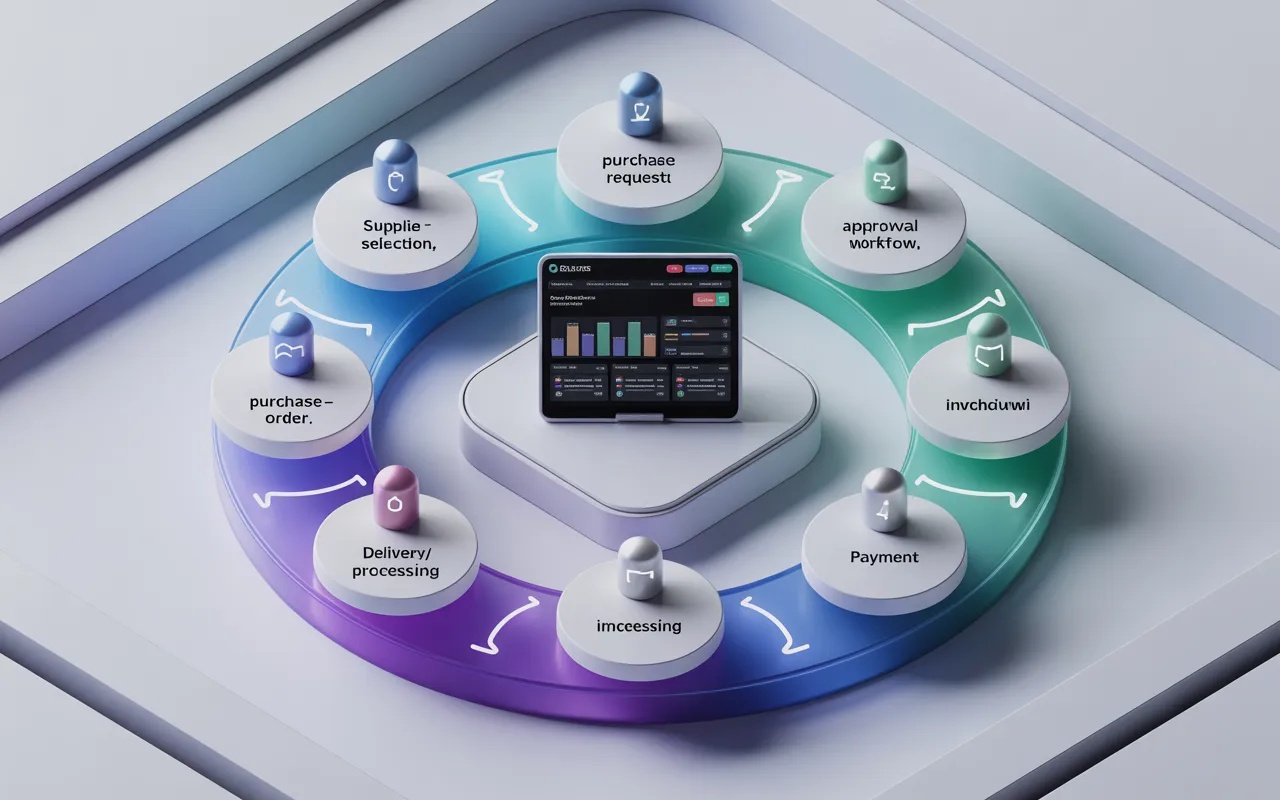
Procure to pay (P2P) is the integrated procurement management process that starts with identifying a need for goods or services and ends with invoicing and payment to suppliers. It combines the purchasing process and accounts payable into a single, automated workflow.
This procure-to-pay process overview highlights how organisations can unify B2B purchasing, order management, and financial systems integration to improve operational efficiency.
By adopting digital procurement and automated procurement, businesses eliminate manual bottlenecks and achieve better procurement efficiency improvement.
More importantly, the P2P process ensures that every purchase aligns with company policies, budgets, and contracts. It strengthens supplier compliance, supports contract compliance, and enhances procurement compliance across global operations.
Key Takeaways
- Procure-to-pay (P2P) integrates the procurement process with accounts payable to improve end-to-end efficiency.
- Procure to pay software and procurement automation reduce errors, improve compliance, and enhance visibility.
- The P2P process includes supplier onboarding, purchasing, receiving, invoicing, and payment.
- Digital transformation enables better spend management, procurement analytics, and ROI in procurement.
- Following procurement best practices is the best way to ensure continuous optimisation and improved business outcomes.
How Does the Procure to Pay Process Work?
The procure-to-pay process follows a structured workflow that connects the procurement and finance teams. It ensures seamless coordination between supplier management, purchase orders, and payment processing.
Supplier Identification and Supplier Onboarding
The first stage of the procurement lifecycle begins with identifying reliable vendors. Effective supplier onboarding ensures that businesses work with approved suppliers who meet compliance and quality standards.
Through vendor management systems, companies maintain supplier data, evaluate performance, and ensure adherence to compliance control systems. Strong onboarding reduces risk and enables smoother supplier collaboration throughout the process.
Purchase Requisition and Approval Workflows
Once a requirement is identified, employees create purchase requests. These requests go through predefined approval workflows to ensure budget alignment and policy compliance.
Modern procurement systems use PO automation and approval process rules to streamline decision-making. This reduces delays and improves procurement efficiency, especially in large organisations with complex hierarchies.
Purchase Orders and Order Management
After approval, the system generates purchase orders and sends them to suppliers. These orders formalise the transaction and define pricing, quantities, and delivery timelines.
Efficient order management ensures that procurement teams track every transaction from initiation to completion. This stage is critical for maintaining control of global spend and ensuring transparency in the buying process.
Receiving, Shipment Tracking, and Reconciliation
When goods or services are delivered, organisations perform receiving and reconciliation to verify that orders match deliveries.
Using shipment tracking and digital records, businesses can quickly identify discrepancies. This stage supports invoice reconciliation and ensures accurate financial reporting, reducing costly errors in the procurement operations.
Invoice Processing, Three-Way Matching, and Payment
The final stage involves invoice processing, where invoices are matched against purchase orders and receipts using three-way matching.
This ensures accuracy before payment processing occurs. Automated systems simplify invoicing and payment, reduce fraud risks, and improve relationships with suppliers through timely payments.
Why Is Procure to Pay Important for Businesses?
- The procure-to-pay process is essential because it directly impacts cost control, compliance, and operational efficiency. A well-implemented P2P process allows organisations to manage goods and services procurement with greater precision.
- By adopting procurement automation and process automation, businesses can reduce manual errors and streamline workflows. This leads to significant cost savings and improved sourcing savings, as organisations can negotiate better deals and enforce contract terms.
- Additionally, spend management becomes more effective with real-time procurement data visibility. Companies gain insights into spending patterns, enabling smarter decisions and stronger budget control.
- Another critical benefit is compliance. With built-in procurement compliance, supplier compliance, and contract compliance, businesses reduce risks associated with unauthorised purchases or regulatory violations.
- Ultimately, the procurement digital transformation enabled by P2P systems improves procurement performance and delivers measurable ROI in procurement.
What Are the Key Benefits of Procure to Pay Software?
Procure-to-pay software is a critical enabler of modern procurement systems, helping organisations streamline the entire procure-to-pay process from sourcing to invoicing and payment. By leveraging procurement automation and digital procurement, businesses can improve efficiency, reduce costs, and enhance compliance across the procurement lifecycle.
Improved Procurement Efficiency and Process Automation
One of the biggest benefits of procure-to-pay software is enhanced procurement efficiency through process automation.
Tasks such as purchase orders, approval workflows, and invoice processing are automated, reducing manual intervention and errors. This speeds up the purchasing process and improves overall productivity.
As it eliminates repetitive tasks, organisations can focus on strategic activities. This results in faster cycle times and significant procurement efficiency improvement across the entire P2P process.
Enhanced Spend Visibility and Cost Control
Procure-to-pay solutions provide real-time spend visibility, allowing organisations to monitor and control expenses effectively.
With improved spend management and global spend control, businesses can identify unnecessary expenditures and optimise budgets.
Access to accurate data also supports better decision-making and ensures alignment with financial goals. This visibility enables companies to achieve measurable cost savings and maximise sourcing savings, ultimately improving overall financial performance.
Stronger Compliance and Risk Management
Compliance is a major advantage of procurement software. Built-in controls ensure adherence to procurement compliance, contract compliance, and supplier compliance requirements.
Automated approval processes and audit trails help prevent unauthorised purchases and reduce fraud risks. By enforcing policies consistently, organisations strengthen their compliance control systems.
This not only minimises legal and financial risks but also ensures transparency and accountability throughout the procurement management process.
Seamless Integration With ERP and Financial Systems
Modern P2P software integrates seamlessly with ERP integration and financial systems integration, enabling smooth data flow between procurement and finance. This connection supports enterprise resource planning and ensures accurate record-keeping.
Integration eliminates data silos, reduces duplication, and enhances invoice reconciliation and payment processing.
As a result, organisations achieve better coordination across departments and improved efficiency in managing the entire procure-to-pay process.
Faster Invoice Processing and Payment Cycles
With procure to pay software, organisations can accelerate invoice processing and payment processing through automation.
Features like invoice matching and three-way matching ensure accuracy before payments are made. This reduces delays and prevents discrepancies in invoicing and payment workflows.
Faster processing improves supplier relationships and enhances trust, while also enabling businesses to take advantage of early payment discounts and improve overall cash flow management.
Scalability and Support for Business Growth
Scalable procurement software enables organisations to adapt to changing business needs and expand operations efficiently. Whether managing increased transaction volumes or entering new markets, the system supports growth without compromising performance.
With flexible configurations and advanced capabilities, businesses can maintain high procurement performance. This scalability ensures long-term value, allowing organisations to achieve sustained ROI in procurement while continuously improving their procurement operations.
How Does Digital Procurement Transform the P2P Process?
Digital transformation is redefining how businesses approach the procure-to-pay process. By adopting digitalised procurement processes, organisations can achieve higher efficiency and agility.
Procurement system integration enables seamless data flow between procurement, finance, and operations. This eliminates silos and ensures real-time decision-making.
With procurement analytics, companies gain actionable procurement insights that help optimise spending and supplier performance. These insights drive continuous procurement optimisation and support strategic planning.
Automation also enhances the buying process. From catalogue management to purchase orders, every step becomes faster and more accurate. This leads to improved procurement operations and better user experiences.
Another major impact is improved collaboration. Digital tools enable stronger supplier collaboration, ensuring better communication and faster issue resolution.
As you can see, procurement digital transformation improves procurement efficiency improvement, strengthens compliance, and enhances overall business performance.
What Are the Best Practices for Optimising Procure to Pay?
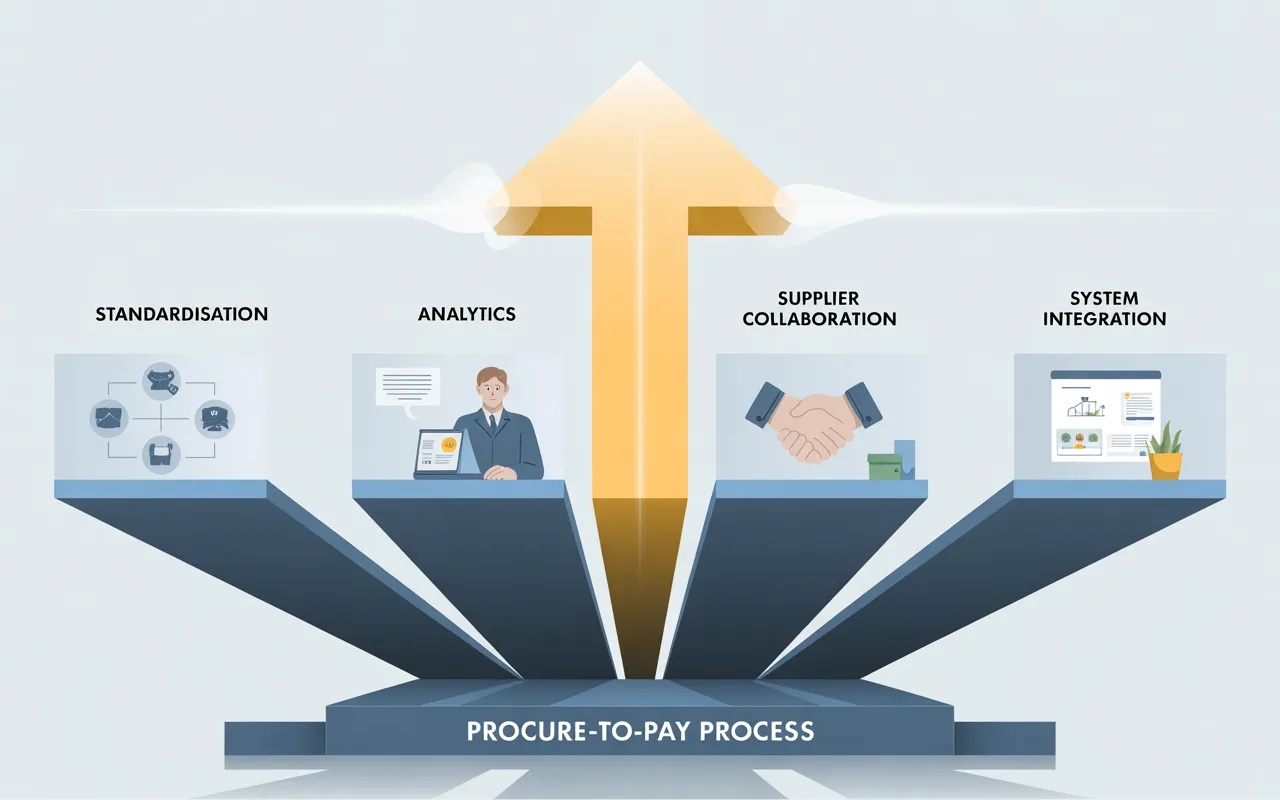
A well-optimised procure-to-pay process improves efficiency, compliance, and cost control across the entire procurement lifecycle. By applying structured strategies, organisations can enhance procurement performance, strengthen supplier collaboration, and maximise ROI in procurement.
Standardise the Procurement Management Process
Standardising the procurement management process ensures consistency across all departments and locations.
A unified approach to the purchasing process, approval workflows, and order management reduces confusion and eliminates inefficiencies.
Clear policies also strengthen procurement compliance, contract compliance, and supplier compliance. By aligning teams under one structured framework, organisations improve procurement operations, enhance accountability, and create a scalable foundation for managing goods and services procurement effectively.
Invest in Procurement Automation and Digital Procurement
Adopting procurement automation and digital procurement tools is essential for modern businesses. Procure-to-pay and P2P software streamline tasks such as PO automation, invoice processing, and payment processing, reducing manual errors and delays.
Automation also enhances spend visibility and enables faster decision-making.
A digitalised procurement process ensures seamless workflows, improves efficiency, and supports procurement digital transformation, allowing organisations to handle growing transaction volumes with greater accuracy and speed.
Employing Procurement Analytics and Data Visibility
Using procurement analytics and improving procurement data visibility enables organisations to make informed decisions. By analysing spending patterns, supplier performance, and process efficiency, businesses gain actionable procurement insights. These insights help identify cost-saving opportunities, optimise sourcing strategies, and enhance spend management.
With real-time data, companies can improve budget control, monitor compliance, and drive continuous procurement optimisation, ultimately leading to stronger financial outcomes and improved operational performance.
Strengthen Supplier Management and Collaboration
Effective supplier management and supplier collaboration are critical for a successful procure-to-pay process.
Building strong relationships with vendors improves communication, ensures timely deliveries, and enhances overall service quality. Through better vendor management, organisations can negotiate better contracts, achieve sourcing savings, and ensure compliance with agreed terms.
Strong collaboration also supports innovation, reduces risks, and improves the reliability of the procurement systems, creating long-term value for both parties.
Integrate Procurement Systems With ERP and Financial Platforms
Seamless procurement system integration with ERP integration and financial systems integration is essential for end-to-end efficiency.
This is where connecting enterprise resource planning systems with procurement tools ensures accurate data flow across departments.
This integration eliminates duplication, reduces errors, and enhances invoice reconciliation and payment processing. It also improves procurement efficiency improvement by enabling real-time tracking, better reporting, and streamlined workflows across the entire procurement process.
Continuously Monitor, Optimise, and Scale Procurement Operations
Continuous improvement is key to maintaining high procurement performance. Organisations should regularly review workflows, measure KPIs, and identify areas for improvement. Using scalable procurement software, businesses can adapt to changing demands and expand operations without compromising efficiency.
Ongoing optimisation ensures better procurement efficiency, improved compliance, and increased ROI in procurement. By focusing on long-term growth, companies can maintain a competitive advantage and sustain high-performing procurement operations.
Why Procure to Pay Is Essential for Modern Businesses
The procure-to-pay process overview highlights how integrated procurement and finance workflows can transform business operations. When your business adopts scalable procurement software, your company can streamline processes, improve compliance, and achieve greater efficiency.
From order management to invoice reconciliation, every stage of the procure-to-pay process contributes to better control, transparency, and performance. As businesses continue to embrace automated procurement and digital transformation, procure-to-pay software will remain a critical driver of operational excellence and long-term success.
FAQs About Procure to Pay
Procure-to-pay is a business process that integrates purchasing and accounts payable to manage the full lifecycle of buying goods and services, from supplier selection to invoice payment, thereby improving efficiency, compliance, and financial control.
The main steps in the procure-to-pay process include supplier onboarding, purchase requisition, approval workflows, purchase order creation, receiving goods, invoice processing, three-way matching, and payment processing to ensure accuracy and compliance.
Procure-to-pay software improves efficiency by automating procurement workflows, reducing manual errors, enabling real-time spend visibility, integrating with ERP systems, and streamlining invoice processing and payment cycles.
Three-way matching is a verification process where the purchase order, goods receipt, and supplier invoice are compared to ensure accuracy before payment, reducing errors, fraud, and discrepancies in the procurement process.
Procure-to-pay is important because it enhances spend control, ensures compliance, improves supplier relationships, reduces operational costs, and delivers better procurement performance through automation and data-driven insights.