Warehousing is a kind of industry where you need to give utmost priority to safety and security. Many security concerns are rising nowadays in warehousing, and finding suitable answers...
Data gathering, analysis monitoring, and distribution are not something to take lightly when it comes to big data technology. The accuracy and the real-time insights all depend on the...
In the rapidly evolving Singaporean business landscape, digitalisation or the involvement of technology plays an important role when it comes to business growth. Gone are the days when businesses...
Satellite technologies are vital in ensuring global connectivity and safety, making them the guardian machines in space that keep our world intact. However, what if there is a threat...
TL;DR Augmented Reality is redefining how manufacturing companies deliver workforce training programs today. AR overlays real-time digital content onto physical environments, making complex training practical and engaging. Manufacturing faces...
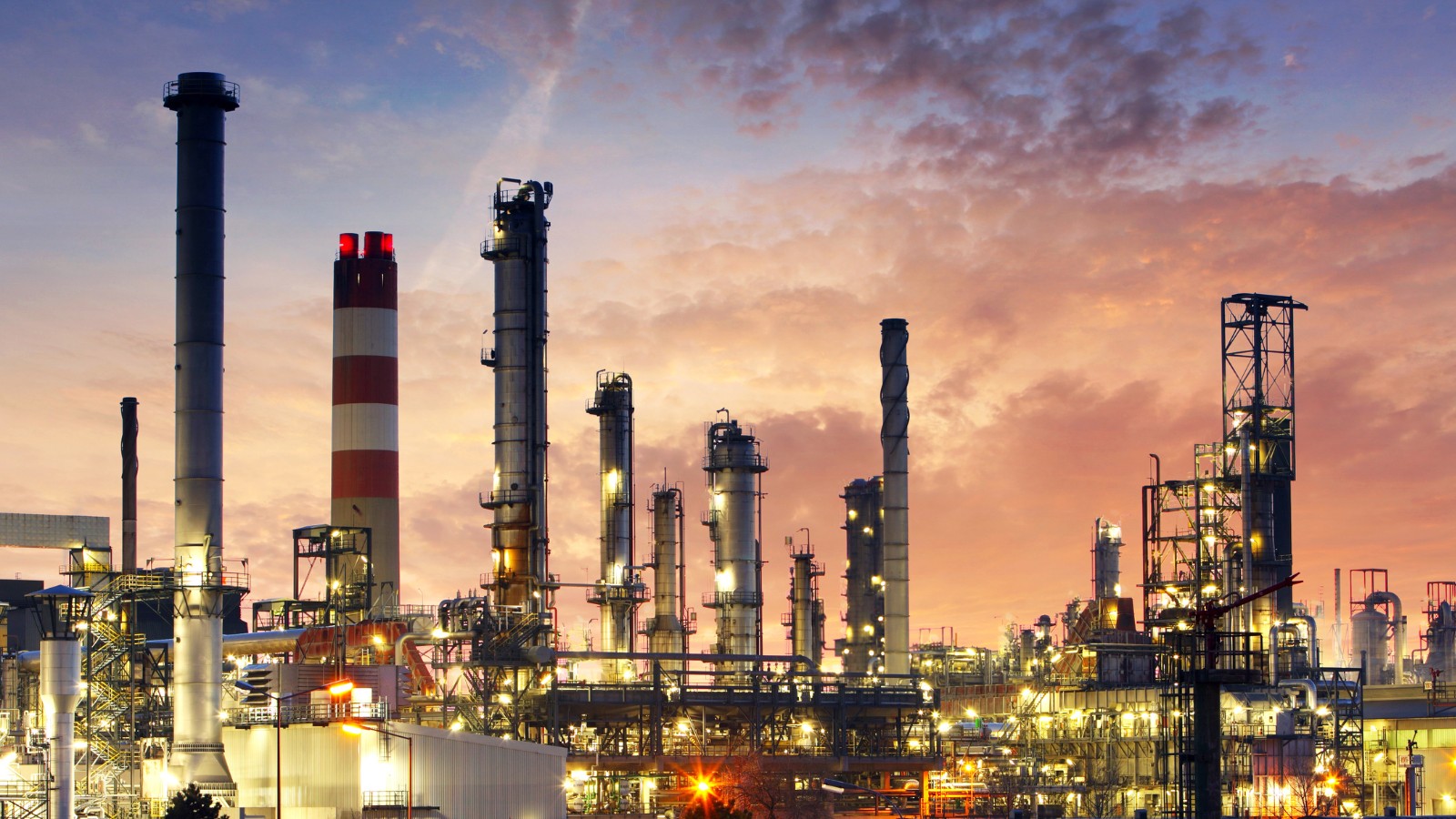
The oil and gas industry in Singapore is undergoing an immense digital transformation due to the rise of modern digitised strategies. As these techniques clear the road for the...
Data Analytics is one of the main technologies that has been revolutionising the business world with its useful and straightforward functionalities. Gone are the days when industries relied on...
The manufacturing industry is a place where the production process worth millions of money occurs every minute. Since the field is known for its complex nature in production, wastage...
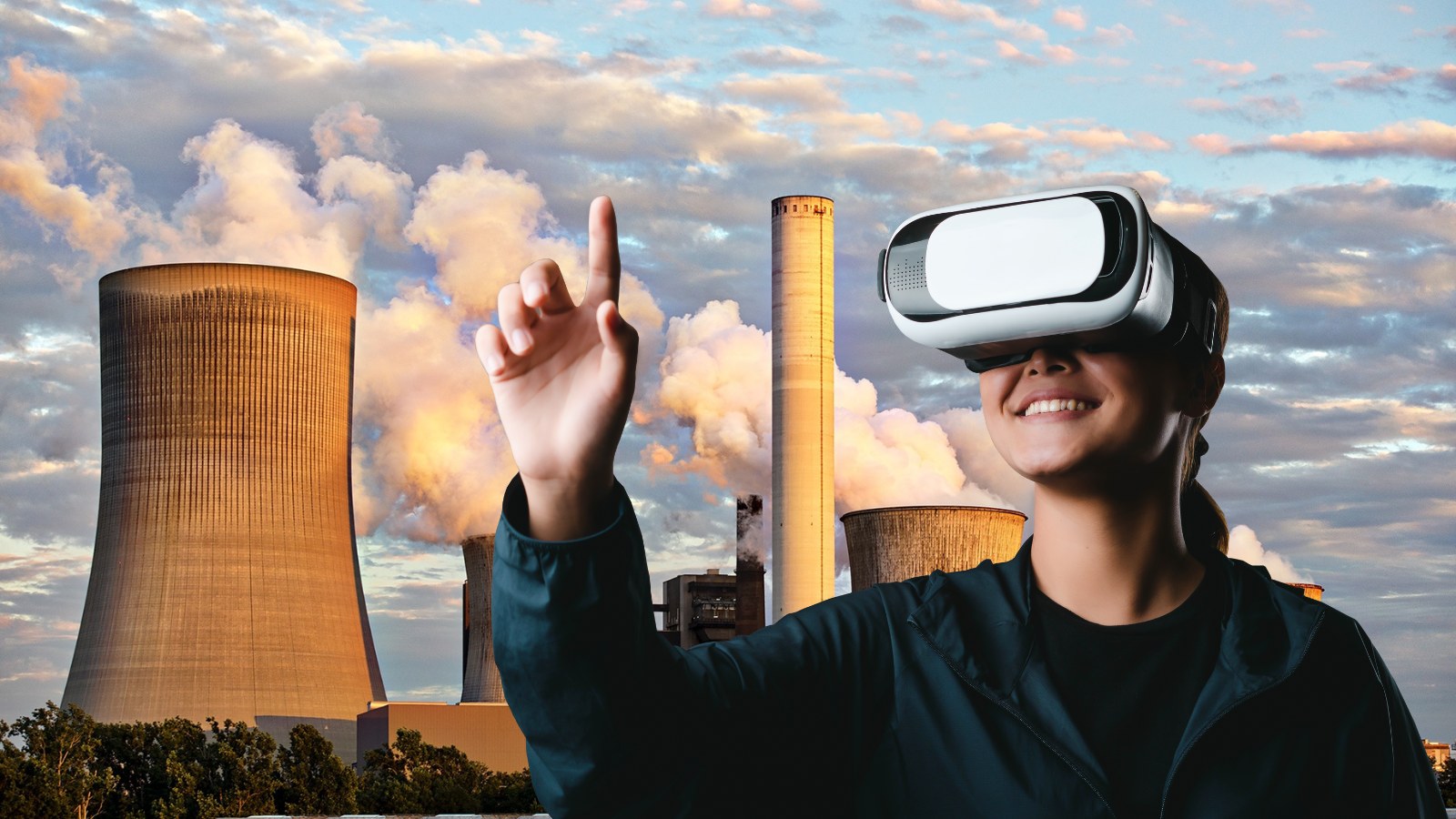
It is common knowledge that industrial operations release massive loads of toxins to the air around us which can be extremely harmful both for the employees and the society....
It is visible that a supply chain is a goal-oriented network of processes and stock points used to deliver goods and services to customers. Breaking one aspect of the...