
A single documentation gap can delay an entire therapy batch, compromise patient safety, or trigger a regulatory observation that costs millions. According to the U.S. FDA, data integrity failures and documentation inconsistencies remain among the most cited issues in GMP inspections across life sciences manufacturing environments. In advanced biologics facilities, where personalised therapies move through highly sensitive workflows, manufacturers increasingly rely on EBR system biotech cell therapy manufacturers’ strategies to maintain speed, compliance, and operational precision.
This article covers
- Why Biotech and Cell Therapy Manufacturing Demands More from EBR
- What Is an EBR System in Biotech Manufacturing?
- Non-Negotiable Feature: FDA 21 CFR Part 11 Compliance
- Non-Negotiable Feature: Electronic Signatures and Audit Trails
- Non-Negotiable Feature: Real-Time Automated Data Capture
- Non-Negotiable Feature: Deviation and CAPA Management
- Non-Negotiable Feature: Master Batch Record Modelling
- Non-Negotiable Feature: Role-Based Access Control
- Non-Negotiable Feature: MES, LIMS, and ERP Integration
- Non-Negotiable Feature: Chain of Identity for Cell Therapy
- Non-Negotiable Feature: Batch Release and Review Automation
- How AI and IoT Elevate EBR Performance in Biotech
- Key Benefits Over Paper-Based Batch Records
- Common Gaps in Biotech EBR Systems to Avoid
- FAQs About EBR System Biotech Cell Therapy Manufacturers
Why Biotech and Cell Therapy Manufacturing Demands More from EBR

Biotech facilities operate in environments where every patient outcome depends on precise documentation, traceability, and controlled execution.
Key Takeaways
- EBR systems strengthen compliance and traceability in biotech manufacturing.
- Real-time data capture reduces manual errors and batch delays.
- A chain of identity controls is essential for safe cell therapy production.
- AI and IoT technologies improve batch monitoring and operational efficiency.
Paper Records Failing GMP Regulated Environments
A production supervisor in a modern biologics plant may have to spend three hours locating a missing temperature log before a quality review meeting. That scenario still happens in facilities dependent on handwritten records.
In highly regulated production environments, paper creates fragmented visibility, delayed approvals, and elevated compliance risk.
A modern electronic batch record framework removes manual bottlenecks while strengthening cGMP compliance across complex manufacturing operations.
Single-Patient Batches Adding Unique Documentation Complexity
Unlike traditional pharmaceutical production, personalised therapies involve extremely small and highly individualised manufacturing cycles.
Each patient-specific batch requires exact handling instructions, unique identifiers, and controlled documentation from receipt to final release. A single mismatch can invalidate treatment viability. Manufacturers, therefore, need structured workflows capable of managing every single-patient record without relying on disconnected spreadsheets or handwritten annotations.
Regulatory Agencies Demanding Tighter Data Integrity
Global regulators increasingly expect manufacturers to demonstrate secure documentation practices aligned with ALCOA+ principles. Inspectors no longer accept incomplete entries, overwritten values, or undocumented process adjustments. Facilities must prove continuous data integrity through traceable workflows, verified approvals, and controlled user activity.
Digital documentation environments help quality teams maintain inspection confidence while reducing uncertainty during compliance reviews.
Why Generic Software Cannot Meet Biotech Requirements
Conventional manufacturing software rarely supports the specialised workflows required in advanced therapies. Biotech operations involve cleanroom coordination, controlled environmental parameters, patient-linked tracking, and multi-stage approvals.
Generic systems often fail to support complex production traceability requirements or dynamic biologics workflows. That is why many organisations now adopt electronic batch record system biotech platforms specifically designed for regulated life sciences manufacturing.
What Is an EBR System in Biotech Manufacturing?
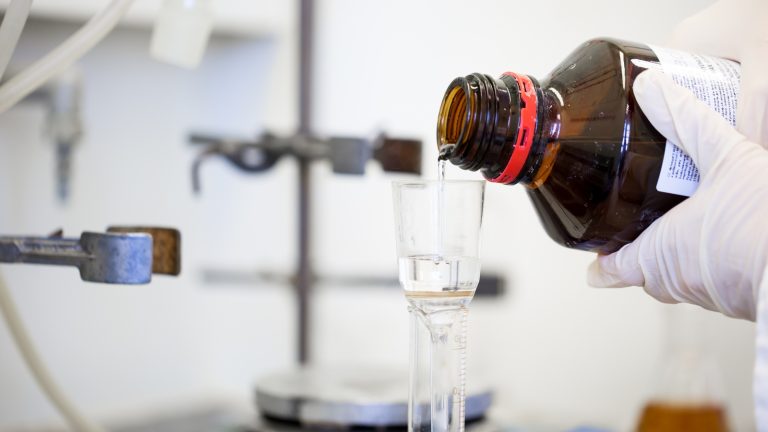
An EBR platform digitally controls, records, and verifies every manufacturing step involved in regulated biologics production.
Digitising Every Step of Batch Production
Inside a biologics facility, every operator interaction matters.
From raw material dispensing to final packaging verification, digital systems now capture process activities continuously. A robust EBR system creates structured workflows that guide operators step by step while improving consistency across manufacturing operations.
Teams no longer depend on handwritten checklists because each activity becomes traceable, timestamped, and electronically verified.
Replacing Paper with Structured Electronic Records
A modern digital batch record environment transforms how manufacturing teams document production. Operators receive guided instructions directly on-screen, while the system validates entries in real time before progression.
This reduces transcription mistakes and strengthens review efficiency. Facilities also gain secure historical visibility into every batch production record, helping investigators reconstruct events quickly during deviations or audits.
How EBR Differs from MES in Biotech
Manufacturers often confuse batch documentation software with broader execution platforms. However, EBR technology focuses specifically on controlled recording, verification, and review of production activities. MES platforms oversee broader manufacturing coordination, scheduling, and operational orchestration.
Strong MES integration ensures both environments exchange production intelligence seamlessly while maintaining accurate documentation integrity across interconnected workflows.
Where Cell Therapy EBR Requirements Diverge from Pharma
Traditional pharmaceutical manufacturing typically focuses on large-scale production runs. In contrast, cell therapy manufacturing environments demand individual tracking, patient-linked genealogy, and highly dynamic process controls.
Facilities handling CAR-T manufacturing require systems capable of tracing sensitive materials across rapidly changing workflows.
These environments also rely heavily on secure identity management to eliminate risks associated with cross-contamination or patient mismatch.
Non-Negotiable Feature: FDA 21 CFR Part 11 Compliance
Compliance-ready EBR systems must support validated electronic records, secure signatures, and controlled auditability from day one.
- Electronic Records Meeting Part 11 Requirements
Modern biologics facilities cannot risk undocumented modifications or unsecured approvals. An advanced EBR system FDA 21 CFR Part 11 compliance framework ensures electronic documentation meets regulatory expectations for accuracy, traceability, and authenticity.
Systems aligned with FDA 21 CFR Part 11 support secure workflows, validated user authentication, and protected record retention policies required for regulated manufacturing operations.
- System Validation Under IQ, OQ, and PQ Protocols
Validation remains essential for proving that digital systems perform consistently within intended operational conditions.
Manufacturers typically conduct Installation Qualification, Operational Qualification, and Performance Qualification activities before deployment approval. Validation protocols help demonstrate system reliability while supporting broader GxP compliance objectives. Facilities also strengthen long-term inspection confidence by thoroughly documenting controlled testing and implementation outcomes.
- EU GMP Annex 11 and GAMP 5 Alignment Built In
Biotech manufacturers operating internationally must address multiple regulatory frameworks simultaneously. Systems designed with EU GMP Annex 11 functionality support secure record handling, system validation, and controlled electronic workflows.
Alignment with GAMP 5 principles further strengthens lifecycle management and risk-based implementation strategies. These capabilities help facilities standardise digital operations without building fragmented compliance processes.
- Regulatory Readiness Without Manual Audit Preparation
Many quality teams still spend weeks preparing binders and documentation ahead of inspections. Digital platforms dramatically reduce that burden by centralising records and approvals within searchable environments. Teams achieve stronger regulatory readiness because inspectors can retrieve production histories immediately.
Instead of manually compiling evidence, facilities present validated electronic documentation directly from controlled systems during audits.
Non-Negotiable Feature: Electronic Signatures and Audit Trails
Secure approvals and transparent activity histories are essential for maintaining trust in regulated production environments.
Timestamped Signatures at Every Production Step
Operators working within biologics facilities frequently handle highly sensitive process steps requiring verified accountability. Digital workflows support secure electronic signatures attached to each activity completion point.
These approvals include timestamps, user credentials, and procedural confirmation. Manufacturers also benefit from controlled e-signatures that simplify review cycles while reducing delays associated with paper routing and manual sign-offs.
Unalterable Audit Trails: Detecting Unauthorised Changes
Quality investigators must understand exactly who changed a value, when the change occurred, and why it happened. Strong audit trail functionality records every modification automatically without allowing unauthorised deletion or overwriting.
Secure tamper-proof records help facilities detect suspicious activity quickly while supporting transparent investigations. This capability is particularly critical during regulatory reviews and internal compliance assessments.
Multi-Level Approval Workflows in One System
Advanced biologics production often requires layered verification across operations, quality assurance, and supervisory teams.
Electronic approval routing allows each stakeholder to review assigned tasks sequentially without losing visibility into process status. Integrated 21 CFR Part 11 signatures streamline approvals while preserving compliance integrity.
Facilities gain faster execution cycles because reviewers access documentation instantly from centralised environments.
Instant Retrieval During FDA or Regulatory Inspections
An FDA investigator may request historical batch evidence with very little notice. Digital systems eliminate the frantic search through paper archives by enabling instant retrieval of production histories, approvals, and deviations. Strong EBR audit trail data integrity biotech capabilities allow facilities to present traceable documentation rapidly.
This significantly improves inspection confidence and reduces operational disruption during regulatory visits.
Non-Negotiable Feature: Real-Time Automated Data Capture
Real-time process visibility reduces manual dependency while strengthening production consistency and compliance control.
Sensors and Equipment Feeding Data Automatically
Modern biologics facilities increasingly depend on automated environmental and equipment monitoring. Through IoT sensor integration, process values such as temperature, humidity, and pressure feed directly into digital records continuously.
Integrated equipment interfacing removes dependency on handwritten entries while improving accuracy. Operators receive live operational visibility without interrupting production activities to document readings manually.
Eliminating Manual Entry Errors at the Source
Manual transcription remains one of the largest contributors to documentation errors within regulated manufacturing.
Advanced platforms use automated data acquisition tools to capture values directly from connected systems. This reduces inconsistencies caused by handwriting mistakes, delayed recording, or skipped entries. Facilities implementing real-time data capture capabilities often experience measurable reductions in batch review delays and compliance observations.
Real-Time Monitoring of Process Parameters
Biologics production depends heavily on maintaining precise environmental and operational conditions throughout manufacturing cycles. Digital monitoring platforms continuously evaluate process variables against approved operating thresholds. Supervisors can detect trends early before they evolve into quality risks.
In highly controlled, clean manufacturing environments, these monitoring capabilities support stable operations and stronger process consistency.
Flagging Out-of-Specification Values Immediately
A slight deviation in incubation temperature or pressure differential can compromise an entire therapy run.
Modern EBR environments automatically flag abnormal values the moment they occur. Operators receive immediate alerts, enabling rapid corrective intervention before issues escalate further.
This proactive response capability helps facilities reduce scrap rates while protecting product quality throughout critical production stages.
Non-Negotiable Feature: Deviation and CAPA Management
Integrated quality event management ensures problems are documented, investigated, and resolved before product release.
Recording Non-Conformances Within the Batch Record
During a biologics manufacturing run, operators may encounter unexpected contamination risks, equipment interruptions, or procedural inconsistencies. Integrated deviation management workflows allow these events to be documented immediately within the production environment.
Recording each non-conformance directly inside the digital workflow improves visibility while ensuring quality teams investigate issues before downstream processing continues.
Linking Deviations Directly to Corrective Actions
Disconnected quality systems often create delays between event identification and corrective execution. Integrated platforms automatically connect deviation events directly to associated corrective and preventive action workflows.
This strengthens accountability while reducing investigation complexity. Manufacturers implementing a robust deviation management EBR system gain clearer oversight into recurring operational issues and long-term remediation effectiveness.
Escalating Critical Deviations to Quality Teams Instantly
In high-risk biologics operations, delayed communication can create serious compliance exposure. Automated escalation pathways notify quality personnel immediately when critical deviations exceed predefined thresholds. Instead of relying on emails or verbal communication, digital systems centralise alerts within controlled workflows. This accelerates investigation initiation and helps facilities respond faster during potentially product-impacting events.
Closing CAPA Loops Before Batch Release Decisions
Regulators increasingly expect manufacturers to demonstrate complete closure of quality events before product disposition decisions occur. Integrated CAPA workflows help ensure investigations, approvals, and corrective actions are completed systematically.
Facilities gain stronger quality oversight because unresolved issues remain visible throughout production review cycles.
This prevents premature release decisions that could introduce unnecessary compliance or patient safety risks.
Non-Negotiable Feature: Master Batch Record Modelling
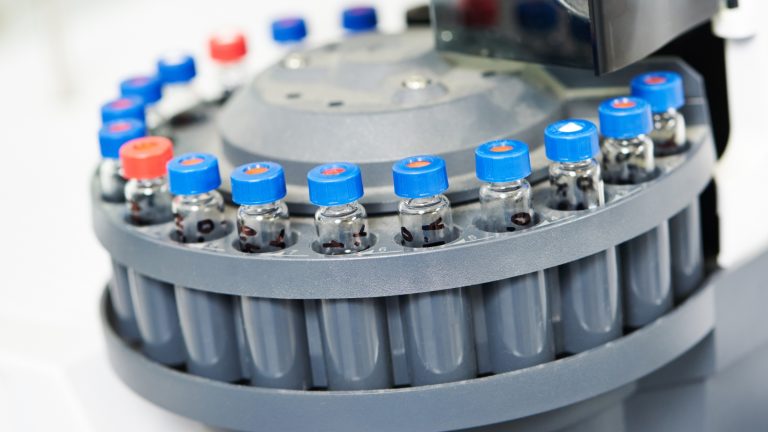
Structured production templates create repeatable, compliant workflows across highly controlled biologics operations.
Standardised Production Templates per Product Type
Biotech facilities manufacturing multiple therapies often manage very different processing requirements simultaneously. Structured master batch record templates help standardise workflows for each product category while maintaining controlled execution paths.
Advanced MBR modelling capabilities allow organisations to configure product-specific instructions, parameters, and verification requirements without rebuilding documentation structures from scratch.
Enforcing SOPs Through Guided Electronic Workflows
Digital instructions guide operators through approved process sequences step by step. The system prevents progression until required activities are completed correctly, reducing the likelihood of skipped procedures.
Guided execution also strengthens training consistency across production teams. Instead of relying on memory or paper manuals, operators follow validated workflows embedded directly into manufacturing processes.
Version Control for All Master Batch Record Updates
A single undocumented procedural adjustment can create major regulatory consequences during inspections.
Controlled version management ensures every workflow modification undergoes review, approval, and traceable release before implementation.
Historical records remain preserved for audit purposes, allowing investigators to understand exactly when changes occurred and who authorised them within the production environment.
Preventing Unapproved Process Changes on the Floor
Manufacturing environments move quickly, especially when facilities are under pressure to accelerate patient treatment timelines. However, uncontrolled process modifications can create severe compliance exposure.
Digital workflow enforcement prevents operators from bypassing approved instructions or independently altering parameters.
Facilities gain stronger operational discipline because all procedural changes require formal review and electronic approval before execution.
Non-Negotiable Feature: Role-Based Access Control
Controlled user permissions protect sensitive manufacturing information while strengthening operational accountability.
Restricting Access by User Role and Function
Different personnel require different operational permissions within biologics manufacturing environments. Production operators, supervisors, and quality reviewers should not access identical system functions.
Strong role-based access control ensures users only interact with authorised workflows relevant to their responsibilities. This minimises operational risk while improving compliance oversight across regulated manufacturing processes.
Protecting Patient-Specific Data in Cell Therapy Batches
Facilities producing therapies linked to individual patients handle highly sensitive information throughout manufacturing. Secure user access management policies help prevent unnecessary exposure to confidential production and identity data.
Controlled permissions become especially important within autologous therapy workflows where traceability depends on maintaining secure links between patient identity and manufacturing execution records.
Logging Every User Action for Accountability
Every activity performed within regulated systems should remain traceable to a verified individual account. Secure platforms automatically log user interactions, approvals, modifications, and system events continuously.
This strengthens accountability while helping investigators reconstruct operational histories quickly during compliance reviews. Transparent activity tracking also discourages unauthorised actions within high-risk production environments.
Preventing Unauthorised Edits to Completed Records
Once production documentation reaches completion status, manufacturers must ensure records remain protected from uncontrolled alteration. Secure permissions combined with locked workflow states prevent retrospective editing of approved entries.
Strong system access privileges and layered data security controls help facilities preserve record authenticity throughout retention periods required by regulatory authorities.
Non-Negotiable Feature: MES, LIMS, and ERP Integration
Integrated digital ecosystems eliminate disconnected information silos across manufacturing, quality, and business operations.
Bidirectional Data Flow Between EBR and MES
Manufacturing teams require continuous synchronisation between execution systems and documentation environments.
Strong EBR MES integration manufacturing capabilities enable production schedules, equipment statuses, and workflow instructions to move seamlessly between connected platforms.
Reliable interoperability reduces duplication while supporting faster operational coordination across highly automated manufacturing facilities.
LIMS Feeding Quality Test Results Into Batch Records
Laboratory results often determine whether biologics production can continue or proceed towards release. Through secure LIMS integration, quality data automatically populates relevant production records without requiring manual transcription.
This improves review accuracy while ensuring testing outcomes remain directly connected to associated manufacturing activities throughout the product lifecycle.
ERP Synchronising Materials and Inventory With Production
Biotech operations depend heavily on accurate inventory coordination because raw materials frequently involve short shelf lives and controlled storage conditions. Integrated ERP integration capabilities synchronise inventory movements, material consumption, and procurement activities directly with manufacturing workflows.
This improves planning efficiency while reducing delays caused by inventory discrepancies or disconnected operational systems.
Eliminating Duplicate Entries Across All Connected Systems
Disconnected platforms force operators to re-enter the same information repeatedly across multiple systems.
That duplication increases the likelihood of inconsistencies and review complications. Strong system interoperability reduces administrative workload by synchronising information automatically between operational environments.
Facilities gain faster workflows while improving documentation accuracy across integrated production ecosystems.
Non-Negotiable Feature: Chain of Identity for Cell Therapy
Patient-linked therapies require end-to-end identity tracking throughout every stage of manufacturing and delivery.
Tracking Patient Samples From Receipt to Infusion
Advanced therapy manufacturers must maintain exact identification records from initial sample receipt through clinical administration. A strong chain of identity controls ensures patient-linked materials remain traceable throughout every operational handoff.
Digital workflows help eliminate uncertainty by maintaining continuous associations between patient identifiers, manufacturing events, and final treatment distribution activities.
Maintaining Chain of Custody Throughout Manufacturing
Sensitive therapy materials frequently move across laboratories, processing suites, storage facilities, and logistics environments.
Maintaining a secure chain of custody documentation ensures every transfer remains visible and verifiable. Digital monitoring systems record who handled materials, when movements occurred, and where transfers happened, helping organisations strengthen accountability across highly controlled biologics operations.
Preventing Mix-Ups in Autologous Therapy Production
In personalised medicine environments, even a minor identification error can produce catastrophic consequences. Facilities managing allogeneic therapy and patient-linked production simultaneously require extremely precise workflow controls.
Structured digital verification checkpoints help operators confirm identity information continuously during manufacturing activities, reducing the risk of cross-contamination or patient mismatch incidents.
Full Genealogy Traceability for Every Patient Batch
Regulators increasingly expect manufacturers to demonstrate complete traceability across the entire therapy lifecycle. Genealogy tracking capabilities document every material, processing step, environmental condition, and approval associated with each therapy run.
This level of visibility helps investigators analyse quality events rapidly while supporting stronger operational transparency throughout advanced biologics production environments.
Non-Negotiable Feature: Batch Release and Review Automation
Automated review workflows accelerate release decisions while strengthening quality assurance oversight.
Automated Pre-Release Checks Against GMP Criteria
Before a therapy batch moves towards release, the system automatically evaluates required production conditions, approvals, and documentation completeness. Automated review engines continuously compare operational outcomes against predefined GMP criteria.
This reduces reviewer workload while helping quality teams identify unresolved issues earlier in the disposition process.
Electronic Batch Disposition Without Paper Sign-Offs
Digital approval environments simplify final review procedures by consolidating production evidence into structured electronic workflows. Reviewers no longer depend on physical signatures or printed binders to complete release assessments.
Secure batch disposition capabilities accelerate decision-making while preserving compliance traceability across highly regulated manufacturing environments.
Accelerating Batch Release Cycles Across Production
In advanced therapies, patients often wait for treatment batches tied directly to their clinical outcomes. Faster batch release workflows can therefore influence both operational efficiency and patient delivery timelines.
Automated review capabilities reduce delays associated with missing signatures, incomplete documentation, and fragmented approval routing across manufacturing departments.
Flagging Incomplete Records Before Review Begins
Quality reviewers frequently lose valuable time identifying missing values or unsigned documentation late in the process.
Automated validation rules detect incomplete records immediately and prevent workflows from advancing until corrections occur.
This improves review efficiency while reducing approval bottlenecks during high-volume biologics manufacturing operations.
How AI and IoT Elevate EBR Performance in Biotech
Advanced analytics and connected technologies now transform how biologics manufacturers monitor, predict, and optimise production performance.
AI Detecting Process Anomalies Across Batch Data
Modern AI-driven manufacturing environments analyse enormous production datasets continuously to identify abnormal patterns before deviations occur.
Machine learning tools evaluate historical production trends, operator actions, and equipment conditions simultaneously.
Facilities adopting predictive analytics often reduce investigation frequency because systems identify subtle inconsistencies earlier than traditional manual review methods.
IoT Sensors Feeding Environmental Monitoring Records
Connected monitoring devices now provide continuous operational intelligence throughout biologics production suites. Within IoT manufacturing environments, environmental readings flow automatically into digital workflows without requiring manual intervention.
This improves documentation reliability while giving quality teams real-time visibility into controlled manufacturing conditions across sensitive cleanroom and storage environments.
Digital Twin Simulating Batch Deviations Before They Occur
Some advanced manufacturers now use digital twin manufacturing models to simulate operational scenarios before implementing process changes physically. Virtual process replication allows engineers to evaluate how parameter adjustments could influence product quality or throughput.
These simulations help organisations reduce operational uncertainty while improving confidence during optimisation initiatives.
Predictive Analytics Reducing Batch Failure Rates
Predictive tools continuously evaluate production conditions, environmental trends, and equipment performance indicators to identify emerging risks.
Facilities leveraging Industry 4.0 biotech strategies often improve operational stability because teams respond proactively rather than reactively. Early intervention capabilities also contribute to stronger manufacturing consistency and reduced product waste.
Key Benefits Over Paper-Based Batch Records
Digital documentation platforms improve operational speed, compliance confidence, and manufacturing consistency across biologics environments.
- Eliminating Transcription Errors at Every Stage
Handwritten documentation creates opportunities for missing values, illegible entries, and delayed corrections. Digital workflows remove repetitive manual recording tasks while improving process accuracy significantly.
Facilities implementing electronic systems frequently experience measurable batch error reduction because operators capture information directly within validated workflows rather than relying on fragmented paper processes.
- Accelerating Audit Preparation From Weeks to Hours
Preparing for inspections traditionally required large teams to gather folders, verify signatures, and reconstruct historical events manually. Digital systems centralise documentation automatically, enabling investigators and reviewers to retrieve information almost instantly.
This dramatically reduces administrative workload while improving confidence during inspection readiness activities.
- Achieving First-Pass Batch Release More Consistently
When production teams follow guided workflows and automated validation rules, documentation quality improves substantially. Facilities, therefore, experience stronger first pass yield performance because fewer records require rework or correction before approval.
Consistent execution also helps manufacturers accelerate delivery timelines for highly sensitive biologics therapies.
- Reducing Production Costs Through Fewer Repeat Batches
A failed therapy batch represents far more than lost production time. Manufacturers may also lose valuable patient materials, labour resources, and treatment opportunities.
Digital process controls help organisations reduce avoidable rework by strengthening operational consistency, approval visibility, and deviation response management across manufacturing activities.
Common Gaps in Biotech EBR Systems to Avoid
Not every digital platform can effectively support the complexity of modern biologics manufacturing environments.
No Real-Time Deviation Alerts During Production
Some systems still rely heavily on retrospective review rather than proactive monitoring. Without immediate alerts, operators may continue processing despite unresolved quality risks.
Facilities should prioritise platforms capable of detecting abnormalities instantly and escalating concerns automatically before operational issues expand further across production workflows.
Weak Audit Trails Failing Regulatory Inspections
Incomplete activity histories create serious inspection exposure because regulators expect fully traceable electronic documentation. Weak logging functionality can prevent investigators from accurately reconstructing operational events.
Manufacturers, therefore, require systems with comprehensive change histories, secure authentication, and protected documentation retention capabilities built directly into workflow execution.
Poor MES Integration Creating Disconnected Data Silos
Disconnected manufacturing environments often force operators to duplicate information manually between systems. These fragmented workflows reduce efficiency while increasing inconsistency risk across operational data.
Facilities should evaluate integration capabilities carefully to ensure that manufacturing execution, laboratory systems, and documentation platforms exchange information reliably.
Missing Chain of Identity for Patient-Specific Batches
Identity management failures represent one of the most serious risks within advanced therapy production. Without continuous patient-linked verification, facilities increase exposure to mix-ups and traceability gaps.
Digital systems should therefore provide end-to-end identity tracking functionality capable of supporting highly sensitive personalised manufacturing workflows safely.
Why Choose Cerexio EBR for Biotech and Cell Therapy?
Cerexio EBR is a robust Electronic Batch Records System in Singapore that delivers advanced digital batch management capabilities designed specifically for highly regulated biologics manufacturing environments.
GMP, PIC/S, GAMP, and 21 CFR Part 11 Compliant
Cerexio EBR supports global compliance frameworks required across advanced life sciences production environments. This Industry 4.0 platform aligns with PIC/S compliance expectations while supporting validated documentation workflows for regulated operations.
With our systems, manufacturers also benefit from structured controls supporting inspection readiness, secure approvals, and long-term compliance management across complex manufacturing ecosystems.
IoT, AI, and Digital Twin Capabilities Built In
Unlike traditional documentation platforms, the Cerexio solution combines connected operational intelligence with predictive manufacturing technologies. Integrated analytics, simulation capabilities, and sensor-driven visibility help facilities continuously optimise production performance.
These advanced capabilities strengthen operational insight while supporting more proactive quality and manufacturing decision-making.
Seamless MES, LIMS, and ERP Integration
The Cerexio platform enables streamlined information exchange between production systems, quality platforms, and enterprise applications without requiring fragmented manual workflows. Its integrated operational visibility helps your organisation reduce duplication while improving process coordination across manufacturing environments.
This strengthens both execution efficiency and documentation reliability simultaneously.
Deviation, CAPA, and Master Batch Record Management Included
Our EBR platform combines digital workflow execution with integrated quality oversight, enabling facilities to manage investigations, corrective actions, and workflow templates in a single controlled environment. You will gain stronger visibility into operational events while simplifying documentation review and long-term compliance management activities.
Trusted Across Pharma, Biopharma, and Life Sciences Manufacturing
Cerexio technology supports organisations operating across diverse regulated industries, including biotech manufacturing, advanced therapies, and biopharma production. The platform helps manufacturers maintain stronger oversight within every GMP facility while improving coordination across complex cleanroom operations.
Facilities also gain operational visibility, supporting improved quality review efficiency and production performance insights through integrated OEE tracking capabilities.
Cerexio-Where You Meet Digital Perfection
Ready to Build a Compliant EBR Foundation for Your Facility?
It is high time we agree that modern biologics production requires more than digital documentation alone. Manufacturers need intelligent, integrated, and compliance-ready operational control.
Consult Cerexio EBR Specialists for Biotech Manufacturing
Cerexio specialists work closely with manufacturers to evaluate operational risks, compliance gaps, and digital transformation priorities across advanced therapy production environments.
Call for a free demo now.
Explore Cerexio EBR System Features and Compliance Capabilities
Manufacturers can evaluate how Cerexio supports secure workflows, automated review processes, identity management, and connected production ecosystems within highly regulated environments.
Deploy a Non-Negotiable-Ready EBR With Cerexio Today
As biologics manufacturing becomes increasingly data-driven, facilities require systems capable of supporting compliance, traceability, and operational resilience simultaneously. Cerexio helps organisations modernise documentation processes while building a stronger foundation for scalable, future-ready manufacturing operations.
FAQs About EBR System Biotech Cell Therapy Manufacturers
An EBR system focuses on documenting, validating, and reviewing batch execution activities, while MES manages broader manufacturing orchestration. In biotech environments, both systems work together to improve traceability, compliance control, operational coordination, and production visibility.
Chain of identity ensures patient materials remain correctly matched throughout manufacturing, storage, and delivery stages. In autologous therapies, maintaining accurate patient-linked tracking prevents sample mix-ups, strengthens regulatory compliance, and protects treatment integrity across highly controlled workflows.
An EBR platform supports FDA 21 CFR Part 11 compliance through secure electronic signatures, audit trails, validated workflows, and controlled user authentication. These capabilities ensure electronic records remain traceable, tamper-resistant, reviewable, and inspection-ready within regulated manufacturing environments.
IoT sensors automatically capture environmental and equipment data directly into digital workflows, while AI analyses production trends for anomaly detection. Together, they improve operational visibility, reduce manual errors, strengthen predictive maintenance, and support proactive quality management decisions.
Biotech manufacturers should prioritise audit trails, electronic signatures, deviation management, MES integration, chain-of-identity controls, automated batch review, and role-based access. These features improve compliance readiness, process traceability, production consistency, and patient-specific manufacturing oversight.