
Minimising machine downtime expenses is one of the biggest challenges to manufacturers right now. For every hour that you stop your production, you jeopardise labour and profits. In this article, we investigate several tactics on ‘how to reduce machine downtime costs’, technologies and good maintenance practices that prompt increased reliability, reduced unplanned downtime and maximised OEE.
If you run a heavy manufacturing plant, utilities infrastructure or discrete production lines, it is important to be aware of machine downtime reduction strategies. They can potentially save your business an awful lot of money and resources.
Ready to find out how you can convert downtime into opportunity? Let’s dive in.
We will reveal
- Why Do Machines Cause High Downtime Costs?
- What Are the Root Causes of Frequent Downtime?
- What Strategies Effectively Reduce Downtime Costs?
- How Does Predictive Maintenance Help Cut Costs and Prevent Downtime?
- How to Implement OT IT Integration for Better Equipment Monitoring?
- How to Build a Maintenance Team Ready for Smart Maintenance?
- How to Quantify Savings and Track Downtime Reduction Results?
- What Industries and Assets Benefit Most from Downtime Reduction Programmes?
- FAQ About Reducing Machine Downtime Costs
Why Do Machines Cause High Downtime Costs?

When you understand the causes of your machines breaking down at any given moment, you can reduce machine downtime costs. This is significant because downtime is not simply costly; it can disrupt production schedules and trigger overtime as well.
Not to mention its impact on customer satisfaction. Let’s go over what the primary causes of these costs of machine downtime are.
Key Takeaways
- Manufacturing profitability is siphoned away through lost production, overtime, delays to quality and emergency repairs as machine downtime mounts up in silence, and this is why manufacturers need to get beyond reactive maintenance.
- Through a synergistic approach of preventative and predictive maintenance, along with real-time condition monitoring, OT-IT convergence and a smart, data-savvy workforce, industries can prevent failures before they occur to minimise disruption.
- With a proper strategy and technology, the manufacturing domain can transform downtime from an uncontrollable cost to a controllable, measurable opportunity for long-term efficiency and reliability.
Common Types of Machine Downtime and Their Cost Drivers
Machines will stop for many reasons, and each has a very unique Downtime cost analysis. Some common types include:
- Planned downtime: The time you schedule maintenance or upgrades.
- Unplanned downtime: Incidents caused by wear, operator error or conditions of the environment.
- Idle time: Materials or approval waiting periods
Ever figured out the cost of each type of downtime to your operation? Factors like labour, lost productivity, energy waste and possible SLA penalties can make a big difference.
If you could understand your downtime tracking systems and perform root cause analysis on both planned and unplanned downtime, you can identify exactly where losses take place. Plus, you can begin focusing on your efforts for improvement.
How Unplanned Breakdowns Affect Production, Labour and Profitability
Minimisation of unscheduled downtime is important, as ‘unscheduled’ machine breakdowns result in problems at several levels.
- Production is slowing or stopping, which impacts order fulfilment and timelines.
- The efficiency of labour goes down as employees wait or go into overtime
- With wasted material, rework and emergency repairs, profitability suffers from all these expenses
With an investment in asset performance management of industrial equipment, you can spot trends that lead to repeat failures and take action to mitigate them before they occur. Think about the potential of what your manufacturing team could do in a week, if you could improve equipment reliability was eliminate downtime.
Hidden Costs: Rework, Energy Waste, SLA Penalties, Overtime
Your industrial business may continue to lack a realisation or awareness of the associated costs of downtime. Beyond lost production, you need to consider:
- Quality issues and rework from haste of repair.
- Energy that is wasted by those machines that are sitting there burning it up with no job to do.
- SLA penalties for delayed deliveries.
Unplanned stop time was paid to cover staff on overtime duty.
This is when a comprehensive cost analysis of downtime can show the hidden leaks. Integrating real-time asset monitoring with local optimisation will assist in identifying inefficiencies and making better decisions to avoid downtime and optimise production line spends.
Are you measuring these hidden losses in your plant?
What Are the Root Causes of Frequent Downtime?

To use effective maintenance optimisation techniques, the cause of failure is something you must know. Commonly, downtime is not the result of a single failure but some combination of multiple problems happening at once.
Ageing Equipment and Lack of Maintenance History
Older machines also have a higher incidence of wear and tear. Without preventative maintenance, it is difficult to predict when failures will occur.
The absence of the maintenance history may bring about multiple failures, delayed MTTR- Mean Time To Repair, and waste of money. If you could log accurate logs with maintenance management software CMMS, you would be able to see patterns and perform the necessary repairs before they get out of control.
Investment in tracking and predictive tools for industrial asset reliability has huge dividends in equipment failure prevention down the road.
Poor Maintenance Planning and Reactive Culture
Reactive maintenance, in other words, running a machine until it breaks down rather than maintaining it proactively, on the basis of data that indicate repairs are needed, is more expensive and prone to failure.
Adopting practices for scheduling maintenance in a preventive way can lead to a transformation from breakdown to planned maintenance. This involves:
- Prioritising critical equipment.
- Standardising workflows for maintenance tasks
- Proactive interventions planning with Scheduled maintenance optimisation
If your team adopts a maintenance workforce transformation, you will experience less emergency repair, better overall equipment effectiveness OEE, and lower downtime costs.
This is where you need to ask yourself one question: ‘Are we solving problems or blocking them?’
Lack of Real-Time Monitoring and Failure Detection
In the absence of continuous equipment monitoring, minor failures can escalate into major breakdowns. Today’s IoT device sensors give you the ability to monitor vibration, including temperature changes and operational irregularities.
Paired with predictive analytics manufacturing, it helps identify those failures quickly and decreases the need for factory downtime mitigation while increasing equipment reliability.
You can utilise real-time information to schedule maintenance more effectively, avoid wasting energy and aid in asset management for your facility.
Integration Gaps Between OT (PLC/SCADA) and IT Systems
A common problem in the manufacturing industry is that siloed systems. Since we have been in the industry for years now, we have seen that many enterprises have disconnected systems. OT-IT integration provides a link between PLC, SCADA and cloud-based analytics. This enables:
- Unified monitoring across assets.
- Instant alerts on anomalies.
- Better decision-making in data-based maintenance.
A single system of connected devices means an extensive view of your industrial equipment monitoring. With such robust integration, you can make informed decisions and be proactive with downtime and emergency repair prevention.
What Strategies Effectively Reduce Downtime Costs?

The key to reduced machine downtime in the industry is a strategy-structured implementation.
Preventive Maintenance Scheduling and Standardisation
Planned maintenance can prevent unplanned downtime. It involves:
- Scheduling regular inspections and servicing.
- Standardising procedures across teams.
- Maintaining detailed records.
Preventive maintenance action can have an order of magnitude impact on reducing maintenance cost with assistance from equipment failure diagnosis and optimal scheduling of routine maintenance.
Are you still hanging onto the old way of last-minute repairs with no structured asset maintenance plan in place?
Condition Monitoring and Early-Warning Inspections
Condition-based maintenance comes to the centre stage when it comes to monitoring actual machine status in real time to pick up on issues early. Techniques include:
- Vibration analysis maintenance.
- Thermal imaging equipment inspections.
- Sensor-based monitoring for critical parameters.
This procedure eliminates the amount of factory downtime mitigation required, prohibits unwarranted rework and enhances industrial asset reliability. Real-time equipment monitoring allows you to identify small anomalies before they become major issues.
Smart Asset Tagging and Tracking
You cannot manage what you do not actually measure. That is why intelligent asset management helps track every piece of equipment in your building. Benefits include:
- Efficient spare parts inventory management.
- Better maintenance scheduling using maintenance management software, CMMS
- Enhanced equipment reliability improvement
Pair IoT equipment sensors with digital tracking, and your team can be proactive about these maintenance interventions. They can avoid downtime and aid in general production efficiency improvements.
How Does Predictive Maintenance Help Cut Costs and Prevent Downtime?
Predictive maintenance is not just a trendy phrase – it is truly a game changer when it comes to reducing machine downtime.
Data-Driven Failure Prediction Using Analytics
With the help of predictive analytics in manufacturing, you can examine machine performance behaviour to predict outages. This, in turn, lowers the cost of preventing unplanned downtime and limits the cost of preventing emergency repairs.
Let’s face the reality! Keeping historical context alongside live data so that asset performance management is proactive, not reactive. What could your team accomplish if they were able to anticipate problems before they even occur?
Detecting Anomalies Before Breakdowns Occur
The sooner you detect problems, the less expensive shutdowns are. Industrial equipment monitoring, incorporating vibration and thermal analysis reveals:
- Deviations from normal operations.
- Early signs of wear and tear.
- Potential failures requiring attention.
This approach enhances equipment reliability improvement and the preventive maintenance strategy. It allows your machines to function effectively while keeping downtime costs low.
Optimising Maintenance Schedules to Avoid Unplanned Shutdowns
The incredible value that predictive maintenance delivers is the ability to customise your maintenance schedules. You can with best practices for maintenance scheduling:
- Avoid over-maintenance and wasted labour.
- Lower MTTR mean time to recover.
- Improve overall equipment effectiveness OEE.
When you combine these with production line optimisation methods, you develop a process in which your efforts to prevent equipment failures are continuous and dependable.
How to Implement OT IT Integration for Better Equipment Monitoring?
Correct OT-IT integration upkeep bridges the IQ gap between operational and IT systems, leading to increased visibility and predictive insight.
Connecting PLCs, SCADA, Sensors with Cloud Analytics
Connecting PLCs, SCADA sensors to cloud analytics provides real-time visibility into assets and actionable intelligence. You can track:
- Machine health.
- Production efficiency improvement.
- Predictive maintenance benefits.
An integrated system for asset performance management and industrial asset reliability helps you take action before downtime.
Ensuring Data Flows, Security, and Real-Time Alerts
Combining OT and IT involves a focus on data protection as well as downtime tracking systems. Benefits include:
- Automated alerts for anomalies.
- Secure, centralised data for decision-making.
- Supply chain disruption prevention is on point.
This is where preventive or O&M software, CMMS, comes in to ensure your crew can react fast and make way for future unplanned downtime elimination.
Building a Unified Maintenance and Asset Management Ecosystem
An integrated plant environment facilitates asset maintenance scheduling, real-time equipment monitoring, and the reduction of maintenance costs. You can combine:
- Predictive analytics manufacturing.
- IoT equipment sensors data.
- Maintenance workflows.
This all-in-one model makes machine breakdown diagnosis and production efficiency enhancement an ongoing reality.
How to Build a Maintenance Team Ready for Smart Maintenance?
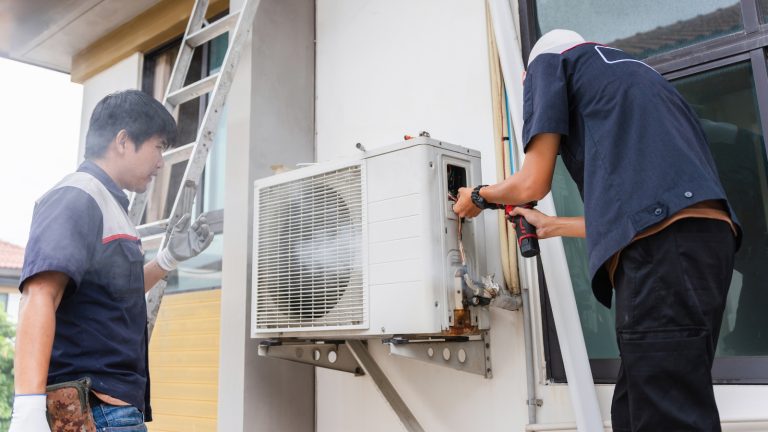
Your personnel must be as good as your technology. Successful maintenance workforce transformation requires many things.
Training Maintenance Staff for Data-Aware, Proactive Maintenance
Upskilling your team ensures they understand predictive maintenance benefits and industrial equipment monitoring. Training includes:
- Interpreting sensor data.
- Implementing maintenance scheduling best practices.
- Understanding equipment failure prevention.
We all know that experienced teams can intervene before a problem turns into something more serious, helping improve equipment reliability and eliminate unplanned downtime.
Changing Mindset from Reactive Quick-Fixes to Reliability-Focused Upkeep
Transitioning to a proactive culture standardises the preventive maintenance strategy. You can encourage:
- Focus on long-term asset health.
- Adoption of maintenance optimisation techniques.
- Application of real-time instrumented monitoring tools.
This attitude minimises plant-floor downtime and maximises OEE.
Establishing Standard Operating Procedures and Maintenance Culture
Recording of workflows and instigation of maintenance culture enables the prevention of emergency repairs and optimised planned maintenance. Key points:
- All equipment is following standard procedures.
- Regular audits and performance checks.
- Maintenance management CMMS integration.
If your team adopts these steps, you will be able to diagnose equipment failure and industrial asset reliability with regularity and even measure the results.
How to Quantify Savings and Track Downtime Reduction Results?
Tracking is essential to machine downtime reduction programmes.
Metrics and KPIs: Downtime Rate, MTBF, Maintenance Cost Per Hour, OEE Impact
Key metrics include:
- Mean time between failures (MTBF) for failure prediction.
- MTTR mean time to repair to minimise downtimes.
- Productive OEE for productivity calculation.
They enable cost of downtime analysis and line efficiencies, presenting hard benefits from asset performance management programmes.
Calculating Cost Savings: Labour, Production, Rework, Energy, Penalties
Quantifying savings involves considering:
- Labour hours saved
- Reduced production loss
- Energy efficiency gains
- Avoided SLA penalties
An example of measurable equipment reliability improvement is using cost reduction strategies, such as maintenance and PM tasks.
Using Dashboards to Monitor Maintenance Efficiency and Alert History
Real-time asset tracking dashboards bring in all the essential data:
- Machine alerts and anomalies.
- Downtime tracking systems’ history.
- Maintenance scheduling best practices compliance.
This will enable monitoring of industrial equipment, improving the efficiency of production and optimising decision-making for unplanned downtime removal.
What Industries and Assets Benefit Most from Downtime Reduction Programmes?
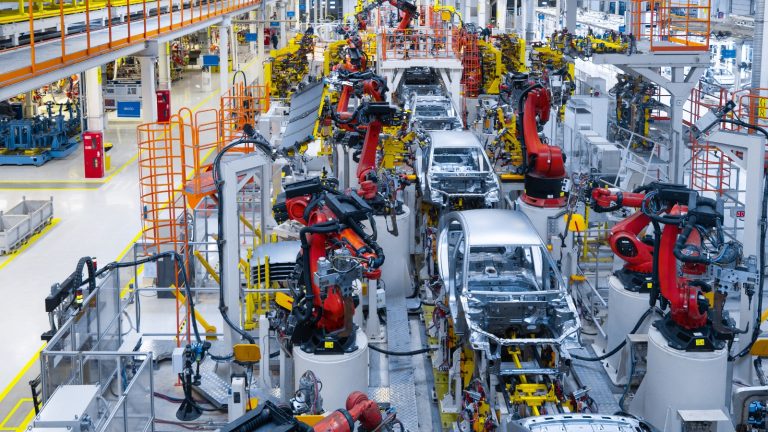
The benefits of downtime reduction are great for everyone, but some industries in particular reap the rewards.
Heavy Manufacturing and Processing Plants
When it comes to complex machinery used in heavy manufacturing and processing plant environments, predictive maintenance for equipment and the increase of equipment reliability are valuable for them.
These factories commonly achieve a downtime mitigation gain above 20% by conducting proactive maintenance.
Utilities, Water Treatment, Energy Generation, Infrastructure Assets
No doubt that industrial assets are the backbone of critical infrastructure as they drive reliability. The real-time equipment monitoring combined with OT-IT integration , maintenance, and optimisation for maintenance techniques leads to an uninterrupted operation.
Moreover, they lower the cost of manufacturing downtime and prevent supply chain disruption.
Discrete Manufacturing — High-Mix, High-Volume Operations
It is a proven fact that best practices in production line optimisation, asset maintenance planning and management scheduling are a boon for high-mix, high-volume operations. This is where predictive maintenance lowers equipment protection risks that are preventative.
The latter also increases overall equipment effectiveness OEE, maintaining manufacturing steady and on budget.
Why Cerexio Asset Management Solutions Are Essential to Cut Downtime Costs
Looking ahead to today and investing in Cerexio Asset Management Solutions enables your manufacturing company in Singapore to easily work on reducing machine downtime.
Real-Time Monitoring, Predictive Analytics, Digital Twin and Integrated Maintenance Workflows
Cerexio pairs real-time equipment monitoring, predictive analytics, manufacturing, and digital twin technology to provide actionable insights. We offer seamless integration of workflows to eliminate unplanned downtime and diagnose equipment failure.
Full Visibility Over Asset Health and Maintenance History
Get full insight into your equipment for preventive maintenance planning and bottom-line reducing maintenance. Historical and live data will pave the way for increased industrial asset reliability and improve production efficiencies.
Data-Driven Maintenance Decisions to Avoid Unplanned Downtime
Anticipate failures and optimise schedules to cut factory downtime mitigation. Your team is proactive, not reactive, with IoT equipment sensors and CMMS for maintenance management on your side.
How to Contact Cerexio to Get Started
Are you ready to begin cutting costs with downtime and improving reliability on your equipment? Get in touch with Cerexio to start effectively minimising machine downtime, combining OT-IT convergence maintenance and modernising your maintenance workforce today.
Do not let your profitability be determined by downtime.
Call for a free demo now.
Cerexio-Machine Reliability is Not a Dream Anymore.
FAQ About Reducing Machine Downtime Costs
According to experts, an average manufacturer struggles with 800 hours of equipment downtime per year. Every week, it is more than 15 hours. Altogether, unplanned downtime costs industrial manufacturers about $50 billion annually.
You reduce machine downtime costs by preventing failures early, improving maintenance planning, using real-time monitoring, training operators, and applying predictive maintenance. These actions cut lost production, overtime, emergency repairs, energy waste, and quality losses across operations in modern manufacturing environments.
Predictive maintenance helps reduce machine downtime costs by analysing sensor and historical data to forecast failures. Maintenance is performed only when needed, avoiding breakdowns, minimising unplanned stoppages, extending equipment life, and lowering repair, labour, and production-loss expenses across industrial operations.
Unplanned downtime is costly because it stops production without warning, causes missed deadlines, increases overtime, wastes materials, and triggers emergency repairs. It also disrupts supply chains and customer commitments, making it one of the biggest contributors to machine downtime costs.
Real-time monitoring reduces machine downtime costs by detecting abnormal conditions early through sensors and alerts. This allows teams to intervene before failure, schedule maintenance intelligently, reduce MTTR, improve equipment reliability, and maintain consistent production performance across complex industrial manufacturing environments.