
You may have seen that manufacturers usually focus on output volume. There is no wrong in that, yet what truly determines profitability is how much of that output actually meets quality standards. Even small inefficiencies can quietly ruin margins, slow delivery schedules, and damage customer trust. Yield loss in manufacturing is one of the most underestimated threats to operational success. It is well known that yield loss is one of the biggest profit losses in the manufacturing industry.
It hides in scrap bins, rework stations, and downtime logs, slowly draining value. However, there is still a silver lining in that. With the right analytics, systems, and prevention strategies, yield loss can be measured, controlled, and dramatically reduced.
In this insightful article, we will break down the causes, calculations, and advanced improvement strategies that modern factories must master.
We will look into
- What Is Yield Loss, and Why Does It Drain Manufacturing Profitability?
- How to Calculate Yield Loss: Understanding FPY and RTY Metrics
- What Are the Primary Root Causes of Yield Loss?
- How Do Manufacturing Defects Directly Impact Yield?
- What Analytical Tools Identify Hidden Yield Loss Patterns?
- How Does Process Variability Silently Erode Yield?
- What Is the True Cost of Yield Loss Beyond Scrap Material?
- How to Implement Effective Root Cause Analysis for Yield Issues?
- What Preventive Measures Eliminate Yield Loss at the Source?
- How Does Real-Time Monitoring Prevent Yield Loss?
- What Role Does MES Play in Yield Optimisation?
- How to Transition From Reactive to Predictive Yield Management?
- What Industry-Specific Yield Loss Strategies Work Best?
- How to Sustain Yield Improvements Through Continuous Monitoring?
- FAQs About Yield Loss in Manufacturing
What Is Yield Loss, and Why Does It Drain Manufacturing Profitability?
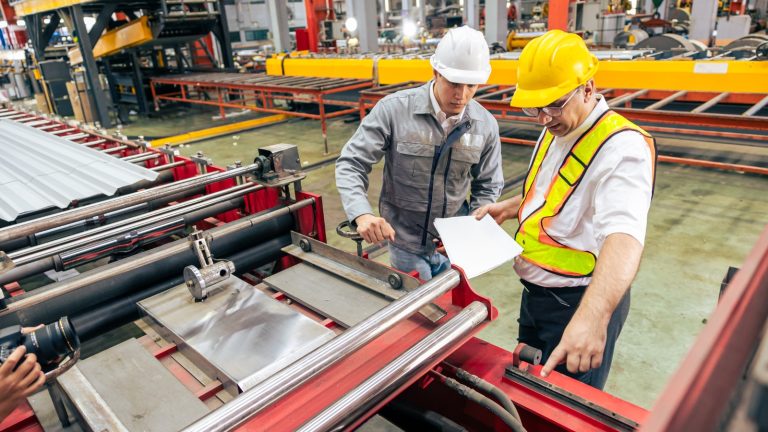
Yield loss in manufacturing is the measurable gap between what should be produced and what is actually produced as usable, sellable output.
Key Takeaways
- Yield loss in manufacturing directly reduces profitability by increasing scrap, rework, and hidden operational costs.
- Accurate measurement using FPY and RTY reveals where defects compound across production stages.
- Root cause analysis, real-time monitoring, and predictive technologies prevent losses before they escalate.
- MES-driven visibility and continuous improvement strategies transform reactive quality control into proactive yield optimisation.
Understanding Yield Loss as the Gap Between Potential and Actual Output
At its core, yield loss in manufacturing represents the difference between planned production output and actual good units produced. Let’s simplify it this way.
If 1,000 units enter production and only 920 meet quality standards, the 80-unit difference is yield loss. This gap reduces throughput, impacts margins, and distorts manufacturing KPIs that executives rely on for performance tracking.
The Financial Impact: Material Waste, Labour Costs, and Opportunity Losses
Yield loss directly increases raw material consumption and energy usage while reducing overall production capacity. Beyond scrap material, it adds hidden rework costs, overtime labour, and missed shipment penalties.
Here is the key idea. This cumulative effect increases the cost of quality, weakens operational efficiency, and limits investment in growth initiatives that could improve competitiveness.
Industry-Specific Yield Loss Challenges Across Sectors
It is absolutely normal that different industries experience yield loss in unique ways.
Electronics struggle with micro-level material defects.
- Automotive plants battle assembly tolerance drift.
- Food processors face contamination risks affecting quality control.
- In high-precision sectors like aerospace, even minor yield variance can trigger expensive compliance investigations and slow certification cycles.
How to Calculate Yield Loss: Understanding FPY and RTY Metrics
Yield performance is quantified through specific formulas that measure process effectiveness at single and multiple production stages.
First Pass Yield (FPY) Formula and Calculation Methodology
The first pass yield FPY calculation measures the percentage of units produced correctly without rework.
Formula:
FPY = (Good Units Without Rework ÷ Total Units Entering Process) × 100.
This metric highlights immediate process accuracy and identifies early-stage defect rate spikes before they expand into larger production losses downstream.
Rolled Throughput Yield (RTY) for Multi-Step Process Evaluation
Rolled throughput yield RTY evaluates cumulative performance across multiple process steps.
From a practical standpoint, instead of measuring each stage separately, RTY multiplies individual step yields to reveal the true probability of producing a defect-free product from start to finish. This metric exposes hidden compounding losses in complex manufacturing flows.
The Critical Difference Between FPY, RTY, and Overall Yield Metrics
FPY measures step-level efficiency, RTY evaluates entire workflows, while overall yield simply compares final good units to total input. If manufacturers rely only on overall yield, it masks yield variance between stages.
This is where advanced leaders integrate these metrics into broader production efficiency metrics dashboards for complete performance visibility.
What Are the Primary Root Causes of Yield Loss?
Yield loss originates from interconnected equipment, material, process, and human factors.
- Equipment-Related Yield Loss: Breakdowns, Calibration Drift, and Maintenance Gaps
We know that unplanned downtime and equipment failures directly reduce consistent output. Plus, calibration drift leads to tolerance errors, especially in high-precision machining or electronics assembly.
Without predictive maintenance, machines operate outside optimal parameters, increasing scrap rates. Structured preventive schedules and condition monitoring significantly reduce equipment-driven yield erosion.
- Material Quality Variations: Raw Material Defects and Supplier Inconsistencies
Inconsistent incoming materials introduce variability at the start of production. Hidden material defects may not surface until late-stage testing, increasing scrap volumes.
In this context, strong supplier qualification programmes, standardised inspection methods, and digital supplier scorecards help stabilise input quality and protect downstream yield performance.
- Process Deviations: Temperature, Pressure, Timing, and Parameter Fluctuations
You may have noticed that small changes in temperature, pressure, curing time, or speed often lead to significant process variability.
These deviations may fall within acceptable limits individually, yet compound across steps. Continuous parameter tracking and process optimisation techniques help stabilise production flows and minimise unpredictable yield drops.
- Human Factors: Training Gaps, Procedural Errors, and Fatigue Issues
Even automated environments rely on operators for setup, inspection, and oversight. This is when insufficient training increases human error, particularly during shift changes or complex adjustments.
You can control this. Clear digital work instructions and structured competency programmes reduce variability introduced by manual interventions and improve process reliability.
How Do Manufacturing Defects Directly Impact Yield?

Defects are the immediate triggers of yield loss and must be systematically categorised and controlled.
Systematic Defects vs. Random Defects: Identification and Prevention
Do you know that systematic defects stem from repeatable issues like tool wear or misalignment, while random defects appear unpredictably?
Effective manufacturing defect analysis differentiates between patterns and anomalies. Eliminating systematic root causes leads to sustained scrap reduction and measurable performance gains.
Early-Stage Defects That Compound Through Production Stages
Defects introduced early in assembly multiply in cost as products move through the assembly process. A minor solder flaw in electronics may cause complete board failure during final testing. Early-stage defect detection prevents expensive downstream rework costs and protects cumulative yield across processes.
Cosmetic vs. Functional Defects: When Yield Loss Truly Matters
Not all defects carry equal risk. Agree?
Cosmetic flaws may affect brand perception, while functional defects impact safety and compliance. Smart manufacturers align yield decisions with business priorities, customer expectations, and regulatory requirements to balance cost control with quality assurance.
What Analytical Tools Identify Hidden Yield Loss Patterns?
Data-driven analysis uncovers invisible patterns driving performance decline.
- Pareto Analysis for Prioritising High-Impact Defect Sources
In Pareto analysis, defect categories are ranked by frequency and cost impact. By focusing on the top 20% of causes that account for 80% of losses, your teams can accelerate corrective action.
Likewise, this approach strengthens continuous improvement initiatives and ensures resources target the highest-return opportunities.
- Fishbone (Ishikawa) Diagrams for Structured Root Cause Mapping
Fishbone diagrams visually categorise causes into equipment, materials, methods, environment, and workforce. This structured brainstorming process supports systematic evaluation of loss contributors. It encourages cross-functional collaboration and reveals interdependencies often missed during isolated troubleshooting sessions.
- The 5 Whys Technique for Drilling Down to Fundamental Problems
The 5 Whys method repeatedly asks why a problem occurred until the core cause is identified.
This simple yet powerful approach strengthens root cause analysis methods and prevents superficial fixes that allow issues to reappear later in production cycles.
- Control Charts and SPC for Detecting Process Drift Before Losses Escalate
Control charts apply statistical process control principles to monitor stability over time.
They differentiate between common-cause and special-cause variation, enabling your teams to intervene before small shifts escalate into major production losses. In the meantime, SPC supports long-term yield stability in precision manufacturing environments.
How Does Process Variability Silently Erode Yield?
Even stable processes can lose yield when small variations accumulate over time.
Common Cause vs. Special Cause Variation in Manufacturing
It is a fact that common cause variation is inherent to a process, while special cause variation signals unusual disruptions.
Understanding this distinction prevents unnecessary adjustments that may worsen instability. Mature systems rely on structured analysis aligned with Six Sigma frameworks to maintain controlled performance.
The Compounding Effect of Small Variations Across Process Steps
A 1% defect at each of five steps results in a total loss of far more than 5% when compounded. This mathematical effect explains why RTY is critical in complex lines. This is where you need to manage each stage carefully.
The latter preserves total output integrity and stabilises yield performance.
Temperature, Humidity, and Environmental Factors Affecting Yield
You know that environmental instability can affect sensitive operations such as semiconductor fabrication and pharmaceutical blending.
Even minor humidity fluctuations influence material behaviour. With proactive climate control, digital alerts, and lean manufacturing principles, you can minimise external variation.
Also, it is possible to protect process reliability.
What Is the True Cost of Yield Loss Beyond Scrap Material?

Yield loss extends far beyond visible scrap and includes hidden financial and strategic impacts.
Calculating Direct Costs: Material, Energy, and Labour Waste
Direct yield costs include wasted raw materials, excess energy consumption, and operator time spent handling nonconforming units.
These losses reduce net margin and inflate overall unit cost. When measured accurately, direct waste provides a baseline for financial recovery through targeted waste elimination initiatives.
Hidden Costs: Equipment Downtime, Rework Capacity, and Delayed Shipments
Hidden losses tend to exceed visible scrap. Excessive downtime reduces production capacity, while rework activities consume skilled labour that could generate new output.
Plus, delayed shipments strain customer relationships and disrupt supply chains. It is evident that these ripple effects weaken competitiveness and inflate long-term operational expenses.
Customer Impact: Quality Perception and Long-Term Relationship Costs
No doubt that frequent defects erode customer confidence and damage brand reputation. Even when replacements are provided, recurring quality issues increase complaint volumes and audit scrutiny.
Sustained yield instability compromises trust, reducing repeat orders and weakening strategic partnerships in competitive markets.
How to Implement Effective Root Cause Analysis for Yield Issues?
Structured investigation ensures yield improvements are permanent rather than temporary fixes.
Establishing Cross-Functional Yield Investigation Teams
You will notice that yield issues rarely originate in a single department.
This is where cross-functional teams, including engineering, operations, quality, and maintenance, ensure comprehensive analysis. Collaborative investigation improves decision quality, reduces bias, and accelerates corrective implementation across interconnected processes.
Data Collection Protocols for Accurate Yield Loss Documentation
Reliable improvement depends on precise documentation. Standardised data capture aligned with quality standards ensures consistency across shifts and production lines.
Accurate tracking of defect categories, equipment states, and process conditions provides the factual foundation needed for measurable improvement.
Failure Mode and Effects Analysis (FMEA) for Preventive Action
FMEA systematically evaluates potential failure points before they cause losses. By ranking severity, occurrence, and detection probability, teams prioritise preventive measures. This proactive framework supports long-term yield optimisation strategies and strengthens process reliability.
What Preventive Measures Eliminate Yield Loss at the Source?

Prevention requires advanced technologies, supplier control, and standardised process management.
Advanced Quality Control Systems: AOI, Machine Vision, and Laser Scanning
Automated optical inspection (AOI), machine vision, and laser scanning enable high-speed, high-accuracy verification.
It all comes down to this. These systems strengthen defect detection capabilities and reduce dependence on manual inspection. Early identification prevents downstream scrap and supports scalable precision in modern manufacturing environments.
Predictive Maintenance Programmes Preventing Equipment-Related Losses
Predictive maintenance uses sensor data and trend analysis to anticipate failures before they occur. This reduces unexpected downtime, protects machine calibration accuracy, and prevents cascading quality problems caused by mechanical instability.
Supplier Quality Assurance and Incoming Material Inspection Protocols
It is a proven fact that strong supplier audits and incoming inspections prevent unstable materials from entering production. Structured sampling, performance scorecards, and compliance monitoring reduce variability at the source and protect overall yield consistency.
Process Standardisation and Work Instruction Digitisation
Standard operating procedures reduce variation across shifts and operators. Digitised instructions ensure real-time updates and eliminate outdated paper documents.
Consistency in execution protects product integrity and supports scalable growth.
How Does Real-Time Monitoring Prevent Yield Loss?
Continuous visibility enables faster correction and prevents escalation.
IoT Sensors for Continuous Process Parameter Tracking
Connected sensors monitor temperature, vibration, pressure, and other variables continuously. These inputs enable real-time monitoring of critical parameters and alert teams before defects multiply.
That is the moment when early detection minimises loss exposure and stabilises complex manufacturing environments.
Automated Alerts for Out-of-Specification Conditions
Automated notifications reduce response time when processes drift outside tolerance.
The most important thing to remember is that immediate intervention prevents minor shifts from becoming large-scale scrap events. This responsiveness protects yield consistency and reduces avoidable downtime.
Digital Dashboards Visualising Yield Trends by Shift, Line, and Product
It is highly beneficial that interactive dashboards display trends, comparisons, and anomaly patterns in real time. This way, leaders can track yield performance by shift, product family, or production line.
To put it simply, clear visualisation improves decision speed and strengthens accountability at every level.
What Role Does MES Play in Yield Optimisation?
Manufacturing Execution Systems provide centralised visibility and traceability across operations.
Real-Time Yield Tracking Across Production Stages
Modern MES yield-tracking systems automatically capture data from each process step. This eliminates manual reporting errors and provides live insight into yield performance. Continuous monitoring supports proactive correction rather than reactive firefighting.
Traceability Linking Defects to Specific Batches, Operators, and Equipment
Full traceability connects defects to specific materials, operators, machines, and timestamps. This accelerates containment, reduces investigation time, and prevents widespread quality escapes.
Integration With Quality Systems for Closed-Loop Corrective Action
Integrated MES and quality control modules create closed-loop workflows. When a defect trend appears, corrective actions are triggered automatically.
This structured response prevents recurrence and reinforces accountability.
How to Transition From Reactive to Predictive Yield Management?
Predictive technologies enable manufacturers to prevent defects before they occur.
Leveraging AI and Machine Learning for Defect Prediction
AI algorithms analyse historical patterns to predict when defects are likely to occur. Advanced predictive analytics models detect subtle correlations invisible to human analysis. Not to mention that early warnings allow preventive adjustments that stabilise output and protect profitability.
Digital Twin Technology Simulating Process Changes Before Implementation
Digital twins replicate physical production lines virtually.
Have you seen that engineers simulate parameter changes to evaluate the impact on yield without risking actual production? This reduces experimentation costs and strengthens informed decision-making.
Building Predictive Models From Historical Yield Data
Using historical defect logs and equipment data, you can feed statistical models that forecast risk. Predictive systems transform reactive troubleshooting into proactive prevention, improving overall reliability.
What Industry-Specific Yield Loss Strategies Work Best?
Different sectors require tailored yield improvement approaches.
Semiconductor Manufacturing: Wafer-Level Defect Reduction Techniques
Semiconductor fabs use cleanroom controls, advanced lithography calibration, and particle monitoring to minimise micro-contamination. Yield optimisation focuses on nanometer precision and rapid anomaly detection.
Discrete Manufacturing: Assembly Line Yield Optimisation Approaches
Discrete operations emphasise torque control, fixture precision, and error-proofing methods such as poka-yoke. This is where standardisation reduces assembly defects and improves the consistency of the final product.
Process Industries: Batch Consistency and Contamination Prevention
You may have noticed that process industries prioritise batch uniformity, mixing accuracy, and contamination safeguards. Strict environmental control and validation procedures prevent large-scale loss events.
How to Sustain Yield Improvements Through Continuous Monitoring?

Long-term gains require structured oversight and alignment with culture. Let’s explore how to do this.
Establishing Yield KPIs and Performance Benchmarks
When you define clear benchmarks aligned with strategic goals, you can ensure consistent tracking. Regular review of manufacturing KPIs supports data-driven leadership decisions and sustained accountability.
Regular Yield Reviews and Kaizen Events for Ongoing Optimisation
Structured review meetings identify trends and prioritise action plans. Furthermore, kaizen workshops encourage frontline involvement in solving problems and driving measurable improvements.
Creating a Culture of Quality Accountability Across Operations
Sustainable success depends on ownership at every level. Encouraging proactive reporting and transparent performance tracking reinforces long-term excellence.
Why Choose Cerexio MES for Yield Loss Prevention?
CerexioMES is a robust Manufacturing Execution System in Singapore that delivers advanced digital tools to eliminate inefficiencies at scale.
AI-Powered Defect Detection and Yield Analytics
CerexioMES combines intelligent analytics with automated monitoring to quickly detect emerging patterns. Its advanced dashboards provide actionable insights that accelerate performance improvement.
Real-Time Process Monitoring With Predictive Quality Alerts
CerexioMES comes with integrated systems that deliver predictive warnings when parameters drift. Early alerts minimise scrap and strengthen operational stability.
Comprehensive Traceability and Root Cause Analysis Capabilities
Cerexio software links production data, operator actions, and equipment status into one unified platform. This accelerates investigation and supports permanent resolution.
Ready to Eliminate Yield Loss and Maximise Production Value?
Modern manufacturing demands proactive quality management. Are you ready to offer what it seeks?
Schedule a Consultation With Cerexio Manufacturing Experts
Consultation helps assess current inefficiencies and identify targeted improvement opportunities. Experts evaluate systems, processes, and technology readiness.
Connect with us for a free demo.
Cerexio- Intelligent Quality Systems for Sustainable Yield Excellence
FAQs About Yield Loss in Manufacturing
Yield loss in manufacturing is the difference between total units started and the number of defect-free units completed. It includes scrap, rework, and inefficiencies that reduce usable output. Even small yield losses significantly impact profitability, production capacity, and overall operational performance.
First Pass Yield (FPY) is calculated by dividing the number of good units produced without rework by the total units entering the process, then multiplying by 100. FPY measures process effectiveness and identifies where defects occur during initial production stages.
Equipment failures, material inconsistencies, process variability, and human error are common causes of yield loss. Environmental fluctuations and improper calibration can also contribute. Identifying root causes through structured analysis helps reduce defects and improve overall production efficiency.
Manufacturers reduce yield loss through real-time monitoring, predictive maintenance, supplier quality control, and standardised processes. Implementing MES systems and data-driven root cause analysis enables early defect detection, faster corrective actions, and sustainable performance improvement across production lines.
Real-time monitoring detects process deviations before defects escalate into large-scale losses. IoT sensors, automated alerts, and digital dashboards provide immediate visibility into performance trends. This proactive approach reduces scrap, stabilises output, and supports continuous improvement initiatives.