
Modern manufacturing management is no longer about controlling machines, but incorporating MES-based manufacturing strategy, real-time insights, and data-driven production optimisation systems. Started in the 1990s, this MES shift toward smart, connected factory floors enables today’s manufacturers to learn how to properly manage manufacturing operations, from shop-floor operations management to production scheduling and predictive maintenance.
This article examines in detail manufacturing execution platform capabilities, advanced Industry 4.0 manufacturing solutions, and real-time production monitoring to the fullest extent possible. Our goal is to help the manufacturing industry with optimising efficiency and improving manufacturing performance metrics while fostering innovation. So, prepare to make your factory floor a smart manufacturing powerhouse in 2026.
We will explore
- What Is Manufacturing Operations Management?
- Why Is MES Central to Modern Manufacturing Operations?
- What Are the Core Components of Effective Manufacturing Operations?
- How MES Transforms Shop Floor Operations Management
- What Key Metrics Should You Track to Manage Manufacturing Operations?
- How to Develop a Comprehensive Manufacturing Operations Strategy
- What Are the Step-by-Step Implementation Best Practices
- How to Integrate MES With Existing Manufacturing Systems
- How Industry 4.0 Technology Enhances Manufacturing Operations
- Challenges in Managing Manufacturing Operations
- How to Optimise Production Efficiency Through MES Analytics
- FAQs About Manufacturing Operations
What Is Manufacturing Operations Management?
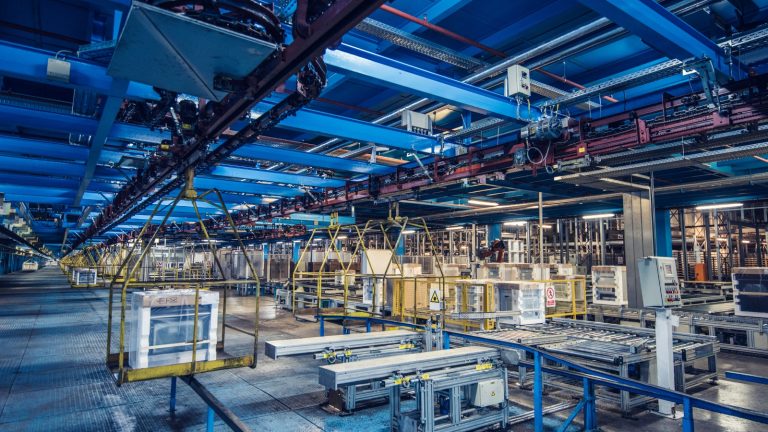
Manufacturing operations management is a process-driven system that optimises production processes within a manufacturing facility.
Key Takeaways
- In order to control manufacturing operations efficiently, it is necessary to combine MES with a strategy of manufacturing based on production, systems for real-time monitoring, and dynamic planning of one’s business.
- MES connects ERP planning to the operations of a manufacturing plant, enhancing manufacturing performance and effectiveness.
- Utilising Industry 4.0 manufacturing applications, such as digital twins and machine learning, improves production processes and predictive maintenance.
- Continuous data-informed decision-making and workflow automation are the keys to shop-floor operations management and long-term improvements in production output.
Defining Manufacturing Operations Management in the Digital Era
Manufacturing operations management (MOM) combines shop-floor operations management, real-time data, and production planning to enable effective, efficient workflows.
In the digital age, MOM links MES-based manufacturing strategy with workflow automation and data analytics to turn traditional factories into smart and agile production process environments.
The Critical Role of MOM in Production Excellence
Why do you need MOM? It optimises the production plan and operational efficiency between production processes, equipment utilisation, and resource allocation.
By incorporating manufacturing performance metrics, MOM delivers consistent quality, minimises downtime, and supports continuous improvement to help drive manufacturing beyond production output goals and scaled quality control throughout the factory floor.
How MOM Differs from Traditional Production Management
In contrast to conventional production management, MOM utilises real-time data, MES platforms, and production optimisation systems for real-time performance monitoring. It is a pivoting point from manual monitoring to digital transformation in the service of predictive analysis, workflow automation, and integration with enterprise resource planning.
All of them lead together to smarter, quicker, and more flexible shop floor operations management.
Why Is MES Central to Modern Manufacturing Operations?
You can see that, for the present-day factory, MES-based manufacturing strategy has become a necessity. It enables planning, execution, and real-time production monitoring that maximises efficiency.
Understanding Manufacturing Execution Systems and Their Scope
Shop floor management is a core functionality of Manufacturing Execution Systems (MES). This offers transparency into and synchronisation of all aspects of production scheduling and work orders, along with resource allocation.
Further, MES solutions enable users to maximise equipment utilisation while maintaining quality control and continuous improvement on the shop floor.
The Bridge Between ERP Planning and Shop Floor Execution
A MES platform integrates enterprise resource planning (ERP) to live shop floor activities, for real-time analysis of data, as well as workflow automation and production visibility. This bridge enables synchronised production optimisation systems in the first place.
Moreover, it enables improved inventory management and quicker decision-making throughout smart manufacturing processes.
Real-Time Visibility and Control Advantages of MES Platforms
Real-time production monitoring gives MES systems the capability to provide instant visibility into everything from production output and machine performance to overall equipment effectiveness (OEE). This way, manufacturers are empowered with a performance view and can minimise downtime.
They can easily develop predictive maintenance strategies, leading to great manufacturing performance metrics and data-driven continuous improvement.
What Are the Core Components of Effective Manufacturing Operations?
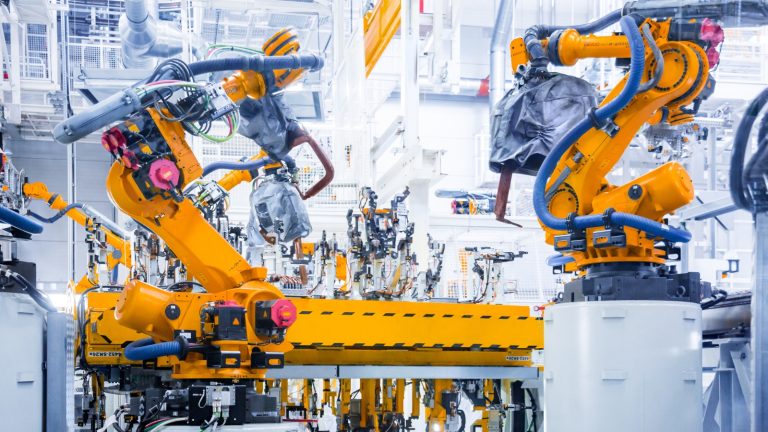
If you wonder what efficient manufacturing includes, it talks about coordinated production processes, quality control, and equipment utilisation, all leading to predictable results.
Production Planning and Scheduling Systems
Production planning and scheduling are part of the shop floor control system and must be integrated with work orders, resources, and inventory management. Leveraginga MES-driven manufacturing strategy, your manufacturing company can enhance production output.
It makes the most of workflow automation and helps to ensure efficiency in all plant floor operations.
Quality Management and Compliance Controls
QC and compliance management track manufacturing KPIs to minimise defects, increase product uniformity, and ensure the necessary specifications are maintained. Unified MES solutions capture real-time shop-floor data to drive continuous improvement, lean manufacturing, and compliance with industry regulations.
Everything is possible as it gathers in an intelligent, smart-manufacturing driven Industry 4.0 environment.
Maintenance Management and Equipment Optimisation
You can maximise equipment use by leading with predictive maintenance and seeing production in real time. This keeps your plant in action using digital transformation.
Plus, MES on the shop floor can support in-line production optimisation, extend machine life by automatically initiating alerts, scheduling maintenance, and tracking historical performance.
How MES Transforms Shop Floor Operations Management
Let’s discover how MES software transforms the way you manage shop floor operations, providing real-time analytics, production optimisation systems, and critical data intelligence for smarter manufacturing.
Real-Time Production Monitoring and Tracking Capabilities
Production monitoring in real time is possible by tracking production output, work orders, and equipment usage immediately. That way, your managers can monitor production in real time.
A defect-detection feature that can detect issues immediately works in concert with a manufacturing execution platform to reduce production issues and improve quality control, while maximising operational efficiency and maintaining a run rate.
Automated Data Collection From Machines and Sensors
MES combines the IoT-enabled smart factories and machine learning for automatic real-time data collection. The main benefit is that it minimises human error and facilitates workflow automation.
It also enhances manufacturing performance indicators that support production scheduling, resource management, and predictive maintenance via optimal production optimisation systems.
Digital Work Instructions and Paperless Manufacturing
Outdated paper-based procedures are replaced with digital work instructions, which guide operators on the factory floor. MES-based manufacturing strategy re-engineering provides standardised processes throughout the production cycle.
Not to mention that it improves production visibility and assures that quality control measures are being met, along with strengthening shop floor management operations. This simply increases overall operational excellence.
What Key Metrics Should You Track to Manage Manufacturing Operations?
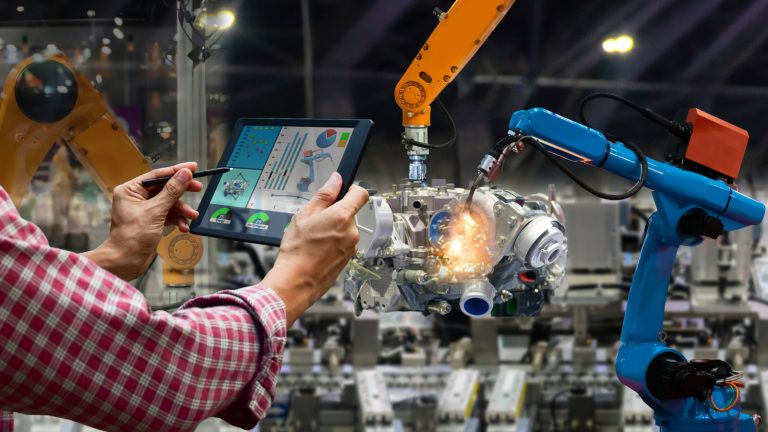
It is important for managers to track manufacturing performance metrics and KPIs in order to manage manufacturing operations and processes to achieve both quality production at minimal costs.
Overall Equipment Effectiveness (OEE) and Performance Indicators
Overall equipment effectiveness (OEE) covers equipment utilisation, downtime, and efficiency on the plant floor. Utilising MES for manufacturing strategy, managers move to real-time decision-making based on operational efficiency and the automation of workflow, as well as production optimisation systems.
This guarantees production output meets quality and throughput targets.
Production Yield, Quality Metrics, and Defect Rates
- Keeping an eye on step production yield and quality control metrics can pinpoint defects and inefficiencies in shop floor management operations.
- Manufacturers drive improved continuous improvement, resource allocation, and production planning that lead to better manufacturing performance metrics.
- This helps leverage real-time data from a manufacturing execution platform.
Cycle Time, Throughput, and Resource Utilisation Analytics
The examination of cycle time, throughput, and allocation of resources results in efficient scheduling of production and optimised utilisation of the equipment. MES platforms support predictive maintenance, process optimisation, and production management systems, with actionable performance monitors for lean and agile shop-floor operations control.
How to Develop a Comprehensive Manufacturing Operations Strategy
This robust offering combines MES-based manufacturing strategy, planning, and operations management on the shop floor to improve operational performance and production processes.
Assessing Current Production Workflows and Identifying Bottlenecks
Start by examining factory floor production processes, workflow automation, and resource assignment. This is where real-time data from MES solutions provides intelligence on bottlenecks, inefficiencies, and downtime, enabling more intelligent production optimisation systems.
The latter improves manufacturing performance metrics across all aspects of shop floor operations management.
Aligning Manufacturing Goals With Business Objectives
You need to validate that the production planning and efficiency goals are consistent with the larger business aims. When using a MES solution to synchronise inventory management, equipment utilisation, production yields, and traceability event tracking, manufacturers are better equipped to establish measurable KPIs.
Those KPIs allow them to monitor the performance of the MES layer and increase the value of a MES-based manufacturing strategy.
Creating a Roadmap for Digital Transformation and MES Adoption
Create an actionable digital transformation plan as the next step. This is when you need to include MES, real-time production monitoring, and workflow automation.
This roadmap focuses on the continuous improvement and production optimisation of a shop floor operation managements system, which will promote smart manufacturing and achieve high productivity measures for all shop floor processes.
What Are the Step-by-Step Implementation Best Practices

The efficient way to implement the MES-based manufacturing strategy requires effective planning, shop floor operations management, and production optimisation systems. You need them because they help you to operate efficiently and transform smoothly into a digital company.
Phase 1 - Define Objectives and Secure Stakeholder Buy-In
- Begin by establishing specific targets for the manufacturing operation, production processes, and equipment utilisation.
- Obtain management and site workforce buy-in to deploy MES solutions across the factory floor.
- Ensure successful adoption of MES capabilities for workflow automation, production planning, and improved KPIs for operational performance on the shop floor.
Phase 2 - Select the Right MES Platform and Integration Architecture
- You need to pick an MES platform that suits your shop floor operations management requirements.
- Check whether it smoothly integrates with ERP.
- Prove compatibility with IoT sensors, SCADA, and current production optimisation systems for in-time data, predictive maintenance, and efficiency KPIs.
Phase 3 - Pilot Deployment, Training, and Scaling Across Facilities
- Start with a pilot implementation in some production processes.
- Experiment using real-time monitoring of the productions to justify results.
- Deploy digital work instructions and workflow automation to the workforce.
- Replicate MES manufacturing processes and strategies across sites to streamline shop-floor operations management and increase production throughput.
How to Integrate MES With Existing Manufacturing Systems
Let us explain how a perfect MES fits in both enterprise resource planning and shop floor operations management, improving your production processes, providing real-time data, and manufacturing KPIs.
Connecting MES With ERP for Seamless Data Flow
Combining MES-based production strategy into ERP leads to automated process flow, real inventory control, and synchronised product schedule. Such a link allows for increased operational productivity and performance in the manufacturing KPI’s, while monitoring all operations on the shop floor in real-time.
SCADA, PLC, and IoT Sensor Integration Strategies
You need to integrate your MES platforms with SCADA, PLCs, and IoT-enabled smart factories to obtain real-time data from machines and sensors. That integration can allow for predictive maintenance services.
It helps you optimise your equipment usage and deliver insights back to production optimisation systems and shop floor operations.
Ensuring Data Accuracy and Real-Time Synchronisation
MES systems guarantee that the data between shop floor operations management, production processes, and enterprise resource planning is maintained in real-time. In such a context, it is possible to guarantee up-to-date monitoring of production and accuracy when generating reports.
What is more, quality data enhances manufacturing performance metrics, facilitates continuous improvement, and supports workflow automation in smart manufacturing.
How Industry 4.0 Technology Enhances Manufacturing Operations

In the section below, we will reveal how Industry 4.0 manufacturing solutions utilise a MES-driven, data-based manufacturing strategy, machine learning, and smart manufacturing applications to improve shop floor operations management and production process optimisation.
AI and Machine Learning for Predictive Analytics and Optimisation
AI-powered analytics and machine learning will supplement production optimisation systems to predict equipment failures and enhance the efficiency of operations. Leveraging live data from MES systems, manufacturers can minimise downtime.
On the other hand, you can maximise equipment utilisation and optimise production planning for a competitive advantage in overall manufacturing performance measures.
Digital Twin Technology for Virtual Production Modeling
Did you know that digital twin offerings can simulate the production line and the factory floor in a virtual world?
Integrating into MES environments, they maximise workflow automation, resource utilisation, and production scheduling to allow for proactive decisions. Plus, Digital Twin can control errors and provide superior real-time production monitoring within smart manufacturing operations.
IoT-Enabled Smart Factories and Connected Equipment
Smart factories with IoT capabilities deliver real-time data from connected machines, which helps in the management of shop floor operations and production visibility. Paired with MES-manufacturing patterns, IoT solutions enable optimal equipment utilisation.
At this point, this combination encourages predictive maintenance, enabling better production optimisation systems that produce enhanced manufacturing performance measures.
Challenges in Managing Manufacturing Operations
It is evident that controlling production in the modern time requires cutting block when turn back to navigate the shop floor operations, work flow automation and what is more optimal manufacturing performance metrics.
Data Silos and Legacy System Integration Difficulties
It is common that disconnected Enterprise Resource Planning, MES, and legacy systems result in data silos that restrict the ability to perform up-to-the-minute monitoring of production.
This is where workflow automation can be optimised by integrating MES-based manufacturing strategy, proper resource management, and accurate metrics of the manufacturing performance at the level of the factory floor are obtained.
Change Management and Workforce Adoption Resistance
It is common in the industry that the introduction of MES platforms and smart manufacturing tools could generate opposition from operators. What can you do in such a context?
Effective training, transparent communication, and gradual roll-out are crucial to get workers on board with these production control systems, shop floor operations management, and process automation tools. This will lead to successful digital transformation and improved manufacturing KPIs.
Balancing Customisation Needs With Standardisation Benefits
The next challenge for manufacturers is to reconcile MES platform personalisation with standard production methods. This way, equipment can be used more fully or more efficiently. If too much customisation is added to these systems, they may obstruct the way for continuous improvement and production scheduling and real time monitoring of production.
In contrast to this, standard systems support automatic workflow and improve performance measures.
How to Optimise Production Efficiency Through MES Analytics
Let’s explore how applying a MES-based manufacturing strategy and analytics enables the optimisation of production systems, the automation of workflows, and improved manufacturing performance benchmarks.
Leveraging Real-Time Dashboards for Actionable Insights
MES systems offer live production dashboards, allowing for informed decisions about manufacturing, equipment utilisation, and resource spend. These dashboards allow manufacturers to improve shop-floor management, optimise production planning, and maximise productivity on the factory floor.
Root Cause Analysis for Production Losses and Defects
MES platforms facilitate the implementation based on live data, where defects, downtime, and wastages are found across production. At this juncture, production optimisation and workflow automation systems aid in identifying root causes of performance losses.
Therefore, it is easy for your teams to deploy continuous improvement strategies and achieve better manufacturing performance metrics on the shop floor.
Continuous Improvement Cycles Using Data-Driven Decisions
MES-production strategy to drive continuous improvement through the analysis of manufacturing performance indicators and real-time production process data. From a production scheduling, predictive maintenance, and equipment utilisation perspective, insights support efficient shop-floor management and improved production output across smart manufacturing plants.
Let’s explore how applying a MES-based manufacturing strategy and analytics enables the optimisation of production systems, the automation of workflows, and improved manufacturing performance benchmarks.
Why Choose Cerexio MES for Manufacturing Operations Management
Cerexio MES is a robust Manufacturing Execution System driven by Industry 4.0 capabilities. This software solution digitises your shop-floor operations management, elevates performance metrics in manufacturing, and informs production optimisation systems with advanced digital means for the connected industry.
Comprehensive Industry 4.0-Powered MES Platform
Cerexio MES combines a MES manufacturing strategy, real-time production tracking, and workflow automation into a single manufacturing execution platform. This allows optimised process production, machine utilisation, and shopfloor operations management, resulting in measurable improvements to operational efficiency and manufacturing performance KPI’s.
AI-Driven Analytics, Predictive Maintenance, and Digital Twin Capabilities
With predictive machine learning based maintenance and digital twin capabilities, Cerexio MES is designed to forecast equipment failures, simulate production processes , and streamline resource management. These abilities complement production optimisation systems, as well as your production planning, and your real-time visibility into data on the factory floor.
Proven Success in Optimising Manufacturing Operations Globally
Cerexio MES has revolutionised shop-floor management for manufacturers around the globe. With MES manufacturing strategy, continuous improvement, and performance monitoring, this solution increases production output, minimises downtime, and raises manufacturing KPIs by supporting smart, lean manufacturing processes across global facilities.
Ready to Transform Your Manufacturing Operations?
Connect with Cerexio experts and evaluate your manufacturing processes and shop-floor operations management requirements. Obtain visibility and access into real-time production monitoring, equipment utilisation, and workflow automation to ensure that your MES-manufacturing strategy is driving tangible improvements in manufacturing performance metrics.
Call for a free demo.
Discover How MES Can Improve Production Efficiency by 50%
By integrating Cerexio MES, you can significantly improve your production optimisation and real-time visibility. You can experience a greater increase in operational efficiency and shop floor operations management for all factory floor activities, including downtime reduction, production planning optimisation, and increasing production output by as much as 50%.
Cerexio-Begin Your Journey Toward Smart, Data-Driven Manufacturing Excellence
FAQs About Manufacturing Operations
To manage manufacturing operations means planning, overseeing, and optimising all facets of the production life cycle. It ensures efficient resource use, high-quality output, and smooth workflows from raw materials to finished goods, often using systems such as MES and real-time data analytics for visibility.
Common challenges in how you manage manufacturing operations include handling data silos, integrating legacy systems with modern tools, workforce adoption resistance, and balancing customisation with standardisation to ensure consistent execution and measurable performance improvements.
Digital tools like MES, automation, and real-time monitoring help you manage manufacturing operations by providing actionable data, reducing manual errors, improving resource allocation, and enabling proactive decision-making, which boosts efficiency and quality across production.
Real-time data is crucial to managing manufacturing operations because it shows current performance, highlights bottlenecks, enables quicker adjustments, and supports predictive maintenance, helping manufacturers reduce downtime and improve overall productivity and product quality.
Key metrics include overall equipment effectiveness (OEE), cycle time, throughput, defect rates, and yield. Tracking these helps you measure efficiency, identify issues in production workflows, and guide improvements for smoother, more profitable manufacturing.