
What we frequently witness is that modern manufacturers face growing pressure to produce stronger, lighter, and more durable products while maintaining efficiency and quality. As industries increasingly rely on advanced materials and precision-engineered components, traditional coating and material enhancement methods are often unable to meet evolving performance requirements. This challenge has driven the adoption of innovative surface engineering solutions capable of delivering superior results.
Among these innovations, ‘Chemical Vapour Deposition’ has emerged as one of the most transformative technologies in industrial production. From semiconductor fabrication and aerospace components to medical devices and industrial tooling, Chemical Vapour Deposition technology continues to revolutionise modern manufacturing through enhanced durability, performance, and production efficiency.
In this article, we explore what makes this technology a game-changer in manufacturing.
We will look into
- What Is Chemical Vapour Deposition (CVD)?
- Why Chemical Vapour Deposition Is Critical in Modern Manufacturing
- How Chemical Vapour Deposition Works Step by Step
- Types of Chemical Vapour Deposition
- Key Advantages That Make Chemical Vapour Deposition a Game-Changer in Manufacturing
- Materials Commonly Produced Using Chemical Vapour Deposition
- Industrial Applications of Chemical Vapour Deposition
- Chemical Vapour Deposition vs Physical Vapour Deposition (PVD)
- Challenges and Limitations of Chemical Vapour Deposition
- Emerging Innovations in Chemical Vapour Deposition Technology
- The Future of Chemical Vapour Deposition in Smart Manufacturing
- FAQs About Chemical Vapour Deposition
What Is Chemical Vapour Deposition (CVD)?
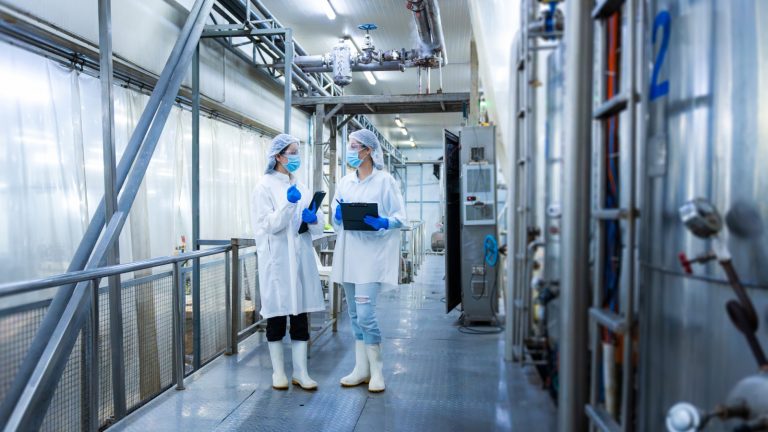
Chemical Vapour Deposition is a process that creates thin solid films on substrates by triggering chemical reactions of gaseous precursors in a controlled environment.
Key Takeaways
- Chemical Vapour Deposition enables highly precise and durable thin-film coatings for modern manufacturing.
- CVD improves product performance through superior wear, corrosion, and heat resistance.
- Industries such as aerospace, electronics, and semiconductors rely heavily on CVD technology.
- Advanced CVD systems support smart manufacturing through AI, automation, and real-time process control.
Definition of Chemical Vapour Deposition
The latter is an advanced manufacturing technique used to create high-quality solid materials and coatings through controlled chemical reactions occurring in a vapour environment.
During the chemical vapour deposition process, gaseous precursors react or decompose on a substrate surface, resulting in the formation of a thin solid layer. This method is widely recognised for producing highly uniform coatings and complex material structures.
This makes it a critical component of modern thin-film manufacturing and advanced materials manufacturing operations.
How the CVD Process Works
The chemical vapour deposition process begins when carefully selected reactive gases are introduced into a controlled deposition chamber.
As these gases interact with a heated substrate, a series of chemical reactions occurs, causing desired materials to deposit onto the surface. Through continuous film growth and controlled layer formation, manufacturers can achieve exceptional coating precision.
This film deposition process enables the production of advanced materials with superior mechanical, thermal, and chemical properties required in high-performance industrial applications.
Key Components of a CVD System
Effective chemical vapour deposition systems consist of several essential components that work together to ensure consistent results. These typically include gas delivery systems, reaction chambers, heating units, vacuum controls, and monitoring equipment.
In this context, proper substrate preparation is equally important, as it directly impacts adhesion and coating quality.
When they carefully manage temperature, pressure, gas flow rates, and reaction conditions, manufacturers can achieve excellent coating uniformity and produce reliable high-performance coatings across a wide range of applications.
Why Chemical Vapour Deposition Is Critical in Modern Manufacturing
Chemical vapour deposition is critical in modern manufacturing because it enables the production of highly durable, precise, and high-performance materials for advanced industrial applications.
Rising Demand for High-Performance Materials
You know that manufacturers today are expected to develop products capable of operating under increasingly demanding conditions.
Industries such as aerospace, automotive, electronics, and energy require materials that can withstand extreme temperatures, corrosive environments, and mechanical stress.
However, the good thing is that this process supports these demands by producing advanced coatings and engineered materials that significantly improve component performance. This capability has positioned industrial chemical vapour deposition as a vital technology for organisations seeking long-term reliability and competitive advantage.
The Need for Precision Surface Engineering
As products become more sophisticated, manufacturers require greater control over material properties at the microscopic levels.
This is where traditional coating methods often struggle to achieve the precision necessary for modern industrial requirements. Through highly controlled surface modification and material engineering processes, chemical vapour deposition coating technologies enable manufacturers to create surfaces with enhanced hardness, conductivity, wear resistance, and corrosion protection.
As you can see, these capabilities make CVD an essential solution within today’s evolving landscape of surface engineering technologies.
Supporting Advanced Manufacturing Technologies
The rise of smart factories, automation, and Industry 4.0 initiatives has increased demand for manufacturing technologies capable of supporting precision and scalability. CVD manufacturing integrates seamlessly with modern production systems by enabling repeatable and highly controlled coating processes.
As manufacturers pursue greater operational efficiency, chemical vapour deposition technology provides a reliable foundation for producing advanced materials used in next-generation products, semiconductors, and specialised industrial equipment.
How Chemical Vapour Deposition Works Step by Step
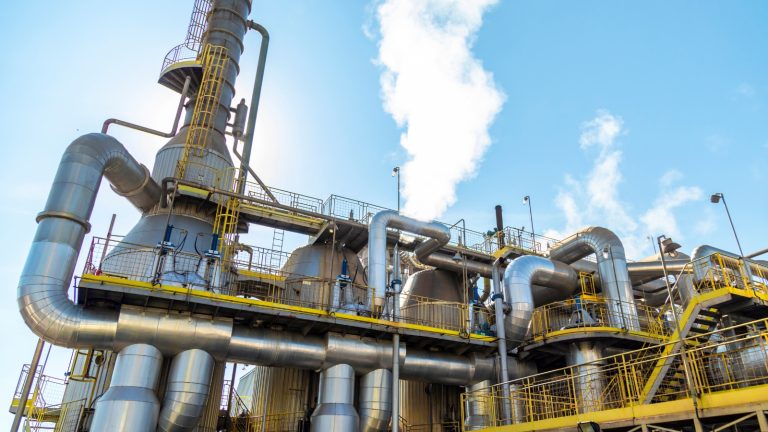
Chemical Vapour Deposition works by introducing reactive gases into a heated chamber where they undergo chemical reactions that form thin, uniform material layers on a substrate.
1. Introduction of Reactive Gases
The first stage of the chemical vapour deposition process involves introducing carefully selected reactive gases into a controlled environment. These gases contain the chemical elements required to create the desired coating or material.
In this context, precise gas flow control is essential because even minor variations can affect deposition quality.
Within the deposition chamber, these gases are distributed evenly across the substrate to ensure consistent reaction conditions and reliable coating formation throughout the process.
2. Chemical Reactions at the Substrate Surface
Once the gases reach the substrate, elevated temperatures trigger complex chemical reactions that convert gaseous molecules into solid materials.
These reactions are fundamental to vapour phase deposition and determine the characteristics of the final coating. As by-products are removed from the chamber, the desired material begins forming on the substrate surface.
This controlled reaction environment allows manufacturers to create advanced coatings with exceptional purity, consistency, and structural integrity.
3. Thin Film Formation and Growth
As the deposition process continues, atoms and molecules accumulate on the substrate surface, resulting in continuous film growth and layer formation. This stage is critical in achieving the desired thickness and performance characteristics of the coating.
Through careful process control, manufacturers can produce highly precise thin film coating structures that meet strict industrial requirements.
Such capabilities have made thin film deposition one of the most important techniques in modern electronics, tooling, and aerospace production.
4. Post-Deposition Processing and Quality Control
After deposition is complete, manufacturers often perform inspection and finishing procedures to verify coating quality.
Advanced testing methods assess thickness, adhesion, composition, and surface characteristics. These quality assurance activities help maintain consistency across production batches while supporting precision manufacturing objectives.
Moreover, effective post-processing ensures that chemical vapour deposition materials meet performance expectations and remain suitable for demanding industrial applications requiring long-term durability and reliability.
Types of Chemical Vapour Deposition
Chemical vapour deposition includes several types, such as APCVD, LPCVD, PECVD, and MOCVD, each designed for specific industrial and material requirements.
- Atmospheric Pressure Chemical Vapour Deposition (APCVD)
Atmospheric Pressure chemical vapour deposition is one of the most widely used forms of chemical vapour deposition technology, operating at or near atmospheric pressure. This method allows continuous material processing without requiring complex vacuum systems, making it suitable for large-scale CVD manufacturing.
In APCVD, reactive gases interact on heated substrates to form uniform coatings through a controlled film deposition process. This supports applications in glass coating, optics, and industrial surface coating technology where cost-efficiency is critical.
- Low-Pressure Chemical Vapour Deposition (LPCVD)
Low-Pressure chemical vapour deposition reduces chamber pressure to improve coating uniformity and enhance reaction control.
By lowering pressure, unwanted gas-phase reactions are minimised, allowing more precise layer formation and superior thin film deposition quality. This technique is widely used in semiconductor production and microelectronics, where precision is critical.
LPCVD plays a key role in advanced chemical vapour deposition systems, enabling high-quality thin film manufacturing with consistent material properties across large wafer surfaces.
- Plasma-Enhanced Chemical Vapour Deposition (PECVD)
Plasma-Enhanced chemical vapour deposition uses plasma energy to accelerate chemical reactions at lower temperatures.
This makes it ideal for heat-sensitive materials and complex components used in electronics and optics. PECVD enhances surface modification capabilities by improving reaction efficiency and deposition speed.
It is widely applied in semiconductor deposition processes. The latter enables manufacturers to produce advanced coatings with improved electrical and mechanical performance while maintaining compatibility with delicate substrates in modern advanced coating technologies.
- Metal-Organic Chemical Vapour Deposition (MOCVD)
Metal-Organic chemical vapour deposition is a specialised form of CVD used primarily for producing compound semiconductors. It plays a critical role in LED production, solar cells, and optoelectronic devices.
MOCVD enables precise control over material synthesis, ensuring high-quality crystalline structures and uniform composition. Through controlled chemical reactions in the deposition chamber, manufacturers can produce high-performance semiconductor layers that are essential in next-generation electronic devices and renewable energy technologies.
- Ultrahigh Vacuum Chemical Vapour Deposition (UHVCVD)
Ultrahigh Vacuum chemical vapour deposition operates under extremely low pressure conditions, allowing exceptional purity and precision in material deposition. This advanced form of vapour phase deposition is used in research and highly specialised manufacturing environments.
UHVCVD ensures minimal contamination and superior control over film growth, making it ideal for producing ultra-thin coatings in nanotechnology and advanced electronics.
It represents the highest level of precision within modern chemical vapour deposition systems.
Key Advantages That Make Chemical Vapour Deposition a Game-Changer in Manufacturing

Chemical vapour deposition offers superior coating uniformity, durability, and precision, making it one of the most advanced surface engineering technologies in manufacturing.
Exceptional Coating Uniformity
One of the most significant benefits of chemical vapour deposition coating is its ability to deliver exceptional coating uniformity across complex geometries.
Unlike traditional coating methods, CVD ensures even distribution of materials through controlled reactive gases and precise film deposition process conditions. This uniformity enhances product reliability, especially in high-performance industries where consistency is critical.
It also improves precision coating processes, making it indispensable in modern advanced materials manufacturing environments.
Superior Wear and Corrosion Resistance
Chemical vapour deposition materials offer outstanding resistance to wear and corrosion, significantly extending component lifespan.
Through advanced surface modification techniques, CVD creates protective layers that shield substrates from harsh environments, high temperatures, and chemical exposure.
These protective coatings and wear-resistant coatings are widely used in aerospace, automotive, and industrial tooling applications.
This ability to enhance durability is a key reason why CVD is considered a breakthrough in surface engineering technologies.
High-Purity Material Deposition
The controlled environment of chemical vapour deposition systems enables the production of extremely pure materials with minimal contamination. By carefully managing chemical reactions within the deposition chamber, manufacturers can achieve high-quality coatings essential for the semiconductor and electronics industries.
This purity is crucial in semiconductor deposition processes, where even minor impurities can affect performance. As a result, CVD is widely used in thin-film manufacturing, which requires strict quality standards and reliable material consistency.
Enhanced Product Lifespan
Products coated using CVD manufacturing processes often exhibit significantly improved operational lifespans due to enhanced resistance to mechanical and environmental stress. The strong adhesion and controlled layer formation ensure that coatings remain stable under extreme conditions.
This durability reduces maintenance requirements and operational downtime, making chemical vapour deposition technology a cost-effective solution for industries seeking long-term performance improvements in critical industrial components.
Scalability for Mass Production
One of the strongest advantages of industrial chemical vapour deposition is its scalability for large-scale production.
Modern CVD systems are designed to handle high volumes without compromising quality or precision. This makes it suitable for industries requiring mass production of advanced materials, including electronics and the automotive sectors.
The ability to maintain consistent coating uniformity at scale enhances manufacturing efficiency and supports global demand for high-performance products.
Compatibility with Complex Geometries
Unlike many traditional coating methods, this process can effectively coat components with complex shapes and internal structures. This is due to the gas-phase nature of vapour phase deposition, which allows materials to reach even difficult-to-access areas.
This capability makes CVD ideal for precision-engineered parts used in aerospace, medical devices, and industrial machinery, where complex geometries are common, and performance reliability is essential.
Materials Commonly Produced Using Chemical Vapour Deposition
Chemical vapour deposition is used to produce advanced materials such as carbides, nitrides, oxides, and semiconductors that support high-performance industrial applications.
Carbides, Nitrides, and Oxides
Chemical vapour deposition materials include a wide range of advanced compounds such as carbides, nitrides, and oxides.
These materials are known for their exceptional hardness, thermal stability, and chemical resistance. Through controlled material synthesis, manufacturers can create coatings that enhance durability and performance in extreme conditions.
These compounds are widely used in cutting tools, industrial machinery, and high-temperature applications requiring reliable high-performance coatings.
Diamond and Diamond-Like Carbon Coatings
CVD is widely used to produce synthetic diamond and diamond-like carbon (DLC) coatings, which offer outstanding hardness and low friction properties. These advanced coating technologies are essential in applications requiring extreme wear resistance and precision performance.
The ability to deposit such materials via thin-film deposition techniques makes CVD a valuable solution for medical tools, precision engineering, and high-performance industrial equipment.
Semiconductor Materials
In electronics manufacturing, chemical vapour deposition applications include the production of semiconductor materials such as silicon carbide and gallium nitride. These materials are essential in microchips, power electronics, and LED technology.
Through precise semiconductor deposition processes, manufacturers achieve high-quality crystalline structures required for efficient electronic performance. This makes CVD a cornerstone technology in modern semiconductor fabrication industries.
Industrial Applications of Chemical Vapour Deposition
Chemical Vapour Deposition is widely used in aerospace, automotive, electronics, medical, and energy industries to enhance performance, durability, and efficiency.
- Aerospace and Automotive Manufacturing
In the aerospace and automotive industries, chemical vapour deposition coating is used to improve component durability, heat resistance, and mechanical strength. Engine parts, turbine blades, and braking systems benefit from wear-resistant coatings that enhance performance under extreme conditions.
These applications demonstrate how CVD manufacturing supports critical safety and efficiency requirements in high-performance transportation systems.
- Semiconductor and Electronics Production
The electronics industry relies heavily on thin film deposition techniques enabled by chemical vapour deposition systems. From microprocessors to memory chips, CVD ensures precise control over material properties and layer structures.
This level of precision is essential for maintaining performance in modern devices, making CVD a fundamental technology in advanced materials manufacturing and semiconductor innovation.
- Medical and Renewable Energy Applications
This technology is also used in medical device manufacturing and renewable energy systems. Surgical instruments benefit from biocompatible coatings, while solar panels rely on semiconductor layers produced through CVD processes.
These applications highlight the versatility of the CVD process in manufacturing, supporting both healthcare innovation and sustainable energy development.
Chemical Vapour Deposition vs Physical Vapour Deposition (PVD)
Chemical vapour deposition differs from PVD by using chemical reactions instead of physical processes, resulting in stronger adhesion and better coating uniformity.
Process and Performance Differences
Chemical vapour deposition relies on chemical reactions in a gaseous environment, while Physical Vapour Deposition (PVD) uses physical processes such as evaporation or sputtering.
CVD generally provides superior coating uniformity and better adhesion due to strong chemical reactions at the substrate surface.
This makes it more suitable for complex geometries and high-performance industrial applications requiring durable and consistent coatings.
Cost and Industrial Considerations
While CVD offers superior performance, it often requires more complex systems and higher operational temperatures compared to PVD. However, its ability to produce high-quality protective coatings and long-lasting materials makes it more cost-effective in long-term industrial use.
Manufacturers choose between CVD and PVD based on application requirements, material compatibility, and desired performance outcomes.
Challenges and Limitations of Chemical Vapour Deposition
Chemical vapour deposition faces challenges such as high costs, process complexity, and temperature constraints, which limit its use in certain manufacturing environments.
High Equipment and Operational Costs
Despite its advantages, the latter involves significant capital investment due to the complexity of its systems. The need for controlled environments such as advanced deposition chambers, gas delivery infrastructure, and temperature regulation systems increases setup costs.
Additionally, maintaining stable CVD manufacturing conditions requires continuous monitoring and skilled operation, making it more expensive compared to simpler surface coating technology methods, especially for small-scale manufacturers.
Process Complexity and Control Requirements
The CVD process requires precise control over multiple variables, including temperature, pressure, and reactive gases composition. Even minor inconsistencies in chemical reactions can affect film growth and layer formation, leading to defects in thin film deposition.
This complexity demands advanced process engineering and strict quality control systems, making CVD more challenging to implement without proper technical expertise in precision manufacturing environments.
Temperature and Material Limitations
Certain materials require high processing temperatures, which may not be suitable for heat-sensitive substrates. While advanced methods like PECVD reduce temperature requirements, traditional CVD still faces limitations when working with delicate components.
This restricts its use in some manufacturing surface treatments, particularly where thermal stress could impact material integrity or performance in advanced materials manufacturing applications.
Emerging Innovations in Chemical Vapour Deposition Technology
Chemical Vapour Deposition is evolving through AI optimisation, nanotechnology, and sustainable systems that improve efficiency, precision, and environmental performance.
AI-Driven Process Optimisation
Modern advancements in this technology increasingly incorporate artificial intelligence to optimise process parameters.
AI algorithms analyse variables such as gas flow, temperature, and deposition rates to enhance coating uniformity and reduce defects.
This integration improves the CVD process in manufacturing by enabling real-time predictive adjustments, reducing waste and improving efficiency in high-precision thin-film manufacturing environments.
Nanotechnology and Advanced Coatings
Nanotechnology is significantly expanding the capabilities of chemical vapour deposition applications, enabling the creation of ultra-thin and highly specialised coatings. These innovations enhance surface modification techniques at the atomic level, improving hardness, conductivity, and resistance properties.
Such developments are transforming advanced coating technologies, making CVD essential in producing next-generation materials used in electronics, aerospace, and biomedical industries.
Sustainable and Low-Emission CVD Systems
Environmental concerns are driving innovation in greener chemical vapour deposition systems. New designs focus on reducing emissions from reactive gases and improving energy efficiency during the film deposition process.
These sustainable approaches help manufacturers align with global environmental standards while maintaining high-performance output. As a result, industrial chemical vapour deposition is evolving into a more eco-friendly and energy-efficient manufacturing solution.
The Future of Chemical Vapour Deposition in Smart Manufacturing
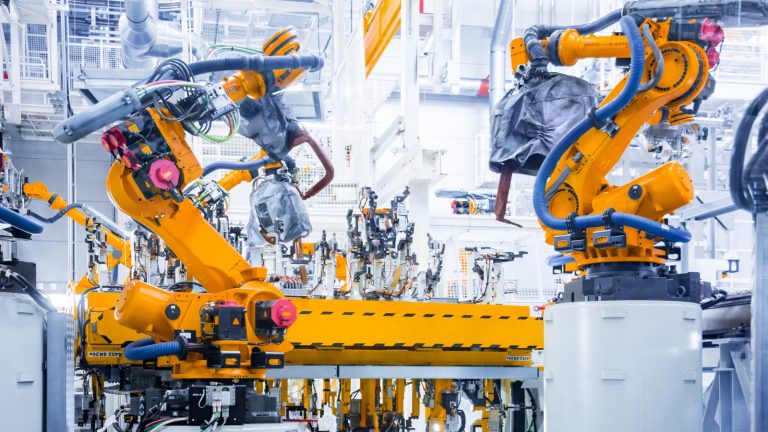
The future of Chemical Vapour Deposition lies in its integration with Industry 4.0 technologies, enabling smarter, more efficient, and highly automated manufacturing systems.
Integration with Industry 4.0 Technologies
The future of the latter is closely tied to Industry 4.0 and smart factory ecosystems. Integration with IoT sensors, real-time analytics, and automated control systems allows manufacturers to monitor the CVD process conditions continuously.
This enhances efficiency, reduces downtime, and improves precision coating processes, making CVD a core component of digitally driven advanced materials manufacturing environments.
Expanding Role in High-Tech Industries
Demand for CVD coating solutions is expected to grow across the semiconductor, aerospace, and renewable energy sectors.
As devices become smaller and more powerful, the need for precise thin-film coating and advanced material deposition techniques will increase.
Chemical vapour deposition materials will continue to play a critical role in enabling innovation in microelectronics, energy storage, and high-performance industrial systems.
Evolution of Smart Materials and Manufacturing
Future advancements in chemical vapour deposition technology will focus on intelligent materials capable of adapting to environmental conditions. Through enhanced material synthesis and nanoscale engineering, manufacturers will develop coatings with dynamic properties.
This evolution will strengthen the role of CVD in surface engineering technologies, supporting smarter, more efficient, and highly durable industrial products.
How Cerexio MES Enhances Chemical Vapour Deposition Process Control with AI-Driven Intelligence
Cerexio MES is a robust Manufacturing Execution System in Singapore that strengthens the Chemical Vapour Deposition process by using AI-driven monitoring and predictive analytics to maintain optimal production conditions in real time.
Through continuous tracking of variables such as temperature, gas flow, and deposition rates, the Cerexio system ensures higher coating uniformity, reduced defects, and improved thin film deposition quality. This level of intelligent control helps your manufacturing company achieve stable, repeatable CVD manufacturing outcomes while minimising material waste and operational inconsistencies.
Automation-Driven Precision in Chemical Vapour Deposition Systems with Cerexio MES
With advanced automation capabilities, Cerexio MES streamlines every stage of Chemical Vapour Deposition technology, from substrate preparation to final quality inspection. Automated workflows regulate reactive gases, control deposition chamber conditions, and synchronise production steps to ensure consistent film growth and layer formation.
This reduces human error, improves precision manufacturing, and enhances efficiency across the entire CVD process in manufacturing, making high-performance coatings more reliable and scalable for industrial applications.
Call for a free demo.
Cerexio- Your Digital Companion In Manufacturing
The Lasting Impact of Chemical Vapour Deposition on Modern Manufacturing Excellence
Chemical Vapour Deposition has become one of the most transformative technologies in modern manufacturing due to its ability to produce highly durable, precise, and high-performance coatings. Through advanced chemical vapour deposition process control, manufacturers can achieve superior surface modification, enhanced material properties, and improved product longevity across a wide range of industries.
As demand for advanced materials manufacturing continues to grow, CVD will remain central to innovation in aerospace, electronics, automotive, and renewable energy sectors. Its integration with AI, nanotechnology, and Industry 4.0 further strengthens its position as a foundational surface engineering technology shaping the future of global manufacturing.
FAQs About Chemical Vapour Deposition
Chemical Vapour Deposition typically operates between 200°C and 1100°C, depending on the method used, such as PECVD or LPCVD. Higher temperatures improve film density and purity, while lower-temperature variants support heat-sensitive substrates in advanced manufacturing applications.
Precise gas flow control directly impacts Chemical Vapour Deposition coating quality by regulating reactive gas concentration, reaction rate, and film growth uniformity. Poor control can lead to defects, inconsistent layer formation, and reduced performance in high-precision manufacturing environments.
Substrate preparation is critical in Chemical Vapour Deposition as it ensures proper adhesion, surface cleanliness, and uniform nucleation. Any contamination or irregularity can disrupt film growth, reducing coating performance and compromising durability in industrial applications.
Coating thickness in Chemical Vapour Deposition systems is controlled by adjusting deposition time, temperature, pressure, and gas concentration. Real-time monitoring ensures precise layer formation, enabling manufacturers to achieve consistent thin film specifications for advanced engineering applications.
Vacuum control in Chemical Vapour Deposition ensures stable reaction environments by removing unwanted particles and controlling pressure levels. This improves chemical reaction stability, enhances coating uniformity, and prevents contamination during thin film deposition in high-performance manufacturing systems.