
According to reports, there were 7.5 million factories worldwide by the end of 2025. Do you wonder how many of them are profitable? The truth is that, for most manufacturers, controlling manufacturing overhead is essential for maintaining profitability and competitive pricing. These indirect expenses often represent a large share of total production costs, yet they are frequently overlooked when companies focus primarily on raw materials and direct labour. Understanding how manufacturing overhead costs influence operational efficiency allows businesses to identify opportunities for cost reduction and improved financial performance.
From utilities and maintenance to facility rent and equipment depreciation, factory overhead includes numerous expenses that support production but are not directly tied to individual products. Managing these costs effectively helps manufacturers improve budgeting accuracy, optimise production operations, and maintain healthy margins.
This article explains the manufacturing overhead definition, how to calculate and allocate it, and the top strategies manufacturers can use to reduce production overhead and improve operational efficiency.
We will explore
- What Is Manufacturing Overhead?
- Types of Manufacturing Overhead Costs
- How to Calculate Manufacturing Overhead
- Overhead Allocation Methods in Manufacturing
- Why Reducing Manufacturing Overhead Matters
- Top Strategies to Reduce Manufacturing Overhead
- Monitoring and Controlling Manufacturing Overhead
- The Future of Manufacturing Cost Optimisation
- FAQs About Manufacturing Overhead
What Is Manufacturing Overhead?

The manufacturing overhead definition refers to all indirect costs involved in running a production facility that cannot be directly traced to the manufacturing of a specific product. These expenses support the production environment but are not directly associated with the transformation of raw materials into finished goods.
In cost accounting in manufacturing, production costs are usually divided into three categories:
- Direct materials
- Direct labour
- Manufacturing overhead
While direct costs are easy to track per product, indirect manufacturing costs must be allocated across production activities.
Key Takeaways
- Manufacturing overhead includes all indirect costs necessary for production, such as utilities, depreciation, and indirect labour.
- Accurate calculation and allocation of overhead is essential for determining true production costs and improving budgeting.
- Strategies such as energy efficiency, predictive maintenance, lean manufacturing, and automation help reduce overhead costs.
- Monitoring factory operations, optimising workflows, and controlling indirect costs are crucial for maintaining profitability and operational efficiency.
Examples of Manufacturing Overhead
Common manufacturing overhead cost examples include:
- Indirect labour, such as supervisors and maintenance staff
- Indirect materials like lubricants and cleaning supplies
- Utilities cost in manufacturing, such as electricity and water
- Equipment depreciation
- Factory rent and facility expenses
- Insurance costs manufacturing
- Property taxes manufacturing
- Maintenance costs manufacturing
- Regulatory compliance costs
These costs collectively form the factory overhead required to maintain operations.
Manufacturing Overhead vs Direct Costs
Understanding manufacturing overhead vs direct costs is critical for accurate financial reporting.
Direct costs include materials and labour that directly contribute to product creation. Overhead costs, on the other hand, support production activities but cannot be assigned to individual units.
For example:
Direct cost: Steel used to manufacture machinery
Overhead cost: Electricity used to power the machines
As you can see, both contribute to the overall manufacturing cost structure, but only direct costs can be traced to individual products.
Types of Manufacturing Overhead Costs
Manufacturing overhead is typically categorised into three major groups based on cost behaviour.
Fixed Manufacturing Costs
Fixed manufacturing costs remain constant regardless of production output. These expenses must be paid whether a factory operates at full capacity or produces fewer units.
Examples include:
- Factory rent
- Property taxes
- Equipment depreciation
- Insurance premiums
Because these costs remain stable, they are easier to forecast during manufacturing budgeting.
Variable Manufacturing Costs
Variable manufacturing costs change depending on production volume. As manufacturing output increases, these costs rise accordingly.
Examples include:
- Utilities cost in manufacturing
- Maintenance materials
- Indirect materials used during production
Monitoring these expenses helps businesses improve production cost management.
Semi-Variable Manufacturing Costs
Semi-variable costs combine fixed and variable elements. These costs include a base expense plus additional costs that increase with usage.
A common example is maintenance costs manufacturing, which may involve scheduled inspections plus additional repairs when equipment usage increases.
Understanding these cost behaviors helps manufacturers manage their production cost components more effectively.
How to Calculate Manufacturing Overhead

Manufacturers must calculate overhead accurately to determine the real cost of producing goods and ensure correct pricing.
Manufacturing Overhead Formula Explained
The manufacturing overhead formula is straightforward:
Total Manufacturing Overhead = Sum of all indirect manufacturing expenses
This includes utilities, depreciation, indirect labour, maintenance costs, insurance, and other indirect expenses.
Manufacturing Overhead Calculation Step-by-Step
A typical manufacturing overhead calculation involves several steps:
- Identify all indirect manufacturing expenses
- Select a cost driver in manufacturing
- Allocate overhead costs across production
Common cost drivers include machine hours, labour hours, or production units.
Manufacturing Overhead Rate and Cost Per Unit
To allocate overhead efficiently, companies calculate the manufacturing overhead rate.
Manufacturing Overhead Rate = Total Overhead Costs ÷ Cost Driver
For example, if overhead expenses total $100,000 and machines run for 10,000 hours, the overhead rate is $10 per machine hour.
Manufacturers often establish a predetermined overhead rate at the beginning of an accounting period to estimate how much overhead should be allocated to each product. This rate is calculated using expected overhead expenses and projected production activity, such as machine hours or labour hours.
Using a predetermined rate helps companies estimate production costs more accurately and maintain consistent pricing before the actual overhead costs are fully known.
This approach allows businesses to determine manufacturing overhead per unit, which is essential for accurate pricing and profitability analysis.
Overhead Allocation Methods in Manufacturing

Proper manufacturing overhead allocation ensures each product carries a fair share of indirect costs.
Labour Hours Cost Allocation
In labour-intensive industries, overhead is often distributed using labour hours cost allocation. Products requiring more labour hours absorb a larger portion of overhead costs.
Machine Hours Cost Allocation
Highly automated factories often use machine hours cost allocation because machines drive production costs more than human labour.
Activity-Based Costing (ABC)
Activity-based costing (ABC) allocates overhead based on specific activities involved in production. This approach provides more accurate overhead cost distribution, particularly in complex manufacturing environments.
Why Reducing Manufacturing Overhead Matters
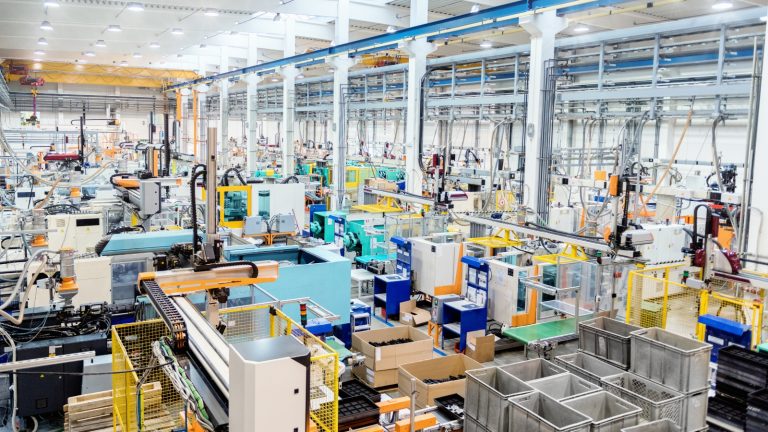
High overhead expenses increase manufacturing operations’ cost, which can reduce profit margins if product prices remain unchanged.
Efficient overhead management helps companies:
- Reduce factory operating expenses
- Improve production cost management
- Maintain competitive product pricing
- Strengthen manufacturing financial management
Since manufacturing overhead is included in COGS, controlling these costs directly impacts profitability.
Top Strategies to Reduce Manufacturing Overhead

Reducing overhead requires a combination of operational improvements and technology adoption. Manufacturers that carefully analyse their processes can identify areas where indirect costs accumulate and implement targeted solutions to control them.
From energy optimisation and predictive maintenance to workforce efficiency and automation, strategic improvements can significantly lower production overhead. The following strategies help companies strengthen overhead cost control while improving operational efficiency and long-term manufacturing performance.
Improve Energy Efficiency in Manufacturing
Utilities represent a significant portion of production overhead, especially in energy-intensive factories that operate heavy machinery.
Implementing energy efficiency in manufacturing can reduce electricity consumption through energy-efficient lighting, smart power monitoring systems, and modern machinery. Manufacturers can also install energy management systems that track consumption patterns and identify inefficiencies.
By optimising equipment usage, improving insulation, and upgrading to energy-efficient motors, factories can lower utilities cost in manufacturing while maintaining stable production performance.
Implement Predictive Maintenance
Unexpected equipment failures can dramatically increase maintenance costs manufacturing, often causing unplanned downtime and production delays. By implementing predictive maintenance manufacturing techniques such as sensor monitoring, thermal imaging, and vibration analysis, companies can detect potential problems before machinery fails.
This proactive approach allows maintenance teams to schedule repairs at the most convenient time. Predictive maintenance also extends equipment lifespan, improves reliability, and reduces emergency repairs that significantly contribute to manufacturing overhead costs.
Optimise Indirect Labour
Managing indirect labour more effectively helps reduce overhead expenses while ensuring production support functions operate efficiently. Supervisors, maintenance staff, and quality control teams play essential roles in manufacturing operations, but inefficient scheduling or redundant roles can increase costs.
Workforce scheduling software, performance monitoring tools, and automation technologies can streamline administrative tasks and support activities.
By improving workforce planning and training employees to perform multiple support roles, manufacturers can reduce unnecessary labour costs without sacrificing operational productivity.
Adopt Lean Manufacturing Practices
Lean manufacturing cost reduction focuses on eliminating waste and improving workflow efficiency across production operations.
Lean principles encourage manufacturers to analyse processes, identify bottlenecks, and remove activities that do not add value to the final product. Techniques such as continuous improvement, just-in-time production, and standardised work procedures reduce idle time, excess inventory, and unnecessary movement. By applying lean methods consistently, factories can reduce manufacturing overhead costs while improving productivity and maintaining high product quality.
Automate Repetitive Processes
Automation technologies help reduce reliance on manual processes and minimise human errors that can increase operational costs. As the latter automates repetitive tasks such as material handling, inspection, and packaging, manufacturers improve production consistency and efficiency.
On the other hand, robotic systems, automated guided vehicles, and digital workflow tools reduce labour requirements while increasing output reliability.
As a result, factories can lower factory operating expenses, reduce production delays, and improve overall operational performance while keeping manufacturing overhead under control.
Optimise Factory Layout
An efficient factory layout significantly improves material flow and reduces transportation time between workstations.
This means that poorly designed production environments often create bottlenecks, unnecessary movement, and inefficient use of space, all of which increase manufacturing operations’ cost. Since it is possible to reorganise equipment placement and improve workflow paths, manufacturers can reduce travel distances for workers and materials.
A well-planned facility layout also improves safety, increases productivity, and lowers operational inefficiencies that contribute to rising production overhead.
Monitoring and Controlling Manufacturing Overhead

Reducing overhead is not a one-time activity. Continuous monitoring ensures long-term financial stability.
- Overhead Budget Planning
An overhead budget estimates indirect manufacturing costs for a specific period. An effective manufacturing overhead budget allows companies to forecast indirect production costs such as utilities, equipment maintenance, insurance, and facility rent. This budget forms an important part of overall manufacturing financial planning.
- Overhead Variance Analysis
Overhead variance analysis compares planned expenses with actual costs. One key metric used during analysis is overhead cost variance, which measures the difference between the expected overhead costs and the actual expenses incurred during production.
Monitoring these variances helps manufacturers identify inefficiencies and improve cost control strategies.
- Real-Time Cost Monitoring
Digital manufacturing platforms and ERP systems provide real-time insights into factory operating expenses, enabling faster decision-making and improved cost management.
The Future of Manufacturing Cost Optimisation
You can see that advanced technologies are transforming the way manufacturers manage overhead expenses. Smart factories now rely on automation, AI-powered analytics, and Industrial Internet of Things (IIoT) systems to monitor equipment performance and energy usage.
These innovations improve manufacturing cost optimisation by providing real-time insights into production operations and identifying areas where overhead expenses can be reduced.
How Cerexio MES Reduces Manufacturing Overhead with Industry 4.0
Cerexio MES, powered by Industry 4.0 technologies, helps manufacturers reduce manufacturing overhead by providing real-time monitoring of machines, predictive maintenance alerts, and detailed performance analytics.
Our software platform optimises indirect labour and equipment usage, minimises downtime, and improves workflow efficiency.
By integrating IoT sensors, AI analytics, and automation, Cerexio MES allows factories to identify cost-saving opportunities, control utilities cost in manufacturing, and implement lean practices, ultimately lowering production overhead while boosting overall operational productivity.
Connect with us for a free demo.
Cerexio-Where You Meet Profits.
Achieving Operational Efficiency Through Manufacturing Overhead Management
Managing manufacturing overhead effectively is essential for maintaining profitability and operational efficiency in modern factories. By understanding the manufacturing overhead formula, allocation methods, and cost drivers, manufacturers can gain a clear view of their production expenses.
Implementing strategies such as energy optimisation, predictive maintenance, automation, and lean manufacturing allows businesses to reduce overhead costs while improving productivity. With the right tools and processes, companies can transform production overhead management into a strategic advantage that supports long-term growth.
FAQs About Manufacturing Overhead
Manufacturing overhead refers to all indirect costs required to operate a production facility, but that cannot be directly traced to a specific product. These expenses include utilities, equipment depreciation, factory rent, maintenance, insurance, and supervisory labour that support the manufacturing process.
Manufacturing overhead is calculated by adding all indirect manufacturing expenses during a specific accounting period. These costs typically include indirect labour, utilities, depreciation, maintenance, and factory expenses. The total overhead is then allocated to products using a cost driver such as machine hours or labour hours.
Manufacturing overhead costs include indirect expenses required to support production activities. Examples include utilities, factory rent, equipment depreciation, maintenance costs, insurance, property taxes, and indirect labour, such as supervisors or maintenance technicians who assist production but do not directly manufacture products.
The difference between direct costs and manufacturing overhead lies in traceability. Direct costs, such as raw materials and direct labour, can be assigned directly to a specific product. Manufacturing overhead includes indirect costs that support production but cannot be traced to individual units.
A predetermined overhead rate is an estimated rate used to allocate manufacturing overhead to products during an accounting period. It is calculated before production begins by dividing estimated overhead costs by an expected cost driver such as machine hours or labour hours.
Managing manufacturing overhead is important because these indirect costs significantly affect production expenses and profitability. Effective overhead management helps companies control factory operating expenses, improve pricing accuracy, optimise production processes, and maintain strong financial performance in competitive manufacturing environments.