
A customer places an online order expecting next-day delivery, yet somewhere between the warehouse, carrier, and supplier, the shipment gets delayed without warning. This is the reality many businesses face without ‘Logistics Management Software’. As supply chains grow more complex, companies need smarter tools to manage inventory, transportation, and fulfilment efficiently.
In fact, Gartner reports that over 80% of supply chain leaders are increasing investments in digital supply chain technologies to improve visibility, reduce costs, and meet rising customer expectations.
In this article, we offer a complete guide to logistics management software.
We explore
- Why Logistics Management Software Matters in Modern Supply Chains
- What Is Logistics Management Software?
- Key Features of Logistics Management Software
- Types of Logistics Management Software
- Benefits of Logistics Management Software
- How Logistics Management Software Improves Supply Chain Operations
- Industries That Use Logistics Management Software
- Cloud-Based Logistics Management Software
- AI and Automation in Logistics Management Software
- Challenges in Implementing Logistics Management Software
- How To Choose the Right Logistics Management Software
- Best Practices for Successful Logistics Software Implementation
- Future Trends in Logistics Management Software
- Common Mistakes Businesses Should Avoid
- FAQs About Logistics Management Software
Why Logistics Management Software Matters in Modern Supply Chains

A decade ago, many businesses still relied on spreadsheets, phone calls, and disconnected systems to coordinate deliveries. Today, the pace of global trade has transformed dramatically.
Modern companies now operate across multiple regions, manage thousands of products, and serve customers who expect faster deliveries than ever before. This is where logistics management becomes essential.
A modern logistics ecosystem depends heavily on intelligent digital platforms that can manage transportation, warehousing, procurement, and fulfilment in a single place.
Businesses are increasingly investing in inventory management software, advanced warehouse management systems, and integrated supply chain management solutions to remain competitive.
Instead of manually coordinating shipments, organisations can automate processes, improve visibility, and reduce delays.
A growing number of companies now treat digital transformation as a survival strategy rather than a luxury.
Key Takeaways
- Logistics management software improves supply chain visibility and operational efficiency.
- AI and automation help businesses reduce delays and optimise deliveries.
- Real-time inventory and shipment tracking support faster decision-making.
- Integrated logistics systems help companies lower costs and enhance customer satisfaction.
The Growing Complexity of Global Logistics Operations
The global economy has created interconnected trade networks that require businesses to manage suppliers, transportation providers, warehouses, and distributors simultaneously. Modern warehouse management now extends beyond storage and includes real-time tracking, automation, and demand forecasting.
At the same time, effective inventory management has become critical because companies can no longer afford excessive stock or delayed replenishment.
Large enterprises often rely on sophisticated transportation management systems to coordinate cross-border deliveries and optimise routes. The pressure on logistics teams continues to grow because consumer expectations for same-day or next-day delivery have become the norm.
As a result, businesses need smarter approaches to management that can coordinate both domestic and international operations efficiently.
Key Challenges Businesses Face Without Digital Logistics Systems
You may have seen that companies that still rely on outdated methods often struggle with visibility and coordination. Disconnected warehouses make it difficult to track goods accurately, while poor communication across the supply chain can lead to shipment delays and customer dissatisfaction.
Without integrated systems, organisations may also face higher transportation costs and inventory shortages.
Many businesses attempt to solve these issues manually, but manual coordination cannot keep up with the speed of modern commerce.
Digital systems integrated with enterprise resource planning solutions allow companies to centralise operations and reduce operational complexity. In many industries, combining logistics tools with supply chains analytics has become the foundation for long-term growth.
What Is Logistics Management Software?
Many businesses ask what logistics management software actually does, and this section explains how it helps manage transportation, inventory, warehousing, and deliveries efficiently.
Definition and Core Purpose
In fact, transportation management system technology is designed to help businesses coordinate deliveries, optimise routing, and improve shipping performance. These platforms provide a centralised environment where businesses can oversee inventory, transportation, and supplier relationships.
Modern logistics platforms also integrate stock management functions to help organisations monitor inventory levels across facilities.
In addition, warehouse teams can coordinate receiving, picking, packing, and shipping activities more efficiently.
Whether a company manages a single warehouse or multiple global facilities, digital systems simplify coordination.
How Logistics Management Software Works
A typical logistics platform connects transportation providers, suppliers, inventory databases, and customer-facing systems. These solutions combine software applications with analytics engines to provide real-time visibility into inventory and shipment movement.
Many businesses integrate logistics tools with enterprise resource planning (ERP) platforms so accounting, procurement, and operations can work together seamlessly. Digital systems can also support advanced transport planning by automatically calculating optimal delivery routes and schedules.
For example, when a company ships products internationally, the software can automate customs documentation, track delays, and support freight audit activities. This ensures that businesses can reduce billing errors and improve accountability.
The Role of Automation in Logistics Management
Automation has changed how businesses handle deliveries and inventory. Instead of manually updating records for shipments, modern systems can automatically track movement and update inventory databases in real time.
Businesses are also using integrated software products to automate repetitive workflows such as invoicing, scheduling, and route optimisation. This improves speed and reduces human error across freight operations.
When they automate administrative work, organisations can focus on customer service and strategic growth.
Difference Between Logistics Software and Supply Chain Management Software
While logistics software focuses primarily on transportation and warehousing, supply chain platforms manage the entire product lifecycle. This includes sourcing, procurement, manufacturing, and final delivery.
For example, a logistics platform may focus on tracking a shipment, while a broader supply chain solution also manages supplier performance and production schedules. These systems are increasingly interconnected because modern businesses require end-to-end visibility.
Key Features of Logistics Management Software

If you want to know which tools improve logistics operations the most, these are the essential features every modern logistics platform should include.
1.Transportation Management Capabilities
Transportation tools help businesses optimise delivery operations by analysing routes, schedules, and carrier performance. Companies managing international suppliers and global deliveries often depend on centralised transportation systems to improve efficiency.
Advanced platforms can monitor cargo movement, evaluate shipping conditions, and identify delays before they affect customers.
Intelligent route planning tools also reduce fuel costs and improve delivery reliability.
2. Warehouse Management and Inventory Tracking
Modern warehouses rely heavily on digital technologies to coordinate receiving, storage, and fulfilment. Integrated systems support automation by streamlining picking and packing operations.
Businesses that work with freight forwarders often need warehouse platforms capable of coordinating international deliveries and customs documentation. Strong inventory tracking tools also improve visibility across multiple locations.
3. Route Planning and Shipment Optimisation
Companies increasingly use predictive analytics for transportation planning and delivery optimisation.
Route planning tools automatically calculate traffic conditions, fuel usage, and delivery windows.
In industries with strict compliance requirements, logistics platforms can also support quality management by monitoring temperature-sensitive goods and identifying potential shipment risks.
4. Real-Time Shipment Tracking and Visibility
Real-time visibility is now a competitive requirement.
Customers expect accurate updates, while businesses require instant access to shipment data. Platforms integrated with customer relationship management (crm) tools help businesses improve communication and maintain transparency.
Real-time tracking also improves inventory visibility because businesses can monitor stock movement between facilities. Companies involved in drop shipping especially benefit from accurate tracking because products move directly from suppliers to customers.
5. Freight Management and Carrier Management
Freight management systems help organisations monitor transportation performance and control costs. Businesses can improve inventory control by coordinating inbound and outbound shipments more effectively.
Many companies also use logistics systems for employee onboarding and operational training. This ensures transportation teams follow consistent workflows while maintaining high levels of customer service.
6. Order Management and Fulfilment Automation
Automated fulfilment platforms streamline shipping activities by reducing delays and improving order accuracy. Logistics systems can coordinate warehouse operations, transportation schedules, and customer notifications simultaneously.
Businesses working with international customs brokers and global retailers often rely on automated systems to efficiently handle high order volumes.
7. Procurement and Supplier Management
Supplier management is critical for organisations that depend on external partners. Logistics systems can help businesses evaluate brokers, monitor supplier performance, and improve procurement transparency.
Integrated systems also connect logistics operations with accounting functions, ensuring accurate billing and cost management.
8. Reporting, Analytics, and Performance Dashboards
Analytics dashboards help businesses identify trends, monitor delivery performance, and forecast inventory needs.
This is especially valuable for organisations involved in e-commerce because demand patterns can change rapidly.
Modern dashboards can integrate with an e-commerce platform to track customer behaviour and optimise fulfilment operations. Businesses also use reporting tools to monitor delivery accuracy and operational efficiency.
9. Mobile Accessibility and Cloud-Based Management
Mobile accessibility allows managers to monitor operations remotely and respond to disruptions quickly. Logistics teams coordinating fleets of trucks often rely on mobile systems to track deliveries in real time.
Cloud-based platforms also improve communication with the customer by providing instant notifications and shipment updates.
10. Integration With ERP and CRM Platforms
Modern logistics systems rarely operate independently. Businesses increasingly integrate logistics platforms with e-commerce platforms, supplier databases, and inventory systems.
These integrations also improve communication with each vendor, creating smoother coordination across procurement and fulfilment processes.
Types of Logistics Management Software
Different businesses need different logistics solutions, and this section explains the main types of logistics management software available today.
- Transportation Management Systems (TMS)
Modern logistics management software platforms often include TMS capabilities that optimise carrier selection, routing, and shipment scheduling. Businesses rely on these tools to reduce transportation costs and improve visibility.
Many organisations also invest in specialised logistics software that supports multi-carrier operations and real-time analytics.
- Warehouse Management Systems (WMS)
Warehouse management systems coordinate storage, inventory movement, and fulfilment operations. Businesses implementing a logistics software solution can significantly improve warehouse productivity.
Some companies also adopt mobile-enabled platforms that function as a logistics management app for supervisors and warehouse teams.
- Freight Management Software
Freight management tools help businesses coordinate carriers, track shipments, and manage documentation.
Advanced logistics management solutions also improve route optimisation and billing accuracy.
Organisations involved in international trade frequently rely on specialised logistics software products designed for customs compliance and freight coordination.
- Inventory Management Software
Inventory platforms help organisations maintain stock accuracy and reduce shortages.
Many logistics software buyers prioritise inventory visibility because it directly affects customer satisfaction.
An integrated logistics system can automatically synchronise warehouse stock levels across multiple locations.
- Supply Chain Planning Software
Planning platforms improve forecasting and coordination across suppliers, transportation providers, and warehouses. Businesses implementing centralised logistics management often gain better visibility into demand fluctuations.
These systems also provide advanced logistics tools for demand forecasting and inventory optimisation.
- Last-Mile Delivery Management Solutions
Last-mile delivery remains one of the most expensive parts of logistics operations. Businesses use delivery optimisation software to improve routing and reduce delays in logistics operations. Companies searching for the right logistics management strategy often prioritise delivery speed because customer expectations continue to rise.
- Enterprise Logistics Platforms
Enterprise platforms combine transportation, inventory, and warehouse management into one environment. These systems often become the go-to logistics management solution for large organisations.
Many enterprises also require logistics providers capable of supporting international growth and complex transportation requirements.
Benefits of Logistics Management Software
Businesses often ask how logistics software improves performance, and these are the biggest operational and financial benefits companies can expect.
Improved Supply Chain Efficiency
Businesses implementing digital platforms often experience measurable improvements in operational speed and coordination.
A robust logistics management system can reduce delays and improve resource utilisation.
Companies adopting next-gen logistics management tools frequently achieve better inventory accuracy and faster deliveries.
Reduced Operational Costs
Transportation optimisation and automated workflows help reduce operational expenses. Experienced logistics professionals understand that small routing improvements can create significant savings over time.
Digital systems also automate many logistics-related tasks, reducing administrative overhead.
Faster Shipment Processing and Delivery
Integrated platforms support faster processing by centralising transportation, warehousing, and fulfilment activities.
Businesses using unified logistics systems can improve coordination between teams. Advanced transportation management logistics solutions also help companies reduce delays during high-demand periods.
Better Inventory Control and Stock Management
Modern systems improve inventory visibility and reduce shortages. Businesses implementing all-in-one logistics management platforms can coordinate inventory across multiple facilities.
These systems create smooth logistics operations by connecting transportation, warehousing, and inventory management into a single workflow.
Enhanced Customer Service and Satisfaction
Customers increasingly expect transparency and rapid deliveries. Organisations that invest in end-to-end logistics management platforms can provide more accurate shipment updates.
Strong visibility across end-to-end logistics processes also helps businesses resolve disruptions quickly.
Improved Carrier and Supplier Collaboration
Carrier collaboration improves delivery performance and cost control. Businesses using digital freight management tools can communicate more effectively with transportation partners.
Advanced systems also support last-mile logistics optimisation, improving final delivery accuracy.
Real-Time Decision-Making With Data Analytics
Real-time analytics help managers identify risks and optimise workflows quickly. Companies improving warehouse operations often use predictive analytics to anticipate delays.
Advanced dashboards also integrate with inventory management tools for better forecasting and replenishment planning.
Increased Scalability for Growing Businesses
Scalable platforms help organisations expand operations without losing visibility or efficiency. Businesses implementing supplier management systems can coordinate suppliers more effectively as operations grow.
Flexible solutions also improve process management by standardising workflows across locations.
How Logistics Management Software Improves Supply Chain Operations

This section explains how logistics software helps businesses streamline transportation, inventory, warehousing, and end-to-end supply chain visibility.
Streamlining Transportation Activities
Modern platforms improve coordination across carriers, suppliers, and warehouses. Businesses managing complex supply chain activities often use automation to simplify transportation workflows.
Integrated systems also improve fulfilment management by reducing delays between order processing and delivery.
Optimising Warehouse Operations
Warehouse optimisation focuses on inventory movement, labour efficiency, and storage utilisation.
Businesses adopting a modern transportation management solution can synchronise transportation schedules with warehouse operations.
Digital tools also streamline the shipping process by automating picking and packing workflows.
Improving Demand Forecasting and Planning
Forecasting tools help businesses predict demand fluctuations and adjust inventory levels accordingly. Companies engaged in freight procurement often use analytics to optimise transportation contracts.
Organisations replacing manual inventory management systems with automated platforms can respond more effectively to changing market conditions.
Automating Shipment Execution and Billing Processes
Automation improves speed and accuracy across transportation workflows. Companies seeking to optimise business operations often implement digital billing and invoicing systems.
Advanced platforms also include carrier management capabilities that monitor transportation performance automatically.
Enhancing Inventory Traceability Across the Supply Chain
Traceability is critical for industries requiring strict compliance and transparency.
Effective carrier management systems help businesses monitor delivery conditions and shipment movement.
Organisations implementing automated stock management tools can reduce inventory errors and improve visibility.
Supporting End-to-End Logistics Visibility
End-to-end visibility helps businesses coordinate suppliers, warehouses, and transportation providers more effectively. Companies investing in advanced warehouse tools often significantly improve inventory accuracy.
Integrated systems also support better load planning by optimising transportation capacity.
Industries That Use Logistics Management Software
From retail to manufacturing, many industries rely on logistics management software to improve efficiency, reduce delays, and optimise deliveries.
Retail and E-Commerce
Retail companies rely heavily on digital systems to improve supply chain efficiency and customer satisfaction. Modern e-commerce businesses use logistics platforms to coordinate deliveries and optimise inventory.
Businesses involved in online retail also use freight booking systems to quickly secure transportation capacity.
Manufacturing and Industrial Operations
Manufacturers depend on logistics systems to coordinate suppliers, production schedules, and deliveries. Effective order management is essential because delays can disrupt production timelines.
Digital systems also improve planning processes by helping manufacturers forecast inventory and transportation needs.
Third-Party Logistics Providers (3PL)
Third-party logistics providers manage transportation and warehousing services for multiple clients. Many organisations operating large warehouse facilities depend on scalable logistics software to coordinate daily operations.
Cloud-based systems also improve collaboration through cloud-based transportation management platforms.
Food and Beverage Supply Chains
Food and beverage companies require strict inventory visibility and temperature monitoring. Effective transportation management ensures products arrive safely and on time.
Businesses handling perishable goods also depend on visibility across the overall supply chain to reduce waste.
Healthcare and Pharmaceutical Logistics
Healthcare logistics requires accurate inventory tracking and regulatory compliance. Hospitals and pharmaceutical companies often coordinate closely with supply chain partners to maintain product availability.
Many organisations also rely on a freight marketplace platform to secure reliable transportation during emergencies.
Freight and Cargo Transportation Companies
Transportation companies managing complex supply chains require advanced systems capable of handling multiple delivery networks. Many carriers also collaborate with freight brokers to improve capacity utilisation.
Advanced analytics and visibility tools help transportation providers maintain operational efficiency.
Cloud-Based Logistics Management Software
If you are considering cloud logistics platforms, this section explains why businesses prefer cloud-based systems for flexibility, scalability, and real-time access.
Benefits of Cloud-Based Logistics Platforms
Cloud-based systems offer flexibility, scalability, and easier collaboration across teams. Businesses seeking advanced carrier management features often choose cloud platforms because updates and integrations are easier to manage.
Cloud systems also simplify the coordination of supplier-related tasks across multiple facilities.
Scalability and Remote Accessibility
Scalable logistics systems allow businesses to expand operations without major infrastructure investments. Companies implementing sophisticated transportation management solutions can coordinate operations globally.
Digital platforms also support improved cargo handling by providing real-time visibility into transportation conditions.
Real-Time Collaboration Across Global Operations
Global businesses require centralised systems that support collaboration across multiple regions. Many organisations use cloud platforms to connect regional teams, suppliers, and carriers.
Integrated systems also simplify coordination across software stores and digital commerce channels.
Data Security and System Reliability
Data security remains a major priority for logistics organisations. Businesses managing high shipment volumes often depend on secure systems for purchase order management and compliance tracking.
Reliable systems are especially important for organisations operating small-scale shipping facilities with limited technical resources.
AI and Automation in Logistics Management Software

Businesses increasingly use AI and automation in logistics software to improve forecasting, route planning, inventory accuracy, and delivery performance.
AI-Powered Route Optimisation
Artificial intelligence improves transportation planning by analysing traffic, weather, and delivery conditions. Businesses increasingly use AI-driven systems as an enterprise tool for optimisation.
Advanced analytics also improves operational operations by reducing delivery delays and fuel consumption.
Predictive Analytics for Demand Planning
Predictive analytics helps organisations forecast customer demand more accurately.
They are integrating logistics systems with customer relationship management platforms to gain deeper visibility into purchasing trends.
Companies investing in analytics also prioritise top transportation management solutions that support forecasting and optimisation.
Intelligent Cargo and Freight Monitoring
Modern platforms monitor shipments in real time using IoT sensors and AI analytics.
Entities managing large supply chain ecosystem networks often rely on intelligent monitoring tools.
Digital systems also optimise warehouse storage utilisation and inventory movement.
Automated Inventory and Warehouse Management
Automation reduces manual labour while improving accuracy across logistics operations. Businesses implementing rate management tools can negotiate transportation costs more effectively.
Integrated systems also improve visibility into procurement activities and supplier coordination.
Machine Learning for Supply Chain Forecasting
Machine learning helps businesses identify patterns in transportation and demand data. Companies managing complex networks often use AI to optimise freight order collaboration and improve responsiveness.
Digital forecasting also supports financial management by reducing unnecessary operational expenses.
Challenges in Implementing Logistics Management Software
Before adopting logistics software, you should understand the common implementation challenges that can affect integration, training, and scalability.
Integration With Existing Enterprise Systems
One of the biggest implementation challenges is connecting logistics systems with legacy platforms.
Businesses often struggle to maintain inventory availability during system transitions.
Organisations implementing delivery automation tools must also ensure compatibility with existing systems.
Employee Training and User Adoption
Successful implementation depends heavily on employee adoption. Businesses introducing predictive transportation management systems often need extensive training programmes.
Clear communication helps teams understand how digital systems reduce freight costs and improve efficiency.
Managing Data Accuracy and Quality
Accurate data is essential for effective logistics planning. Businesses increasingly depend on real-time freight analytics to improve decision-making.
Poor data quality can negatively affect routing accuracy and carrier performance management initiatives.
High Initial Setup Costs
Large-scale implementations often require significant investment in infrastructure and training. Organisations deploying a new software platform must also allocate resources for integration and maintenance.
Businesses investing in digital logistics should carefully evaluate long-term operational savings.
Customisation and Scalability Concerns
Every organisation has different logistics requirements. Companies requiring advanced mobile planning capabilities often need customised workflows.
Businesses must also ensure systems can scale as they expand globally.
How To Choose the Right Logistics Management Software
If you are comparing logistics platforms, this section explains the most important factors to consider before choosing a solution.
Identify Business Requirements and Logistics Goals
Organisations should first evaluate operational needs and long-term growth plans. Businesses must carefully evaluate suppliers and technology vendors before selecting a platform.
Large enterprises often prioritise scalability, integration, and analytics capabilities.
Evaluate Core Features and Integration Capabilities
Businesses should compare transportation, warehouse, and inventory capabilities carefully. Effective logistics planning depends on seamless integration between systems.
Organisations managing global supply networks require strong visibility and automation features.
Consider Cloud-Based vs On-Premise Solutions
Cloud systems provide flexibility, while on-premise systems offer greater control over infrastructure. Companies reducing excess inventory costs often benefit from cloud analytics.
Businesses should also consider long-term inventory requirements before making a decision.
Assess Vendor Support and Scalability
Strong vendor support helps businesses adapt to changing logistics requirements. Organisations should evaluate service quality, technical support, and future roadmap alignment.
Many businesses also monitor emerging industry trends before selecting a platform.
Compare Pricing and Long-Term ROI
Organisations should evaluate implementation costs, subscription fees, and operational savings. Businesses automating billing processes often reduce administrative overhead significantly.
A scalable system can deliver measurable long-term value for every enterprise.
Check Industry-Specific Functionality
Different industries require different logistics capabilities. Businesses handling pharmaceuticals, food products, or hazardous materials often require specialised features.
Organisations managing international deliveries also prioritise visibility into shipment execution and compliance.
Best Practices for Successful Logistics Software Implementation
Businesses can achieve better results from logistics software by following proven implementation strategies and operational best practices.
Create a Clear Implementation Strategy
A structured rollout strategy helps businesses minimise disruptions during implementation. Companies focused on reducing operational costs often begin with pilot projects before expanding.
Clear communication and realistic timelines improve adoption success.
Standardise Logistics and Inventory Processes
Standardisation helps businesses improve consistency and efficiency across operations. Organisations implementing warehouse systems can also enable warehouse order automation for faster fulfilment.
Standardised workflows ensure better coordination between teams and facilities.
Train Teams Across Departments
Cross-functional training ensures employees understand how logistics systems affect daily operations. Effective planning helps organisations adapt more quickly to digital transformation.
Training programmes should also focus on collaboration across transportation, warehousing, and procurement teams.
Monitor KPIs and Operational Performance
Businesses should continuously measure delivery speed, inventory accuracy, and transportation efficiency. Visibility across the end-to-end supply chain helps organisations identify improvement opportunities.
KPIs also provide insights into overall logistics performance.
Continuously Optimise Supply Chain Workflows
Optimisation is an ongoing process. Businesses should regularly evaluate the order fulfilment process and identify operational bottlenecks.
Continuous improvement strategies help organisations remain competitive in a rapidly changing industry.
Future Trends in Logistics Management Software
If you want to understand where the logistics industry is heading, these are the emerging trends shaping the future of digital supply chains.
AI-Driven Supply Chain Automation
Artificial intelligence is transforming transportation and inventory coordination. Businesses increasingly rely on AI-driven systems for shipment tracking and predictive analytics.
Automation also improves responsiveness during unexpected disruptions.
Real-Time Freight Analytics and Visibility
Real-time visibility allows businesses to react quickly to transportation disruptions. Companies implementing advanced analytics often simplify system setup and integration processes.
Visibility tools also improve collaboration across logistics networks.
IoT and Smart Warehouse Technologies
IoT devices monitor inventory conditions, vehicle performance, and warehouse efficiency. Businesses integrating logistics with an accounting tool can improve operational visibility.
Smart warehouses also streamline receiving, storage, and packing workflows.
Sustainable and Green Logistics Management
Sustainability is becoming a major priority for global logistics networks. Many companies are adopting electric fleets and route optimisation tools to reduce emissions.
Digital systems also help businesses monitor energy usage and transportation efficiency.
Autonomous Delivery and Robotics
Autonomous technologies are transforming transportation and fulfilment operations. Automated systems can optimise vehicle load management and improve delivery speed.
Robotics also helps warehouses deliver faster andreducese manual labour.
Blockchain in Supply Chain Operations
Blockchain technology improves transparency and security across logistics networks. Businesses increasingly use blockchain for secure inventory tracking and shipment verification.
Distributed ledgers also improve trust across the entire supply chain.
Common Mistakes Businesses Should Avoid
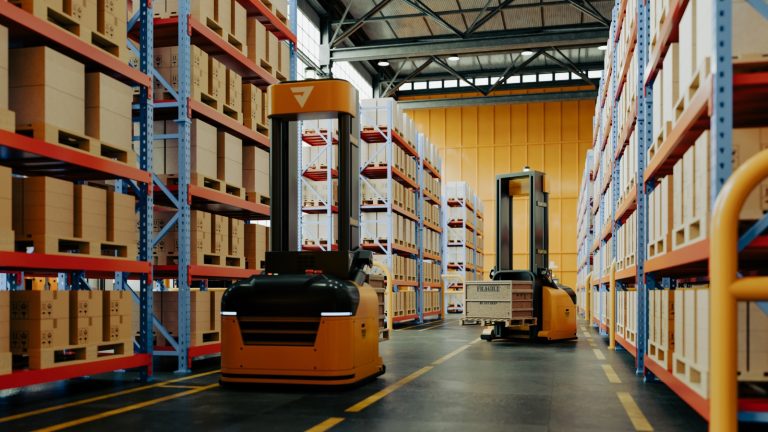
Many businesses fail to maximise logistics software because of avoidable mistakes, and this section explains what to watch out for.
Choosing Software Without Scalability
Businesses that fail to consider future growth may struggle with limited system functionality. Poor scalability can create operational bottlenecks and delayed deliveries.
Organisations should choose platforms capable of supporting future expansion.
Ignoring Integration Requirements
Disconnected systems often create inefficiencies and duplicated work. Businesses must ensure logistics platforms integrate with existing business processes and databases.
Strong integration capabilities also improve operational visibility.
Failing To Train Employees Properly
Technology alone cannot improve performance without employee adoption. Improper training often leads to poor inventory handling and workflow errors.
Organisations should invest in ongoing education and operational support.
Overlooking Data Security and Compliance
Cybersecurity risks continue to increase across logistics networks. Businesses should implement strong access controls and exception management procedures.
Compliance monitoring is especially important for regulated industries.
Not Measuring Performance Improvements
Many businesses implement logistics software without measuring outcomes. Organisations should regularly evaluate transportation costs, inventory accuracy, and operational efficiency.
Continuous measurement helps businesses refine logistics services and adapt to changing customer needs.
Powering Smart Manufacturing Logistics With Cerexio
Cerexio WMS is a robust Warehouse Management System in Singapore designed to streamline logistics, inventory movement, warehouse coordination, and production workflows in manufacturing environments.
This platform helps your business improve operational visibility, manage material flow in real time, optimise warehouse efficiency, and ensure seamless coordination between production lines, suppliers, and distribution processes.
AI-Driven Automation for Next-Generation Logistics
CerexioWMS integrates AI and automation capabilities to deliver predictive inventory planning, intelligent route coordination, automated warehouse tracking, and real-time operational analytics. Our software’s smart automation minimises manual intervention, reduces delays, improves supply chain accuracy, and enables manufacturers to make faster data-driven decisions, making it a powerful logistics management solution for modern industries.
Call for a free demo.
Cerexio- Making Way for Manufacturing Intelligence
Gaining Long-Term Value of Digital Logistics Transformation
The future of logistics will depend heavily on automation, analytics, and intelligent forecasting. Large global enterprises are already using advanced systems to coordinate transportation and warehouse activities.
As logistics technology evolves, businesses of all sizes will benefit from improved visibility across facilities, transportation networks, and distribution facilities.
FAQs About Logistics Management Software
The primary purpose of logistics software is to coordinate transportation, inventory, warehousing, and fulfilment operations from a centralised platform. Modern systems help businesses improve delivery accuracy, reduce costs, and streamline daily workflows.
Digital logistics systems improve visibility, automate repetitive tasks, and optimise routing decisions. Businesses can reduce delays, improve inventory accuracy, and coordinate suppliers more effectively using centralised analytics and automation.
Businesses should prioritise transportation management, inventory visibility, route optimisation, analytics dashboards, warehouse management, and integration capabilities. Scalability and cloud accessibility are also essential for growing organisations.
Cloud platforms offer flexibility, scalability, and remote accessibility, while on-premise systems provide greater infrastructure control. The best option depends on business size, security requirements, and operational complexity.
AI improves forecasting, route optimisation, shipment visibility, and demand planning. Businesses can reduce transportation costs, improve delivery accuracy, and automate operational workflows using predictive analytics and machine learning.