Imagine a factory worker accidentally using the wrong ingredient batch or skipping a sanitation step before packaging thousands of products. One small oversight could trigger massive recalls, financial losses, and serious safety risks for consumers worldwide. In fact, manufacturing defects and quality failures cost industries billions of dollars every year, with studies showing that poor quality can consume nearly 15–20% of total operational revenue in some sectors. That is exactly why good manufacturing processes have become the backbone of modern industrial production.
From pharmaceutical plants and food facilities to electronics and chemical factories, businesses rely on structured systems, strict quality controls, and standardised procedures to ensure every product meets safety, compliance, and performance expectations.
In this article, we explore ‘Good Manufacturing Processes’ in industrial production.
The article covers
- What Are Good Manufacturing Processes?
- Understanding Good Manufacturing Processes Deeply
- Why Good Manufacturing Processes Are Important
- Key Components of Good Manufacturing Processes
- The Good Manufacturing Process Workflow
- Common Challenges in Manufacturing Processes
- Technologies Improving Modern Manufacturing Processes
- How to Implement Good Manufacturing Processes
- Best Practices for Maintaining Manufacturing Quality
- Benefits of Strong Good Manufacturing Processes
- FAQs About Good Manufacturing Processes
What Are Good Manufacturing Processes?
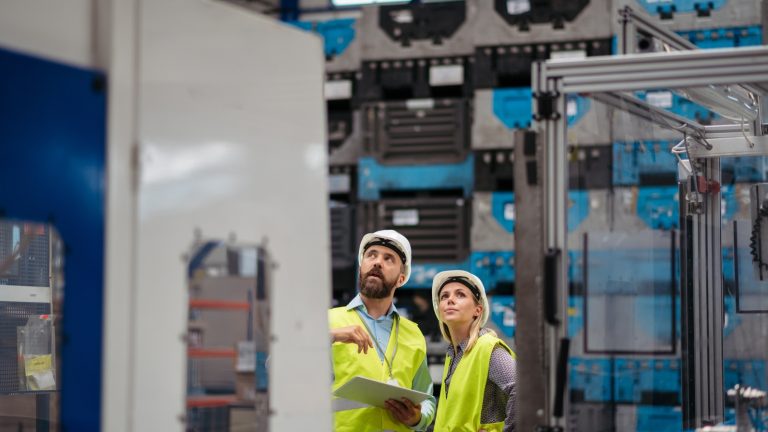
At the heart of industrial excellence are good manufacturing processes designed to ensure every item meets strict safety and performance expectations.
These methods guide teams through production activities while reducing contamination, errors, and waste.
In many sectors, companies adopt good manufacturing practice frameworks to establish reliable operations and create repeatable outcomes. A modern facility often combines training, monitoring, and documentation to build a stable environment where products are manufactured consistently.
Key Takeaways
- Good manufacturing processes improve product quality, safety, and regulatory compliance.
- Standardised workflows help manufacturers reduce errors and operational risks.
- Quality management systems and GMP inspections support consistent industrial production.
- AI, automation, and IoT technologies are transforming modern manufacturing operations.
Why Manufacturing Standards Matter in Modern Industries
Several years ago, a mid-sized factory struggled with rising customer complaints because it lacked proper oversight. After implementing current good manufacturing practices, the business improved traceability, reduced defects, and regained market trust.
Standards are important because they create accountability while helping organisations follow current good manufacturing practice requirements.
These systems also support safety, minimise recalls, and improve communication between departments responsible for daily operations.
Industries That Rely on Good Manufacturing Processes
Many sectors rely heavily on structured compliance programmes.
The pharmaceutical sector follows good manufacturing practices (GMPs) to protect patient safety, while food and beverage companies apply sanitation-focused controls. Cosmetic brands, electronics makers, and medical suppliers also implement good manufacturing practices to maintain consistency.
Businesses dealing with sensitive ingredients often use GMP systems to ensure every product batch is carefully monitored from start to finish.
Understanding Good Manufacturing Processes Deeply
Understanding good manufacturing processes allows businesses to improve operational efficiency, reduce production risks, and maintain regulatory compliance.
Definition and Core Principles
Manufacturing excellence is built around documentation, monitoring, and accountability. Many factories now adopt current good manufacturing practices (CGMPs) to reduce variability in operations.
In highly regulated sectors, current good manufacturing practices support strict controls over production environments, employee conduct, and sanitation procedures.
These principles ensure that businesses maintain predictable standards while protecting both customers and workers.
Difference Between GMP and General Manufacturing Practices
General production activities focus mainly on output, but compliance-driven systems go much deeper. In regulated industries, pharmaceutical manufacturing requires extensive testing, process documentation, and controlled environments.
Organisations following current good manufacturing practice standards are expected to carefully monitor cleanliness, storage, equipment conditions, and material handling. This creates a more disciplined environment compared with ordinary industrial production methods.
The Role of Compliance in Industrial Production
Compliance ensures that every drug manufacturing operation follows approved procedures and industry expectations.
A responsible manufacturer understands that customers trust products that are made consistently and safely. Large manufacturers often invest heavily in audits, training programmes, and digital systems to reduce operational risk.
Compliance also strengthens market reputation while creating better relationships with regulators and distributors.
Why Good Manufacturing Processes Are Important
Good manufacturing processes are important because they prevent contamination, improve product consistency, and support safe industrial operations.
Ensuring Product Quality and Consistency
Reliable production systems help businesses maintain strong product quality across every stage of operation. Effective quality control measures identify defects before products reach consumers.
Companies that establish advanced quality systems can reduce recalls while improving operational productivity. Consistency also helps organisations build long-term customer trust and strengthen relationships with supply chain partners.
Improving Workplace Safety
Modern factories rely on structured quality management systems to improve workplace safety and minimise operational risks. Well-defined standard operating procedures guide employees through equipment handling, sanitation, and emergency actions.
Effective procurement policies also ensure safe materials are sourced from approved vendors.
Together, these systems create a safer environment while reducing accidents and production interruptions.
Reducing Production Errors and Contamination
An effective quality management system helps organisations reduce contamination risks during production. Strong documentation and monitoring create a dependable quality system capable of identifying weaknesses early. Advanced technologies now allow businesses to track inventory, automate inspections, and improve reporting accuracy.
As factories adopt smarter monitoring tools, managers gain better visibility into manufacturing performance and risk areas.
Supporting Regulatory Compliance
Industrial regulations continue evolving as global markets demand safer products and more transparency. Effective quality management practices help companies comply with inspections and maintain legal approvals.
In sectors involving pharmaceutical engineering, accurate monitoring is especially important because even small deviations can affect public safety. Businesses that invest in compliance programmes are often better prepared for audits and regulatory reviews.
Enhancing Operational Efficiency
Efficient factories rely on strong materials management strategies to reduce delays and minimise waste.
Advanced engineering systems help organisations streamline production planning while improving equipment performance.
Detailed standard operating procedures (SOPs) ensure employees follow consistent workflows during every shift. When teams work with clear guidance and reliable systems, businesses can increase output while maintaining quality standards.
Key Components of Good Manufacturing Processes
The key components of good manufacturing processes include quality management, documentation, employee training, equipment maintenance, and process validation.
Quality Management Systems
Many industrial facilities rely on specialised laboratories to test materials, monitor contamination, and verify performance standards. Clear specifications allow employees to measure results accurately and maintain consistency throughout production.
This is where a structured quality management system (QMS) helps organisations centralise reporting, inspections, and corrective actions. This integrated approach improves visibility across departments while strengthening accountability.
Standard Operating Procedures (SOPs)
Leading pharmaceutical manufacturers depend on documented procedures to maintain consistency across all operations. Detailed instructions reduce human error while supporting effective process validation activities.
Teams responsible for production, maintenance, and sales often collaborate closely to ensure every process aligns with company goals. Standardised procedures also simplify employee onboarding and improve communication between departments.
Process Validation
Factories need experienced and skilled workers capable of managing sensitive operations accurately.
In the pharmaceutical industry, validation activities confirm that equipment and workflows perform consistently under real production conditions. A carefully tested system protects every pharmaceutical product from contamination or variation.
Validation also helps companies demonstrate compliance during inspections and audits.
Documentation and Record Keeping
Accurate documentation improves traceability throughout the manufacturing workflow and supports long-term operational stability. Effective records strengthen quality assurance programmes while helping every company respond quickly to deviations.
Digital platforms now allow businesses to monitor multiple workflows simultaneously, improving communication and reducing paperwork delays. Reliable records also support continuous improvement initiatives.
Equipment Maintenance and Calibration
Every drug manufacturer must maintain reliable machinery to prevent contamination and downtime.
Plus, routine inspections identify worn components before they cause larger operational failures. Regular maintenance also ensures factories comply with the strict quality standards required in regulated industries.
Proper calibration improves production accuracy while extending equipment lifespan.
Employee Training and Job Competence
Modern production depends heavily on employees who understand procedures and handling requirements. Workers responsible for managing active ingredients must follow safety protocols carefully to avoid contamination.
Facilities that embrace good manufacturing processes often create detailed training programmes focused on communication, teamwork, and accountability. A knowledgeable workforce is one of the strongest defences against operational mistakes.
Raw Material Management
Reliable manufacturing processes begin with proper supplier evaluation and inventory management.
Each manufacturing process depends on consistent material quality and accurate storage conditions. Businesses following good manufacturing principles carefully inspect incoming materials before releasing them for production.
Effective inventory control also reduces waste while supporting faster production planning.
Quality Control and Quality Assurance
The global manufacturing industry continues to face growing pressure to improve traceability and compliance. Businesses producing sensitive manufacturing products often use advanced testing systems to identify deviations early. A structured manufacturing practice framework helps organisations manage documentation, inspections, and corrective actions efficiently.
These activities work together to maintain product reliability and operational confidence.
The Good Manufacturing Process Workflow
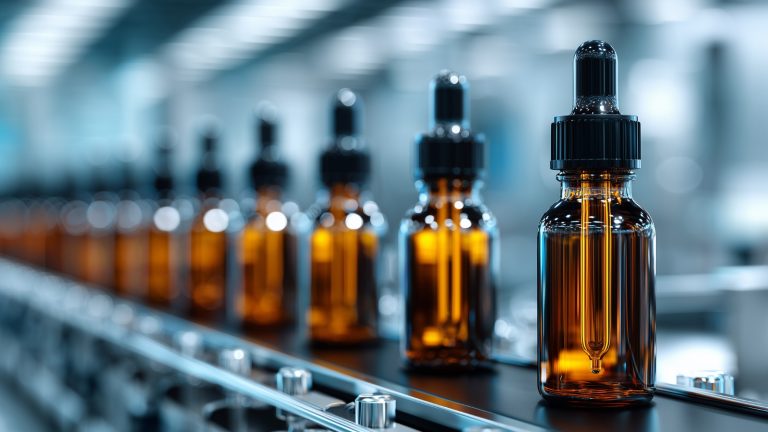
The good manufacturing process workflow covers procurement, production, testing, packaging, storage, and distribution activities.
1.Procurement and Material Inspection
Before production begins, managers evaluate supplier reliability and assess important manufacturing considerations. Clear receiving procedures and current manufacturing procedures help teams quickly identify damaged or contaminated materials.
Large manufacturing companies often use digital systems to track incoming shipments and maintain inventory visibility.
Careful inspection prevents quality issues from entering the production cycle.
2. Production Planning and Batch Processing
Successful factories examine and cover every aspect of the manufacturing process to improve efficiency and reduce waste. Modern manufacturing facilities carefully coordinate scheduling, labour allocation, and maintenance activities.
During the entire production process, managers monitor inventory levels and equipment readiness to minimise delays. Effective planning creates smoother operations and more predictable output.
3. Manufacturing and Assembly Operations
Every factory should follow a reliable good manufacturing guideline to maintain consistency during daily operations. Teams responsible for manufacture and contract manufacturing activities often coordinate closely to ensure deadlines are met. Efficient production environments rely on accurate monitoring and disciplined communication.
Consistency across departments helps prevent delays and maintain customer confidence.
4. Testing and Product Verification
Manufacturers apply strict methods, facilities, and controls used in manufacturing to verify performance and safety standards.
Routine testing evaluates production processes while ensuring every manufactured product meets required expectations.
In regulated industries, random inspections of manufactured products help teams identify hidden defects before distribution. Accurate verification protects consumers and reduces costly recalls.
5. Packaging and Labelling
An efficient quality process continues beyond production and includes packaging accuracy and proper documentation. Every process should include verification steps to prevent labelling mistakes and contamination risks.
Highly regulated pharmaceutical manufacturing facilities use controlled packaging environments to maintain hygiene and traceability. Packaging teams also ensure products are stored securely before shipment.
6. Storage and Distribution
Warehousing teams follow strict following processes to maintain product stability during transportation and storage. A clean, hygienic manufacturing area reduces contamination risks while supporting safe inventory handling. Effective processing and storage conditions help preserve the integrity of every finished product.
Distribution systems must also support timely deliveries and accurate inventory tracking.
Common Challenges in Manufacturing Processes
Manufacturing processes often face challenges related to equipment failures, quality control, workforce training, and regulatory compliance.
Maintaining Consistent Product Quality
Factories handling multiple components often struggle to maintain uniform quality across large production runs. Strong strong quality management practices help organisations identify deviations before they affect customers.
A reliable quality programme also supports faster corrective actions and clearer reporting structures. Consistency remains one of the biggest challenges in industrial production.
Equipment Failures and Downtime
Production delays frequently occur when factories experience disruptions in material supply or machinery performance.
Equipment problems can interrupt daily operating schedules and create expensive mix-ups during manufacturing. Proper maintenance and material handling procedures reduce downtime while improving operational reliability.
Preventive planning is essential for long-term efficiency.
Managing Regulatory Inspections
Inspection periods can create pressure because teams must demonstrate accurate records and safe operational work practices. Large-scale factories performing complex assembly activities often undergo extensive audits. Inspectors evaluate product safety, traceability, and employee procedures carefully.
Businesses that maintain organised records are usually better prepared for regulatory reviews.
Handling Documentation Errors
Accurate records are essential because mistakes involving products can result in recalls or compliance penalties. Businesses that boost productivity through automation still need reliable verification systems to support smooth business operations.
Incorrect documentation may create confusion regarding inventory levels, production schedules, or testing results. Careful review procedures help prevent costly reporting errors.
Workforce Skill Gaps
Employees responsible for interpreting labelled specifications and inspecting sample products need strong technical knowledge. Poor training can affect the handling of raw products and reduce consistency during production.
Many companies now invest heavily in continuous learning programmes to strengthen employee confidence and improve operational accuracy.
Technologies Improving Modern Manufacturing Processes
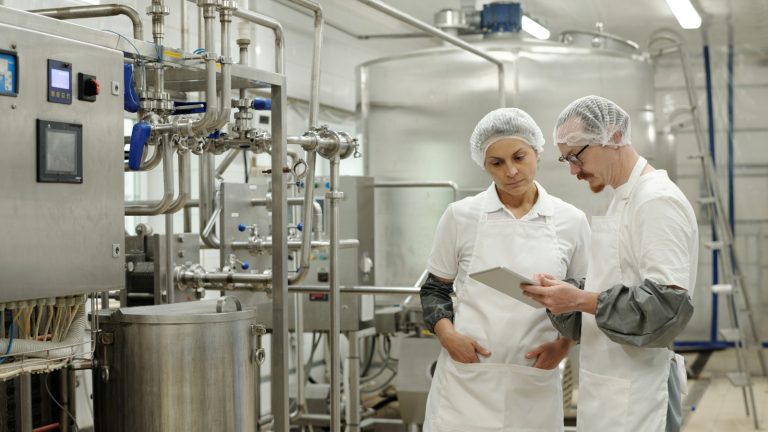
Modern manufacturing processes use automation, AI, IoT, and digital monitoring technologies to improve productivity and operational visibility.
Automation in Industrial Production
Automation allows factories to track every product moving through the production line while reducing repetitive manual tasks. Smart equipment and digital tools improve monitoring accuracy and accelerate decision-making.
Automated systems are especially valuable for facilities producing multiple particular product types because they simplify changeovers and improve consistency.
Smart Quality Management Systems
Large industrial companies increasingly rely on integrated platforms powered by modern technologies to centralise reporting.
Automated specifications tests improve consistency while reducing paperwork delays. Real-time dashboards also help managers monitor quality measures and identify production risks quickly. Digital systems provide greater visibility across departments and support continuous improvement.
AI and Predictive Maintenance
Artificial intelligence can improve overall performance by predicting equipment failures before they interrupt production. Factories implementing robust operating procedures often combine machine learning with sensor technology to monitor operational quality.
Predictive maintenance reduces downtime while improving asset reliability and production efficiency.
Industrial IoT in Manufacturing Facilities
Connected devices help factories continuously monitor inventory, equipment status, and environmental conditions. Many businesses use IoT systems to support GMP procedures and improve visibility across production lines.
A growing number of organisations outside traditional manufacturing, including the food delivery business, also use connected systems to strengthen traceability and compliance.
Digital Workflow and Process Monitoring
Digital platforms streamline daily operations by connecting inventory, maintenance, and production data in real time.
Advanced systems help managers monitor drug product quality while reducing reporting delays.
These platforms also support employee accountability by improving communication between departments and simplifying data access.
How to Implement Good Manufacturing Processes
Businesses can implement good manufacturing processes by creating standard procedures, conducting inspections, and training employees effectively.
Conducting Risk Assessments
Effective risk management starts with evaluating employee job competence and identifying operational failures before they escalate.
Managers must also assess contamination risks affecting the end product and verify storage conditions carefully.
A proactive approach helps organisations reduce operational disruptions and maintain safer production environments.
Creating Standardised Procedures
Every production batch should follow consistent instructions supported by reliable good-practice systems. Businesses increasingly use digital quality metrics programmes to measure efficiency and identify weak areas.
Standardised procedures reduce confusion while ensuring teams follow the same operational expectations during every production cycle.
Establishing Quality Control Systems
Factories handling sensitive ingredients must establish strict verification and monitoring systems. Every approval process should include documentation reviews, inspections, and traceability measures.
A single equipment failure can affect production timelines and compromise product safety. Strong monitoring programmes help organisations respond quickly to unexpected issues.
Training Employees Effectively
Manufacturers often collaborate with logistics partners and distributors to improve communication and delivery performance.
Employees should understand production expectations, documentation practices, and clear specifications related to operational tasks. Training programmes covering machine operation, safety, and quality management strengthen consistency across all departments.
Performing Routine GMP Inspections
Regular inspections help organisations identify damaged parts and improve operational compliance. International groups such as pharmaceutical inspection cooperation organisations encourage stronger collaboration between regulators and manufacturers.
Businesses that monitor quality-related regulations closely are usually better prepared for audits and compliance reviews.
Continuously Improving Manufacturing Operations
Managers should conduct routine GMP inspections regularly to identify weaknesses and improve production efficiency. Maintaining accurate pharmaceutical product registration records supports smoother approvals and stronger traceability.
A safe workplace culture also encourages teams to report operational concerns before they become larger problems.
Best Practices for Maintaining Manufacturing Quality
Maintaining manufacturing quality requires accurate documentation, regular audits, hygienic production standards, and continuous monitoring.
- Keeping Accurate Documentation
Many organisations adopt innovative approaches to improve reporting accuracy and reduce paperwork delays. Strong documentation systems also help managers evaluate employee behaviours and ensure compliance with industry expectations. Agencies such as the standard control organisation in different countries often require accurate records during audits and inspections.
- Monitoring Critical Processes
Manufacturers operating under strict licensing conditions must monitor production environments carefully to protect pharmaceutical quality. Every employee job should include clearly defined responsibilities and reporting procedures.
Businesses that monitor critical operations consistently are more likely to identify risks before they disrupt production.
- Following Hygienic Manufacturing Standards
Clean production environments support compliance with available quality standards and reduce contamination risks significantly.
Maintaining hygiene across several parts of the factory requires careful planning and disciplined facility design.
Strong sanitation practices improve employee safety while protecting product integrity throughout production.
- Using Clear Product Specifications
Clear specifications help organisations prepare effectively for future GMP inspections and maintain consistency during production.
Detailed procedures and necessary controls reduce operational mistakes while minimising product quality deviations. Businesses with reliable specifications also improve communication between production, maintenance, and quality teams.
- Conducting Regular Internal Audits
Internal reviews help companies identify opportunities to increase sales by improving compliance and customer trust. Regular audits also support better applications for certifications and licensing approvals.
Organisations following performance-based safety regulation frameworks often use audits to evaluate operational effectiveness and employee accountability.
Benefits of Strong Good Manufacturing Processes
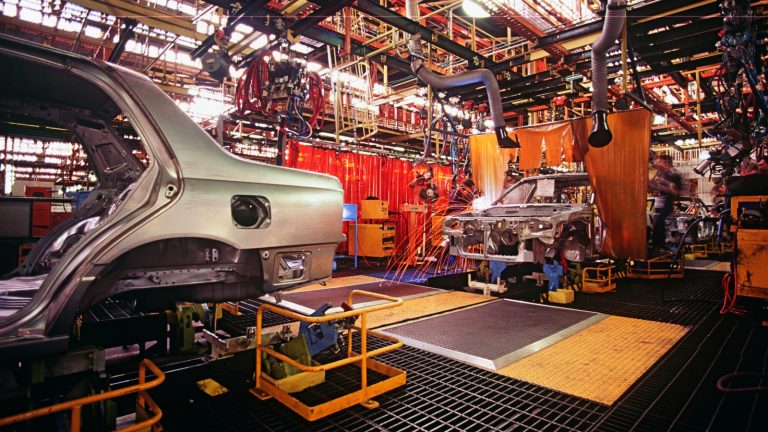
Strong, good manufacturing processes improve product reliability, reduce operational costs, and enhance customer trust and business performance.
Higher Product Reliability
Reliable production systems improve operational control and help organisations consistently meet evolving market requirements. Businesses that invest in quality-focused processes often experience fewer recalls and stronger customer trust.
Reliability also supports long-term growth and better relationships with regulators.
Better Customer Satisfaction
Modern consumers expect businesses to deliver safe and consistent products across every market segment.
A strong manufacturing business often develops a positive quality culture that encourages accountability and continuous improvement. Satisfied customers are more likely to recommend brands and support long-term business growth.
Increased Productivity and Efficiency
Factories producing industrial goods benefit from streamlined scheduling and improved inventory management. Better operational order reduces downtime while helping businesses maintain strict production standards.
Improved coordination between departments also supports faster decision-making and smoother workflows.
Reduced Waste and Operational Costs
Organisations producing healthcare products or consumer goods can reduce waste significantly through smarter inventory planning. Consistent operational practices also minimise production errors and improve resource usage.
Lower waste levels support profitability while helping businesses achieve sustainability goals.
Stronger Brand Reputation
Businesses that maintain a reliable production standard are often viewed as more trustworthy by customers and regulators.
Compliance with regulations, such as CFR part requirements, also demonstrates a commitment to safety and accountability.
Strong reputations help organisations compete more effectively in demanding global markets.
Building Smarter Manufacturing Compliance With CerexioMES
CerexioMES is a robust Manufacturing Execution System in Singapore that helps manufacturers align with good manufacturing processes through real-time production monitoring, batch traceability, quality management, inventory tracking, workflow automation, and compliance reporting.
The platform improves operational visibility, reduces production errors, and strengthens manufacturing consistency across industrial facilities.
Accelerating Digital Transformation Through AI and Automation
CerexioMES integrates AI and automation technologies to help you achieve digital transformation with predictive maintenance, smart production scheduling, automated quality inspections, IoT connectivity, and real-time analytics.
Our software’s intelligent capabilities improve operational efficiency, minimise downtime, optimise resource usage, and support faster data-driven decision-making across manufacturing environments.
Call for a free demo.
Cerexio-Move Forward With Digital Transformation
Why Good Manufacturing Processes Are Essential for Industrial Success
Good manufacturing systems provide the structure businesses need to maintain safety, consistency, and efficiency in demanding industries. From documentation and employee training to inspections and automation, every element contributes to stronger operational performance. Companies that invest in disciplined production methods are more likely to build customer trust and achieve sustainable growth.
Businesses that prioritise continuous improvement, workforce training, and operational accountability will remain competitive in increasingly regulated global markets.
FAQs About Good Manufacturing Processes
Corrective and Preventive Action (CAPA) is a structured quality management approach used to identify production issues, investigate root causes, implement corrective solutions, and prevent recurrence. CAPA systems improve compliance, reduce defects, and strengthen continuous improvement across manufacturing operations.
Environmental monitoring tracks air quality, humidity, temperature, microbial contamination, and particle levels within manufacturing facilities. This process helps manufacturers maintain controlled production environments, reduce contamination risks, and comply with GMP standards in the pharmaceutical, food, and medical device industries.
Batch traceability is the ability to track raw materials, production records, testing data, and distribution history for a specific product batch. It helps manufacturers quickly identify quality issues, efficiently support product recalls, and maintain regulatory compliance throughout the supply chain.
Cleanroom classification defines allowable contamination levels within controlled manufacturing environments. Different cleanroom grades regulate airborne particles, microbial presence, and airflow conditions. Proper classification is essential for pharmaceutical manufacturing, semiconductor production, and medical device manufacturing, where contamination control is critical.
Manufacturing Execution Systems (MES) provide real-time monitoring of production activities, equipment performance, inventory movement, and quality checks. MES platforms improve operational visibility, reduce manual errors, optimise workflow efficiency, and support compliance by centralising manufacturing data across facilities.