
Manufacturers operate in an increasingly competitive environment where efficiency, accuracy, and timely delivery can determine success or failure. Every day, production managers must coordinate machinery, employees, raw materials, and customer orders while ensuring that operations run smoothly.
Without a structured approach to organising production activities, delays, bottlenecks, and resource waste can quickly impact profitability.
This is where manufacturing scheduling becomes essential. This concept provides a systematic framework for determining when and where production tasks should occur, ensuring resources are utilised effectively while meeting customer deadlines. As manufacturing environments become more complex, scheduling has evolved from simple spreadsheets into sophisticated digital systems capable of optimising production in real time.
The article covers
What Is Manufacturing Scheduling?

Manufacturing scheduling is the process of organising, sequencing, and allocating production activities to available resources within a manufacturing facility. It determines when specific tasks should begin and end, which machines will perform them, and which personnel will be responsible for execution.
The primary goal of scheduling is to ensure that products are manufactured efficiently while meeting delivery commitments.
It bridges the gap between strategic planning and operational execution by transforming production requirements into actionable schedules.
While production planning focuses on determining what should be produced and in what quantities, production scheduling focuses on when and how production activities should occur.
Together, they create a structured workflow that enables manufacturers to maintain productivity and meet customer expectations.
An effective schedule coordinates equipment, labour, materials, and production priorities while accounting for operational constraints. When they are able to align resources with demand, manufacturers can minimise delays, reduce waste, and improve overall operational performance.
Key Takeaways
- Manufacturing scheduling organises production tasks, resources, and timelines to ensure efficient factory operations.
- It improves productivity by reducing bottlenecks, optimising resource utilisation, and ensuring on-time delivery.
- Effective scheduling depends on key inputs like materials, workforce, machine capacity, and production orders.
- Modern scheduling methods and software enable real-time adjustments and better decision-making.
Why Manufacturing Scheduling Matters in Modern Production
Manufacturing facilities must manage multiple variables simultaneously, including customer demand, machine availability, labour capacity, inventory levels, and delivery deadlines. Without a structured scheduling approach, these variables can easily create inefficiencies and disruptions.
One of the most significant benefits of scheduling is improved resource utilisation. By assigning tasks strategically, manufacturers can maximise machine usage, reduce idle time, and improve workforce productivity. This directly contributes to lower operating costs and increased output.
Scheduling also plays a critical role in reducing production bottlenecks. When tasks are sequenced correctly, materials and resources flow smoothly through the facility, minimising delays and preventing the accumulation of work-in-progress.
Additionally, scheduling improves delivery reliability. Customers increasingly expect accurate delivery timelines, and manufacturers that consistently meet deadlines gain a competitive advantage. Effective schedules provide visibility into production timelines, allowing organisations to manage commitments with greater confidence.
In today’s fast-moving industrial environment, scheduling supports flexibility and responsiveness.
Manufacturers can quickly adapt to changing customer requirements, supply chain disruptions, or unexpected equipment issues while maintaining operational continuity.
Key Components of an Effective Manufacturing Schedule
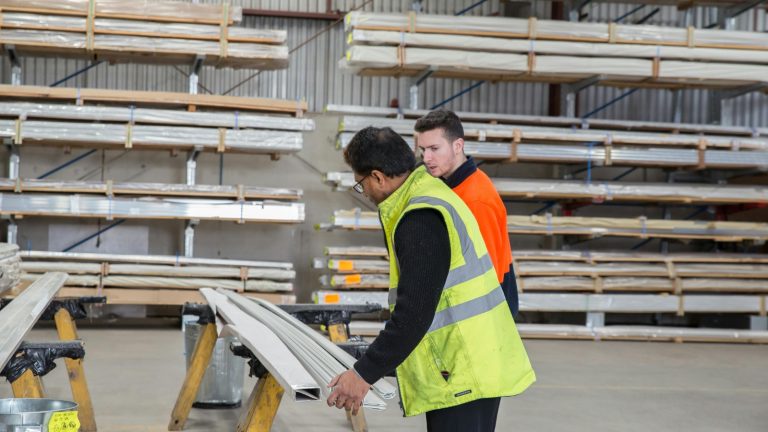
An effective manufacturing schedule combines production orders, resource availability, workforce planning, inventory data, and operational constraints to maintain smooth production flow.
1. Production Orders and Work Orders
Production orders and work orders form the foundation of any manufacturing schedule. They define what products need to be produced, the required quantities, specifications, and completion dates.
These documents act as operational instructions that guide production activities throughout the manufacturing process.
An effective scheduling system prioritises work orders based on customer demand, resource availability, and business objectives. Proper prioritisation ensures that critical orders receive attention without disrupting overall production flow.
Since they can organise work orders efficiently, manufacturers can reduce confusion, improve coordination, and maintain consistent production performance across departments.
2. Machine and Equipment Availability
Machines and equipment are among the most valuable resources within a manufacturing facility. Scheduling must account for machine availability, operational capacity, maintenance requirements, and potential downtime to prevent disruptions.
A well-designed schedule ensures equipment is utilised efficiently without creating excessive strain on production assets.
Maintenance activities can be incorporated into schedules to reduce unexpected breakdowns and extend equipment lifespan. When considering machine constraints during scheduling, manufacturers can optimise throughput while maintaining equipment reliability and production stability.
3. Workforce Allocation
Employees are essential to manufacturing success, making workforce allocation a critical scheduling consideration.
This is why production schedules must account for employee skills, certifications, availability, shifts, and labour capacity.
Assigning the right personnel to the right tasks improves efficiency, product quality, and workplace safety. Workforce scheduling also helps manufacturers manage labour costs by balancing workloads and minimising overtime requirements.
Plus, effective workforce allocation ensures production targets can be achieved while maintaining employee productivity and operational flexibility.
4. Material Availability and Inventory Levels
Production cannot proceed without the necessary materials and components. Scheduling, therefore, requires accurate visibility into inventory levels, procurement timelines, and material availability.
By aligning production schedules with inventory data, manufacturers can prevent shortages that cause delays while avoiding excess inventory that increases carrying costs.
Material planning becomes especially important in complex manufacturing environments where multiple products share common resources. Effective coordination between scheduling and inventory management supports uninterrupted production and improves overall supply chain efficiency.
5. Production Capacity Planning
Production capacity planning involves evaluating the available resources required to meet manufacturing demand. Schedulers must determine whether existing labour, equipment, and materials can support production objectives within designated timeframes.
Capacity planning helps manufacturers identify resource limitations before they become operational problems.
It also supports better decision-making regarding overtime, outsourcing, equipment investments, or production adjustments.
As they understand capacity constraints, organisations can develop realistic schedules that balance demand with available resources while maintaining operational efficiency.
6. Lead Times and Delivery Deadlines
Customer satisfaction often depends on a manufacturer’s ability to meet promised delivery dates. Scheduling, therefore, requires careful consideration of lead times, production durations, and shipping requirements.
Accurate lead time calculations allow organisations to create achievable schedules while maintaining customer confidence. By tracking deadlines throughout the production cycle, manufacturers can identify potential delays early and implement corrective actions.
Effective deadline management reduces late deliveries, improves service levels, and strengthens customer relationships.
7. Shop Floor Constraints and Dependencies
Manufacturing operations often involve complex workflows where certain activities must be completed before others can begin. These dependencies create constraints that significantly influence scheduling decisions.
Effective shop floor scheduling accounts for process sequences, equipment limitations, labour availability, and workflow dependencies. Understanding these constraints allows manufacturers to create realistic schedules that reflect actual operating conditions.
By managing dependencies effectively, organisations can reduce bottlenecks, improve throughput, and maintain smoother production flows across the facility.
8. Real-Time Production Data
Modern manufacturing environments generate large amounts of operational data from machines, sensors, and connected systems.
This information provides valuable insights into production performance and resource utilisation.
Incorporating real-time production data into scheduling enables manufacturers to respond quickly to changing conditions. Unexpected delays, machine failures, or demand fluctuations can be addressed immediately through schedule adjustments.
This capability supports more agile operations and helps organisations maintain productivity despite operational disruptions.
Common Manufacturing Scheduling Methods and Techniques
Different manufacturing environments require different scheduling approaches. The most suitable method depends on production complexity, resource availability, customer requirements, and operational objectives.
- Forward Scheduling
Forward scheduling begins production activities as soon as resources become available. This approach maximises equipment utilisation and helps manufacturers maintain continuous production flow.
It is particularly useful when demand is unpredictable or when organisations prioritise resource efficiency over inventory reduction.
- Backward Scheduling
Backward scheduling starts with the desired delivery date and works backward to determine production start times.
This approach helps manufacturers minimise inventory levels while ensuring products are completed when needed. It is commonly used in make-to-order environments where customer deadlines are critical.
- Finite Capacity Scheduling
Finite capacity scheduling considers actual resource limitations when creating production schedules.
Unlike traditional approaches that may assume unlimited resources, this method acknowledges equipment, labour, and material constraints. As a result, schedules are more realistic and achievable, reducing the likelihood of delays and production conflicts.
- Infinite Capacity Scheduling
Infinite capacity scheduling assumes resources are always available regardless of actual limitations.
While less realistic, it can be useful for long-term planning and demand forecasting. Manufacturers often use this approach during strategic planning before refining schedules based on actual capacity constraints.
- Just-in-Time (JIT) Scheduling
Just-in-Time scheduling focuses on producing goods only when needed. By synchronising production with customer demand, manufacturers can reduce inventory costs, minimise waste, and improve operational efficiency.
This method requires precise coordination and accurate scheduling to function effectively.
- Constraint-Based Scheduling
Constraint-based scheduling identifies bottlenecks and critical limitations within production processes. Schedules are optimised around these constraints to maximise throughput and resource utilisation.
This approach is particularly effective in complex manufacturing environments where specific resources significantly influence production performance.
Challenges and Future Trends in Manufacturing Scheduling

We see that today’s manufacturers face numerous challenges when developing and maintaining production schedules. Demand fluctuations, supply chain disruptions, labour shortages, equipment failures, and changing customer requirements can all affect production performance.
Managing these variables requires more than traditional spreadsheets or manual scheduling techniques. Modern manufacturers increasingly rely on manufacturing scheduling software to automate scheduling activities and improve decision-making.
These solutions provide greater visibility into resources, constraints, and production progress while enabling faster schedule adjustments.
The evolution of digital technologies is also transforming the manufacturing scheduling process. Artificial intelligence, machine learning, and predictive analytics allow organisations to anticipate disruptions and optimise schedules proactively.
These technologies can analyse large volumes of operational data to recommend the most efficient production sequences and resource allocations.
Another significant trend is real-time production scheduling, which enables manufacturers to continuously update schedules based on current operating conditions. Rather than relying on static plans, organisations can dynamically respond to equipment issues, material shortages, or changing customer priorities.
Scheduling is also becoming more integrated with broader manufacturing operations management initiatives. By connecting scheduling systems with quality management, maintenance, inventory, and production monitoring platforms, manufacturers gain a more comprehensive view of operations.
Additionally, integration with manufacturing resource planning systems allows organisations to align production schedules with procurement, inventory, and financial planning activities. This creates greater operational coordination and improves overall business performance.
As Industry 4.0 technologies continue to mature, scheduling systems will become increasingly intelligent, autonomous, and data-driven. Future solutions will leverage digital twins, advanced analytics, and AI-powered optimisation to enhance decision-making and maximise manufacturing efficiency.
Organisations are also recognising the importance of aligning production planning and scheduling activities to improve responsiveness and operational agility. When planning and scheduling systems work together, manufacturers can better balance customer demand, resource capacity, and production priorities.
Furthermore, advanced manufacturing production scheduling capabilities enable companies to optimise workflows across multiple facilities, production lines, and supply chain partners, supporting greater scalability and competitiveness.
AI-Powered Production Scheduling Optimisation with Cerexio MES
Cerexio MES is a robust Manufacturing Execution System in Singapore that helps manufacturing businesses achieve highly accurate and efficient production scheduling by using AI-driven algorithms that analyse real-time shop floor data, demand patterns, and resource availability.
Our platform enables smarter sequencing of jobs, reduced idle time, and optimised machine utilisation, ensuring production schedules remain realistic, adaptive, and aligned with operational constraints.
End-to-End Automation for Real-Time Manufacturing Scheduling
With advanced automation capabilities, Cerexio MES enables manufacturers to move away from manual scheduling and spreadsheets toward fully integrated digital workflows.
Cerexio’s MES platform continuously updates schedules based on live production events, machine status, and workforce changes, allowing your business to respond instantly to disruptions while maintaining smooth, uninterrupted manufacturing operations.
Call for a free demo.
Cerexio- Where Smart Manufacturing Lies
Mastering Manufacturing Scheduling for Long-Term Production Success
Manufacturing scheduling is a critical function that transforms production plans into actionable workflows. By coordinating resources, equipment, labour, materials, and deadlines, scheduling enables manufacturers to operate efficiently while meeting customer expectations.
Effective scheduling improves productivity, reduces bottlenecks, optimises resource utilisation, and enhances delivery performance.
Manufacturers that invest in advanced scheduling capabilities can improve operational visibility, increase flexibility, and build a stronger foundation for long-term growth. In an era driven by efficiency and responsiveness, manufacturing scheduling remains one of the most important contributors to operational success.
FAQs About Manufacturing Scheduling
Finite-capacity scheduling creates production schedules based on actual resource limitations, such as machine availability and labour capacity, whereas infinite-capacity scheduling assumes unlimited resources. Finite scheduling produces more realistic plans and helps reduce production conflicts and bottlenecks.
Real-time production scheduling continuously updates production plans using live operational data from machines, sensors, and workforce activities. This allows manufacturers to respond quickly to disruptions, optimise resource allocation, reduce downtime, and improve delivery performance.
Manufacturing scheduling software integrates with ERP and MES platforms to synchronise production orders, inventory levels, machine status, and workforce information. This integration improves visibility, enables data-driven decisions, and ensures schedules align with operational requirements.
Manufacturers typically measure scheduling performance using metrics such as schedule adherence, machine utilisation, overall equipment effectiveness (OEE), production lead time, on-time delivery rate, and resource efficiency. These KPIs help identify improvement opportunities and operational constraints.
Artificial intelligence enhances manufacturing scheduling by analysing historical and real-time production data to predict disruptions, optimise resource allocation, and automate schedule adjustments. AI-driven systems improve accuracy, increase responsiveness, and support more efficient production operations.