
TL;DR
- Manufacturing equipment forms the backbone of every modern production line across all industries.
- Preventive maintenance is the single most effective strategy for avoiding costly unexpected equipment failures.
- From CNC machines to robotic arms, each equipment type demands a tailored maintenance approach.
- The global machine tools market is expected to reach 196 billion dollars by 2034.
- Cerexio IoT Integration connects all manufacturing equipment into one intelligent, real-time operational ecosystem.
It is very rare to find a product made purely by hand today. Even everyday household electronics and stainless steel appliances are manufactured using industrial equipment that converts raw materials into finished goods hundreds of times faster than any human worker ever could.
This industrial machinery operates across different production lines in virtually every industry. Take the conveyor belt as a simple but critical example. It is present in nearly every factory floor, quietly transporting materials through the production line without pause. When it breaks down, everything stops. Workers stand idle, production halts, and the cost of an unplanned breakdown can escalate quickly.
The good news is that there is always an opportunity to build a smarter preventive maintenance schedule for the equipment your operation depends on most. A well-designed maintenance strategy does not just protect expensive assets. It maximises uptime, reduces repair costs, and keeps your entire process running smoothly from one shift to the next.
In this article, we take a comprehensive look at why proactive machine maintenance matters, which equipment benefits from it most, and how real-world applications help manufacturers maintain peak output at all times.
What Is Manufacturing Equipment?
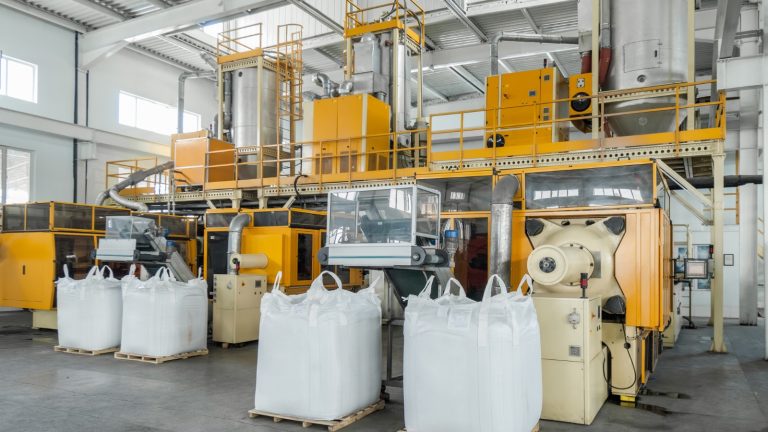
Manufacturing equipment refers to the heavy-duty machines, tools, and systems that manufacturers use to convert raw materials into finished products.
These machines form the backbone of every production line, handling everything from cutting and shaping to joining and packaging components with precision and repeatability. Whether it is a CNC milling machine, an injection moulding unit, a conveyor belt, or a robotic welder, each piece of equipment serves a specific role in making production faster, safer, and more economical.
While the optimal combination of equipment varies depending on the nature of production, all manufacturing equipment shares one common objective: efficiency.
Is Preventive Maintenance a Must for Manufacturing Equipment?
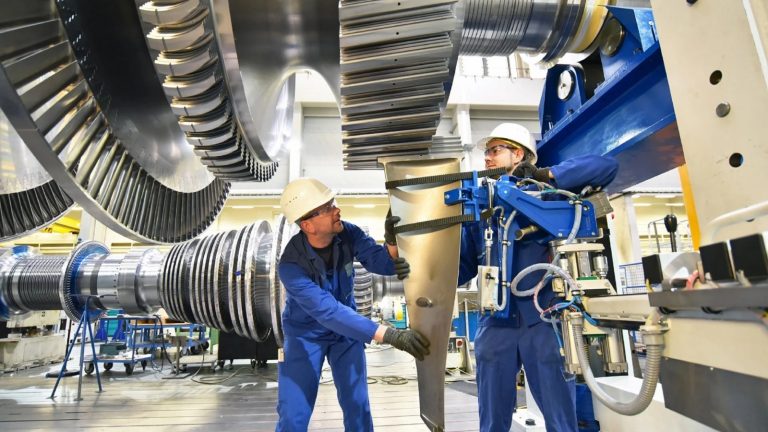
Preventive maintenance is not optional for manufacturers who want to protect their equipment investments and keep production lines running without interruption.
Even the most advanced machines will deteriorate without consistent care. Routine checks, lubrication schedules, and proactive servicing are what keep each component of a production line performing as intended over the long term.
Here is why preventive maintenance deserves a central place in every manufacturer’s operational strategy:
- It Paves the Way for Safety Regular machine checks reduce the risk of workplace accidents and create a safer environment for every member of your team.
- It Offers Meaningful Cost Savings Preventive maintenance is significantly less expensive than emergency or unplanned repairs, which often carry hidden costs far beyond the repair itself.
- It Maximises Uptime Scheduled maintenance prevents unexpected failures and keeps your production line running consistently, protecting output targets and delivery commitments.
- It Extends Asset Life Early detection of wear and potential failure allows manufacturers to extend the working life of high-value equipment, protecting capital investments over time.
The numbers make the case even stronger. The global machine tools market is expected to reach 196 billion dollars by 2034, a significant jump from 97.1 billion dollars in 2024. As the value of manufacturing assets continues to grow, preserving those assets through proactive maintenance will only become more critical.
What Types of Modern Manufacturing Equipment Should You Know About?
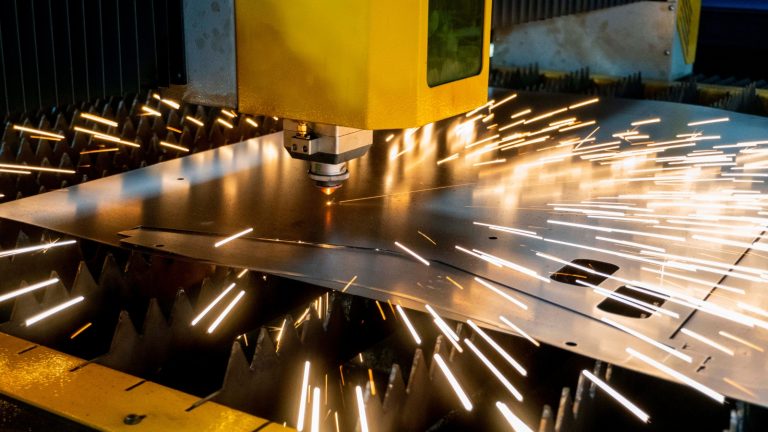
Modern manufacturing production equipment spans a wide spectrum, from high-capacity industrial machines to precision inspection and calibration systems.
Automated assembly systems are tailored for automotive lines. High-speed packaging equipment serves food processing plants. Robotic arms dominate electronics manufacturing floors. Each is engineered for the specific demands of its environment.
What makes today’s production machinery particularly powerful is the growing integration of digital capabilities. Sensors, IoT connectivity, and predictive maintenance analytics now allow manufacturers to track equipment performance in real time, shifting the entire maintenance model from reactive to proactive.
This shift is not just about convenience. It is fundamental to uptime, safety, and long-term operational reliability. Catching a small issue before it escalates into an expensive breakdown is what separates high-performing manufacturers from those constantly fighting fires on the production floor.
When combined with a digital maintenance management system, asset managers, operators, and maintenance teams can schedule, track, and document work orders with ease, keeping every asset performing at peak efficiency day after day.
With that foundation in place, here are the top 15 manufacturing equipment types in modern production environments.
What Are the Top 15 Manufacturing Equipment Types Driving Modern Production?
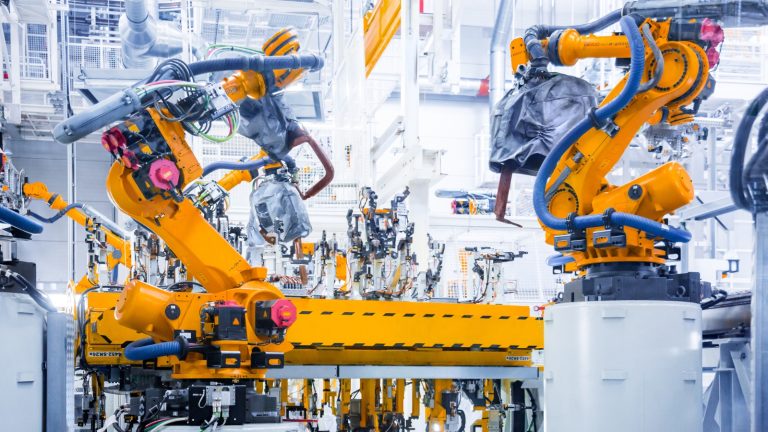
Each piece of manufacturing equipment plays a distinct role on the production floor. Understanding what each machine does and how to maintain it is essential for any manufacturer serious about efficiency, safety, and long-term profitability.
CNC (Computer Numerical Control) Machines
CNC machines are precision machining workhorses used across automotive, aerospace, electronics, construction, and jewellery industries, among many others.
These devices can mill, lathe, drill, cut, engrave, and etch with a level of accuracy that conventional machines simply cannot match. All movements and actions are controlled by preprogrammed computer software, removing the variability of manual operation entirely.
Modern CNC machining has also become integral to renewable energy production, including solar panels, wind turbines, and battery storage systems. In aerospace and defence, aircraft components and precision parts would be far more difficult to produce without CNC lathes. Construction applications include custom fittings for HVAC systems and structural supports, while automotive and rail manufacturers rely on them for consistent component production.
Preventive Maintenance Essentials: Check and top up coolant levels regularly. Grease all moving parts to reduce friction and wear. Keep the spindle clean and inspect for material buildup. Perform frequent tool offsets and machine alignments.
Injection Moulding Machines
Injection moulding machines are designed for the mass production of parts by injecting molten material, typically plastic or metal, into precisely shaped moulds.
They are widely used across automotive, consumer products, medical, and supply chain manufacturing. The three main types are hydraulic, mechanical, and electric, each with distinct performance characteristics. The process involves feeding plastic pellets into a hopper, heating them to a molten state, injecting the liquid into a mould, cooling it, and ejecting the finished part.
The range of products produced through injection moulding is vast, covering toys, storage containers, valves, bottle caps, automotive panels, dashboards, and bumpers.
Preventive Maintenance Essentials: Clean the barrel and nozzle after every use. Inspect and replace worn mould components. Grease moving parts and change seals as needed. Check hydraulic systems for leaks or pressure irregularities.
Lathe Machines
Lathes are used in both woodworking and metalworking to shape materials through rotation. The workpiece rotates while cutting, sanding, drilling, or tapping tools are applied to achieve smooth, even forms.
They are commonly used in producing metal components such as shafts, bolts, nuts, and fittings, as well as creative applications like musical instruments, baseball bats, rings, and pens.
Preventive Maintenance Essentials: Inspect the drive belt and replace if worn. Clear chips from the chuck and toolpost regularly. Check tailstock, headstock, and bed alignment frequently. Oil all moving parts and monitor for any leaks.
Milling Machines
Milling machines use rotating cutting tools to remove material from a workpiece, making them essential in automotive, aerospace, and tooling industries.
They can flatten surfaces, drill holes, and cut through both flat and curved materials with precision. Beyond manufacturing, milling machines are used in road repairs to cut asphalt and concrete, in shipbuilding for structural repairs, and in oil and mining industries for equipment maintenance.
Preventive Maintenance Essentials: Check and adjust spindle alignment regularly. Oil feed screws and guideways frequently. Keep cutting instruments sharp and replace when dulled. Clean the worktable and coolant system thoroughly after each use.
Press Machines (Hydraulic, Mechanical)
Press machines shape or mould materials including metal, plastics, marble, and rubber by applying high compressive force through a punch and die system.
They are primarily used in sheet metal fabrication, electronics, automotive production, and packaging operations.
Preventive Maintenance Essentials: Check hydraulic fluid levels and replace on a regular schedule. Inspect pressure settings and hydraulic systems for leaks. Oil moving components such as the ram and slide. Regularly clean and inspect the die to maintain consistent output quality.
Examples of Press Machine Preventive Maintenance
- Check hydraulic fluid levels and change the fluid regularly.
- Check the pressure adjustment and hydraulic system for leaks.
- Oil moving parts such as the ram and slide.
- Regularly check and clean the die to maintain uniform quality.
Welding Machines
Welding machines fuse two pieces of metal together permanently using heat, pressure, or a combination of both, often with a filler rod to strengthen the bond.
They are common in construction, automotive manufacturing, and metal component production. Applications range from creating complex metal assemblies to repairing structural weaknesses in existing equipment.
Preventive Maintenance Essentials: Monitor gas supply levels and replace cylinders when required. Inspect power supply, cables, and connectors for any signs of damage. Keep nozzles and tips clear of blockages. Replace heavily worn electrodes and welding wire promptly.
Welding Machine Preventive Maintenance Examples
- Always monitor the gas supply, change cylinders when required.
- Examine the power supply, cables and connectors for any damage.
- Keep nozzle and tip clear of clogs.
- Replace electrodes and welding wire that are heavily worn.
Conveyor Systems
Conveyor systems move materials and products from one location to another within a facility, significantly reducing manual labour and keeping production flowing consistently.
They are found in food processing and packaging plants, automotive assembly lines, electronics manufacturing, and recycling facilities where they sort and route materials efficiently.
Preventive Maintenance Essentials: Grease rollers, pulleys, and all moving components. Inspect and replace worn belts on a scheduled basis. Check belt and chain alignment and tension regularly. Keep the entire system clean to prevent material buildup and jamming.
Examples For Conveyor System Preventive Maintenance
- Grease rollers, pulleys and moving parts.
- Inspect and replace worn-out belts.
- Inspect belts and chains for alignment and tension.
- Keep the system clean to avoid buildup.
Robotic Arms
High-end automation is integrated into the robotic arms for efficient material handling, lower workforce cost and a safer working environment. It has become a trend to employ them in manufacturing to build products and handle heavy or toxic materials, in agriculture to pick fruit, and in warehousing to sort packages.
Plus, they are beneficial in space exploration activities.
Examples for Robotic Arm Preventive Maintenance
- Calibration and Alignment of the Robot for Accuracy.
- Continuously check the joints, actuators and grippers of the robot to clean it.
- Lightly oil the hinges to minimise resistance.
- Verify you are using the latest software or sensor version for precision.
Heat Treatment Furnaces
A heat treatment furnace is beneficial for annealing, quenching and tempering to alter the characteristics of metals, especially within the automotive and aerospace industries. It functions by heat-treating materials at a certain temperature, and then regulating cooling rates to reach the properties, such as strength, hardness or electrical conductivity.
Examples of Preventive Maintenance for a Heat Treatment Furnace
- Check for wear and damage in insulation and seals.
- Clean the furnace’s interior and scale deposits.
- Inspect gas lines and burners for leaks.
- Temperature controls should be inspected and calibrated often.
Forklifts
Manufacturers employ forklifts to lift, move, and stack material in warehouses, production lines, and shipping and receiving departments. They have become widespread in shipping, construction, agriculture and waste management. Routine treatment guarantees real-time operation.
Forklift Preventive Maintenance Examples
- Apply oil to the lift mechanism and controls.
- Charge the battery and check the electrical system.
- Examine and service the hydraulic system for leaks or for losing pressure.
- Inspect tyres for wear and make sure they have the appropriate air pressure.
Grinders (Surface, Cylindrical)
Grinders are tools that you can use for grinding, metal cutting, polishing and sanding work, for example, in the aerospace industry and the automotive such as wind turbines and many other things.
With them, you can erase rust, paint and cut metal, shape wood and polish surfaces.
Examples for Grinder Preventive Maintenance
- Inspect and clean the grinding wheel regularly.
- Make sure that you replace and filter the coolant.
- Oil moving parts, such as: feeder and wheel spindle.
- Verify if the table and spindle are well aligned.
Laser-Cutting Machines
Laser cutting machines are devices your factory can use to precisely cut a range of materials, including metals, plastic and wood.
They are popular for machine tools, jigs, fixtures, moulds, special tooling and many applications, including signs, jewellery, moulds and other applications.
Laser-Cutting Machine Preventive Maintenance Examples
- Check and service the cooling system for overheating.
- Keep the lens and mirrors clean; dust or grease on the lens will reduce the quality of the laser beam.
- Verify gas levels and pressure for best cutting performance.
However, always keep in mind that when using the laser measure, you should make frequent tests and step the device to ensure ongoing accuracy.
Packaging Machines
Packaging machines automatically pack, fill, seal, wrap, bag and label a variety of products. They are trending in the manufacturing domains of food processing, medicines, cosmetics and consumer goods.
Examples For Packaging Machine Preventive Maintenance
- Check and change worn components like seals and nozzles.
- Lubricate conveyor belts and gears.
- Make sure there are no jams, and clear any materials if necessary.
- Regularly maintain the sealing and labelling heads.
Chillers and Cooling Systems
Chillers cool the fluid in a process that involves rinsing or cooling some equipment, products, or machinery. You can find them in air-conditioning, medical devices, data centres and other industrial applications.
Examples of Preventive Maintenance for a Chiller and Cooling Systems
- Check coolant and top off or replace as necessary.
- Check hoses, seals and connections for leaks.
- Clean air and water filters for efficient cooling.
- Cleans coils to prevent overheating.
Air Compressors
Air Compressors give you the air for pneumatic tools and equipment. They are also used in conveyors and material handling, machining and milling, food preparation machinery, forestry and lawn mowers.
Air Compressor Preventive Maintenance Examples
- Check the motor and other moving parts for proper lubrication.
- Keep an eye and ear on the air pressure, tweak as needed.
- Make sure and replace the air filter often to avoid dirt from accumulating.
- Regularly drain the tank to minimise moisture collection.
How Cerexio IoT Integration System Integrates with Manufacturing Equipment to Boost Efficiency

Managing 15 different equipment types across a busy production floor is a significant operational challenge. This is where Cerexio’s IoT Integration System changes the equation entirely.
Seamless Multi-Machine Connectivity
Cerexio’s IoT Integration System connects virtually any manufacturing equipment, including CNC units, injection moulding machines, robotic arms, conveyor systems, and more, into a single, unified operational ecosystem. Real-time data flows from every connected machine, breaking down information silos and delivering complete visibility across the entire production floor.
Real-Time Monitoring and Predictive Insights
Cerexio’s data analytics engine collects live performance data including vibration levels, temperature readings, and load metrics from every connected asset. This intelligence powers predictive maintenance across all equipment types, from grinders to chillers, allowing manufacturers to detect emerging issues before they escalate into costly breakdowns. The result is minimised downtime, reduced repair costs, and consistently peak equipment performance throughout every production cycle.
Conclusion
Manufacturing equipment is not just a collection of machines on a factory floor. It is the foundation on which production efficiency, product quality, and business profitability are built.
Understanding what each piece of equipment does, maintaining it proactively, and connecting it to intelligent monitoring systems are the three pillars of a manufacturing operation that consistently outperforms the competition.
With the global machine tools market set to nearly double by 2034, the manufacturers who invest in both the right equipment and the right maintenance strategy today are the ones who will lead their industries tomorrow.
If you are ready to bring real-time intelligence, predictive maintenance, and seamless equipment connectivity to your production floor, Cerexio’s IoT Integration System is built to make manufacturing efficiency a reality, not just a goal.
FAQ about Manufacturing Equipment
The typical lifespan of manufacturing equipment depends on the type of equipment, usage intensity and maintenance quality. Pristine CNC machines, conveyors, or hydraulic systems are still capable of running well even after 10 and sometimes 20 years. Preventive or predictive maintenance programs provide an enormous increase in service life while at the same time decreasing costly unscheduled downtime.
Frequency of preventive maintenance is dependent on machine workload, environment and the manufacturer’s recommendations. The majority of systems need to be checked once a month, serviced quarterly and given a deep clean at least once a year.
Vibration monitoring is useful to detect misalignments, imbalances, faulty bearings, structural compromises, and verify dimensions. Monitoring vibration patterns is a low-cost tool which provides the capability to isolate impending issues and prevent both downtime and short-and long-term production accuracy.
Loading, motor efficiency, quality of lubrication, temperature in the environment, and running parameters affect energy consumption. With power patterns monitored by sensors and automation systems, inefficiencies can be pinpointed to minimise energy waste.
Manufacturers can improve accuracy by proper calibration procedures, maintenance and replacement of spindles and tooling, temperature control, accurate positioning, etc. Our advanced monitoring solution and high-precision sensor network further contribute to the precise cutting accuracy as well as low defects of final products.