
Did you notice that modern factories can lose up to $50 billion annually due to unplanned downtime across global manufacturing operations? That single statistic shows how critical assembly line equipment has become in today’s production environments. Every conveyor, robot, and control system must work in perfect sync.
When even one component fails, the entire line can stop. That is exactly why manufacturers are now shifting toward smarter monitoring, predictive insights, and digital optimisation strategies to keep production running without interruption.
In this article, we explore how assembly-line equipment is important for smart monitoring in manufacturing.
The article covers
- What Is Assembly Line Equipment and Why Does It Matter?
- What Are the Main Types of Conveyor Systems Used in Assembly Lines?
- What Role Do PLCs and Control Systems Play in Assembly Line Equipment?
- What Are Automated Guided Vehicles and Their Functions in Assembly Lines?
- What Specialised Assembly Machines and Actuators Complete the Equipment Mix?
- What Are the Most Common Causes of Assembly Line Equipment Downtime?
- How Does IIoT Sensor Monitoring Maximise Assembly Line Equipment Uptime?
- How Does Predictive Maintenance Reduce Assembly Line Equipment Downtime?
- How Does Digital Twin Technology Optimise Assembly Line Equipment Performance?
- How to Transition from Planning to Implementation?
- FAQs About Assembly Line Equipment
What Is Assembly Line Equipment and Why Does It Matter?
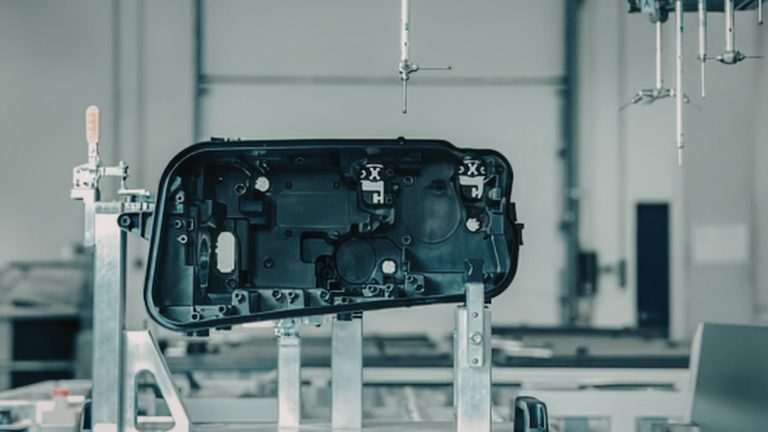
In simple terms, assembly line equipment refers to all machines, systems, and controls that enable continuous production. It plays a central role in improving speed, consistency, and quality while reducing manual effort.
Key Takeaways
- Assembly line equipment is essential for efficient, high-quality manufacturing operations.
- Smart technologies like IIoT and AI significantly improve uptime and reliability.
- Predictive maintenance reduces failures and supports proactive decision-making.
- Digital tools such as MES and digital twins enhance visibility and performance.
Defining Assembly Line Equipment as the Machines, Systems, and Controls That Power Production
Assembly line equipment includes conveyors, robots, actuators, and control systems that move, assemble, and inspect products. These systems work together to create a smooth production flow.
For example, conveyor systems manufacturing setups transport materials between stations, while robotic arms assembly line operations handle repetitive or precise tasks.
Supporting technologies like machine vision inspection ensure quality at every step, significantly reducing errors and waste.
The Evolution From Manual Assembly Lines to Fully Automated, Industry 4.0-Driven Systems
Assembly lines have changed dramatically over time. Let’s explore how.
Early systems relied heavily on manual labour, making them slower and prone to mistakes. Today, advanced factories use Industry 4.0 technologies to automate and optimise production.
Also, intelligent tools such as PLC automation, industrial sensors, and real-time analytics enable machines to communicate and adjust automatically. This shift has improved efficiency, reduced costs, and enabled manufacturers to scale production without compromising quality.
What Are the Main Types of Conveyor Systems Used in Assembly Lines?
From belt, roller, and chain to overhead and inverted types, conveyors are the backbone of production lines. They ensure smooth material flow and reduce manual handling, which improves both speed and safety.
1. Belt Conveyors: Continuous Movement of Parts Between Workstations at Controlled Speeds
Belt conveyors are one of the most widely used conveyor belt types in manufacturing.
They move items continuously using a rotating belt system.
These conveyors are ideal for transporting lightweight to medium-weight products across long distances. Since they operate at controlled speeds, they help maintain consistent production flow and reduce bottlenecks.
Their simplicity, flexibility, and cost-effectiveness make them essential in modern assembly line equipment setups.
2. Roller and Chain Conveyors: Heavy-Duty Transport for Large Components and Palletised Loads
Heavy industries rely on systems like the roller conveyor and chain conveyor to move large or heavy items.
Roller conveyors use rotating cylinders, while chain conveyors use linked chains for stronger support.
These systems are perfect for automotive or machinery production where durability is critical. They can handle palletised loads and harsh environments, and also ensure reliable performance even under demanding conditions.
3. Overhead and Inverted Conveyors: Maximising Floor Space in Automotive and Aerospace Assembly
An overhead conveyor system transports components above the factory floor, freeing up valuable space. This design is common in automotive and aerospace industries, where large assemblies require efficient movement.
Inverted conveyors, on the other hand, operate below the product, allowing better accessibility.
As you can see, both systems improve layout flexibility, enhance worker safety, and enable more efficient use of production space.
What Role Do PLCs and Control Systems Play in Assembly Line Equipment?
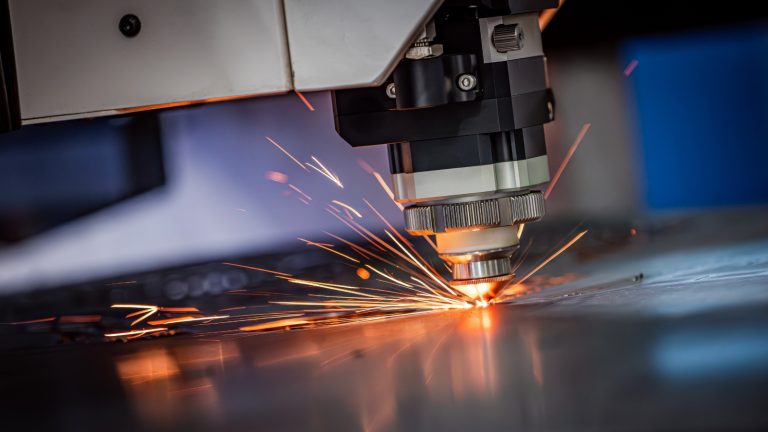
Control systems act as the brain of production lines. They ensure that every machine operates in the correct sequence and responds to real-time data.
Programmable Logic Controllers: The Real-Time Control Backbone Coordinating All Line Equipment
Programmable Logic Controllers PLC are industrial computers designed to control machinery in real time. They receive signals from sensors and send commands to actuators, ensuring smooth operation.
These controllers are highly reliable and can operate in harsh environments. Their ability to execute precise logic makes them essential for coordinating multiple machines across an assembly line.
How PLCs Process Sensor Inputs and Trigger Conveyors, Robots, and Actuators in Sequence
PLCs collect data from devices like proximity sensors, encoder positions, and force torque sensor units. They process this information instantly and trigger actions such as starting conveyors or activating robots. This sequence control ensures that every step in the production process happens at the right time.
As a result, your manufacturing ring company can achieve consistent output and reduce errors significantly.
Human-Machine Interfaces (HMIs): Operator Dashboards for Monitoring and Parameter Adjustment
The HMI interface allows operators to interact with machines through visual dashboards. Workers can monitor performance, adjust parameters, and respond to alerts in real time.
This improves decision-making and reduces downtime. HMIs also make complex systems easier to manage, even for less experienced operators.
SCADA Systems: Supervisory Control and Data Acquisition Across the Full Production Floor
We know that the SCADA system provides a centralised view of the entire production environment. It collects data from multiple machines and displays it in a single interface.
This allows your managers to track performance, identify issues, and optimise operations. Further, SCADA systems play a key role in improving visibility and control across large manufacturing facilities.
What Are Automated Guided Vehicles and Their Functions in Assembly Lines?
Material movement is just as important as production itself. Automated transport systems ensure that components reach the right place at the right time.
AGVs as Material Transport Equipment Moving Parts Between Workstations and Storage Areas
Automated Guided Vehicles (AGVs) are self-driving machines used to transport materials within factories. They follow predefined paths and reduce the need for manual handling.
In many facilities, AGVs connect production lines with storage areas, improving efficiency. Their use is especially common in an AGV warehouse, where they handle repetitive transport tasks safely and reliably.
Types of AGVs: Forklift AGVs, Towing AGVs, Unit Load Handlers, and Heavy Burden Carriers
It is true that different AGVs serve different purposes.
Forklift AGVs lift and move pallets, while towing AGVs pull multiple loads at once. Unit load handlers carry specific items, and heavy burden carriers transport large components.
Likewise, each type is designed to improve material flow and reduce labour costs, making them essential in modern production systems.
Autonomous Mobile Robots (AMRs): Dynamic Navigation Without Fixed Magnetic or Laser Paths
Unlike traditional AGVs, an AMR autonomous mobile robot can navigate freely using sensors and mapping technology. These robots adapt to changes in the environment, avoiding obstacles and finding the best routes.
This flexibility makes them ideal for dynamic production environments where layouts change frequently.
What Specialised Assembly Machines and Actuators Complete the Equipment Mix?
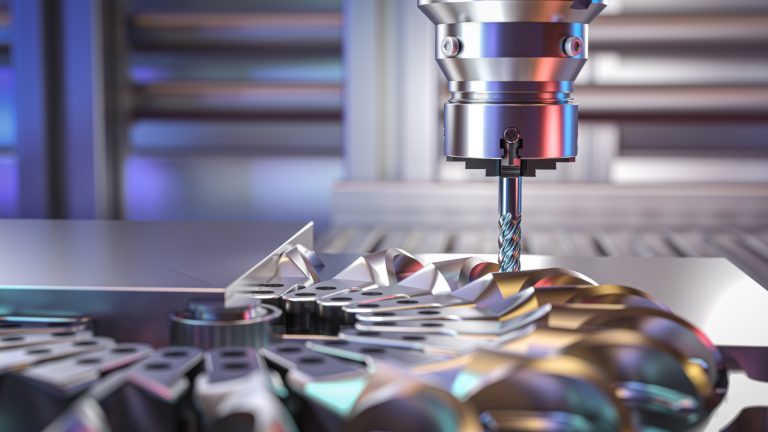
Beyond conveyors and transport systems, specialised machines perform the actual assembly tasks that bring products together.
Fixed Special-Purpose Machines: High-Speed, Repetitive Operations Like Riveting, Pressing, and Screwing
Special-purpose machines are designed for specific tasks such as robotic welding or fastening. These machines operate at high speeds and deliver consistent results.
They are often used in industries where precision and repeatability are critical. Their integration into assembly lines helps increase productivity while maintaining high-quality standards.
Pneumatic Actuators: Fast, Reliable Linear Motion for Clamping, Pushing, and Part Feeding
A pneumatic actuator uses compressed air to create motion. These devices are widely used for tasks like clamping and pushing components.
They are fast, reliable, and easy to maintain. Their simplicity makes them ideal for high-speed operations where quick response times are essential.
Servo Motors and Drives: Precise Positioning Control for Robots and CNC-Integrated Assembly Cells
A servo motor provides accurate control of position, speed, and torque.
This makes it essential for robotics and automated systems.
Servo-driven systems ensure precise movements, which are critical for tasks like assembly and inspection. They also improve efficiency by reducing energy consumption and increasing accuracy.
Parts Feeding Equipment: Vibratory Bowl Feeders, Hoppers, and Linear Feeders Orienting Components
A parts feeder, especially a vibratory bowl feeder, is used to sort and orient small components. These systems ensure that parts are delivered in the correct position for assembly. This reduces manual handling and improves efficiency, especially in high-volume production environments.
CNC Machines: Programmable Precision Machining Integrated Into Multi-Step Assembly Processes
A CNC machine performs automated machining tasks with high precision.
These machines are programmed to produce consistent results, making them ideal for complex components.
When integrated into assembly lines, CNC machines enable seamless production processes from machining to final assembly.
What Are the Most Common Causes of Assembly Line Equipment Downtime?
Even the most advanced systems can fail. Understanding the causes of downtime helps manufacturers take proactive steps to prevent it.
- Unplanned Mechanical Failures: Bearing Wear, Conveyor Belt Breaks, and Actuator Faults
Mechanical failures are one of the main causes of unplanned downtime.
Components like bearings and belts wear out over time. When they fail unexpectedly, production stops immediately.
Regular maintenance and monitoring are essential to prevent these issues and ensure continuous operation.
- Sensor and Vision System Misalignment Causing False Rejects and Line Stoppages
A machine vision system must be properly aligned to function correctly. If sensors are misaligned, they can produce false readings.
This leads to unnecessary rejections and production delays. Regular calibration and monitoring help maintain accuracy and reduce downtime.
- PLC and Software Faults: Incorrect Programming, Network Failures, and Communication Dropouts
Software issues can disrupt entire production lines. Errors in programming or network failures can cause machines to stop or behave unpredictably.
Ensuring proper testing and system updates is critical for maintaining reliable operations.
How Does IIoT Sensor Monitoring Maximise Assembly Line Equipment Uptime?
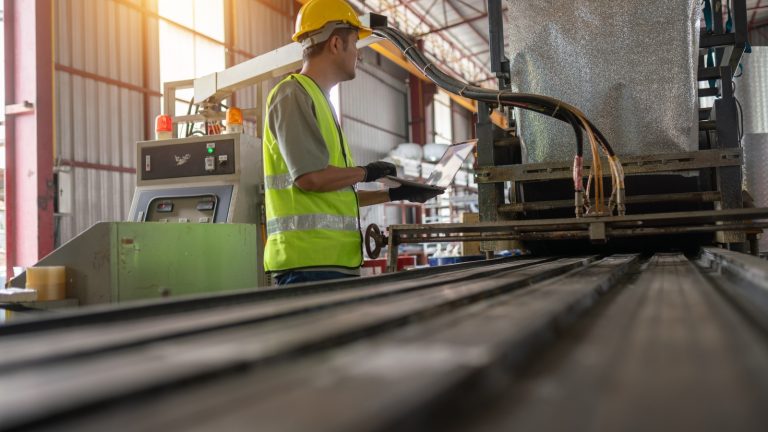
In modern factories, real-time visibility is essential. Smart factory monitoring uses connected technologies to track equipment health continuously. As a result, manufacturers can detect problems early, avoid costly failures, and maintain steady production flow.
Embedding IIoT Sensors Across Conveyors, Robots, and PLCs for Continuous Condition Monitoring
First, manufacturers install sensors across conveyors, robots, and control systems to create a unified IIoT sensor network. These sensors constantly collect operational data such as speed, load, and movement.
As a result, operators gain real-time visibility into equipment performance. This continuous condition monitoring helps detect abnormalities early, allowing teams to respond quickly before issues escalate into serious failures.
Real-Time Vibration, Temperature, and Current Data Identifying Equipment Degradation Early
In addition, sensors track vibration, temperature, and electrical current to detect early signs of wear. Even small changes in these parameters can indicate developing faults. Therefore, maintenance teams can act before breakdowns occur. This proactive approach improves asset reliability and ensures smoother operations.
Over time, it significantly reduces unexpected failures and supports consistent production output.
Edge Computing Processing Sensor Data at the Line Level for Immediate Fault Response
Moreover, edge computing allows data to be processed directly at the production line instead of sending it to distant servers. This reduces delays and enables instant decision-making.
For example, if a fault is detected, the system can trigger immediate corrective actions.
Consequently, response times improve, and potential downtime is minimised, keeping the production line running efficiently.
How Does Predictive Maintenance Reduce Assembly Line Equipment Downtime?
Instead of reacting to failures, manufacturers now predict them. Predictive maintenance manufacturing uses advanced analytics to forecast issues before they occur. This shift helps reduce disruptions and improve operational efficiency.
AI and ML Models Analysing Historical Asset Data to Predict Failure Dates with Precision
AI and machine learning models analyse historical performance data to identify patterns. These systems can accurately predict when components are likely to fail.
As a result, maintenance teams can plan interventions in advance. This data-driven approach improves decision-making and reduces uncertainty, making operations more reliable and efficient.
Scheduling Maintenance Windows During Planned Downtime Rather Than Reactive Emergency Repairs
Furthermore, predictive insights allow maintenance to be scheduled during planned breaks instead of reacting to sudden failures. This ensures minimal disruption to production.
This way, your company can maintain consistent output while reducing repair costs. This approach also improves workforce planning, as teams can prepare for maintenance tasks in advance.
Remaining Useful Life (RUL) Predictions on Mechanical Components Like Bearings and Motors
Equally important, predictive systems estimate the Remaining Useful Life of key components such as bearings and motors. These insights help teams decide the best time to replace parts.
As a result, equipment is used efficiently without risking unexpected breakdowns. This balance between usage and replacement improves long-term performance and reliability.
80%+ Reduction in Unplanned Shutdowns Achievable in the First Year of Predictive Maintenance Adoption
It is clear that companies adopting predictive maintenance often see significant improvements within the first year.
Studies show that downtime reduction can exceed 80%. This dramatic improvement highlights the value of predictive strategies.
Ultimately, businesses benefit from higher productivity, lower costs, and more stable operations.
How Does Digital Twin Technology Optimise Assembly Line Equipment Performance?
Digital transformation has introduced powerful simulation tools. Among them, digital twin simulation stands out as a game-changer for improving efficiency and reducing risks.
Digital Twin Models Replicating Physical Assembly Line Equipment Behaviour in a Virtual Environment
A digital twin creates a virtual replica of physical equipment. This model mirrors real-world behaviour using live data.
As a result, engineers can monitor performance and identify issues without interrupting production. This capability enhances visibility and supports better decision-making across the entire production process.
Simulating Equipment Failures and Testing Control Adjustments Without Halting Real Production
In addition, digital twins allow teams to simulate failures and test solutions safely. Instead of risking real production, engineers can experiment in a virtual environment.
Therefore, they can optimise settings and processes without causing disruptions. This approach reduces risk and improves operational efficiency.
Using Digital Twins to Balance Line Throughput and Identify Bottleneck Workstations
Digital twins help analyse production flow and identify bottlenecks.
By studying system behaviour, teams can adjust workflows to improve throughput. As a result, production becomes more balanced and efficient. This optimisation ensures that no single workstation slows down the entire line.
Virtual Commissioning of New Equipment Before Physical Installation: Reducing Integration Risk
Digital twins enable virtual commissioning of new equipment. This means systems can be tested before installation.
Consequently, integration risks are reduced, and deployment becomes faster. This approach saves time, lowers costs, and ensures smoother implementation of new technologies.
How to Transition from Planning to Implementation?
Moving from strategy to execution requires careful planning and coordination. A structured approach ensures that new systems deliver the expected results.
Early Equipment Selection Aligned with Production Volume, Product Variety, and Cycle Time Targets
To start with, selecting the right equipment is crucial. Manufacturers must consider production volume, product variety, and cycle time requirements. This alignment ensures that the system meets operational needs.
As you can see, your business can achieve optimal performance and avoid costly redesigns later.
Compliance Verification: Safety Standards, PLC Programming Validation, and Integration Testing
Next, compliance checks are essential to ensure safe and reliable operations.
This includes verifying safety standards, validating control logic, and testing system integration.
Therefore, companies can prevent issues before they occur. Proper validation reduces risks and ensures smooth operation from day one.
Installation Supervision Ensuring Correct Sensor Placement, Robot Calibration, and Conveyor Alignment
Finally, proper installation is critical for system performance. Supervising sensor placement, robot calibration, and conveyor alignment ensures everything works as intended.
As a result, the system operates efficiently from the start. This attention to detail helps avoid early failures and improves long-term reliability.
Why Choose Cerexio for Assembly Line Equipment Monitoring and Optimisation?
When your manufacturing company aims to improve uptime, you need more than just a machine. With our years of experience, we know what you need is that intelligence. In such a scenario, assembly line equipment performs best when supported by advanced analytics, automation, and visibility tools. That is exactly where Cerexio delivers value.
AI-Powered Predictive Maintenance Forecasting Failures and Recommending Maintenance Actions
Cerexio solutions, such as MES, use advanced AI models to support predictive maintenance strategies. These systems analyse equipment data and detect early warning signs of failure. As a result, your maintenance teams receive clear recommendations before breakdowns occur.
This proactive approach reduces risks, improves planning, and ensures that production continues without unexpected interruptions.
Digital Twin Technology Simulating Line Performance and Testing Optimisation Scenarios Virtually
In addition, Cerexio MES utilises digital twin simulation to replicate real production environments. This allows your engineers to test different scenarios without affecting live operations. Therefore, your production teams can optimise workflows, adjust system configurations, and identify improvements safely. This capability enhances efficiency while reducing the risks associated with real-world testing.
MES Platform Providing End-To-End Production Visibility, OEE Dashboards, and Quality Traceability
Cerexio’s MES manufacturing execution platform offers complete production visibility. It tracks performance metrics such as overall equipment effectiveness OEE and supports accurate OEE calculation.
As a result, managers can monitor efficiency, identify inefficiencies, and improve decision-making. This level of insight ensures consistent quality and better operational control.
Cerexio-A Digitalised Control In Your Hands
Ready to Maximise Uptime Across Your Assembly Line Equipment?
Achieving high performance requires more than just technology; it requires the right strategy. With the right tools in place, manufacturers can transform operations and achieve measurable results.
Schedule a Consultation with Cerexio Manufacturing Technology Specialists
You can connect with Cerexio experts to assess your current systems. These consultations help identify inefficiencies and areas for improvement. As a result, your company gains a clear roadmap for enhancing performance.
Call for a free demo today.
Discover How Smart Monitoring Transforms Assembly Line Equipment Reliability and Performance
As you can see, manufacturers can explore how smart factory monitoring improves system reliability. Real-time insights allow teams to detect issues early and respond quickly. Consequently, operations become more stable and predictable. This transformation leads to higher productivity and reduced operational risks.
Implement Cerexio’s Digital Systems to Achieve Measurable Uptime, OEE, and Quality Improvements
Finally, implementing Cerexio’s digital solutions enables measurable improvements in uptime and quality. These systems integrate seamlessly with existing infrastructure, ensuring smooth adoption.
As a result, businesses achieve better performance, reduced costs, and stronger competitiveness in the market.
FAQs About Assembly Line Equipment
Assembly line equipment refers to machines, conveyors, robots, and control systems used to automate production processes. These tools move, assemble, and inspect products efficiently. As a result, manufacturers achieve faster output, consistent quality, and reduced manual effort across operations.
Conveyor systems manufacturing improves efficiency by ensuring smooth and continuous material flow between workstations. They reduce manual handling, minimise delays, and maintain consistent production speeds. Consequently, businesses can increase productivity while lowering operational costs and improving workplace safety.
Programmable logic controllers PLC act as the control center of assembly lines. They process sensor data and coordinate machines like conveyors and robots. As a result, production runs in a precise sequence, reducing errors and improving overall efficiency.
Predictive maintenance manufacturing helps detect equipment issues before failures occur. It uses data and analytics to schedule maintenance at the right time. Therefore, companies can reduce downtime, extend equipment life, and improve operational reliability.
Overall Equipment Effectiveness OEE measures how efficiently equipment is used in production. It combines availability, performance, and quality into one metric. As a result, manufacturers can identify losses, improve processes, and increase productivity.