TL;DR A smart MES digitises and orchestrates factory operations, connecting machines, people and systems to create a real‑time, data‑driven production environment. A clear set of implementation steps—from defining objectives and scope to...
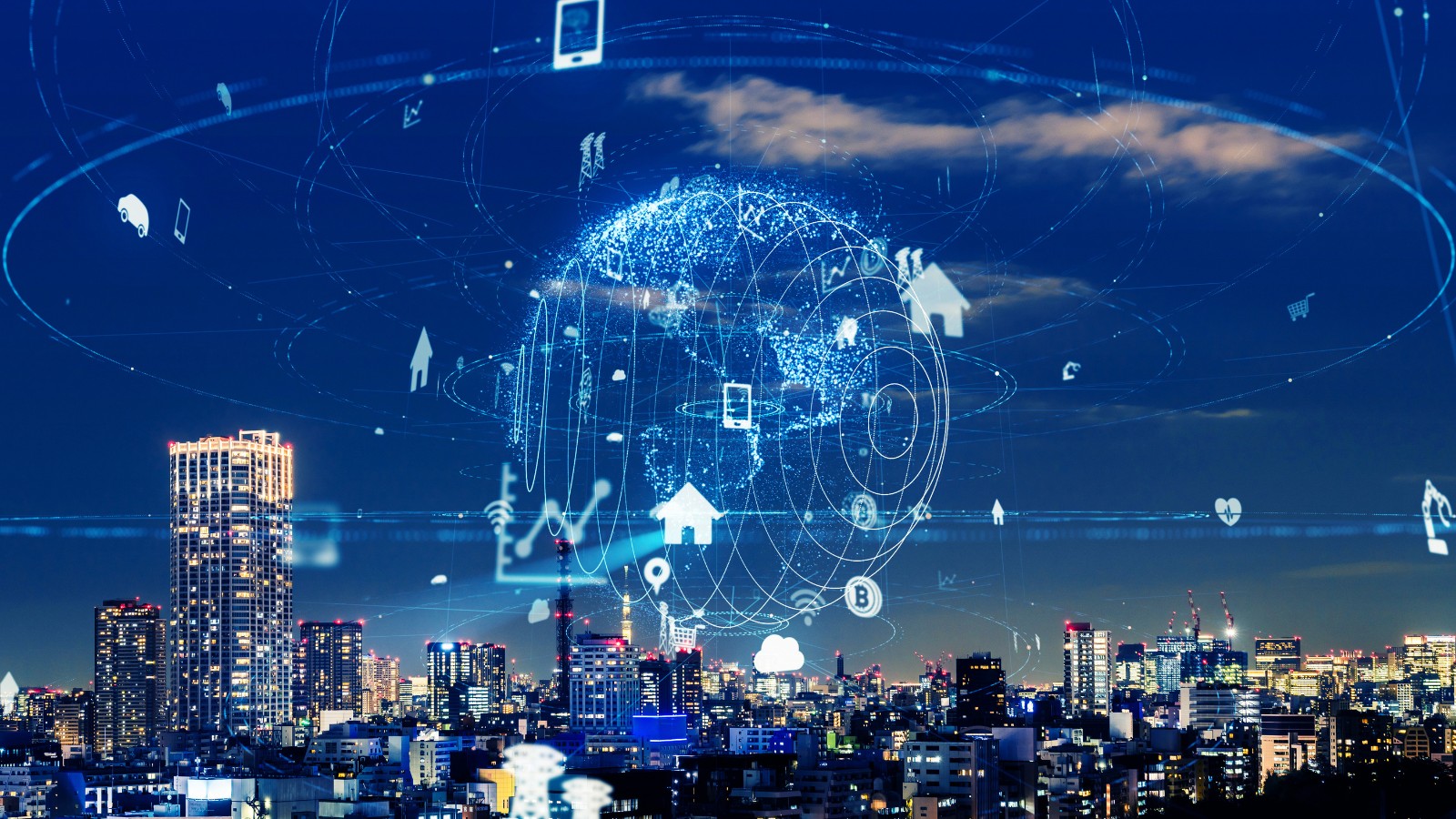
Since the introduction of the Internet of Things (IoT), businesses have unlocked vast amounts of data. IoT comes in various sensors that can detect temperature, soil, motion, air quality,...
Jim Hare, an analyst from Garner, noted in one research paper published in December 2020 that “the way we have been looking at analytics is only half the way...
A data lake is a repository that integrates an enormous amount of structured, semi-structured and unstructured data. This means instead of being restricted to storing only structured data, a...
The benefits digital twin has hailed upon industries since its origin are numerous. From reducing manufacturing costs, to designing prototypes without wasting resources or energy, the digital twin has...
Artificial Intelligence (AI) is a digital replica of a human brain. Softwares or devices which has integrated this capability into their operations expect AI to carry out logical reasoning,...
The semiconductor industry is at the heart of a range of electronics. As a result, semiconductor chips play a significant role in industries such as automotive, consumer electronics, healthcare,...
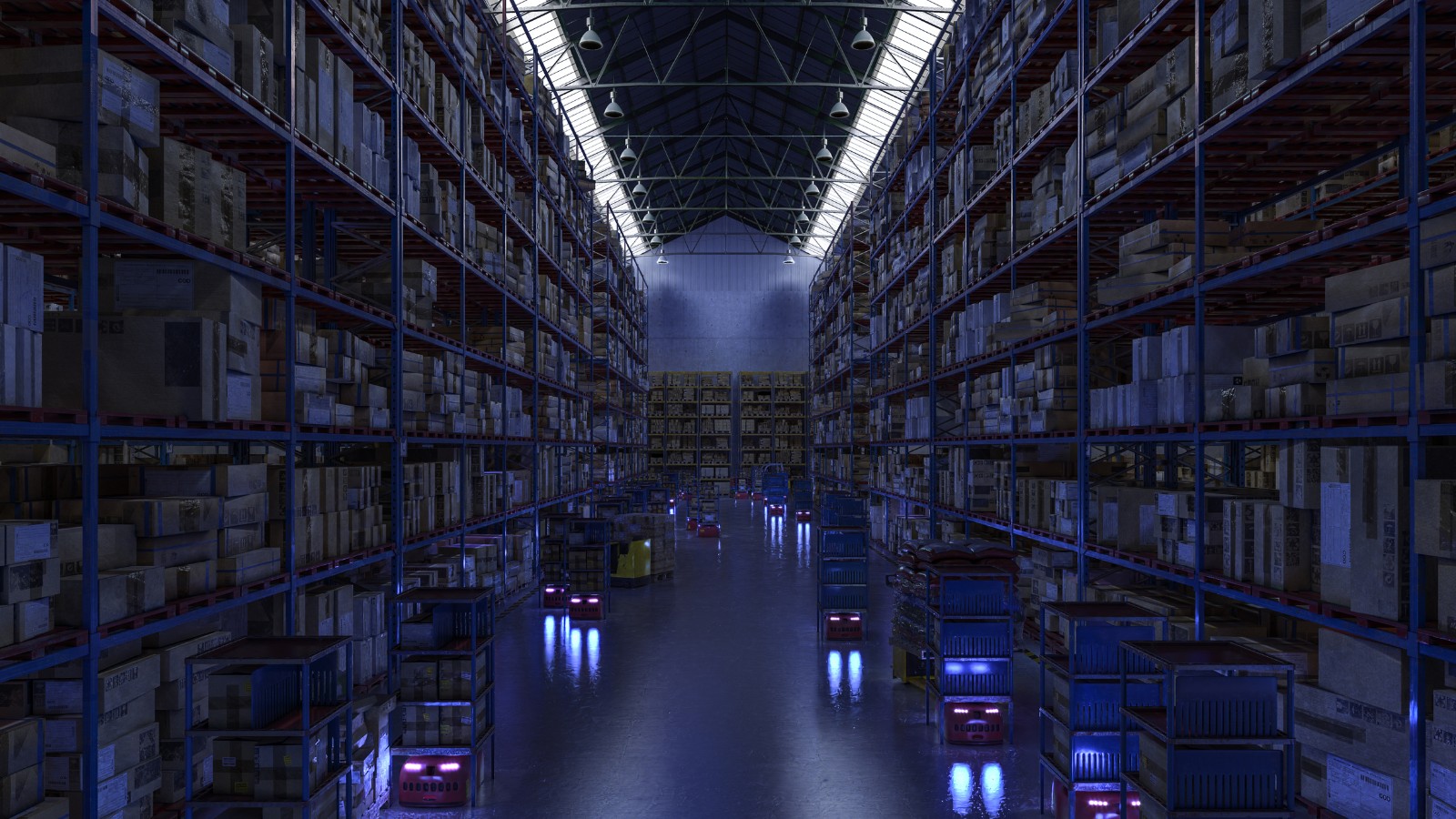
Goods-to-Person (G2P) is a famous term in warehouse automation which refers to the use of digital solutions to deliver the correct item or good to the right operator or...
The manufacturing sector has long been experiencing a labour shortage, even before the pandemic. For instance, a 2018 study predicted that globally more than 8 million jobs in manufacturing...
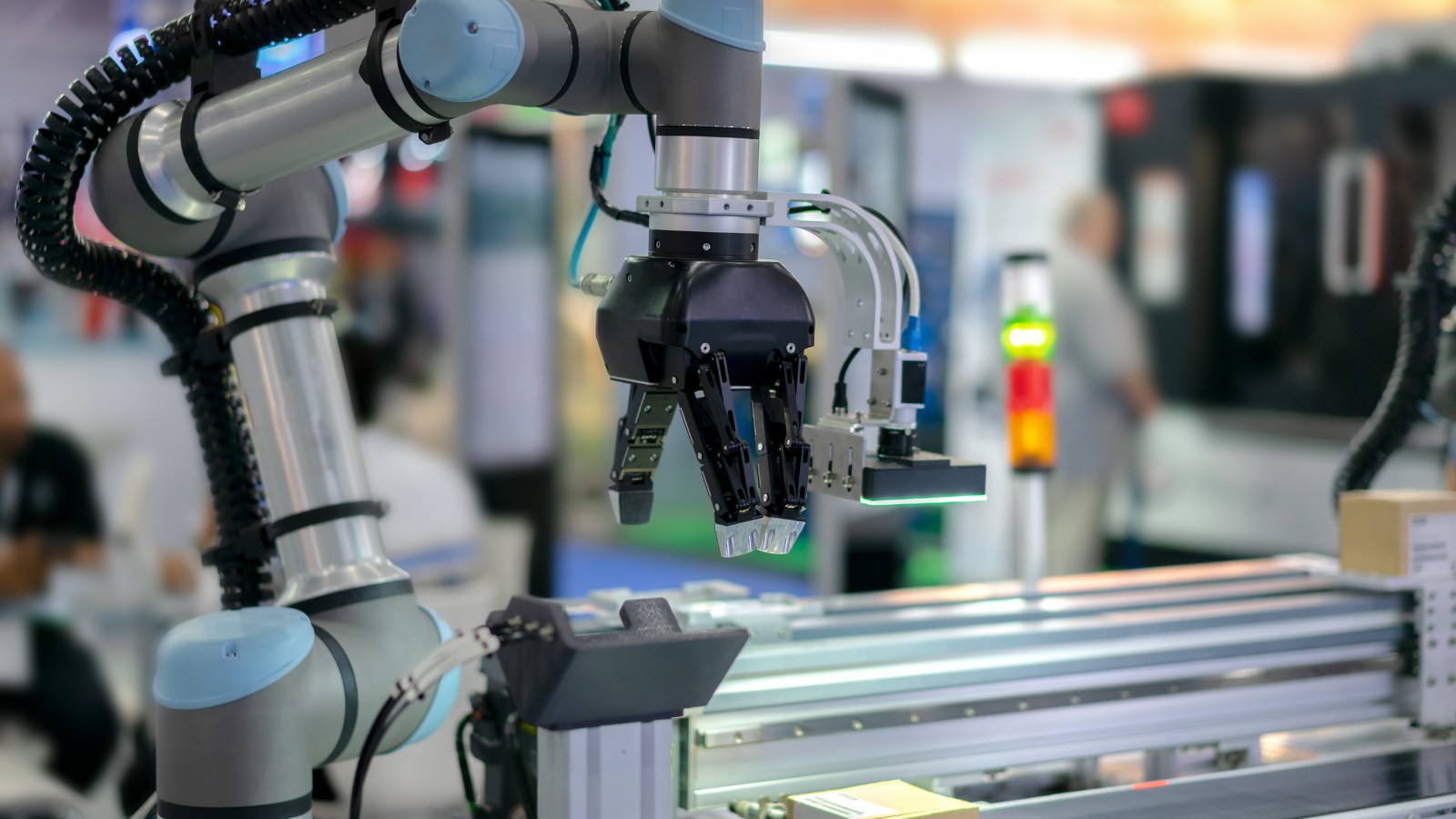
Industrial robots are typically used in factories to carry out various manufacturing tasks. According to the International Standards Organisation, a robot, in this context, is an “automatically controlled, reprogrammable,...