
Did you know the global manufacturing industry is facing one of its most critical turning points since the industrial revolution, a widening manufacturing skills gap that could leave millions of manufacturing jobs unfilled? A significant 90% of manufacturers highlight production as the most affected function due to skill shortages.
Across the manufacturing sector, manufacturers are struggling to find skilled workers with the right manufacturing skills, creating a severe skills shortage. This skills gap problem is not just about hiring; it affects productivity, supply chains, and long-term competitiveness. As automation, technology, and smart manufacturing evolve, your business must rethink workforce planning, talent development, and skills training to build a resilient manufacturing workforce.
The article covers
- What Is The Manufacturing Skills Gap And Why It Matters Today
- Key Causes Behind The Growing Manufacturing Skills Gap Crisis
- The Impact Of The Skills Gap On Manufacturing Businesses And Supply Chains
- Critical Skills Required In Modern Manufacturing Environments
- Workforce Challenges In Manufacturing: Talent, Training, And Retention
- How Automation And Technology Are Reshaping Manufacturing Skills Needs
- Strategies To Close The Manufacturing Skills Gap Effectively
- The Role Of Workforce Development And Apprenticeship Programmes
- How Smart Manufacturing And Digital Skills Transform Workforce Capability
- Future Outlook: Building A Resilient Manufacturing Workforce
- FAQs About The Manufacturing Skills Gap
What Is The Manufacturing Skills Gap And Why It Matters Today
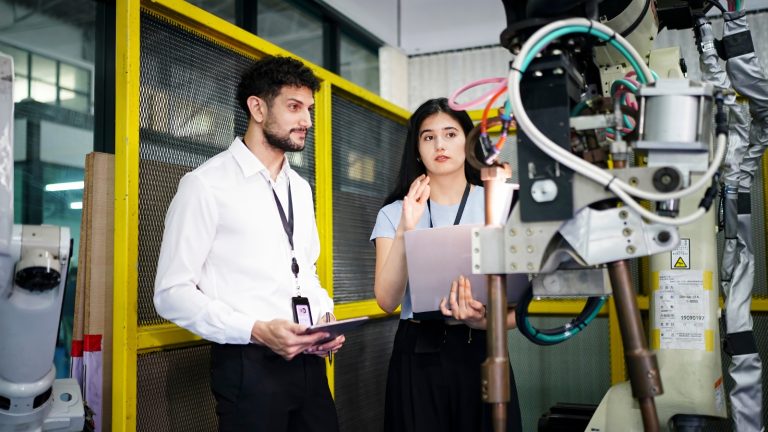
The manufacturing skills gap refers to the mismatch between available skills and the skills requirements needed to fill modern manufacturing positions in today’s rapidly evolving manufacturing environment.
Key Takeaways
- Demand forecasting is critical for aligning production, inventory, and supply chain operations in manufacturing environments.
- Using a mix of quantitative forecasting, qualitative forecasting, and predictive analytics significantly improves forecast accuracy.
- Accurate forecasts help reduce costs, minimise waste, and enhance overall operational efficiency.
- Continuous monitoring, advanced forecasting tools, and adaptable systems are key to long-term forecasting success.
Understanding The Skills Gap Problem In Manufacturing
The skills gap is not a new issue, but the current skills gap is more complex than ever. It reflects a growing divide between the required skills and the capabilities of the manufacturing workforce.
Many manufacturing companies report an organisational skills gap, where even existing employees lack the technical skills, analytical skills, and digital skills needed for modern manufacturing processes.
This skills gap problem is intensified by outdated training systems. It leaves prospective manufacturing employees unprepared for real-world manufacturing work and evolving job roles.
Why The Manufacturing Industry Faces A Workforce Crisis
The manufacturing industry faces a workforce crisis due to an ageing production workforce, declining interest in blue-collar workers, and increased demand for skilled workforce talent.
Many younger workers prefer white-collar jobs, avoiding careers in factories and manufacturing facility environments.
At the same time, manufacturing jobs now require a broader skillset, including technical training skills, problem-solving skills, and teamwork.
This creates a talent gap, where employers cannot find skilled personnel for skilled production positions across manufacturing sectors.
Key Causes Behind The Growing Manufacturing Skills Gap Crisis
The manufacturing skills gap is driven by structural, educational, and technological factors that continue to widen the disconnect between talent supply and demand.
Lack Of Skilled Workers And Talent Pipeline Issues
A major cause of the skills shortage is a weak talent pipeline.
Many manufacturing firms struggle with talent acquisition, as fewer candidates possess the necessary skills and industry familiarity required for manufacturing operations. The shortage of skilled employees, skilled production workers, and skills workers has created a huge workforce requirement across many industries.
Without a strong workforce-ready talent pipeline, manufacturers position themselves at risk of falling behind competitors in a competitive manufacturing industry.
Outdated Training And Education Systems
Traditional education systems often fail to align with modern manufacturing requirements. There is a lack of emphasis on technical training, stem skills, and demand-driven skills training, resulting in graduates without adequate stem skills.
Programmes like apprenticeship programmes and work-based learning are underutilised, limiting work experience opportunities.
Without updated skills development programmes, the gap between employee skills and skill requirements continues to grow.
Perception Issues Around Manufacturing Careers
The perception of manufacturing careers has also contributed to the skills gap obstacles. Studies like the manufacturing perception study show that many people still associate manufacturing work with poor work conditions, repetitive tasks, and limited growth.
This discourages talent from entering the manufacturing field, even though modern advanced manufacturing facility environments rely on technology, automation, and intelligent manufacturing system innovations.
The Impact Of The Skills Gap On Manufacturing Businesses And Supply Chains
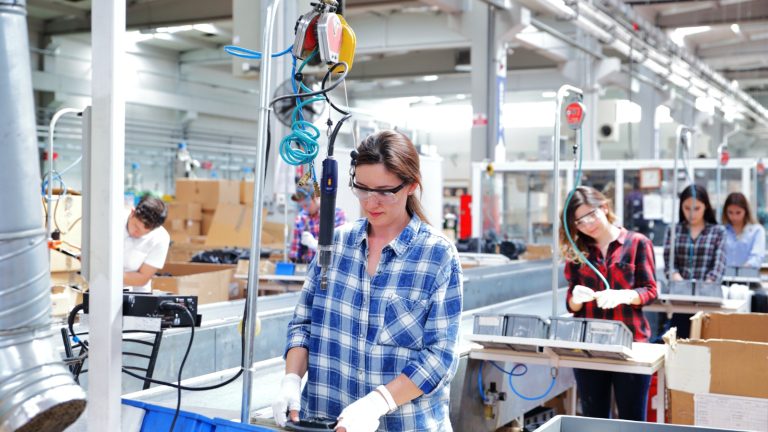
The manufacturing skills gap directly affects business performance, operational efficiency, and global competitiveness.
- Reduced Productivity And Production Efficiency
A shortage of skilled workers reduces productivity and overall production efficiency. Without a skilled production workforce, manufacturing processes slow down, leading to delays in delivering industrial products.
Moreover, production workers and engineers must often compensate for gaps in expertise, increasing workload and reducing efficiency. This creates a cycle where job results decline, and operational costs rise.
- Disruptions Across Supply Chains And Inventory
The skills gap disrupts supply chains, causing delays in inventory management and order fulfilment.
Inefficient manufacturing operations impact the entire supply chain, from raw materials to finished goods. For example, from the global industries, the U.S. manufacturing industry, disruptions in the manufacturing segment performance highlight how workforce shortages can affect global trade.
These challenges impact manufacturing companies and manufacturing organisations alike.
- Increased Costs And Workforce Challenges
The skills shortage leads to rising labour costs and a widening wage gap.
This is where companies must invest more in talent management, recruitment, and employee retention strategies.
Poor workforce planning results in workforce challenges, including high turnover and low morale. This also affects workforce expectations, making it harder to build a productive workforce across workplaces.
Critical Skills Required In Modern Manufacturing Environments
Modern manufacturing industries demand a diverse mix of technical and interpersonal capabilities.
Technical Skills And Digital Skills For Smart Manufacturing
Today’s smart manufacturing environments rely heavily on automation, machines, and heavy machinery. Workers must possess technical skills, digital skills, and the ability to operate manufacturing equipment within an intelligent manufacturing system.
In the automotive industry, advanced systems require engineers with strong math skills and technical training skills to manage complex operations.
Soft Skills And Analytical Skills For Modern Workplaces
Beyond technical expertise, soft skills such as teamwork, communication, and problem-solving skills are critical.
Employees must analyse data, apply analytical skills, and adapt to evolving workforce categories. These common skills enable better collaboration across specific workforce segments and improve decision-making in high-pressure manufacturing environments.
Emerging Skillsets For Advanced Manufacturing Facilities
Modern advanced manufacturing facility environments require a smart skillset that combines overlapping skills across disciplines.
Workers need both technical skills and basic employability skills, including adaptability and continuous learning.
As higher-level skills grow, the demand for high-demand skills increases, shaping the future of modern manufacturing workers.
Workforce Challenges In Manufacturing: Talent, Training, And Retention
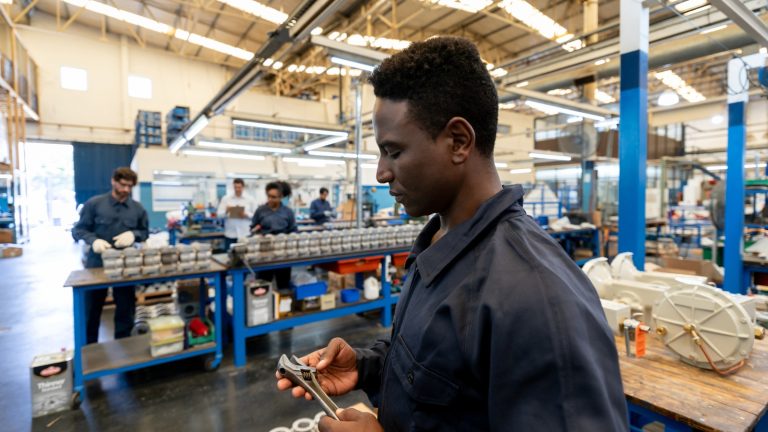
Addressing the manufacturing skills gap requires tackling key workforce issues across hiring, training, and retention.
Workforce Planning And Talent Management Issues
Effective workforce planning is essential to align talent with business goals, yet many organisations still underestimate its strategic importance. Poor talent management and weak talent strategies create long-term inefficiencies in workforce capability, especially as the manufacturing industry evolves rapidly.
Apart from this, businesses often fail to anticipate future skills requirements, leading to mismatches in hiring and underutilisation of skilled employees.
Without proactive planning, companies struggle to support overall manufacturing growth, adapt to changing job roles, and maintain a competitive edge. Strong alignment between business objectives and workforce planning is critical to overcome ongoing talent issues.
Employee Retention And Work Conditions In Factories
Poor work conditions, demanding shift work, and limited career progression remain major barriers to employee retention in modern factories.
Many manufacturers still operate in environments that fail to meet evolving workforce expectations, causing skilled talent to leave for better opportunities.
Retaining skilled employees requires more than competitive salaries; it demands safe, engaging workplaces, continuous development, and clear career pathways. Improving the employment brand is essential to attract and retain talent, especially as competition for the skilled workforce increases.
Forward-thinking organisations are redesigning workplaces to support well-being, flexibility, and long-term employee engagement.
Skills Shortages Across Different Workforce Categories
Different workforce categories face varying levels of skills shortages, making the manufacturing skills gap a complex and multi-layered challenge.
From entry-level production workers to highly specialised engineers, the lack of necessary skills affects every level of the manufacturing workforce. Certain specific workforce segments, such as skilled production workers, are particularly impacted due to increasing technical demands.
Addressing these workforce areas requires targeted recruitment, specialised training, and tailored development programmes.
Companies must also recognise differences across different workforce categories and invest in strategies that build a balanced, future-ready workforce across all roles.
How Automation And Technology Are Reshaping Manufacturing Skills Needs
Technology is transforming how work is performed in modern manufacturing sectors.
Role Of Automation And Machines In Modern Factories
As you can see, automation and advanced machines are transforming how manufacturing processes operate in today’s factories, enabling faster production and improved consistency.
However, this shift also redefines traditional job roles, requiring workers to develop additional skills to operate, monitor, and maintain complex machinery. The rise of intelligent systems means that even basic production workers must understand digital interfaces and data-driven workflows.
While automation reduces manual effort, it increases the demand for technical expertise, creating new expectations across the manufacturing workforce. Companies must ensure their teams are equipped to work alongside machines, not be replaced by them.
Digital Transformation And Industry 4.0 In Manufacturing
The rapid advancement of technology and tech innovations is driving a new era of talent-driven innovation across the manufacturing industry. With the adoption of Industry 4.0, smart factory managers must oversee interconnected systems that rely on real-time data, automation, and advanced analytics.
This transformation requires workers to develop strong digital skills and adapt to evolving manufacturing processes. Businesses that embrace digital transformation gain significant advantages in efficiency, flexibility, and decision-making.
However, without the right talent and training, organisations risk falling behind in an increasingly competitive and technology-driven landscape.
Balancing Human Skills With Intelligent Systems
The future of manufacturing lies in balancing human expertise with intelligent manufacturing system capabilities.
While automation enhances efficiency, human skills such as critical thinking, adaptability, and problem-solving skills remain essential. Workers must develop the right skills to complement advanced systems, ensuring seamless collaboration between people and technology.
This balance is key to building long-term workforce capability and sustaining innovation. Organisations that successfully integrate human talent with intelligent systems will create more resilient, agile operations.
Ultimately, the goal is not to replace workers, but to empower them within a smarter, more connected manufacturing environment.
Strategies To Close The Manufacturing Skills Gap Effectively

Businesses must adopt proactive strategies to address the manufacturing skills gap.
Building Demand-Driven Skills Training Programmes
Implementing demand-driven skills training is one of the most effective ways to close the skills gap in today’s evolving manufacturing industry. These programmes focus on equipping workers with the necessary skills that directly align with real-world manufacturing requirements and emerging job roles.
Companies that invest in structured skills training and scalable skills development programmes can build a more adaptable production workforce. This approach also ensures employees develop both technical skills and digital skills, enabling them to operate modern manufacturing equipment efficiently.
Ultimately, targeted training reduces the mismatch between skill requirements and workforce capabilities.
Strengthening Talent Acquisition And Employer Branding
Strong talent acquisition strategies are essential to overcoming the manufacturing skills gap, especially in a competitive job market. By leveraging job boards and refining their employment brand, employers can attract high-quality candidates with the right skills and industry familiarity.
Modern manufacturing companies must position themselves as innovative workplaces that offer growth, stability, and exposure to advanced technology. Highlighting opportunities in smart manufacturing, automation, and career progression can attract both experienced professionals and prospective manufacturing employees.
A compelling brand not only attracts talent but also supports long-term employee retention.
Improving Workforce Capability Through Continuous Learning
Continuous learning is critical to enhancing workforce capability in a rapidly changing manufacturing environment. Programmes such as on-the-job training and work-based learning allow employees to gain practical experience while developing essential employee skills.
Encouraging lifelong learning ensures workers stay updated with evolving manufacturing processes, new tools, and advanced technology. This approach also helps employees build additional skills, improving adaptability across different job roles.
Organisations that prioritise continuous development create a more agile and skilled workforce, capable of responding to industry changes and maintaining long-term operational efficiency.
The Role Of Workforce Development And Apprenticeship Programmes
Workforce initiatives are critical to building a sustainable talent pipeline.
Importance Of Apprenticeships In Manufacturing
Regular apprenticeships and structured apprenticeships play a vital role in bridging the manufacturing skills gap by providing hands-on, real-world experience. These programmes enable workers to gain practical manufacturing experience/know-how while developing critical skills required in modern manufacturing jobs.
Apprenticeships are particularly effective in strengthening skilled trades, ensuring a steady supply of qualified talent for essential roles.
They also support workforce development by combining classroom learning with on-site training. For manufacturers, investing in apprenticeship programmes is a long-term strategy to build a reliable and capable skilled workforce.
Creating Workforce-Ready Talent Pipelines
Building a strong talent pipeline is essential for sustaining growth in the manufacturing sector.
A well-developed pipeline ensures a continuous flow of skilled workforce talent ready to fill critical manufacturing positions. Collaboration with a manufacturing institute allows companies to shape training programmes that align with industry needs and skills requirements.
By focusing on early talent engagement and structured career pathways, organisations can attract and retain prospective manufacturing employees. This approach not only addresses immediate hiring challenges but also strengthens long-term workforce capability across the organisation.
Collaboration Between Industry And Training Institutes
Effective collaboration between industry and education providers is key to closing the skills gap in manufacturing industries. Partnerships with training institutions help align technical training programmes with real-world manufacturing processes and evolving technology demands.
These collaborations ensure that graduates possess the required skills and technical training skills needed to succeed in modern workplaces.
By working together, organisations and institutes can design curricula that reflect actual industry challenges, improving employability and reducing onboarding time. Strong partnerships also foster innovation and support continuous talent development within the manufacturing community.
How Smart Manufacturing And Digital Skills Transform Workforce Capability
Digital transformation enhances productivity and workforce capability across modern manufacturing sectors.
Smart Manufacturing Systems And Workforce Efficiency
Smart manufacturing systems are revolutionising how organisations operate by integrating advanced technology, automation, and data-driven insights into everyday manufacturing processes.
These systems significantly improve productivity while enabling more efficient use of manufacturing tools and manufacturing equipment across factories. By reducing manual errors and optimising workflows, companies can achieve higher production efficiency and consistent output.
More importantly, these systems support the development of a resilient manufacturing workforce by empowering employees to work smarter, not harder.
As manufacturers adopt intelligent systems, they create more agile and responsive operations that can adapt to changing market demands.
Role Of Digital Skills In Modern Manufacturing Jobs
In today’s evolving manufacturing industry, digital skills are no longer optional; they are essential for performing modern job roles effectively. Workers must be able to interact with advanced machines, software platforms, and interconnected systems that define smart manufacturing environments.
From monitoring real-time data to managing automated processes, modern manufacturing workers require both technical skills and digital fluency. These capabilities allow employees to handle complex tasks, improve decision-making, and contribute to overall operational success.
As the demand for high-demand skills grows, companies must prioritise digital upskilling to ensure their workforce remains competitive in a technology-driven landscape.
Leveraging Technology For Talent Development
Employing technology for talent development is a powerful strategy to address the ongoing manufacturing skills gap. Digital platforms, simulation tools, and e-learning systems enable continuous skills training and personalised learning experiences for employees.
This approach helps build critical employee skills, including technical skills, analytical skills, and problem-solving skills, which are essential in modern manufacturing environments.
For manufacturing companies, investing in technology-driven training programmes enhances workforce capability while fostering talent-driven innovation. By embracing digital learning, organisations can accelerate growth, improve performance, and develop a future-ready workforce.
Future Outlook: Building A Resilient Manufacturing Workforce
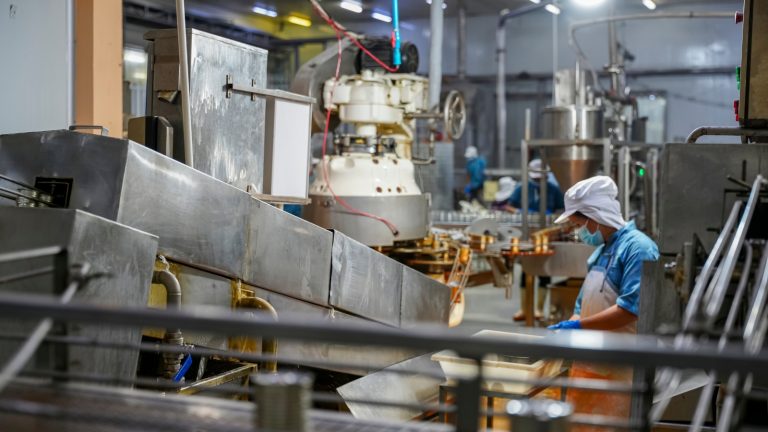
The future of manufacturing depends on strategic workforce transformation and continuous innovation.
Creating A Sustainable And Skilled Workforce
Building a sustainable manufacturing workforce requires a balanced approach that combines skills development programmes, advanced technology, and a strong organisational culture.
Companies must invest in continuous skills training to equip employees with the necessary skills needed for evolving manufacturing processes. A focus on inclusivity, well-being, and career growth helps attract and retain a skilled workforce.
Additionally, aligning workforce strategies with long-term business goals ensures stability and adaptability. Organisations that prioritise sustainability in workforce planning will be better positioned to navigate future challenges and maintain competitiveness in the global manufacturing industry.
Preparing For Future Manufacturing Industry Trends
The manufacturing industry is undergoing rapid transformation driven by emerging trends such as automation, digitalisation, and global supply chain shifts.
To stay competitive, organisations must adapt to these changes by developing the right skills and embracing innovation. Future success will depend on the ability to integrate new technologies into existing manufacturing operations while maintaining flexibility.
As industries evolve, companies must anticipate shifts in job roles and prepare their workforce accordingly.
By staying ahead of trends, businesses can build resilience and ensure long-term success in a dynamic and competitive environment.
Long-Term Workforce Strategies For Manufacturing Companies
For manufacturing companies, long-term success depends on building a strong workforce capability through strategic planning and continuous talent development. Organisations must implement forward-thinking talent strategies that address both current and future skills requirements. This includes investing in leadership development, fostering innovation, and creating opportunities for career progression.
By aligning workforce initiatives with business objectives, companies can create a more agile and adaptable workforce.
A strong focus on innovation and learning ensures that organisations remain competitive while addressing the ongoing manufacturing skills gap effectively.
Future-Ready Workforce Upskilling With Cerexio’s Immersive And Customisable Solutions
Cerexio software solutions transform workforce development using immersive technologies like AR, VR, Digital Twin, and AI to upskill your manufacturing workforce for the future. Unlike rigid systems, Cerexio software solutions are fully customisable to any workforce size, workflow, or industry need.
It enables real-time progress tracking, remote workforce monitoring, and personalised learning paths. Through gamification, employees engage in interactive training that improves retention and performance.
Whether managing a small team or a global operation, Cerexio adapts seamlessly. We deliver a flexible, scalable, and intelligent approach that evolves with your business, not a fixed, one-size-fits-all solution.
Call for a free demo.
Cerexio- Upskill Your Employees Now
Closing The Manufacturing Skills Gap: Turning Crisis Into Competitive Advantage
This is not just a workforce issue; it is a human story unfolding across the manufacturing industry. The manufacturing skills gap is here, quietly widening with every missed hire and every outdated skill. But within this challenge lies a powerful opportunity.
By investing in workforce development, empowering people through technology, and building meaningful career pathways, manufacturing companies can reignite purpose, restore balance, and shape a future where both people and production thrive together.
FAQs About The Manufacturing Skills Gap
The manufacturing skills gap is the difference between the skills employers need and the skills workers currently have, which leads to unfilled manufacturing jobs and lower productivity across the manufacturing industry.
The skills shortage in manufacturing happens because of outdated training systems, fewer skilled workers, and fast changes in technology and automation, making it harder for companies to find workers with the right skills.
Modern manufacturing jobs require a mix of technical skills, digital skills, analytical skills, and soft skills, helping workers operate advanced systems, solve problems, and adapt to changing manufacturing processes.
Companies can solve the manufacturing skills gap by investing in skills training, apprenticeship programmes, and workforce development, ensuring employees gain the right skills needed for modern manufacturing roles.
Automation changes manufacturing jobs by reducing manual work and creating new roles that require advanced skills, helping improve efficiency while increasing demand for technically skilled workers.