
Vacuum Induction Melting (VIM) is an advanced metallurgical process used to melt and refine metals and alloys inside a vacuum-controlled environment using electromagnetic induction heating. It has been widely used in industries since the 1920s that demand extreme material purity, precise chemical composition, and superior mechanical performance.
Unlike conventional melting methods, VIM eliminates contamination from oxygen, nitrogen, and hydrogen by operating in a sealed vacuum chamber, making it a cornerstone of modern vacuum metallurgy process technologies.
In today’s manufacturing landscape, VIM plays a critical role in producing high-purity metal production for industries such as aerospace, medical devices, automotive engineering, and energy systems. As global demand rises for stronger, lighter, and more reliable materials, the importance of Vacuum Induction Melting continues to grow as a foundational process in advanced metallurgical production systems.
This article covers
- How Vacuum Induction Melting Works (Step-by-Step Process)
- Core Principles Behind Vacuum Induction Melting
- Key Advantages of Vacuum Induction Melting in Manufacturing
- Materials Commonly Processed Using VIM
- Industrial Applications of Vacuum Induction Melting
- Vacuum Induction Melting vs Other Melting Techniques
- Limitations and Challenges of Vacuum Induction Melting
- Role of Vacuum Induction Melting in Industry 4.0 Manufacturing
- Quality Control and Testing in VIM Processed Materials
- Future of Vacuum Induction Melting Technology
- FAQs About Vacuum Induction Melting
How Vacuum Induction Melting Works (Step-by-Step Process)
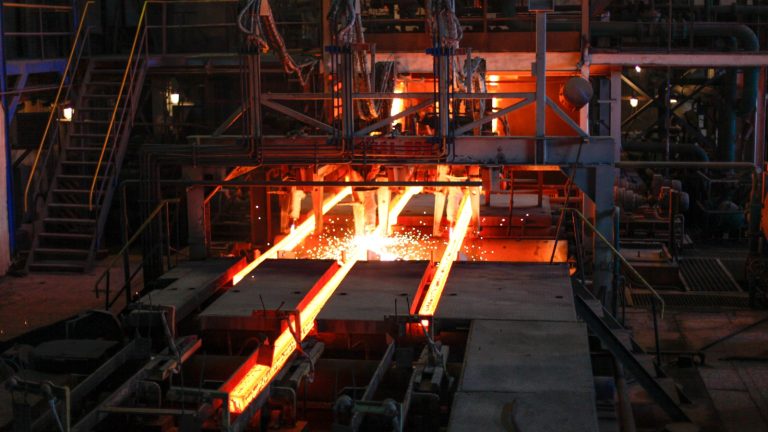
Vacuum Induction Melting works by loading raw metals into a vacuum furnace, removing atmospheric gases, and using electromagnetic induction heating to melt and refine alloys under tightly controlled conditions for maximum purity and consistency.
Key Takeaways
- Vacuum Induction Melting enables ultra-clean metal production by eliminating atmospheric contamination during melting.
- The process ensures precise control of alloy composition, making it ideal for high-performance industrial applications.
- Degassing in metallurgy improves mechanical strength by removing harmful dissolved gases like hydrogen and oxygen.
- The vacuum induction furnace working principle delivers uniform heating and superior temperature control through electromagnetic induction.
Step 1 – Raw Material Charging into the Crucible
The Vacuum Induction Melting process begins with carefully selected raw metallic materials being placed into a refractory-lined crucible inside an industrial vacuum furnace system. These materials are often scrap metals, virgin alloys, or pre-alloyed elements.
The selection is critical because it directly influences final material purity and performance.
In high-precision industries, even minor impurities can affect structural integrity, making material preparation a key stage in the clean metallurgy process.
Step 2 – Vacuum Chamber Sealing and Pressure Reduction
Once the materials are loaded, the furnace chamber is sealed, and air is evacuated to create a high-vacuum environment. This stage is essential in eliminating atmospheric gases that could react with molten metal.
The vacuum induction furnace working principle relies heavily on maintaining extremely low pressure to prevent oxidation and unwanted chemical reactions.
This controlled environment ensures superior cleanliness and consistency in alloy production.
Step 3 – Induction Heating and Melting Process
After achieving the required vacuum level, an alternating electromagnetic field is introduced through induction coils. This induces eddy currents within the metal charge, generating heat and causing it to melt.
This method is highly efficient and allows precise temperature control, making it a preferred induction melting furnace technique in advanced industries. The ability to control heating rates ensures uniform melting without contamination from external heat sources.
Step 4 – Alloy Composition Control and Refining
During melting, engineers carefully adjust alloying elements to achieve exact chemical specifications.
This stage, known as alloy composition control, is one of the most critical steps in VIM. Because the environment is vacuum-sealed, elements can be added with high accuracy without risk of oxidation.
This leads to precision alloy production, especially important for aerospace and defence-grade materials.
Step 5 – Pouring and Solidification Under Vacuum Conditions
Once the alloy reaches the desired composition and temperature, it is poured into moulds under controlled vacuum or inert conditions. The solidification process is carefully managed to prevent defects such as porosity or segregation.
This final step ensures that the resulting material exhibits superior structural integrity, making it suitable for demanding high-performance alloys manufacturing applications.
Core Principles Behind Vacuum Induction Melting
The core principles of Vacuum Induction Melting combine electromagnetic induction heating, vacuum-based contamination control, and degassing in metallurgy to produce clean, uniform, and high-performance alloys with superior structural integrity.
Electromagnetic Induction Heating and Energy Transfer Mechanism
The foundation of Vacuum Induction Melting is built on electromagnetic induction, a physical principle where alternating current flowing through induction coils generates a rapidly changing magnetic field.
When metallic charge materials are placed inside this field, eddy currents are induced within the metal itself. These currents generate heat internally due to electrical resistance, allowing the metal to melt from within rather than relying on external heating sources.
This internal heating mechanism ensures a highly efficient and uniform temperature distribution throughout the melt.
Unlike conventional furnaces, where heat transfer occurs from the surface inward, an induction melting furnace delivers volumetric heating, significantly reducing temperature gradients. This results in better control over melting kinetics, reduced localised overheating, and improved energy efficiency during production.
Because the heating is contactless and highly controllable, manufacturers can achieve extremely precise thermal management, which is essential for producing advanced alloys used in aerospace, energy, and medical industries.
This precision is a key reason why Vacuum Induction Melting is considered superior in precision alloy production environments where consistency and repeatability are critical.
Vacuum Environment and Metal Refining Under Controlled Conditions
A second core principle of Vacuum Induction Melting is the use of a high-vacuum environment to eliminate atmospheric contamination during the melting process. Once the furnace chamber is sealed and air is evacuated, the absence of oxygen, nitrogen, and moisture creates a chemically inert processing zone.
This enables a highly controlled metal refining under vacuum process where unwanted chemical reactions such as oxidation, nitridation, and hydrogen absorption are effectively prevented.
As a result, the molten metal remains chemically stable throughout the entire melting cycle, preserving alloy integrity and improving final material quality.
This vacuum-controlled environment is also fundamental to achieving a true clean metallurgy process, where impurities are minimised not only from raw materials but also from environmental exposure. The result is a significant improvement in microstructural uniformity and mechanical performance, especially in critical applications such as turbine engines and medical implants.
Because of these advantages, Vacuum Induction Melting is widely recognised as one of the most effective advanced metallurgical techniques in modern industrial manufacturing systems, particularly where reliability and safety are non-negotiable.
Degassing in Metallurgy and Impurity Removal Mechanism
Another essential principle of Vacuum Induction Melting is degassing in metallurgy, which refers to the removal of dissolved gases trapped within molten metal.
During the melting process, gases such as hydrogen, oxygen, and nitrogen naturally dissolve into the liquid metal, often leading to defects during solidification if not properly controlled.
Under vacuum conditions, these dissolved gases are encouraged to diffuse out of the molten alloy due to the strong pressure gradient between the metal and the surrounding environment. Hydrogen, in particular, is efficiently removed, which is critical because it can cause embrittlement and internal porosity in finished components.
The reduction of these gases significantly enhances mechanical properties such as tensile strength, ductility, and fatigue resistance. It also minimises the formation of microscopic voids and cracks during solidification, leading to more structurally sound materials.
This degassing effect is one of the key reasons why Vacuum Induction Melting is essential in the production of high-performance alloys manufacturing, where material failure is not acceptable and long-term durability is required under extreme operational conditions.
Key Advantages of Vacuum Induction Melting in Manufacturing
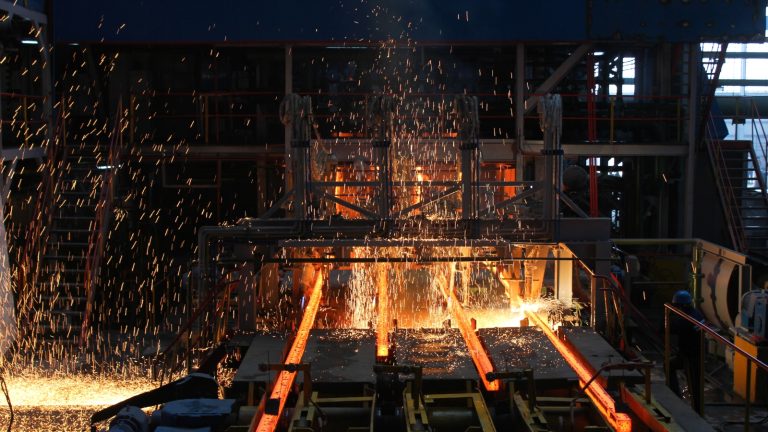
One of the most important benefits of Vacuum Induction Melting is its ability to produce extremely clean and high-quality metals. The process ensures high-purity metal production, which is essential for mission-critical applications where failure is not an option.
Another major advantage is precise chemical control. Manufacturers can achieve exact alloy compositions with minimal variation, resulting in consistent product performance across batches. This makes VIM ideal for industries requiring precision alloy production.
Additionally, the process significantly reduces inclusions, slag formation, and gas porosity. These improvements enhance fatigue strength and corrosion resistance, particularly in harsh environments such as jet engines or nuclear reactors.
VIM also supports the production of advanced materials used in superalloy manufacturing process systems, where metals must withstand extreme temperatures and mechanical stress.
Materials Commonly Processed Using VIM
Vacuum Induction Melting is widely used for processing high-performance and speciality metals.
- One of the most important material groups includes nickel-based superalloys, which are essential in turbine engines and power generation systems.
- Titanium alloys are another key material processed using VIM, especially in biomedical and aerospace applications. The titanium alloy melting process requires strict oxygen control, which makes vacuum conditions essential.
- Stainless steels used in high-performance environments are also commonly refined using VIM to improve corrosion resistance and structural strength.
- In addition, cobalt-based alloys and tool steels benefit from enhanced purity and performance through this process.
These materials are essential for modern engineering applications where durability, heat resistance, and precision are critical.
Industrial Applications of Vacuum Induction Melting
The use of Vacuum Induction Melting spans across multiple high-value industries. In aerospace engineering, it is widely used in aerospace metal casting, particularly for jet engine components such as turbine blades, disks, and combustion chambers. These parts require extreme heat resistance and mechanical reliability.
In the medical industry, VIM-produced alloys are used in surgical instruments and implants due to their biocompatibility and purity. The absence of contaminants ensures safe long-term implantation in the human body.
The automotive sector uses VIM for high-performance engine components, especially in racing and luxury vehicles, where material strength and heat tolerance are critical.
In energy production, VIM supports nuclear and gas turbine applications where materials must withstand extreme operational conditions. Defence industries also rely heavily on VIM for advanced weapon systems and structural components.
Vacuum Induction Melting vs Other Melting Techniques
Compared to air induction melting, Vacuum Induction Melting offers significantly higher purity because it eliminates atmospheric contamination. Air-based systems cannot prevent oxidation or gas absorption, which reduces material quality.
When compared to Vacuum Arc Remelting (VAR), VIM provides better alloy flexibility and composition control. However, VAR is sometimes used as a secondary refining step after VIM.
Electron Beam Melting (EBM) offers extremely high precision but is typically limited to smaller batch sizes and specialised applications. In contrast, VIM provides scalability for industrial production.
This is why VIM remains one of the most balanced and widely used industrial vacuum furnace systems for high-quality alloy production.
Limitations and Challenges of Vacuum Induction Melting
Despite its advantages, Vacuum Induction Melting has certain limitations.
The most significant challenge is the high capital cost of vacuum furnace equipment. These systems require advanced engineering, maintenance, and operational expertise.
Energy consumption is another concern, as maintaining vacuum conditions and induction heating requires significant power input. This can increase production costs compared to conventional melting techniques.
Additionally, the complexity of the system requires skilled operators and precise process control. There are also limitations in terms of batch size, making it less suitable for extremely large-scale, low-cost production.
Role of Vacuum Induction Melting in Industry 4.0 Manufacturing
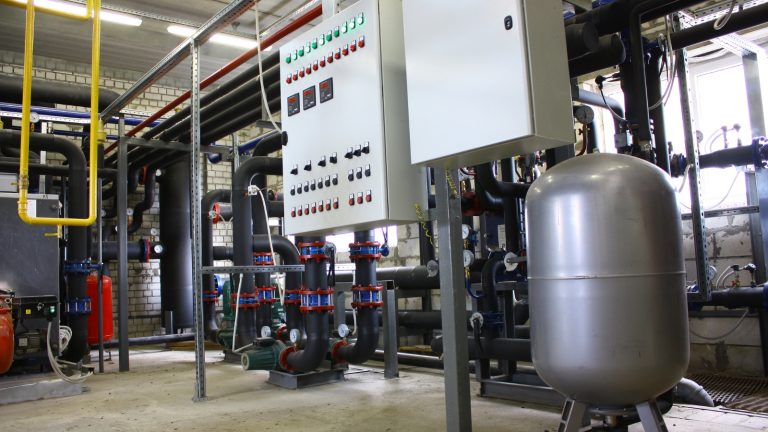
In the era of Industry 4.0, Vacuum Induction Melting is increasingly integrated with digital manufacturing systems. Smart sensors and AI-driven monitoring tools are now used to optimise temperature control, vacuum pressure, and alloy composition in real time.
These advancements improve process stability and reduce human error, enabling more efficient clean metallurgy process workflows. Data analytics also help manufacturers predict furnace performance and reduce downtime.
Automation plays a major role in modern industrial vacuum furnace systems. It allows continuous monitoring and adaptive control. This leads to higher efficiency and improved material consistency across production batches.
Quality Control and Testing in VIM Processed Materials
Quality assurance is critical in Vacuum Induction Melting. Spectrochemical analysis is used to verify alloy composition and ensure compliance with strict industrial standards.
Non-destructive testing methods such as ultrasonic inspection and X-ray imaging detect internal defects like porosity or inclusions. These techniques ensure that only defect-free materials proceed to manufacturing.
Microstructural analysis is also performed to study grain structure and phase distribution. Mechanical testing evaluates tensile strength, hardness, and fatigue resistance, ensuring the material meets performance requirements for high-performance alloys manufacturing.
Future of Vacuum Induction Melting Technology
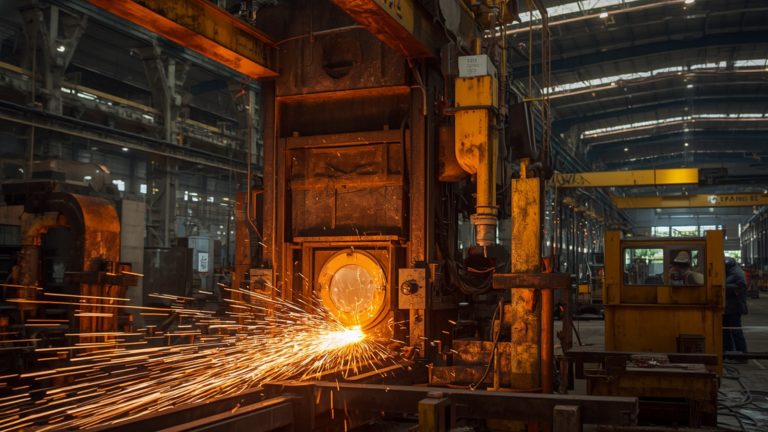
The future of Vacuum Induction Melting is closely tied to advancements in automation, AI, and sustainable manufacturing. Hybrid furnace systems combining VIM with other refining technologies are being developed to improve efficiency and material quality.
AI-driven predictive control systems will further enhance vacuum metallurgy process optimisation, allowing real-time adjustments in temperature and alloy chemistry.
Energy-efficient furnace designs are also emerging to reduce environmental impact while maintaining high performance. As demand for advanced materials grows, VIM will remain essential for next-generation engineering applications.
Cerexio AI-Driven Process Planning for Vacuum Induction Melting Efficiency
Cerexio MES is a robust Manufacturing Execution System in Singapore that enhances vacuum induction melting operations by using AI-powered production planning to optimise furnace scheduling, material allocation, and energy usage. Our platform analyses historical melt data, predicts batch outcomes, and supports alloy composition control to ensure consistent quality across every production cycle.
Through intelligent forecasting and real-time decision support, the Cerexio system improves industrial vacuum furnace systems’ utilisation by reducing idle time and preventing bottlenecks. This leads to more efficient clean metallurgy process execution, where every melting cycle is precisely planned for maximum yield and minimal contamination risk.
Automation-Driven Execution and Real-Time Control in Vacuum Melting Operations
During execution, Cerexio MES automates critical workflows across the induction melting furnace process, including temperature monitoring, vacuum level regulation, and melt cycle tracking. It integrates IoT sensors to provide real-time visibility into the vacuum metallurgy process, ensuring deviations are instantly detected and corrected.
This automation strengthens metal refining under vacuum by reducing human error and maintaining strict process parameters throughout the melting and solidification stages.
As a result, you can achieve higher purity metal production, improved batch consistency, and more reliable outcomes for precision alloy production in demanding industrial environments.
Call for a free demo.
Cerexio-Precision In Each Manufacturing Process Is Assured.
Why Vacuum Induction Melting is Critical for High-Performance Manufacturing
Vacuum Induction Melting is one of the most important technologies in modern metallurgy, enabling the production of ultra-clean, high-performance metals used in the world’s most demanding industries. From aerospace to medical engineering, its ability to deliver precise alloy control, exceptional purity, and superior mechanical properties makes it indispensable.
As manufacturing continues to evolve toward smarter and more efficient systems, VIM will remain a key driver of innovation in advanced metallurgical techniques, supporting the development of stronger, safer, and more reliable materials for the future.
FAQs About Vacuum Induction Melting
Vacuum Induction Melting is used to produce ultra-clean, high-performance metals for aerospace, medical, and energy sectors. It enables controlled alloying, impurity removal, and precise composition control, making it essential for manufacturing critical components requiring superior mechanical strength and reliability.
The vacuum induction furnace working principle uses electromagnetic induction heating inside a vacuum chamber. This prevents oxidation and contamination while ensuring uniform melting. The controlled environment significantly improves alloy purity, reduces defects, and enhances metallurgical consistency across production batches.
Degassing in metallurgy removes dissolved gases like hydrogen, oxygen, and nitrogen from molten metal. This prevents porosity, cracking, and brittleness in final components, improving fatigue resistance, structural integrity, and long-term performance of high-stress industrial parts.
Alloy composition control in Vacuum Induction Melting is achieved by precisely adding elements during vacuum melting. The controlled environment prevents oxidation, allowing accurate chemical adjustments that ensure consistent material properties, improved performance, and repeatable batch quality in advanced manufacturing.
Vacuum Induction Melting offers superior purity, reduced contamination, and precise thermal control compared to conventional methods. It eliminates atmospheric exposure, improves metal refining under vacuum, and produces high-performance alloys suitable for aerospace, medical, and other critical engineering applications.