
You may have noticed that Singapore’s manufacturing sector continues to operate under intense pressure to maximise equipment availability while maintaining productivity targets. According to Singapore’s Economic Development Board, manufacturing contributes approximately 20% of the nation’s GDP, making operational efficiency a critical priority across industrial facilities. In this environment, every minute of equipment failure affects output, profitability, and customer commitments.
Many manufacturers focus heavily on preventing failures, yet reducing repair duration is equally important. This is when a modern service request management system MTTR strategy enables organisations to accelerate maintenance workflows. This also eliminates communication bottlenecks and improves repair execution through intelligent automation and real-time operational visibility.
As Singapore advances its Singapore Industry 4.0 transformation agenda, manufacturers are increasingly deploying digital platforms that connect maintenance, operations, and engineering teams into a unified ecosystem. The result is faster fault resolution, lower downtime, and greater operational resilience across the plant floor.
The article covers
- Why MTTR Matters for Singapore Manufacturers
- Way 1 — Automated Request Routing and Prioritisation
- Way 2 — Real-Time Asset Visibility Across the Plant
- Way 3 — AI-Powered Fault Diagnostics and Recommendations
- Way 4 — Predictive Maintenance Integration: Reducing Reactive Repairs
- Way 5 — Digital Twin Simulation for Faster Resolution
- How Spare Parts Management Supports MTTR Reduction
- How MES and CMMS Integration Accelerates Repairs
- How KPI Dashboards Track MTTR Performance
- Common Reasons MTTR Stays High Without a System
- What Singapore Plants Gain From Lower MTTR
- How to Implement a Service Request Management System
- FAQs About Service Request Management System MTTR
Why MTTR Matters for Singapore Manufacturers

MTTR matters for Singapore manufacturers as lower repair duration directly improves plant availability, operational efficiency, and production reliability across modern manufacturing environments.
Key Takeaways
- Automated service request workflows eliminate delays and accelerate repairs.
- Real-time asset visibility helps technicians diagnose faults faster.
- AI-powered diagnostics improve repair accuracy and reduce downtime.
- Predictive maintenance prevents failures before they disrupt production.
Unplanned Downtime Costing Singapore Plants Significantly
No need to say that every instance of unplanned downtime creates lost production opportunities, missed delivery schedules, and increased operational expenses.
However, the problem starts when high-value manufacturing environments often experience substantial financial impacts from even short disruptions. It makes repair efficiency a strategic performance indicator rather than merely a maintenance metric.
How High MTTR Undermines OEE and Production Targets
When repair durations increase, equipment remains unavailable for longer periods. The result is obvious. It reduces asset utilisation and production throughput.
The relationship between mean time to repair MTTR and OEE improvement is direct, as prolonged restoration periods reduce availability scores and negatively affect manufacturing performance.
Why Manual Service Request Processes Slow Every Repair
We know that traditional maintenance reporting methods usually rely on phone calls, paper forms, spreadsheets, or email communications.
These disconnected workflows delay issue reporting and increase information gaps. Moreover, they extend repair response time, preventing maintenance teams from responding effectively to critical failures.
What a Service Request Management System Changes
A modern service request management system MTTR framework digitises the entire service request lifecycle and creates a structured environment in which issues move seamlessly from identification to completion.
This enables faster coordination, improved visibility, and accelerated maintenance execution throughout the organisation.
Way 1 — Automated Request Routing and Prioritisation
Automated workflows eliminate administrative delays and ensure maintenance requests reach the correct personnel immediately.
Instant Service Request Capture From Operators and Sensors
Digital platforms support immediate issue reporting through mobile devices, operator terminals, and connected equipment. This rapid request-capture-to-resolution approach reduces reporting delays.
Plus, the strategy ensures maintenance teams receive actionable information as soon as faults emerge.
AI Routing Requests to the Right Technician Immediately
Modern platforms leverage AI request routing capabilities to evaluate asset type, fault category, technician skills, and operational urgency. This intelligent allocation process significantly improves maintenance coordination.
Further, it supports effective AI service request routing Singapore initiatives across advanced facilities.
Priority-Based Escalation for Critical Asset Breakdowns
Not all equipment failures carry equal operational consequences. Intelligent systems use priority-based escalation rules to identify high-impact failures and automatically notify supervisors and specialised personnel whenever production-critical assets experience unexpected operational disruptions.
Eliminating Manual Assignment Delays From the Repair Process
You know that those traditional maintenance workflows often require supervisors to review and manually distribute tasks.
Through automated ticket assignment, maintenance requests are routed instantly, reducing waiting periods and accelerating technician dispatch activities across the plant floor.
Way 2 — Real-Time Asset Visibility Across the Plant
Maintenance teams resolve issues faster when they have immediate access to accurate operational and asset information.
IIoT Sensors Streaming Live Asset Condition Data
Connected equipment continuously transmits IIoT sensor data that supports advanced asset condition monitoring initiatives.
This live operational intelligence enables maintenance personnel to understand equipment behaviour before arriving on-site.
The latter significantly reduces diagnostic effort and uncertainty.
Technicians Viewing Fault Location and Asset History Instantly
Digital maintenance platforms consolidate historical work orders, maintenance records, operating parameters, and previous failure information into a single interface.
This enhanced real-time asset visibility MTTR capability allows technicians to begin troubleshooting with valuable contextual knowledge already available.
GIS Mapping Showing Exact Asset Location on the Floor
Large manufacturing facilities often contain thousands of assets spread across multiple production areas.
If they process with advanced GIS asset mapping capabilities, they will receive accurate location-based service request information, enabling technicians to reach affected equipment faster and avoid unnecessary navigation delays.
Faster Fault Identification Reducing Diagnostic Time Significantly
Immediate access to operational data accelerates fault detection by enabling maintenance personnel to quickly isolate probable failure points. With accurate information available upfront, troubleshooting becomes more focused.
Not to mention that it reduces overall downtime and supports improved manufacturing downtime reduction Singapore outcomes.
Way 3 — AI-Powered Fault Diagnostics and Recommendations
Artificial intelligence accelerates troubleshooting by identifying likely failure causes and recommending corrective actions before technicians begin repairs.
AI Analysing Sensor Data to Identify Root Cause Faster
Advanced analytics engines continuously evaluate operational parameters, maintenance records, and performance anomalies.
When they automate root cause analysis, maintenance teams can isolate probable failure mechanisms more rapidly. This strength reduces investigation time and improves the effectiveness of every repair intervention.
Recommended Repair Actions Presented at Request Initiation
It is impressive that modern maintenance platforms can automatically generate corrective recommendations as soon as service requests are created.
These suggestions draw from historical maintenance records, engineering standards, and asset-specific knowledge bases, enabling technicians to prepare appropriate repair strategies before arriving on-site.
Historical Fault Patterns Informing Current Repair Decisions
Machine learning models evaluate recurring equipment issues and compare current operating conditions with previous failures. This approach helps maintenance personnel recognise developing trends.
What is more, it helps identify common breakdown scenarios and make informed decisions based on historical operational intelligence.
Reducing Technician Trial-and-Error Time on the Floor
Without digital guidance, technicians may spend valuable time testing multiple hypotheses before identifying the actual problem. AI-supported diagnostics reduce uncertainty by narrowing likely failure sources, enabling maintenance teams to focus resources on the most probable corrective actions immediately.
Way 4 — Predictive Maintenance Integration: Reducing Reactive Repairs

Integrating predictive maintenance with service management enables organisations to address equipment issues before failures impact production.
PdM Alerts Triggering Service Requests Before Failures Occur
Modern predictive maintenance PdM platforms continuously monitor equipment health indicators and automatically generate maintenance requests when abnormal operating conditions appear.
This proactive approach supports effective predictive maintenance MTTR improvement initiatives by reducing unexpected equipment failures.
Scheduling Planned Repairs During Low-Impact Production Windows
When emerging equipment issues are identified early, maintenance teams gain flexibility to schedule corrective actions strategically.
Planned interventions can be aligned with production schedules, minimising disruption while maintaining asset reliability and operational performance.
Reducing Emergency Breakdowns That Drive the Highest MTTR
Emergency maintenance activities typically require rapid mobilisation.
Also, it is a must to have extensive troubleshooting and urgent resource allocation.
By reducing reactive maintenance events through condition-based maintenance strategies, manufacturers can avoid the lengthy repair durations commonly associated with catastrophic equipment failures.
FMEA Data Informing Priority and Repair Method Per Asset
Engineering teams often use FMEA analysis to assess risk severity, occurrence probability, and failure consequences.
Integrating this information into maintenance workflows improves repair prioritisation. It accelerates resource allocation and corrective action planning across critical production assets.
Way 5 — Digital Twin Simulation for Faster Resolution
Virtual plant models enable maintenance teams to evaluate repair options digitally before performing physical interventions.
Simulating Fault Scenarios in the Virtual Plant Model
It is a plus point that advanced digital twin diagnostics capabilities allow engineers to replicate operating conditions and investigate equipment failures in a virtual environment.
Through virtual fault simulation, teams can analyse behaviour patterns and evaluate potential corrective strategies before field deployment.
Testing Repair Approaches Before Deploying Technicians
Using repair scenario testing, maintenance personnel can compare alternative corrective actions and determine the most efficient repair path. This reduces uncertainty, improves planning accuracy, and helps technicians arrive on-site with validated solutions already prepared.
Reducing Repeat Repairs Through Scenario-Validated Fixes
With our experience in the industry, we have seen that repeated equipment failures normally indicate incomplete corrective actions or unresolved underlying issues.
This is where digital simulations allow maintenance teams to evaluate long-term repair effectiveness. It ensures that corrective measures address the actual failure mechanism rather than only its symptoms.
Live Digital Twin Sync With Real-Time Service Request Data
Modern digital twins continuously synchronise operational conditions, maintenance activities, and equipment performance information.
This integration creates a dynamic environment where maintenance teams can monitor asset status in real time and support faster decision-making during complex repair events.
How Spare Parts Management Supports MTTR Reduction
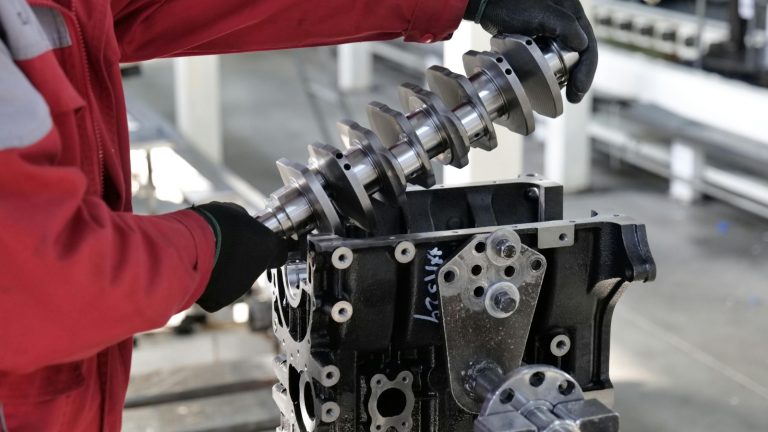
Effective spare parts availability ensures repairs can begin immediately without waiting for inventory verification or procurement activities.
- Storeroom Integration Ensuring Parts Availability Before Dispatch
Through storeroom integration, maintenance systems automatically verify inventory availability when service requests are generated.
This prevents technicians from arriving at equipment locations only to discover critical components are unavailable.
- Automated Spare Parts Requests Triggered at Service Initiation
Integrated workflows connect maintenance activities with spare parts management processes. When a repair request is created, required materials can be reserved automatically, ensuring components are prepared before maintenance personnel begin field activities.
- Critical Spare Parts Flagged for High-MTTR Asset Classes
Certain equipment categories require specialised replacement components with longer procurement lead times.
Intelligent inventory systems identify critical assets and maintain appropriate stock levels to support rapid restoration following unexpected failures.
- Reducing Repair Delays From Missing or Incorrect Parts
Parts shortages remain one of the most common contributors to extended maintenance durations. By ensuring material readiness before work begins, organisations eliminate unnecessary delays and improve repair execution efficiency across the facility.
How MES and CMMS Integration Accelerates Repairs
Integrated operational systems provide maintenance teams with the comprehensive information needed to make faster and more accurate repair decisions.
MES Providing Real-Time Production Impact Context Per Fault
Through MES integration, maintenance personnel gain immediate visibility into how equipment failures affect production schedules, work orders, and manufacturing priorities.
This context enables more effective decision-making when allocating maintenance resources.
CMMS Syncing Work Order History and Technician Availability
A connected maintenance environment leverages CMMS integration to synchronise asset histories, maintenance schedules, workforce availability, and repair records.
Combined with work order automation, this improves planning accuracy and accelerates maintenance response activities.
Unified View of Asset, Production, and Maintenance Data
When maintenance information exists in separate systems, technicians often waste time searching for operational context.
Unified platforms consolidate engineering, maintenance, and production information into a single interface, improving visibility and reducing decision delays.
Faster Repair Decisions From Connected Operational Data
Integrated systems provide maintenance teams with access to equipment status, historical failures, inventory availability, and production priorities simultaneously.
This comprehensive visibility supports quicker diagnosis, more accurate planning, and improved execution throughout the maintenance process.
How KPI Dashboards Track MTTR Performance
Continuous measurement enables manufacturers to identify repair bottlenecks, optimise maintenance processes, and sustain long-term performance improvements.
Real-Time MTTR Tracking by Asset, Line, and Technician
A comprehensive maintenance KPI dashboard provides immediate visibility into maintenance performance across individual assets, production lines, and technician groups.
Managers can quickly identify trends, monitor repair effectiveness, and evaluate operational efficiency using live maintenance metrics.
Identifying Repeat-Failure Assets Driving the Highest Repair Times
Some equipment repeatedly contributes to excessive downtime due to ageing components, design limitations, or recurring operational stress.
Dashboard analytics highlight these problematic assets, allowing engineering teams to prioritise reliability improvements and targeted maintenance investments.
Benchmarking MTTR Trends Across Shifts and Production Lines
Performance comparisons across production areas and maintenance teams help organisations uncover hidden inefficiencies. Benchmarking enables management to identify best practices, standardise repair procedures, and improve consistency throughout maintenance operations.
Management Alerts When MTTR Exceeds Acceptable Thresholds
Automated performance alerts notify supervisors whenever repair durations exceed predefined targets.
These notifications support proactive intervention, ensuring maintenance leaders can address resource constraints, process bottlenecks, or recurring technical issues before they escalate.
Common Reasons MTTR Stays High Without a System

Many manufacturers struggle to reduce repair durations because critical maintenance information remains fragmented and difficult to access.
- Service Requests Lost in Email or Verbal Communication
When maintenance reporting relies on phone calls, handwritten notes, or informal conversations, requests can be delayed, overlooked, or improperly documented.
These communication gaps create uncertainty and extend response times during critical equipment failures.
- Technicians Arriving Without Fault History or Asset Data
Maintenance personnel frequently arrive on-site lacking sufficient context about previous repairs, operating conditions, or asset performance.
Without accurate information, technicians spend additional time gathering data before beginning meaningful troubleshooting activities.
- No Prioritisation Leaving Critical Repairs Behind Routine Tasks
In facilities without structured maintenance workflows, urgent failures may compete with lower-priority tasks for limited resources.
The absence of intelligent prioritisation often results in production-critical equipment remaining unavailable longer than necessary.
- Repeat Failures From Unresolved Root Causes Going Untracked
Recurring breakdowns often stem from underlying issues that were never fully investigated. Without effective tracking mechanisms, maintenance teams may repeatedly address symptoms rather than eliminating the source of the problem, leading to continued operational disruptions.
What Singapore Plants Gain From Lower MTTR
Reducing repair duration delivers measurable operational, financial, and strategic benefits across manufacturing environments.
Higher OEE From Faster Return to Production
Lower repair durations allow equipment to resume operations sooner, increasing availability and supporting greater throughput. Faster restoration directly contributes to stronger asset performance and improved manufacturing efficiency across production facilities.
Reduced Emergency Repair Costs and Labour Overtime
Shorter maintenance activities require fewer emergency callouts, less overtime labour, and reduced resource consumption.
These efficiencies help organisations control maintenance expenditure while maintaining equipment reliability and operational effectiveness.
Stronger On-Time Delivery and Customer Commitment Fulfilment
Reliable equipment availability improves scheduling accuracy and production consistency.
As downtime decreases, manufacturers gain greater confidence in meeting delivery commitments, maintaining customer satisfaction, and supporting long-term business growth.
Safer Working Environment From Faster Fault Resolution
Equipment faults can introduce operational risks if left unresolved for extended periods. Faster maintenance response and restoration activities help minimise exposure to hazardous conditions, creating a safer workplace for plant personnel.
How to Implement a Service Request Management System
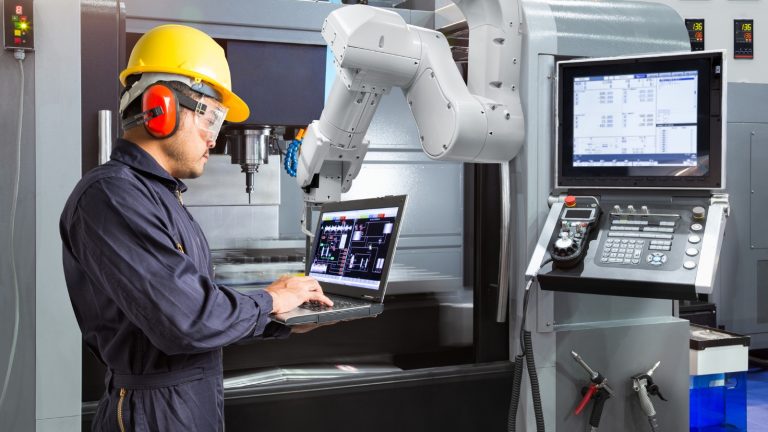
Successful implementation requires a structured approach that aligns technology deployment with operational objectives and maintenance processes.
Mapping Current Service Request Workflows and Bottlenecks
The first step involves documenting existing maintenance procedures, communication channels, approval requirements, and escalation processes. Identifying inefficiencies provides a clear baseline for improvement and supports a smoother digital transformation initiative.
Integrating IIoT Sensors and MES Before Go-Live
Connecting maintenance workflows with operational systems ensures accurate data flows throughout the organisation.
Integration enables maintenance personnel to receive timely equipment information while improving coordination between production and engineering teams.
Training Technicians on Digital Request Capture and Response
Technology adoption depends heavily on workforce engagement.
Training programmes should focus on digital reporting procedures, mobile maintenance tools, workflow management, and best practices for handling maintenance requests efficiently.
Setting MTTR Reduction Targets and Measuring From Day One
Clearly defined performance objectives help organisations track implementation success.
Establishing measurable targets encourages accountability, supports continuous improvement efforts, and enables management to demonstrate operational value from system deployment.
Why Choose Cerexio for Service Request Management?
Cerexio provides manufacturers with an intelligent platform, ‘Service Request Management System’, that is designed specifically to accelerate maintenance execution and improve operational performance.
End-to-End Service Lifecycle From Capture to Resolution
Cerexio solution delivers complete visibility across maintenance activities, supporting every stage of the service request lifecycle from issue identification through closure.
This integrated approach improves accountability, coordination, and maintenance efficiency.
AI Routing, GIS Mapping, and Digital Twin Built In
Our platform combines intelligent automation, advanced visualisation tools, and predictive technologies within a single ecosystem.
These capabilities simplify maintenance operations while helping organisations resolve equipment issues faster and more accurately.
Full MES, CMMS, ERP, and IIoT Integration
Cerexio software solution supports seamless ERP integration alongside manufacturing and maintenance systems, enabling connected workflows throughout the organisation.
This unified architecture eliminates data silos and strengthens cross-functional decision-making capabilities.
Real-Time MTTR Dashboards and KPI Tracking
Comprehensive analytics provide immediate visibility into maintenance performance indicators, allowing organisations to monitor trends, identify inefficiencies, and continuously improve repair execution across production facilities.
Trusted by Singapore Manufacturers Since 2020
With extensive experience supporting industrial digital transformation initiatives, Cerexio understands the operational challenges faced by manufacturers and delivers solutions aligned with evolving business and maintenance requirements.
Cerexio-Take a Start To Your Digital Transformation
Ready to Cut MTTR Across Your Singapore Plant?
Reducing repair duration requires more than faster maintenance teams; it requires intelligent workflows, connected data, and proactive operational visibility.
Consult Cerexio Service Management Specialists Today
Cerexio specialists work closely with manufacturers to assess existing maintenance processes, identify operational bottlenecks, and design tailored solutions that accelerate equipment restoration and improve plant performance.
Connect with us for a personalised demo now.
Explore Cerexio Service Request Management System Features
The Cerexio service request management system MTTR platform combines intelligent automation, predictive maintenance capabilities, advanced analytics, and operational integrations to support faster and more effective maintenance management.
Deploy Smarter, Faster Repair Management From Day One
Manufacturers seeking MTTR reduction, Singapore manufacturing initiatives can employ the Cerexio solution to modernise maintenance operations, improve SLA compliance, strengthen production continuity, and support long-term reliability objectives within the evolving smart factory Singapore landscape.
By combining service request automation manufacturing capabilities with intelligent maintenance technologies, you can reduce mean time to repair Singapore plant performance challenges, strengthen maintenance request management Singapore processes, and achieve sustainable operational improvements.
A modern service request management system MTTR platform empowers your organisation to leverage real-time asset visibility, streamline maintenance execution, utilise remaining useful life insights, and create a connected maintenance environment that supports long-term asset reliability.
As you can see, the integration of AI request routing, predictive maintenance PdM, digital twin diagnostics, and connected operational systems transforms the way your maintenance teams respond to failures, enabling a more resilient and competitive manufacturing operation.
FAQs About the Service Request Management System MTTR
The ideal MTTR target varies by industry and asset criticality, but most advanced manufacturing plants aim to restore production-critical equipment within one hour. Lower MTTR improves asset availability, reduces downtime costs, and supports higher operational efficiency.
AI improves fault diagnosis by analysing sensor readings, maintenance histories, and operational patterns to identify likely failure causes. This reduces diagnostic time, improves repair accuracy, and helps technicians implement corrective actions faster and more consistently.
Yes. Modern service request management systems integrate with MES and CMMS platforms through APIs and data connectors. This creates a unified operational environment where production, maintenance, and asset information are accessible from a single interface.
IIoT sensors continuously monitor equipment performance and transmit real-time operational data. Maintenance teams can detect abnormalities earlier, identify probable fault locations before inspection, and reduce troubleshooting time, resulting in significantly faster equipment restoration.
Digital twin technology allows engineers to simulate failures, evaluate repair methods, and validate corrective actions before physical intervention. This reduces diagnostic uncertainty, minimises repeat failures, and accelerates maintenance execution by improving repair planning accuracy.